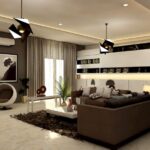
Brutalism home design remains a bold architectural choice for homeowners and remodelers who prioritize material honesty, structural clarity, and functional living. Defined by its unapologetic use of raw concrete, steel, and geometric forms, brutalism demands intentional design decisions to avoid cold minimalism and instead create spaces that are both monumental and inviting. This article provides detailed, image-led inspiration alongside practical advice on proportions, material pairings, lighting, and privacy strategies, empowering you to bring brutalism indoors with sophistication and livability. Successful brutalist homes balance strength and restraint, where every surface, shadow, and detail serves a clear purpose.
Raw Concrete as Focal Surface
Raw concrete is the hallmark of brutalism, serving as the primary material for walls, ceilings, and structural elements. To maximize tactile authenticity, opt for board-formed concrete, which captures the grain of wooden molds and adds subtle texture without additional finishes. Position large concrete surfaces to face natural light sources, allowing the material’s tonal variations to animate throughout the day. To avoid the cold, sterile feel often associated with concrete, balance these expanses with softer textiles, area rugs, and strategically placed wood accents. Consider sealing concrete with matte, breathable sealants to protect surfaces while preserving their natural look.
Strategic Window Placement for Light and Privacy
Window placement in brutalist homes must carefully balance natural light intake with privacy and thermal performance. Narrow vertical window slits aligned with interior walls frame outdoor views while maintaining seclusion. Use double- or triple-glazed glass with minimalist black steel frames to reinforce the structural aesthetic and improve energy efficiency. Incorporate clerestory windows or high horizontal bands to bring in daylight without compromising privacy. To counteract potential dimness from limited window size, layer artificial lighting thoughtfully with dimmable fixtures and accent lights. Exterior shading devices or deep concrete overhangs can reduce glare and heat gain while preserving the bold geometry.
Sculptural Staircases as Architectural Anchors
In brutalist interiors, staircases become bold sculptural elements that break up large volumes and add dynamic form. Choose open-riser staircases with cantilevered treads made from honed concrete or exposed steel to maintain visual lightness despite the heavy materials. Integrate wood handrails or treads to introduce warmth and tactile contrast. Precise engineering is critical to ensure structural safety and minimize sound transmission. Incorporate non-slip finishes and consider acoustic underlays to reduce noise. These staircases not only serve functional circulation but also act as focal points that reinforce brutalism’s architectural rigor.
Mixing Wood Warmth with Concrete Coolness
Wood accents are essential to soften brutalism’s inherent rawness and introduce warmth. Use sustainably sourced hardwoods with visible grain and matte finishes for flooring, ceiling panels, or custom furniture. Limit wood coverage to approximately 30% of the material palette to maintain concrete’s primacy and avoid diluting the brutalist aesthetic. Wood also helps regulate indoor humidity and improves acoustic comfort. In humid or variable climates, apply moisture-resistant finishes and ensure proper ventilation to protect wood elements from warping or decay.
Industrial Lighting That Defines Space
Industrial-style lighting complements brutalism by highlighting structural grids and architectural details. Use linear LED pendants, track lighting, or exposed bulb fixtures with matte black or raw metal finishes to emphasize ceiling planes, concrete columns, and built-in shelving. Position lighting to create focal points and layered illumination, combining ambient, task, and accent lights. Avoid overusing industrial fixtures to prevent visual clutter and maintain the minimalist rigor brutalism requires. Incorporate dimmers and smart controls to adjust lighting intensity based on time of day and activity.
Roofline Angles and Overhangs in Brutalist Context
Roof design significantly impacts brutalist homes’ silhouette, weather resilience, and energy performance. Steep roof angles combined with extended concrete overhangs reinforce the geometric language and protect foundation walls by channeling rainwater effectively. Integrate hidden gutters and slight roof pitches to improve drainage without disrupting the clean lines. Due to the weight of concrete roofs, ensure robust structural supports and consult structural engineers early in the design process to optimize safety and cost. Consider incorporating green roof elements or insulation layers to improve thermal performance and sustainability.
Open Floor Plans with Defined Zones
Open floor plans amplify brutalism’s expansive character while maintaining functional clarity through defined zones. Use polished concrete flooring as a unifying element, then differentiate living, dining, and kitchen areas with ceiling height variations, lowered coffers clad in wood or textured plaster, or subtle changes in floor texture. Incorporate built-in furniture or partial concrete walls to delineate spaces without compromising openness. To mitigate noise amplification common in open plans, integrate acoustic panels, soft furnishings, and rugs strategically. This approach preserves spatial flow while enhancing comfort and usability.
Outdoor Integration Through Textured Screens
Textured screens or perforated concrete panels extend brutalism’s architectural language outdoors while modulating light, airflow, and privacy. Position precast panels with bold geometric cutouts to frame views or create semi-private courtyards that connect interior and exterior environments. These durable screens withstand weather and reduce solar heat gain. To address their fixed nature and limited adaptability to changing sun angles, pair concrete screens with operable fabric curtains, adjustable louvers, or strategic planting. This layered approach enhances seasonal comfort and visual interest.
Frequently Asked Questions
What materials define brutalism home design?
Brutalism is defined primarily by raw concrete used in walls, ceilings, and structural elements, often complemented by steel and natural wood accents to introduce warmth and texture.
How can I balance brutalism’s rawness with comfort?
Introduce warm textures such as wood, layered textiles, and soft furnishings. Use layered, adjustable lighting to soften the inherent coldness of exposed concrete surfaces and improve ambiance.
Is brutalism suitable for humid or rainy climates?
Yes, but it requires careful roof design with extended overhangs, effective drainage systems, moisture-resistant finishes on wood elements, and proper ventilation to prevent damage and maintain durability.
How do I ensure privacy without compromising brutalism’s aesthetic?
Use narrow, vertical windows, clerestory glazing, and textured concrete screens to maintain privacy while allowing natural light and preserving the bold geometric forms characteristic of brutalism.
What lighting strategies work best in brutalist homes?
Layered lighting combining ambient, task, and accent fixtures with industrial finishes works best. Use dimmers and smart controls to adjust lighting levels and highlight architectural features without overwhelming the space.
Brutalism home design challenges conventional aesthetics by prioritizing structural honesty and unembellished materials, chiefly concrete. Success lies in embracing its inherent strengths while tactfully weaving in warmth, privacy, and livability through material combinations, lighting, and layout strategies. Every decision, from window sizing to roof construction, matters for balancing form and function in these monumental spaces. With the practical insights shared here, homeowners and remodelers can navigate brutalism’s disciplined aesthetic while creating inviting, purposeful interiors.
For more room-by-room ideas, browse Architecture Adrenaline’s latest design guides and save your favorite looks for your next project.
Design Deep Dives & Resources
Use these references to go deeper on layouts, materials, lighting, safety, and maintenance decisions that matter for this style.
Research-Backed Planning Notes
- Outdoor lighting should have a job: DOE frames outdoor residential lighting around aesthetics, security, and utility, with controls and shielding to reduce waste and glare. Layer low path lights, focused task lights, and shielded accent lights instead of flooding the entire patio with one harsh fixture. Source: U.S. Department of Energy
- Plant choice affects maintenance and longevity: UMN Extension emphasizes function, maintainability, environmental soundness, cost-effectiveness, and visual appeal in sustainable landscape design. Choose plants around sun, soil, mature size, and maintenance tolerance before choosing containers or furniture colors. Source: University of Minnesota Extension
- A good landscape behaves like connected rooms: USU Extension compares landscapes to outdoor rooms with different uses, volumes, circulation paths, and water needs. Use the cover, furniture layout, pavers, screens, and planting edges to define a room rather than scattering decor around the slab. Source: Utah State University Extension
On Architecture Adrenaline
- Brutalism Graphic Design: Origins, Philosophy, and Impact: Read the full guide
- Brutalism Interior Unveiled: Transforming Spaces Boldly: Read the full guide
- Modern French Interior Design: Transform Your Space with Elegance: Read the full guide
- Brutalist Architecture Interior Design: Read the full guide
Authoritative Planning References
- Illuminating Engineering Society Standards - Professional lighting reference for terminology, visual comfort, glare, and application-specific lighting practice.
- American Society of Interior Designers - Professional interior design organization for design practice, wellness, sustainability, and industry context.
- International Code Council I-Codes - Use this as a starting point for code families, then verify the code edition adopted by the local building department.
- DOE Energy Saver Lighting Design - Practical guidance for efficient indoor and outdoor lighting layers, controls, glare reduction, and fixture placement.
- University of Minnesota Extension Landscape Design - Extension guidance on site conditions, plant selection, maintenance, function, cost-effectiveness, and visual appeal.
Editor-Selected Amazon Finds
Use these shopping starting points to compare dimensions, weather ratings, and reviews before buying.
Brutalism Home Design lighting
Start with lighting because it changes how every finish reads.
Brutalism Home Design storage
Keeps the space functional instead of just photogenic.
Brutalism Home Design decor
Use restraint and repeat materials already in the room.
Design Deep Dives & Resources
Use these references to go deeper on layouts, materials, lighting, safety, and maintenance decisions that matter for this style.
Research-Backed Planning Notes
- Outdoor lighting should have a job: DOE frames outdoor residential lighting around aesthetics, security, and utility, with controls and shielding to reduce waste and glare. Layer low path lights, focused task lights, and shielded accent lights instead of flooding the entire patio with one harsh fixture. Source: U.S. Department of Energy
- Plant choice affects maintenance and longevity: UMN Extension emphasizes function, maintainability, environmental soundness, cost-effectiveness, and visual appeal in sustainable landscape design. Choose plants around sun, soil, mature size, and maintenance tolerance before choosing containers or furniture colors. Source: University of Minnesota Extension
- A good landscape behaves like connected rooms: USU Extension compares landscapes to outdoor rooms with different uses, volumes, circulation paths, and water needs. Use the cover, furniture layout, pavers, screens, and planting edges to define a room rather than scattering decor around the slab. Source: Utah State University Extension
On Architecture Adrenaline
- Brutalism Graphic Design: Origins, Philosophy, and Impact: Read the full guide
- Brutalism Interior Unveiled: Transforming Spaces Boldly: Read the full guide
- Modern French Interior Design: Transform Your Space with Elegance: Read the full guide
- Brutalist Architecture Interior Design: Read the full guide
Authoritative Planning References
- Illuminating Engineering Society Standards - Professional lighting reference for terminology, visual comfort, glare, and application-specific lighting practice.
- American Society of Interior Designers - Professional interior design organization for design practice, wellness, sustainability, and industry context.
- International Code Council I-Codes - Use this as a starting point for code families, then verify the code edition adopted by the local building department.
- DOE Energy Saver Lighting Design - Practical guidance for efficient indoor and outdoor lighting layers, controls, glare reduction, and fixture placement.
- University of Minnesota Extension Landscape Design - Extension guidance on site conditions, plant selection, maintenance, function, cost-effectiveness, and visual appeal.
External Inspiration
Editor-Selected Amazon Finds
Use these shopping starting points to compare dimensions, weather ratings, and reviews before buying.
Brutalism Home Design lighting
Start with lighting because it changes how every finish reads.
Brutalism Home Design storage
Keeps the space functional instead of just photogenic.
Brutalism Home Design decor
Use restraint and repeat materials already in the room.