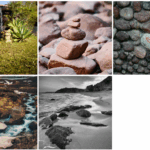
Outdoor landscaping is a vital extension of a home's architecture, offering homeowners and remodelers the opportunity to blend built environments with natural elements. Thoughtful landscaping enhances usability, aesthetic appeal, and property value while creating inviting outdoor living spaces. This article delivers focused, image-inspired guidance on key landscaping components—material selection, spatial layout, planting strategies, lighting integration, and maintenance considerations—empowering readers to make informed, design-forward decisions.
Calibrated Patio Layouts for Flow and Function
A well-designed patio anchors the outdoor space, balancing comfort and circulation. For example, a rectangular patio sized to accommodate a six-seat dining set with at least 3 feet of clearance around furniture ensures unobstructed movement. Using smooth bluestone pavers complements modern architectural styles while offering durability; however, to mitigate slipperiness when wet, incorporate textured grout joints or anti-slip sealants. Consider integrating subtle level changes or contrasting materials to delineate zones without visual clutter.
Layered Planting: Balancing Texture with Scale
Effective planting design uses layers to create depth and tactile interest. Combining dense, deep-green boxwood hedges with taller ornamental grasses introduces contrasting textures and heights. Plant in staggered bands of 2 to 3 feet to avoid flat, monotonous lines and promote natural airflow, which reduces disease risk. Incorporate native perennials to provide seasonal color variation and reduce maintenance demands. Be mindful that ornamental grasses require annual trimming to maintain a tidy appearance and prevent overgrowth.
Sculptural Hardscape Elements in Stone and Concrete
Hardscape features such as curving low walls crafted from rough-hewn limestone serve dual purposes: defining garden edges and offering informal seating. Selecting irregular stone shapes with warm beige tones harmonizes with surrounding soils and plantings. When constructing stone walls, use a sturdy mortar base with a slight setback to facilitate water runoff and prevent pooling at the base, which can cause deterioration. Regular gentle cleaning is necessary to manage moss buildup on porous stone surfaces, preserving texture and longevity.
Subtle Privacy Solutions Using Vertical Screens
Vertical wooden slat screens provide privacy while maintaining openness and light flow. Position slats with 1- to 2-inch spacing to balance concealment and ventilation effectively. Cedar wood treated with natural oils offers weather resistance and highlights rich grain patterns. Annual oiling is essential to prevent graying and maintain structural integrity, especially in humid or rainy climates. For enhanced durability, consider stainless steel fasteners and design screens to allow easy maintenance access.
Integrating Ambient Lighting for Outdoors
Ambient lighting enhances usability and mood after dark. Installing soft, warm LED strip lighting beneath built-in benches and along planting borders creates indirect illumination that highlights features without glare. Use low-voltage circuits paired with weatherproof fixtures to ensure safety and energy efficiency. Matte black metal housings blend discreetly into nighttime landscapes. Regular inspection and bulb replacement prevent dark spots in larger installations. Layer lighting types—path, task, and accent—to avoid over-illumination and light pollution.
Selecting Durable Outdoor Furniture Proportions
Choose outdoor furniture with streamlined aluminum frames and cushions approximately 18 inches high to support a casual yet ergonomic seating posture. Prioritize weather-resistant textiles such as solution-dyed acrylic, which retain color vibrancy and resist mildew. Arrange furniture to face garden focal points, fostering social interaction and spatial coherence. Despite protective finishes, promptly cover or store furniture during severe weather to prevent frame corrosion and fabric degradation.
Optimized Roof and Cover Types for Weather Adaptability
Retractable fabric pergolas provide adaptable shelter, controlling sun exposure and rainfall. Design pergolas to extend slightly beyond seating zones for full coverage. Use breathable, UV-resistant materials like solution-dyed polyester for durability and comfort. Powder-coated steel frameworks resist rust and visually integrate with planted surroundings. Regular mechanical servicing is necessary to prevent jamming and fabric wear, ensuring long-term functionality.
Drainage Strategies That Preserve Design Integrity
Effective drainage protects landscaping and structural elements. Integrate discreet drainage channels along pathway edges using gravel beds beneath perforated piping to redirect runoff away from seating areas and foundations. Maintain a minimum 1% slope to ensure efficient water flow without creating trip hazards or pooling. Use natural stone grates adjacent to planting beds to visually blend drainage systems into the landscape. Regularly clear leaves and debris to prevent clogging and preserve drainage performance during heavy rains.
FAQs
- How do I choose materials that withstand my local climate?
- Select materials tested for your region’s weather conditions, prioritizing finishes resistant to moisture, UV exposure, and temperature fluctuations. Plan for routine maintenance such as sealing, oiling, or cleaning to extend lifespan.
- What are practical ways to maintain privacy without heavy structures?
- Use vertical screens with spaced slats, layered tall plantings, or lightweight outdoor curtains that provide concealment while maintaining airflow and natural light.
- How can lighting be integrated without overwhelming the design?
- Incorporate low-profile, low-voltage fixtures with warm color temperatures placed strategically to accentuate features subtly. Avoid over-illumination by layering path, task, and accent lighting and using shielding to reduce glare.
These curated outdoor landscaping inspirations emphasize precise visual details paired with grounded implementation strategies. By balancing dimension, materiality, and function—including practical tradeoffs—homeowners and remodelers can confidently approach exterior projects with clarity and specificity. From human-scaled furniture arrangements to discreet drainage engineering, each decision refines the outdoor living environment sustainably and attractively.
For more room-by-room ideas, browse Architecture Adrenaline’s latest design guides and save your favorite looks for your next project.
Design Deep Dives & Resources
Use these authoritative references to deepen your understanding of layouts, materials, lighting, safety, and maintenance decisions critical to successful outdoor landscaping.
Research-Backed Planning Notes
- Deck and cover details require code awareness: AWC DCA 6 provides prescriptive residential wood deck guidance based on the International Residential Code. Local officials determine applicability. Treat structural elements as professional scope, not styling details.
- Outdoor lighting should serve a purpose: The U.S. Department of Energy recommends layering lighting types with controls and shielding to reduce waste and glare.
- Landscapes function like connected rooms: Utah State University Extension advises defining outdoor rooms with covers, furniture layout, pavers, screens, and planting edges rather than scattering decor.
- Wood performance depends on moisture and detailing: The USDA Wood Handbook covers wood species, moisture movement, durability, fasteners, finishes, and preservation for exterior applications.
On Architecture Adrenaline
- Rustic Screen Porch Ideas to Enhance Your Outdoor Living
- Low Deck Ideas: Create Your Outdoor Oasis
- Unilock Beacon Hill Flagstone: The Ultimate Guide for Your Outdoor Spaces
- Affordable Landscaping Ideas
Authoritative Planning References
- American Wood Council DCA 6 Deck Construction Guide - Essential for deck framing, ledger attachment, fasteners, guards, and wet-service conditions when patios or covers connect to wood structures.
- International Code Council I-Codes - Starting point for code families; verify local adoption and edition.
- USDA Forest Products Laboratory Wood Handbook - Technical resource on wood species, moisture, durability, fasteners, finishes, and preservation.
- DOE Energy Saver Lighting Design - Practical guidance on efficient lighting layers, controls, glare reduction, and fixture placement.
- University of Minnesota Extension Landscape Design - Guidance on site conditions, plant selection, maintenance, function, cost-effectiveness, and visual appeal.
Editor-Selected Amazon Finds
Use these curated shopping starting points to compare dimensions, weather ratings, and reviews before purchasing outdoor landscaping essentials.
Weatherproof Patio Furniture Cover
Protect cushions and frames from wind-driven rain and UV exposure.
Outdoor Side Table or Serving Cart
Adds function without crowding compact seating zones.
Outdoor-Rated Area Rug
Defines outdoor rooms visually while remaining easy to maintain.
Design Deep Dives & Resources
Use these references to go deeper on layouts, materials, lighting, safety, and maintenance decisions that matter for this style.
Research-Backed Planning Notes
- Deck and cover details need code awareness: AWC DCA 6 provides prescriptive residential wood deck guidance based on the International Residential Code, but local officials decide what applies. Treat posts, ledgers, guards, fasteners, roof attachments, and concentrated loads as permit-and-pro territory, not styling details. Source: American Wood Council
- Outdoor lighting should have a job: DOE frames outdoor residential lighting around aesthetics, security, and utility, with controls and shielding to reduce waste and glare. Layer low path lights, focused task lights, and shielded accent lights instead of flooding the entire patio with one harsh fixture. Source: U.S. Department of Energy
- A good landscape behaves like connected rooms: USU Extension compares landscapes to outdoor rooms with different uses, volumes, circulation paths, and water needs. Use the cover, furniture layout, pavers, screens, and planting edges to define a room rather than scattering decor around the slab. Source: Utah State University Extension
- Wood performance is about moisture and detailing: The USDA Wood Handbook covers wood moisture, durability, fastenings, preservation, finishing, and material behavior for architects and engineers. Specify exterior-rated materials, drainage gaps, sealed end grain, and maintainable finishes before relying on a pretty stain sample. Source: USDA Forest Products Laboratory
On Architecture Adrenaline
- Rustic Screen Porch Ideas to Enhance Your Outdoor Living: Read the full guide
- Low Deck Ideas: Create Your Outdoor Oasis: Read the full guide
- Unilock Beacon Hill Flagstone: The Ultimate Guide for Your Outdoor Spaces: Read the full guide
- Affordable Landscaping Ideas: Read the full guide
Authoritative Planning References
- American Wood Council DCA 6 Deck Construction Guide - Useful for deck framing, ledger, fastener, guard, and wet-service context when a patio or cover connects to wood structure.
- International Code Council I-Codes - Use this as a starting point for code families, then verify the code edition adopted by the local building department.
- USDA Forest Products Laboratory Wood Handbook - Technical background on wood species, moisture movement, durability, fasteners, finishes, and preservation.
- DOE Energy Saver Lighting Design - Practical guidance for efficient indoor and outdoor lighting layers, controls, glare reduction, and fixture placement.
- University of Minnesota Extension Landscape Design - Extension guidance on site conditions, plant selection, maintenance, function, cost-effectiveness, and visual appeal.
External Inspiration
Editor-Selected Amazon Finds
Use these shopping starting points to compare dimensions, weather ratings, and reviews before buying.
Weatherproof patio furniture cover
Protects cushions and frames so the setup survives wind-driven rain.
Outdoor side table or serving cart
Adds function without crowding a compact seating zone.
Outdoor-rated area rug
Helps define the room visually while keeping maintenance realistic.