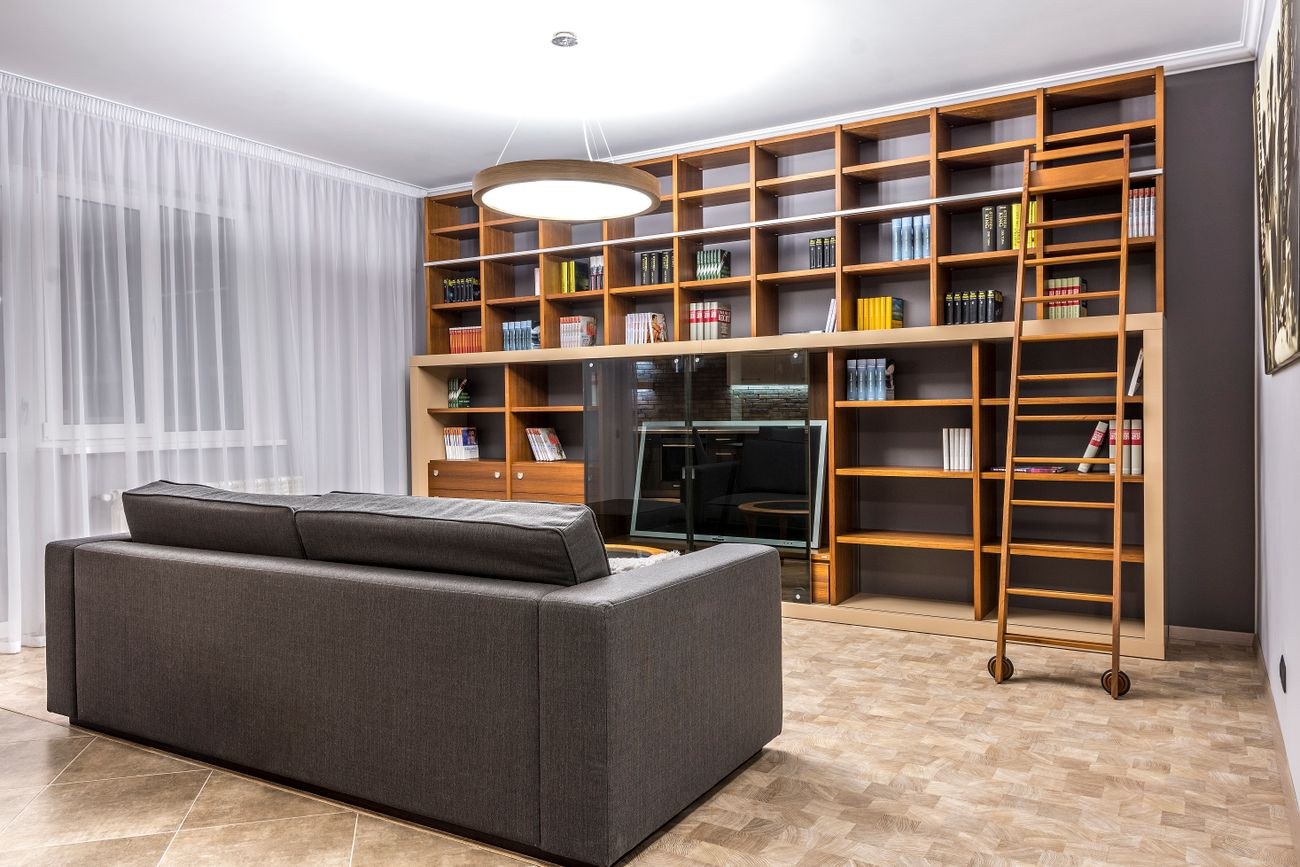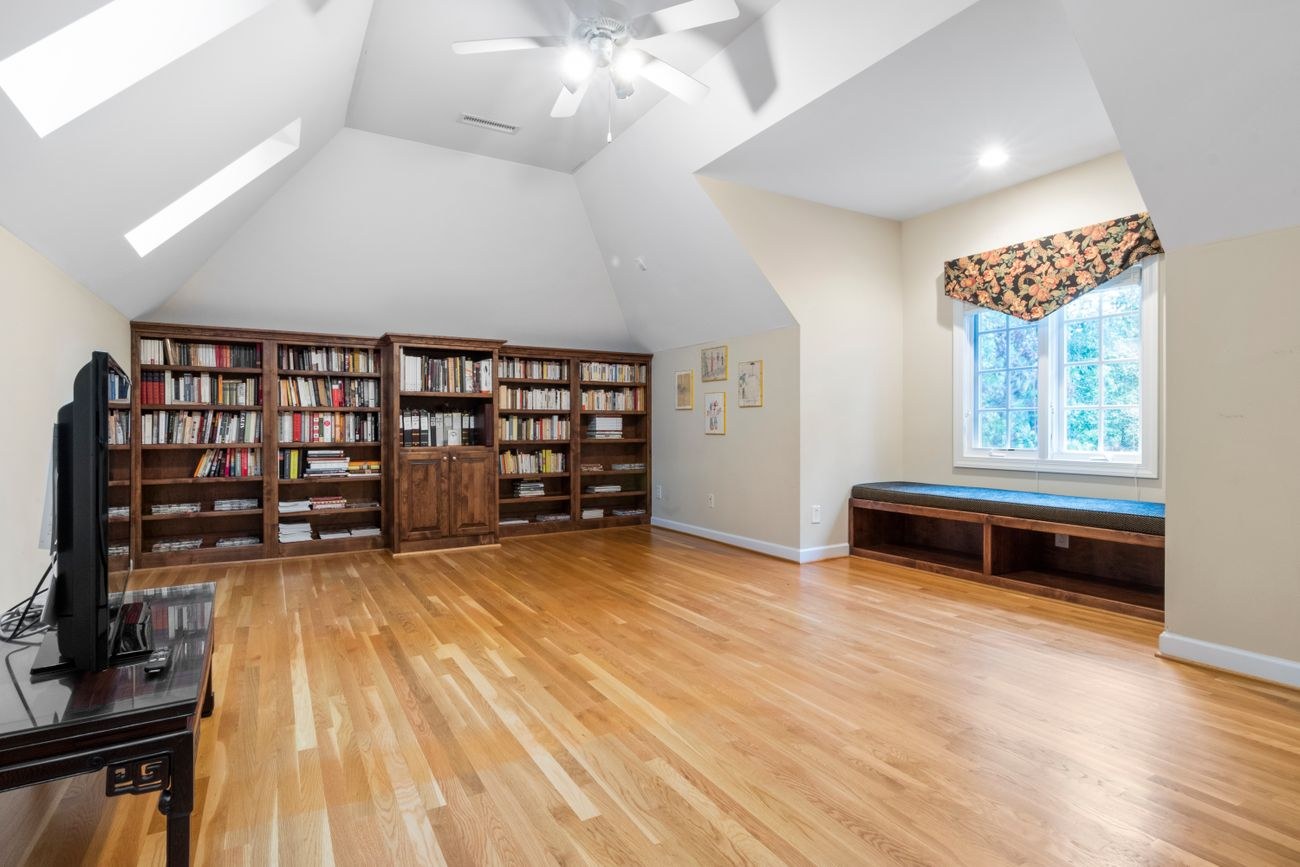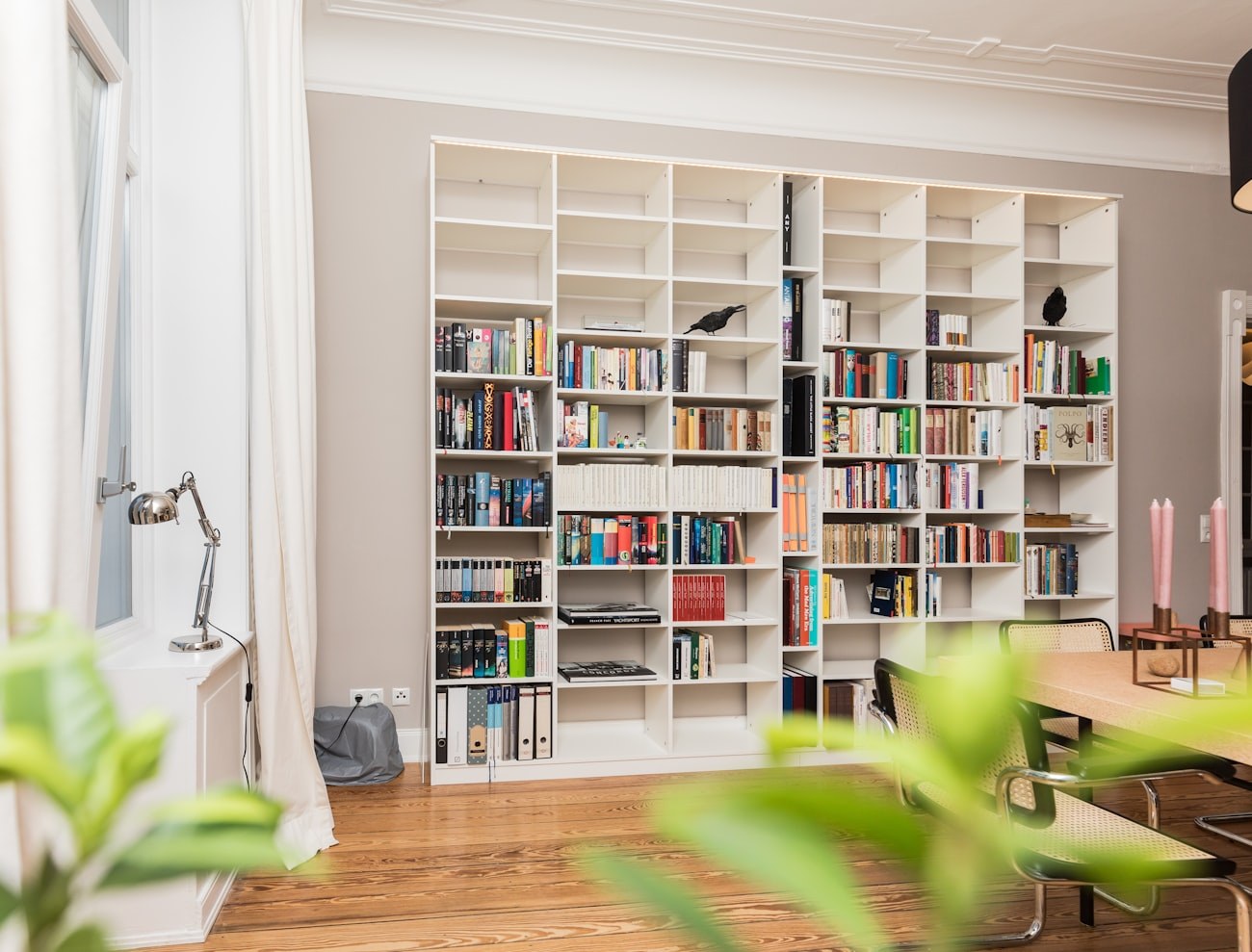
Arched built in bookshelves offer a compelling blend of architectural grace and practical storage that elevates interiors from pedestrian to memorable. As homeowners and remodelers eye distinct yet lasting design choices, the characteristic arch adds softness and vertical drama without sacrificing utility. This curated guide prioritizes concrete design decisions—proportions to respect, pairing materials for texture contrast, recommended lighting placements, and necessary tradeoffs—to empower thoughtful, image-inspired transformations. Whether framing a den, living room, or reading nook, the precise articulation of your arched bookshelves will shape both function and form.
Balancing Arch Proportions for Visual Harmony

The visual appeal of arched built in bookshelves hinges on their proportions, notably the curvature radius relative to shelf height and width. Aim for an arch height approximately one-quarter the bookshelf height to avoid overwhelming other room elements. Practically, mock-ups or sketches help ensure the arch integrates seamlessly with existing moldings or ceiling heights. Select trim profiles with crisp lines rather than ornate detailing to prevent visual clutter. A tradeoff is that overly ambitious arches can limit upper shelf accessibility, making some areas less functional without step stools.
Choosing Wood Species and Finishes for Endurance
Wood choices mold the shelves' character and durability; solid hardwoods like white oak or maple handle wear while showing grain that accentuates arch curves elegantly. A matte finish reduces glare and fingerprints, important for shelves in active family rooms. Consider veneered plywood for the backs to minimize weight and resist warping, keeping the structural arch intact over time. Note that natural wood demands climate control; fluctuating humidity can cause joints to loosen, so maintain indoor humidity within 40–60%.
Integrating Ambient and Task Lighting Within Arches
Lighting amplifies the sculptural nature of arched built ins. Recessed LED strip lighting installed discreetly along the inside curve introduces gentle illumination that highlights books and objects without harsh shadows. Pair these with adjustable warm white bulbs to balance daylight and evening hues. Place task lighting, such as slim profile adjustable sconces adjacent to seating areas, for comfortable reading. Remember, integrated lighting requires early wiring plans—retrofitting is costly and disruptive.
Optimizing Shelf Depths and Spacing for Versatility
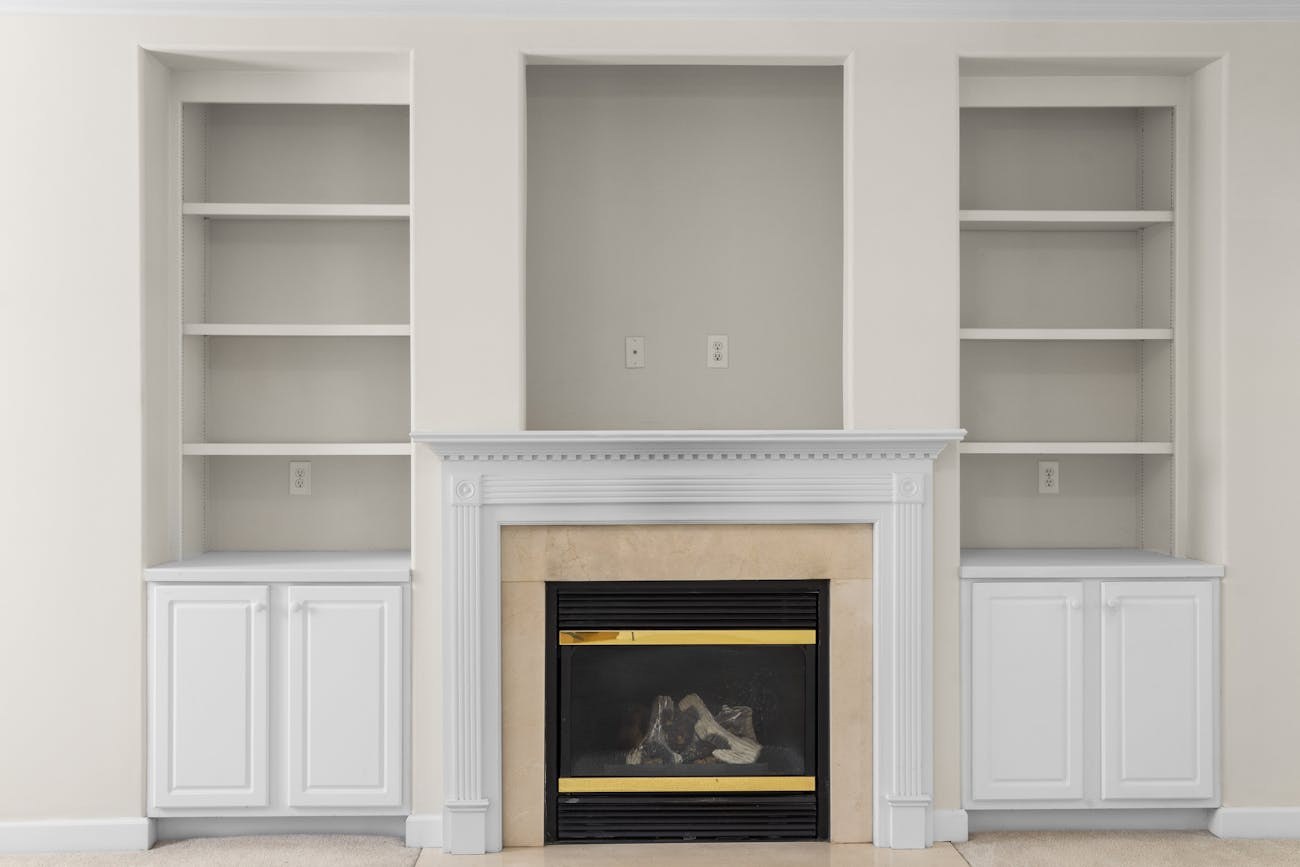
Functional shelves require calibrated depths and spacing: 10–12 inches deep accommodates most book sizes, while adjustable shelves allow flexibility for decorative items. Uniform shelf heights can look monotonous; vary spacing to create rhythm and respect object scales. Use solid shelves rather than open grates to support heavy volumes and prevent smaller items from falling. Keep in mind that deeper shelves can consume room space and encourage clutter; applying consistent design restraint is key.
Emphasizing Base Cabinetry for Storage and Stability
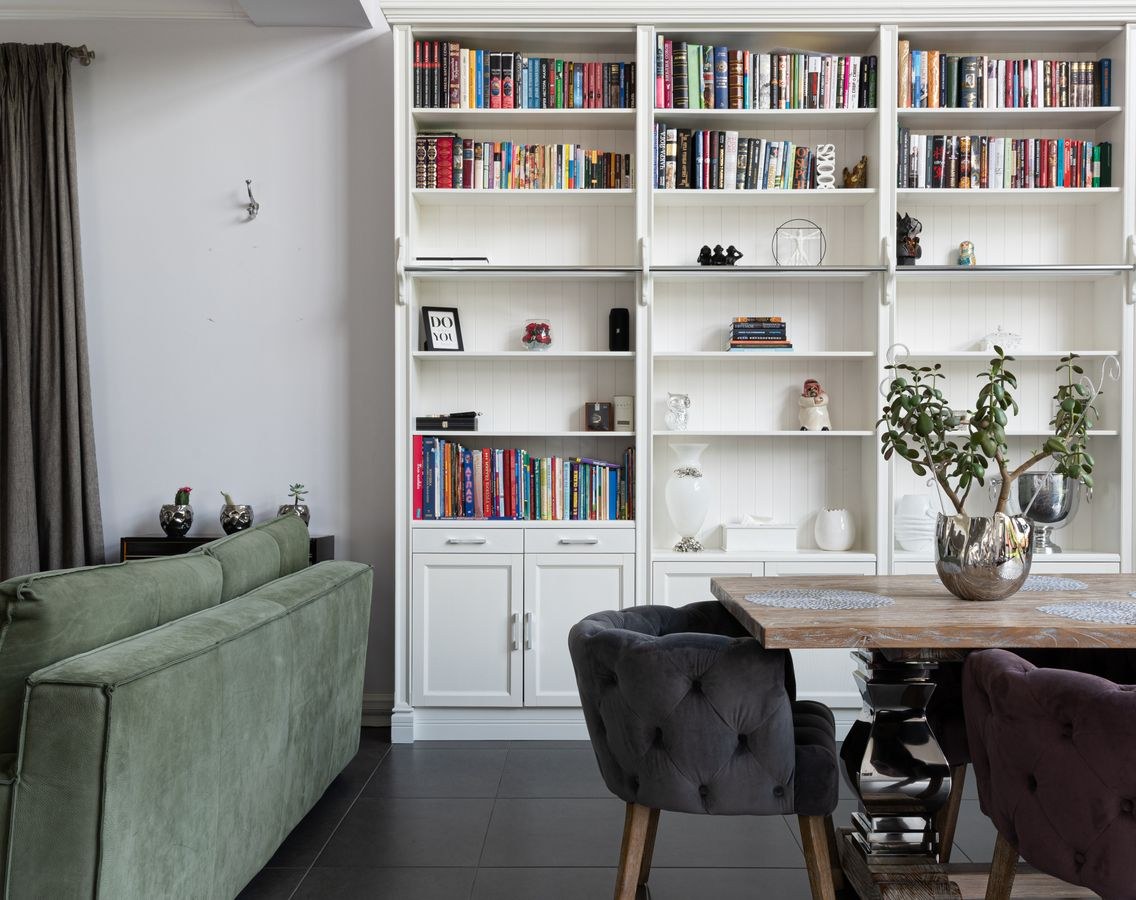
Incorporating base cabinetry beneath the arched shelving provides concealed storage for less visually appealing items like electronics or paperwork, anchoring the bookshelf compositionally. Keep base cabinets flush with the bookshelf edges and use hardware that echoes arch curve motifs subtly for coherence. Paint base units a contrasting but complementary color to the shelves can add depth. The tradeoff is that bottom cabinets reduce potential lower shelf space, so carefully consider what items are prioritized to be hidden vs displayed.
Styling Restraint: Curating Objects with Intent
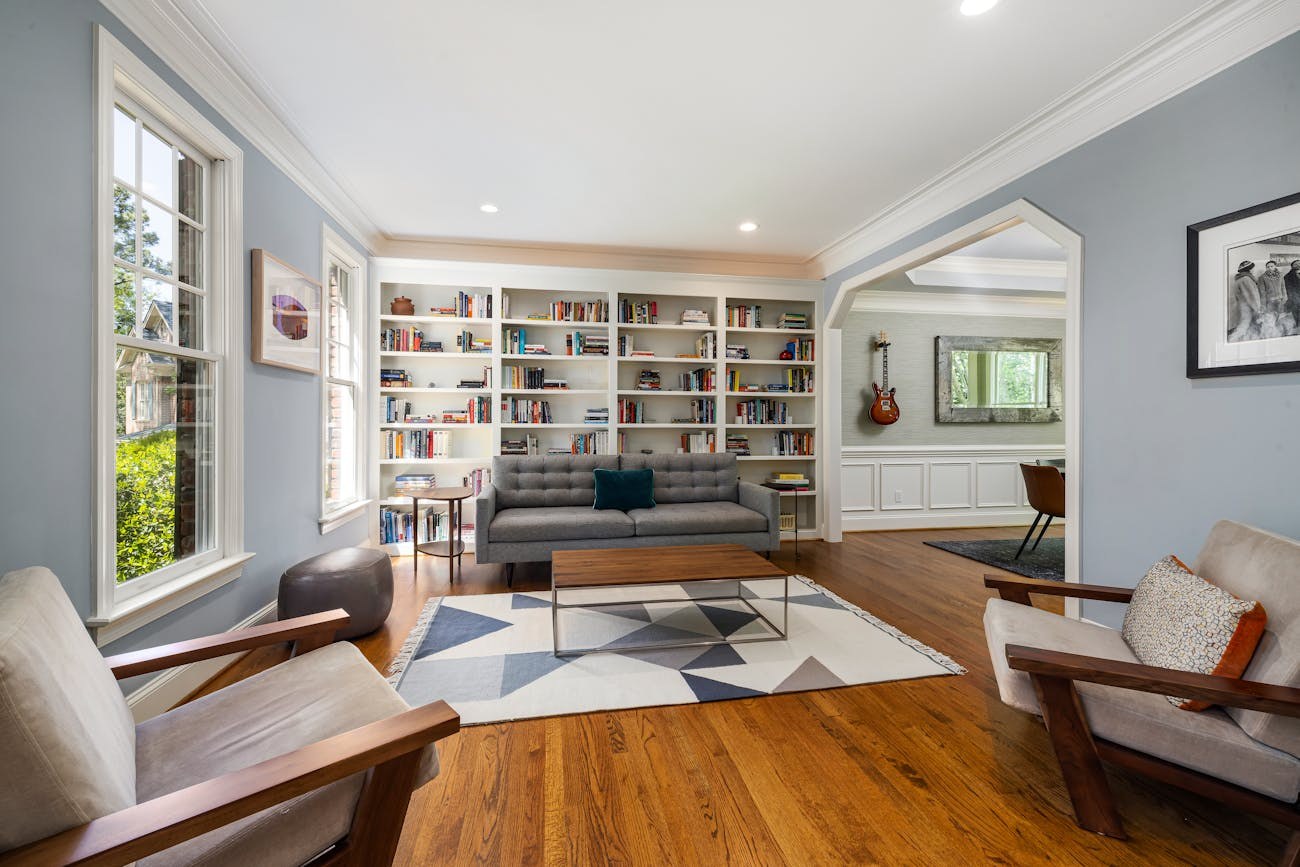
Styling arched bookshelves benefits from restraint: intersperse books with curated objects such as artisan ceramics or framed photography, avoiding overcrowding shelves. Group items in odd numbers for organic balance and leave breathing room around prominent curves to preserve their sculptural intent. Introduce texture contrasts, such as woven baskets on lower shelves, to humanize the clean wood finish. Beware overstyling, which dilutes focus from the arch architecture and creates a busy visual effect.
Embedding Arches Around Fireplaces to Anchor the Room
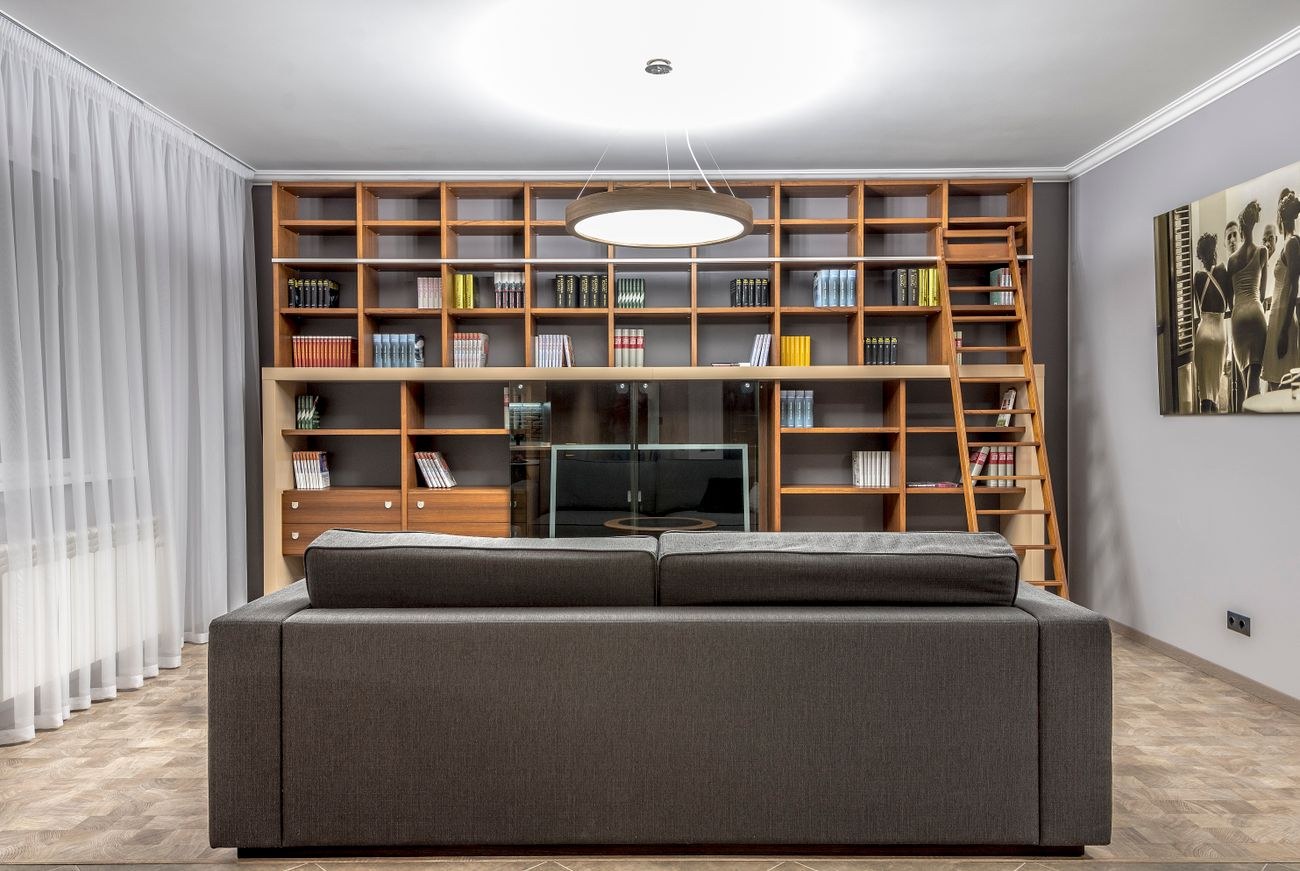
Placing arched built ins flanking a fireplace creates a commanding architectural feature with symmetry and softness. Mirrors or panels above the mantel can complement arch curve shapes below, pulling the composition cohesively. Use noncombustible materials and finishes in proximity to the hearth, such as fire-rated MDF or stone-faced bases, to meet safety standards. Keep in mind access for fireplace maintenance may require removable shelving components or cabinet doors within the arched zones.
Incorporating Built-in Seating Adjacent to Arched Shelves
Adding built-in seating near arched shelves creates a multi-functional nook encouraging cozy reading moments. Seat heights around 18 inches align ergonomically with adjacent shelf heights for a unified flow. Upholstery in natural fibers contrasts with wood textures, while cushioned tops invite prolonged use. Integrate subtle storage under seats for blankets or magazines, but recognize this addition requires sufficient floor space. Ensure that the built-in does not obstruct the arch’s visual prominence by designing in scale and clearance carefully.
Frequently Asked Questions
- What wood types work best for arched built in bookshelves?
- Hardwoods like white oak, maple, or cherry offer durability and attractive grain ideal for arch detailing. Veneered plywood can be used for backing to reduce weight.
- How do I maintain the shape of an arch over time?
- Use quality materials with moisture resistance and control indoor humidity levels between 40–60% to prevent warping or joint loosening.
- Can I install lighting within existing arched shelves?
- While possible, it is best planned during construction with built-in wiring for minimal disruption and optimal integration of recessed or strip LED lighting.
Thoughtfully designed arched built in bookshelves blend architectural character with practical storage and display solutions. By prioritizing precise arch proportions, selecting durable woods with appropriate finishes, and planning layered lighting, homeowners and remodelers can create impactful focal points that elevate interiors beyond standard shelving. Strategic decisions around cabinetry integration, spacing, and styling restraint ensure these built ins function elegantly without overcrowding or maintenance issues. As you consider arched built in bookshelves for your next project, grounding choices in these pragmatic and aesthetic principles will yield results worth long-term enjoyment.
For more room-by-room ideas, browse Architecture Adrenaline’s latest design guides and save your favorite looks for your next project.
Design Deep Dives & Resources
Use these references to go deeper on layouts, materials, lighting, safety, and maintenance decisions that matter for this style.
Research-Backed Planning Notes
- Dark colors need deliberate light control: Bedroom light, comfort, and environmental control affect how restful a space feels. Balance dark green walls with layered task, accent, and low-glare evening lighting. Source: National Sleep Foundation Bedroom Environment
- Professional design practice connects color, wellness, and function: Interior design decisions should support both visual intent and daily use. Use the dark green palette as one part of a complete plan: lighting, storage, circulation, and texture. Source: American Society of Interior Designers
On Architecture Adrenaline
- Affordable Covered Patio Ideas: Read the full guide
- Covered Outdoor Living Spaces: Read the full guide
- Back Patio Ideas: Read the full guide
- Back Porches: Read the full guide
Authoritative Planning References
- ASID design research for evidence-informed interior planning.
- IIDA resources for interior design practice and material decisions.
External Inspiration
Editor-Selected Amazon Finds
Use these shopping starting points to compare dimensions, weather ratings, and reviews before buying.
Arched Built In Bookshelves Ideas lighting
Start with lighting because it changes how every finish reads.
Arched Built In Bookshelves Ideas storage
Keeps the space functional instead of just photogenic.
Arched Built In Bookshelves Ideas decor
Use restraint and repeat materials already in the room.
Extra Visual Inspiration