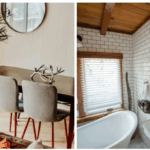
A frame cabins, characterized by their steeply pitched roofs and clean geometric lines, present a distinctive architectural form that demands thoughtful interior design. These structures blend rustic charm with modern minimalism, creating spaces that feel both cozy and open. However, designing interiors for A frame cabins requires careful attention to spatial proportions, natural light management, and material durability to address the unique challenges posed by their narrow footprints and sloped ceilings. This guide provides actionable strategies for homeowners and remodelers to create interiors that harmonize with the A frame’s iconic silhouette while optimizing comfort and functionality.
Maximizing Vertical Space with Skylight Placement
Skylights are a critical design element in A frame cabins, capitalizing on the tall central ridge to introduce abundant natural light. Installing medium-sized operable skylights aligned precisely with the roof pitch allows daylight to flood the interior while preserving insulation integrity. Use warm-toned wood trim around skylights to complement the cabin’s rustic aesthetic and ensure a tight seal against weather intrusion. To mitigate heat gain during summer and potential leaks, incorporate high-quality flashing systems and consider seasonal shading solutions such as retractable blinds or exterior awnings. Proper skylight placement not only enhances vertical space perception but also reduces reliance on artificial lighting during daytime.
Material Harmony: Combining Wood and Stone Elements
Creating a tactile and visual contrast between exposed timber and natural stone is fundamental to authentic A frame cabin interiors. Opt for clear-finished Douglas fir beams that showcase the wood grain’s natural beauty, paired with locally sourced river stones for fireplaces and hearths to root the cabin in its environment. Matte metal fixtures in black or bronze tones prevent finish clashes common in rustic-modern hybrids and add subtle industrial flair. Keep in mind that stone surfaces require regular sealing to prevent moisture stains and dust accumulation, which increases maintenance but preserves longevity and appearance.
Optimizing Furniture Scale in Narrow Footprints
The elongated and narrow footprint typical of A frame cabins demands furniture that is carefully scaled to avoid overcrowding and maintain open sightlines to the peak roof. Choose low-profile seating such as streamlined leather or fabric sofas under 30 inches in height to preserve vertical views. Modular wood tables with slim profiles provide layout flexibility without adding visual bulk. While compact furniture maximizes space efficiency, it may compromise plushness and long-term comfort, so balance scale with ergonomic considerations, especially for frequently used seating.
Strategic Ambient Lighting for Sloped Ceilings
Sloped ceilings in A frame cabins challenge traditional lighting approaches. Recessed fixtures installed parallel to the roofline reduce glare and maintain clean sightlines. Use warm LED bulbs clustered near activity zones such as dining areas and reading nooks to create layered, functional illumination. Matte black metal trims minimize reflections and complement rustic accents. Note that installing recessed lighting in angled drywall requires precision to avoid uneven shadows and may increase installation complexity and cost.
Roof Cover Choices: Balancing Weather Resistance and Aesthetics
The steep pitch of A frame roofs requires durable materials that efficiently shed water and snow. Standing seam metal roofing in dark graphite or charcoal tones offers longevity, sleek aesthetics, and excellent runoff performance due to its vertical ribs. However, metal roofs can amplify rain noise, so installing sound-dampening insulation beneath the roof deck is essential for maintaining quiet interiors. Alternative materials like architectural asphalt shingles or cedar shakes provide different aesthetic options but may require more frequent maintenance and have shorter lifespans in harsh climates.
Privacy Solutions Without Disrupting Natural Views
Large windows in A frame cabins maximize views but complicate privacy. Frosted lower window panes or translucent roller shades effectively block sightlines while preserving daylight and outdoor connection. Natural woven materials such as bamboo or linen for window treatments add texture and warmth, complementing cabin interiors. These coverings require regular cleaning and may fade under prolonged sun exposure, so select UV-resistant fabrics and plan for periodic replacement to maintain appearance.
Efficient Drainage Systems for Steep Rooflines
Steep rooflines generate rapid water runoff, necessitating gutters and downspouts engineered for high flow volumes to protect foundation areas. Seamless aluminum gutters with integrated leaf guards prevent clogging in wooded settings typical of cabin locations. Position downspouts to discharge water at least five feet from the foundation onto graded ground or into drainage trenches to avoid soil saturation. Due to the roof height and angles, gutter maintenance can be challenging; installing ladder anchors or gutter guards enhances safety and reduces cleaning frequency.
Styling Restraint: Curating Minimalist Décor in Small Cabins
Minimalist décor emphasizes the A frame’s architectural features without overwhelming limited space. Limit decorative objects to fewer than ten per main living area, focusing on handcrafted ceramics, tactile textiles, and earth-toned accents. Open shelving replaces bulky cabinetry to maintain openness while allowing curated displays of essential items. To avoid a stark or clinical feel, layer textures and incorporate subtle color variations rather than relying on monochromatic palettes.
Frequently Asked Questions
How do I maintain warmth without bulky insulation in an A frame interior?
Use high-quality closed-cell spray foam insulation to maximize thermal performance within limited cavity space. Pair this with thermal curtains or insulated window treatments on large glass surfaces to reduce heat loss while preserving interior space.
Is it better to customize furniture or buy standard pieces for narrow cabin layouts?
Custom furniture optimizes every inch of space and can be tailored to the cabin’s unique geometry but often comes at a higher cost. Modular, slim-profile standard furniture offers flexibility and cost savings while maintaining functional layouts.
What’s the best way to minimize moisture issues in steeply pitched A frame roofs?
Install integrated vapor barriers beneath roofing materials combined with adequate attic ventilation to prevent condensation buildup. Regular gutter cleaning and maintenance ensure efficient water runoff and reduce moisture-related damage.
Designing interiors for A frame cabins requires a balance between the dramatic architectural form and practical living needs. Prioritizing natural light through well-placed skylights and window treatments enhances spatial perception, while material choices like wood, stone, and metal ensure durability and style. Thoughtful furniture scaling and layered lighting create comfortable, uncluttered spaces. Roofing and drainage decisions must address local climate challenges to protect the structure long-term. By applying these focused strategies, homeowners and remodelers can craft A frame cabin interiors that are both visually compelling and resilient.
For more detailed room-by-room ideas, explore Architecture Adrenaline’s comprehensive design guides and save your favorite inspirations for your next project.
Design Deep Dives & Resources
Use these authoritative references to deepen your understanding of layouts, materials, lighting, safety, and maintenance decisions critical to A frame cabin interiors.
Research-Backed Planning Notes
- Outdoor lighting should have a job: DOE frames outdoor residential lighting around aesthetics, security, and utility, with controls and shielding to reduce waste and glare. Layer low path lights, focused task lights, and shielded accent lights instead of flooding the entire patio with one harsh fixture. Source: U.S. Department of Energy
- Plant choice affects maintenance and longevity: UMN Extension emphasizes function, maintainability, environmental soundness, cost-effectiveness, and visual appeal in sustainable landscape design. Choose plants around sun, soil, mature size, and maintenance tolerance before choosing containers or furniture colors. Source: University of Minnesota Extension
- A good landscape behaves like connected rooms: USU Extension compares landscapes to outdoor rooms with different uses, volumes, circulation paths, and water needs. Use the cover, furniture layout, pavers, screens, and planting edges to define a room rather than scattering decor around the slab. Source: Utah State University Extension
On Architecture Adrenaline
- A Frame Home Interior Design: Read the full guide
- Beautiful Home Interior Designs: Read the full guide
- Japandi Bathroom Design: Read the full guide
- Accent Color For Sage Green: Read the full guide
Authoritative Planning References
- Illuminating Engineering Society Standards - Professional lighting reference for terminology, visual comfort, glare, and application-specific lighting practice.
- American Society of Interior Designers - Professional interior design organization for design practice, wellness, sustainability, and industry context.
- International Code Council I-Codes - Use this as a starting point for code families, then verify the code edition adopted by the local building department.
- DOE Energy Saver Lighting Design - Practical guidance for efficient indoor and outdoor lighting layers, controls, glare reduction, and fixture placement.
- University of Minnesota Extension Landscape Design - Extension guidance on site conditions, plant selection, maintenance, function, cost-effectiveness, and visual appeal.
Editor-Selected Amazon Finds
Use these curated shopping starting points to compare dimensions, weather ratings, and reviews before purchasing for your A frame cabin interior.
A Frame Cabin Interior Design Lighting
Lighting transforms how finishes and textures read in the space.
A Frame Cabin Interior Design Storage
Storage solutions keep the space functional and clutter-free.
A Frame Cabin Interior Design Décor
Use restraint and repeat materials already present in the room for cohesion.
Design Deep Dives & Resources
Use these references to go deeper on layouts, materials, lighting, safety, and maintenance decisions that matter for this style.
Research-Backed Planning Notes
- Outdoor lighting should have a job: DOE frames outdoor residential lighting around aesthetics, security, and utility, with controls and shielding to reduce waste and glare. Layer low path lights, focused task lights, and shielded accent lights instead of flooding the entire patio with one harsh fixture. Source: U.S. Department of Energy
- Plant choice affects maintenance and longevity: UMN Extension emphasizes function, maintainability, environmental soundness, cost-effectiveness, and visual appeal in sustainable landscape design. Choose plants around sun, soil, mature size, and maintenance tolerance before choosing containers or furniture colors. Source: University of Minnesota Extension
- A good landscape behaves like connected rooms: USU Extension compares landscapes to outdoor rooms with different uses, volumes, circulation paths, and water needs. Use the cover, furniture layout, pavers, screens, and planting edges to define a room rather than scattering decor around the slab. Source: Utah State University Extension
On Architecture Adrenaline
- A Frame Home Interior Design: Read the full guide
- Beautiful Home Interior Designs: Read the full guide
- Japandi Bathroom Design: Read the full guide
- Accent Color For Sage Green: Read the full guide
Authoritative Planning References
- Illuminating Engineering Society Standards - Professional lighting reference for terminology, visual comfort, glare, and application-specific lighting practice.
- American Society of Interior Designers - Professional interior design organization for design practice, wellness, sustainability, and industry context.
- International Code Council I-Codes - Use this as a starting point for code families, then verify the code edition adopted by the local building department.
- DOE Energy Saver Lighting Design - Practical guidance for efficient indoor and outdoor lighting layers, controls, glare reduction, and fixture placement.
- University of Minnesota Extension Landscape Design - Extension guidance on site conditions, plant selection, maintenance, function, cost-effectiveness, and visual appeal.
External Inspiration
Editor-Selected Amazon Finds
Use these shopping starting points to compare dimensions, weather ratings, and reviews before buying.
A Frame Cabin Interior Design lighting
Start with lighting because it changes how every finish reads.
A Frame Cabin Interior Design storage
Keeps the space functional instead of just photogenic.
A Frame Cabin Interior Design decor
Use restraint and repeat materials already in the room.