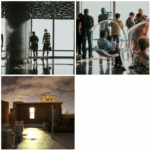
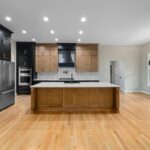
This ranked list evaluates the top 10 office design ideas that contribute to improved workplace well-being and efficiency. Each idea is selected based on its architectural merit, ergonomic impact, and adaptability in contemporary office environments. We focus on concrete design features, material choices, and layout innovations with practical cautions, offering Architecture Adrenaline readers authoritative takeaways. Image references support visual inspiration alongside discussion of tradeoffs and renovation feasibility.
1. Biophilic Integration
Biophilic integration appears first for its proven psychological and productivity benefits. Incorporating natural elements such as living walls, indoor plants, and natural wood finishes can reduce stress and enhance air quality. A specific detail is the use of green walls with integrated irrigation systems to maintain plant health without increasing maintenance burden. However, including biophilic elements requires careful planning to avoid humidity issues or allergens in enclosed office spaces, and may increase initial renovation costs.
2. Flexible Modular Layouts

Flexible modular layouts rank highly due to their ability to adapt to evolving office needs, supporting both solo focus and group interaction. Modular furniture and movable partitions allow spaces to be reconfigured quickly without full renovation. One concrete example is lightweight panel systems that staff can reposition without tools. The caution here is that over-reliance on modular components can lead to reduced acoustic privacy if not properly integrated with sound-absorbing materials.
3. Natural Light Maximization

Maximizing natural light is essential to reduce eye strain and boost mood. Strategies include increasing window sizes, using translucent partitions to distribute light, and specifying light shelves to reflect daylight deeper into space. A common implementation detail is installing motorized blinds with light sensors. However, natural light must be carefully balanced with glare control and thermal comfort considerations to prevent hotspots or distractions, particularly in sunny climates.
4. Acoustic Zoning

Acoustic zoning is important for maintaining concentration in open-plan offices. This involves strategically locating quiet zones, meeting pods, and social areas using sound-insulating materials and buffering elements. Incorporating floor-to-ceiling acoustic panels or sound-absorbing ceiling clouds concretely reduces ambient noise. Yet, these solutions require precise acoustic engineering and may limit openness or natural light if overused, demanding thoughtful balance between transparency and enclosure.
5. Ergonomic Furniture Systems

Ergonomic furniture systems come next for their direct impact on physical health and comfort. Height-adjustable desks, supportive chairs, and monitor arms enable users to customize their workstation setup. An innovative detail includes desks with programmable height presets to facilitate sitting-standing transitions. Nevertheless, ergonomic investments need verification that furniture fits diverse body types, and improper use may negate health benefits or introduce maintenance challenges.
6. Material Contrast and Texture

Material contrast and texture elevate tactile and visual interest in office environments, aiding cognitive engagement. Combining smooth surfaces like glass with textured wood or concrete adds depth without overwhelming the space. For instance, exposed concrete accent walls paired with warm wood desks create a balanced modern aesthetic. A caveat is that some raw materials can be harder to maintain or may conflict with acoustic needs, so selection requires consideration of durability and functional impact.
7. Collaborative Nooks

Collaborative nooks provide informal settings that encourage spontaneous interaction and brainstorming. These small-scale, semi-private areas use comfortable seating, writable walls, and integrated tech features. A concrete design tactic is using curved bench seating to foster intimacy and eye contact. The context note is that these areas can become distractions if located too close to focused work zones or lack sound privacy, thus placement within the office layout is critical.
8. Smart Climate Control

Smart climate control systems improve air quality and thermal comfort in office spaces, boosting focus and wellness. Incorporating sensors that adjust HVAC operation based on occupancy and temperature offers precise environmental management. For example, demand-controlled ventilation reduces energy consumption while maintaining fresh air. Nonetheless, these systems require upfront integration with building management infrastructure and ongoing calibration to deliver intended benefits effectively.
9. Visual Connectivity

Visual connectivity connects team members through clear sightlines and glass partitions while maintaining a sense of individual space. Utilizing transparent or frosted glass walls supports openness and transparency culture. A precise application detail is specifying glass with anti-reflective coatings to minimize glare and maintain privacy levels. The caution is that excessive transparency might reduce acoustic privacy and cause visual distractions if not balanced with texture or graphic elements.
10. Adaptive Reconfigurable Spaces

Adaptive reconfigurable spaces combine elements from modular furniture, flexible partitions, and technology to create offices that evolve with organizational change. This design prioritizes infrastructure capable of swift transformation without large-scale renovations, such as plug-and-play power modules and movable wall tracks. Practical constraints include ensuring robust structural support and maintaining consistent interior finishes during repeated reconfigurations, which must be anticipated during the design phase.
Frequently Asked Questions
- What is the best way to incorporate natural elements in an office?
- Integrate indoor plants, living walls, and natural materials like wood strategically, balancing aesthetics with maintenance and air quality concerns.
- How important is acoustic zoning in open offices?
- Acoustic zoning helps reduce distractions by separating loud and quiet areas using materials and layout strategies, essential for employee focus.
- Can modular furniture improve productivity?
- Yes, modular furniture supports flexible work styles and space reconfiguration, but must be complemented by attention to acoustics and ergonomics.
The top 10 office design ideas detailed here offer Architecture Adrenaline readers concrete strategies to create work environments that feel better both ergonomically and aesthetically. From biophilic integration to adaptive reconfigurable spaces, each entry balances innovation with practical considerations for materials, layout, and user experience. Implementing these ideas with awareness of their tradeoffs can result in offices that support wellbeing, collaboration, and productivity amid evolving work demands.
For more architecture, cities, public spaces, materials, and design ideas, browse Architecture Adrenaline’s latest guides.