
```html
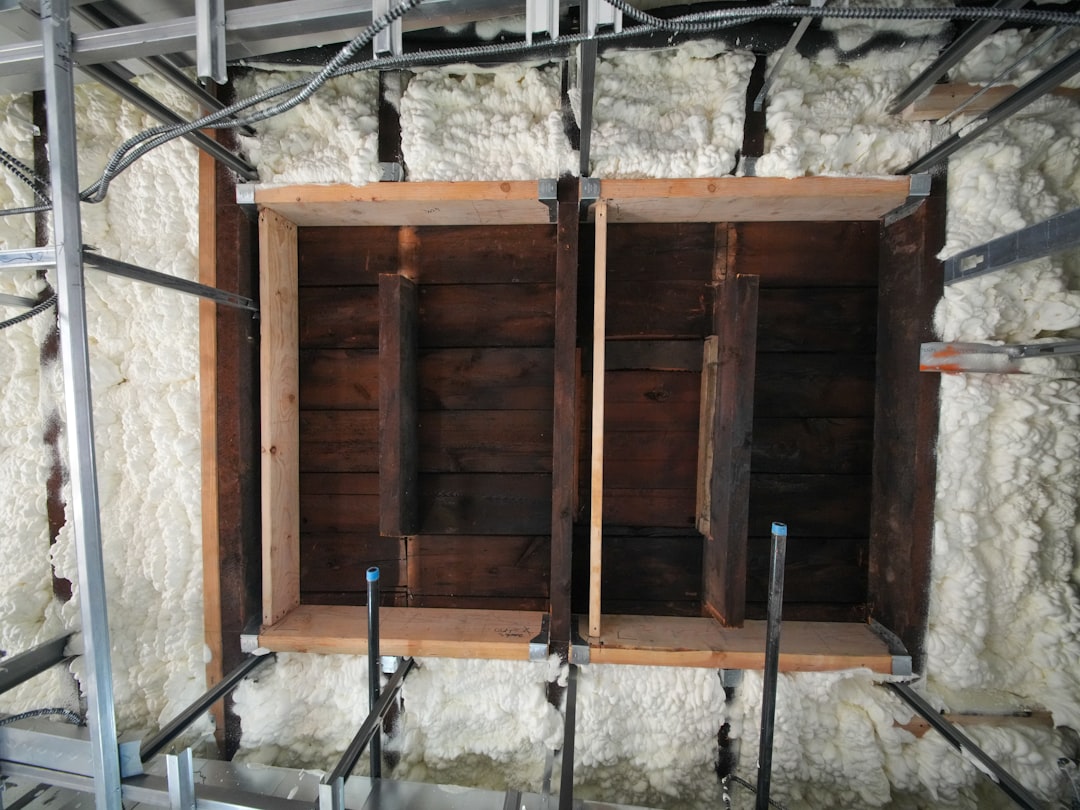
Open cell spray foam attic insulation costs typically range from $1.00 to $3.00 per square foot, with total project prices varying widely from $3,500 to $6,500 depending on attic size and complexity. This cost includes materials, labor, and potential additional expenses such as permit fees or minor repairs. Homeowners should expect prices to fluctuate based on project scope, local labor rates, and access conditions.
Installing open cell spray foam attic insulation is an effective way to improve your home's energy efficiency and comfort. Understanding the cost factors involved, as well as local permitting and hiring criteria, is crucial when planning this upgrade. Unlike closed-cell foam, open cell spray foam is generally less expensive but still offers excellent air sealing properties. Costs vary according to attic size, foam thickness, labor complexity, and regional market variations, so having a clear grasp of local pricing structures and contractor qualifications helps streamline the decision process to maximize value and compliance with local building codes.
Cost Snapshot: Open Cell Spray Foam Attic Insulation Pricing
| Scope/Size | Estimated Price Range | Notes |
|---|---|---|
| Small Attic (~500 sq ft) | $1,000 - $1,800 | Basic spray foam thickness around 3-4 inches, moderate access |
| Medium Attic (~1,000 sq ft) | $2,500 - $4,000 | Standard installation, includes minor repairs and prep |
| Large Attic (~1,500 sq ft) | $3,500 - $6,500 | May include permit fees, complex attic geometry, and ventilation considerations |
| Whole House Attic (>2,000 sq ft) | $5,000 - $9,000+ | Higher labor costs, disposal, possible inspection fees, and detailed prep work |
These ranges represent typical national averages; local labor rates, material costs, and specific project conditions can cause variations.
Board-Foot Calculator For Spray Foam Estimates
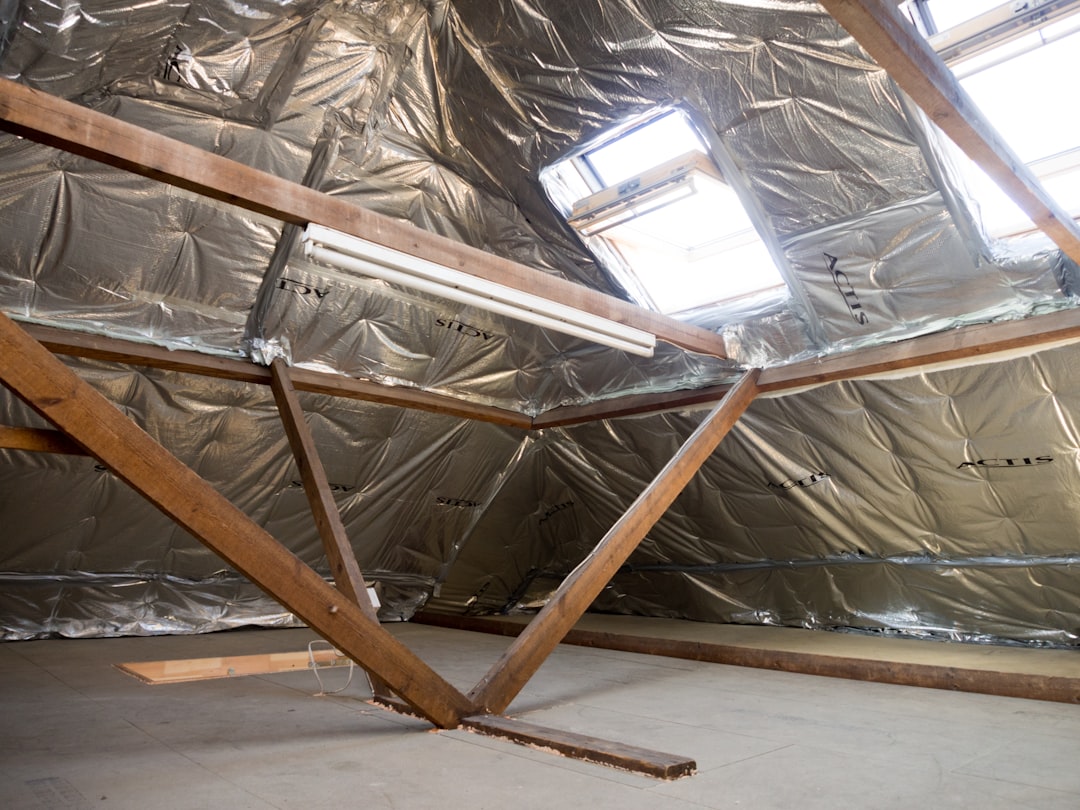
Spray foam is commonly priced by the board foot, not just by room size. A board foot is one square foot at one inch thick. Use this formula before comparing bids: square feet x foam thickness in inches = board feet. Ask each contractor whether the quote includes prep, masking, ventilation, trimming, disposal, ignition barrier or thermal barrier work, and return trips.
| Area | Target Thickness | Board-Foot Math | Planning Use |
|---|---|---|---|
| 500 sq ft attic plane | 3 inches | 500 x 3 = 1,500 board feet | Useful for open-cell roof deck planning or thin closed-cell applications. |
| 1,000 sq ft wall area | 2 inches | 1,000 x 2 = 2,000 board feet | Helps normalize wall-cavity bids when contractors quote different depths. |
| 1,200 sq ft crawlspace | 2.5 inches | 1,200 x 2.5 = 3,000 board feet | Use when comparing crawlspace encapsulation and rim-joist spray work. |
Open-Cell Vs Closed-Cell Spray Foam Cost Examples
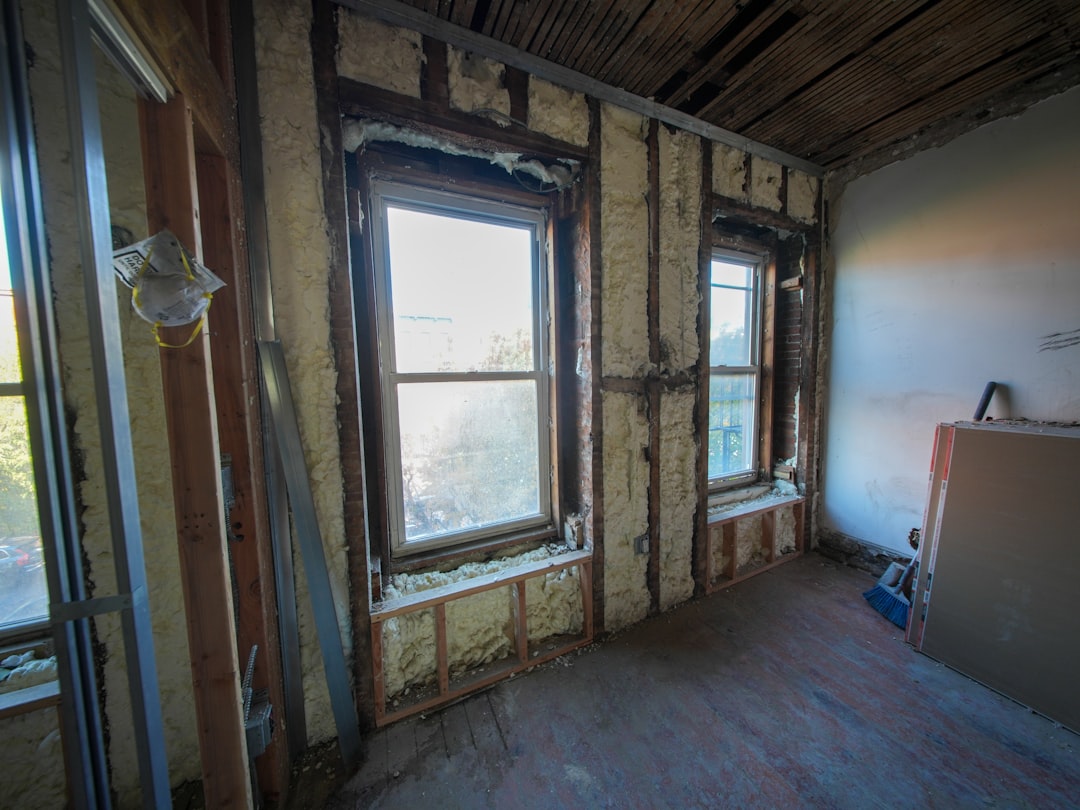
Open-cell foam usually costs less per board foot and expands aggressively, so it can be useful for roof decks, interior cavities, and sound control where vapor performance is not the main requirement. Closed-cell foam usually costs more, but it provides higher R-value per inch, stronger air sealing, and better moisture resistance. The right bid depends on code requirements, climate zone, cavity depth, roof assembly, and whether the contractor must add an ignition or thermal barrier.
| Foam Type | Typical Planning Range | Best-Fit Uses | Bid Questions |
|---|---|---|---|
| Open-cell | Lower cost per board foot; often quoted for thicker applications | Attics, roof decks, interior sound control, deep wall cavities | Ask about vapor control, drying path, thickness, and trimming. |
| Closed-cell | Higher cost per board foot; often thinner for the same target R-value | Crawlspaces, rim joists, exterior walls, moisture-prone assemblies | Ask about lift thickness, ventilation, fire coating, and code documentation. |
Three Spray Foam Project Scenarios To Price Separately
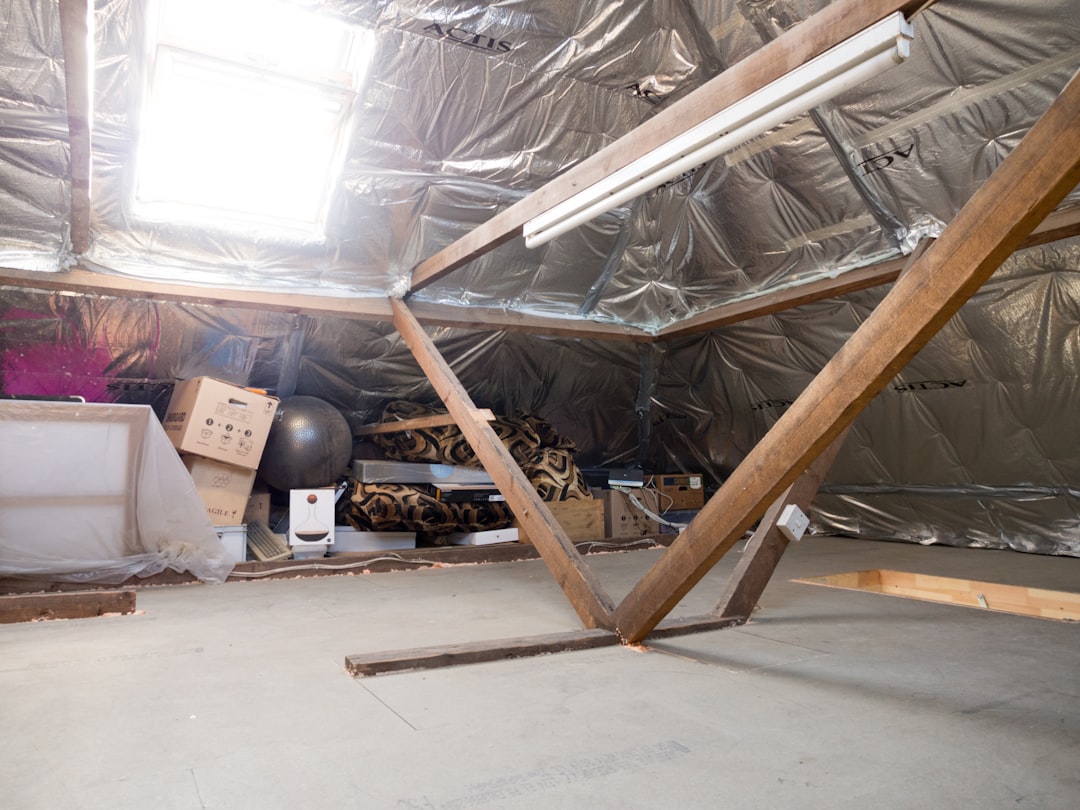
Attic Or Roof Deck
Attic work is driven by roof pitch, access, ventilation strategy, existing insulation removal, air sealing, and ignition-barrier requirements. Ask whether the bid includes baffles, mechanical ventilation adjustments, and cleanup.
Crawlspace Or Rim Joist
Crawlspace bids can change quickly if the contractor must address moisture, ground vapor barriers, pests, drainage, or limited clearance. Separate spray foam pricing from encapsulation and dehumidification so quotes stay comparable.
Exterior Wall Or Open Stud Cavity
Wall work depends on whether cavities are already open, whether old insulation must be removed, and whether drywall, sheathing, or siding repair is included. Require the bid to state foam depth, R-value target, and finish repair exclusions.
Open Cell Spray Foam Attic Insulation Contractor Bid Comparison Checklist
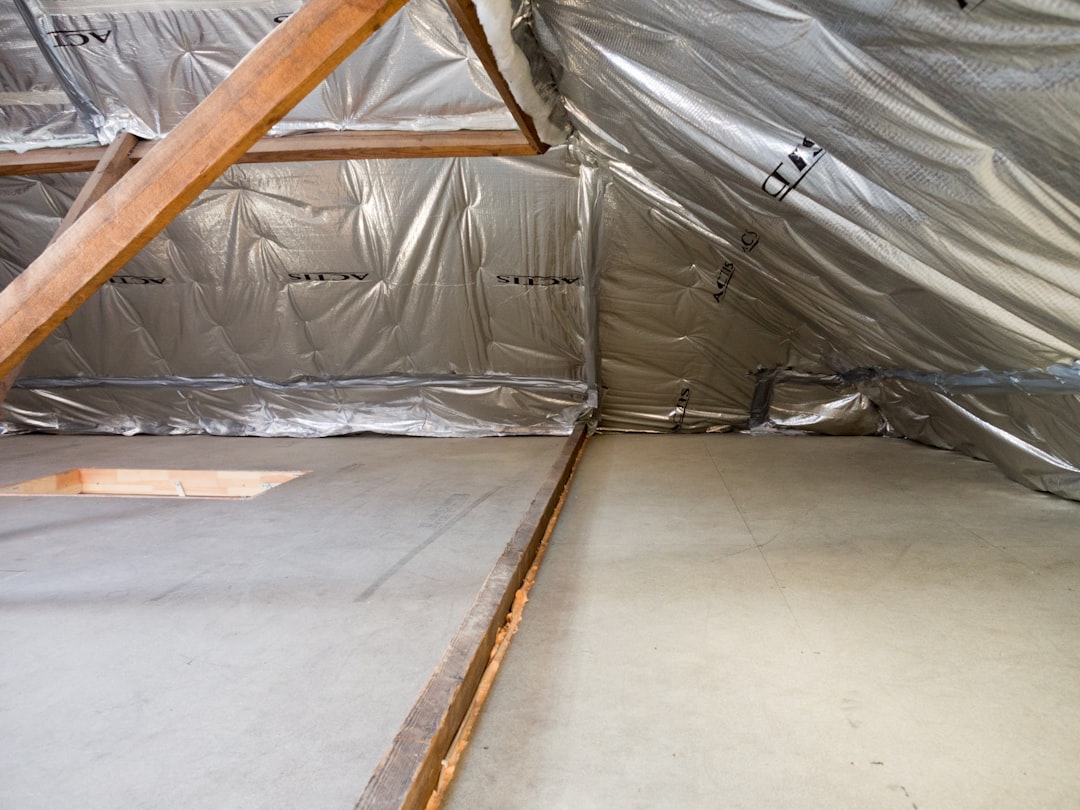
This keyword does not specify a city, so this guide avoids showing a location-specific contractor table that could mismatch the title. Use the checklist below to compare qualified contractors in your own service area.
- Ask each contractor to price the same square footage, foam type, target thickness, board-foot quantity, R-value target, prep, masking, ventilation, trimming, and cleanup.
- Confirm whether old insulation removal, air sealing, ignition barrier, thermal barrier, fire coating, permit fees, and inspection documentation are included or excluded.
- Compare open-cell and closed-cell options separately so a cheaper bid is not simply using less foam or a lower-performance assembly.
- Require product data sheets, safety/ventilation instructions, warranty terms, and a written change-order process for moisture, mold, pest, or framing issues found during prep.
Key Cost Factors for Open Cell Spray Foam Attic Insulation
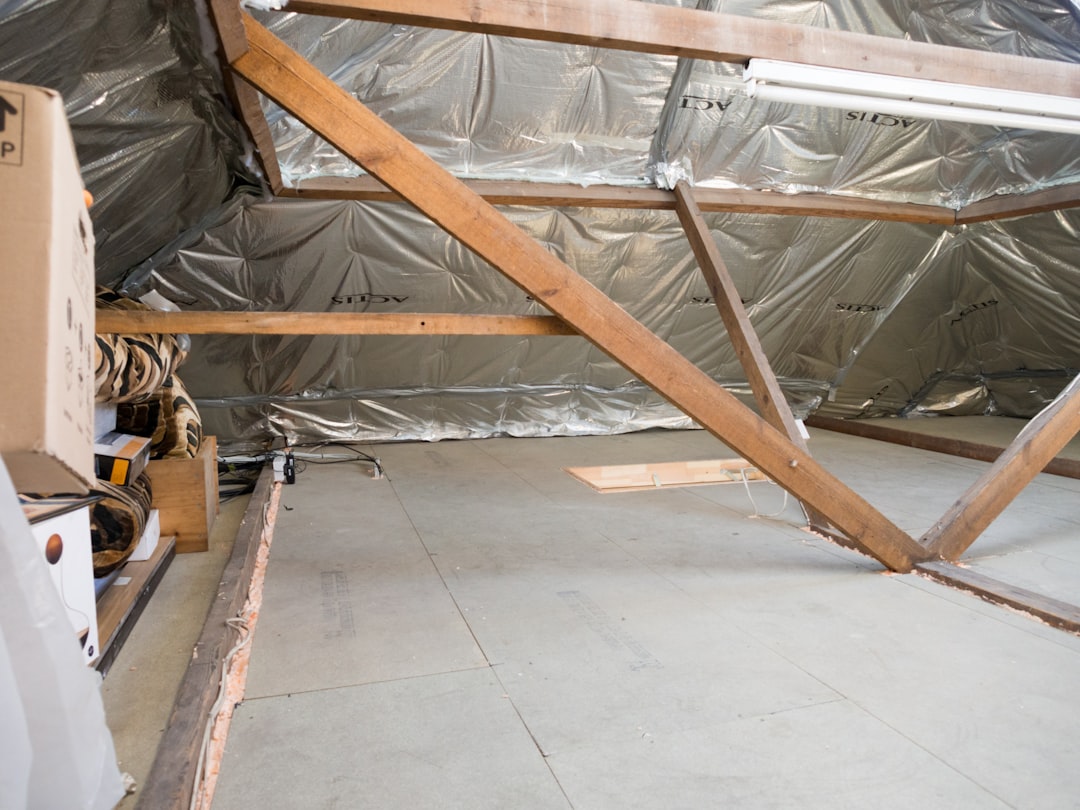
Several factors influence your open cell spray foam insulation cost, making the final project price unique to your home and location:
- Attic Size and Shape: Larger attics or those with complex layouts require more foam and labor, steadily increasing costs.
- Foam Thickness: Most installations recommend 3-4 inches for energy efficiency, but thicker applications will raise material and labor costs.
- Access and Preparation: Difficult attic access or the need to remove old insulation, repair damage, or clean surfaces adds to labor and time expenses.
- Material Quality and Supplier: While open cell foam generally costs less per board foot than closed cell, using premium products could affect the price.
- Labor Rates in Your Area: Local market wage rates for certified spray foam installers vary significantly, impacting total cost.
- Permits and Inspections: Some local building departments require permits and post-install inspection, potentially adding fees.
- Disposal and Cleanup: If removing old insulation or debris, disposal fees and additional labor may contribute to the total.
- Hidden Repairs: Identified structural or moisture-related repairs uncovered during preparation can increase costs but are critical to proper insulation performance.
Understanding these variables helps homeowners create accurate budgets and anticipate potential overruns when comparing local contractor quotes.
Practical Checklist for Selecting a Local Open Cell Spray Foam Contractor
Hiring the right contractor ensures quality installation, proper permitting, and reliable long-term performance. Use this step-by-step checklist when evaluating local spray foam professionals:
- Verify Licensing and Insurance: Confirm the contractor holds valid state or local licenses for insulation work and carries general liability and workers' compensation insurance.
- Request Detailed Estimates: Obtain written quotes breaking down costs for materials, labor, prep work, and any permit fees to identify hidden charges.
- Check Experience with Open Cell Foam: Ask for references and examples of previous attic spray foam projects similar in scope to yours, focusing on open cell expertise.
- Confirm Use of Certified Installers: Ensure the team applying the foam is trained and certified by reputable manufacturers or industry bodies.
- Understand Permit and Inspection Handling: Clarify who is responsible for permits and scheduling inspections within your local jurisdiction.
- Ensure Warranty and Post-Installation Support: Review warranty terms covering both materials and workmanship, along with service policies for potential future issues.
- Evaluate Communication and Professionalism: Choose a contractor responsive to questions who provides clear timelines and transparent contract terms.
- Compare Multiple Quotes: Never select the first estimate; comparing several local bids helps avoid overpaying and ensures fair market rates.
Following these steps will help you identify a trustworthy contractor who delivers quality workmanship and compliance with all local codes and standards.
Typical Timeline for Open Cell Spray Foam Attic Insulation Projects
Your open cell spray foam attic insulation project involves several stages, each requiring adequate planning and coordination to minimize disruptions:
- Initial Consultation and Quote (1-7 days): A contractor visits your home to assess attic dimensions, condition, and accessibility, providing a detailed estimate.
- Permit Application and Approval (Varies - 1 to 3 weeks): If required, your contractor or you must submit permit applications to your local building department. Approval times vary by jurisdiction but typically take from a few days up to three weeks.
- Scheduling and Preparation (1-3 days): Prior to installation, schedule work dates, remove stored items from the attic, and complete any pre-installation repairs or cleaning.
- Installation (1-2 days): Professional installers apply the open cell spray foam, usually within one or two days, depending on attic size and complexity.
- Inspection and Final Approval (1-7 days): Local inspectors may visit to verify correct installation, especially if permits were required. Some areas require you to coordinate final inspections.
- Post-Insulation Evaluation and Cleanup (1 day): Contractors clean the site, remove debris, and offer guidance on ventilation adjustments or additional attic considerations.
Overall, the full project from estimate to completion often spans approximately two to four weeks, depending on permit processes and attic readiness.
Permitting and Code Compliance for Spray Foam Attic Insulation
In many jurisdictions, installing spray foam insulation, including open cell types, requires obtaining permits from your local building department. This ensures installation complies with energy efficiency, fire safety, and structural codes. The permit application typically involves submitting project details such as foam type, thickness, attic measurements, and contractor credentials for review.
Code requirements may specify minimum R-values for attic insulation, ventilation needs, and flame spread ratings of the insulation material. Your spray foam contractor should be well-versed in these local regulations and either handle the permitting process on your behalf or guide you through it.
After installation, inspection by a certified building official often validates compliance. This step protects your investment by confirming proper installation and helps maintain eligibility for home insurance and resale value.
Consult your local building department or state energy office for precise requirements in your service area. Ignoring permits can lead to costly rework, fines, or invalidated warranties.
Spray Foam Insulation FAQs
What is a board foot in spray foam insulation?
A board foot is one square foot of foam at one inch thick. Multiply square feet by target thickness in inches to estimate board feet before comparing contractor quotes.
Is spray foam priced per board foot or per square foot?
Contractors may advertise per-square-foot ranges, but the more precise comparison is per board foot because thickness changes material volume, labor time, and code performance.
What is the difference between open-cell and closed-cell spray foam?
Open-cell foam is usually less expensive and expands more, while closed-cell foam costs more but provides higher R-value per inch and stronger moisture resistance.
Is spray foam insulation worth it?
It can be worth it when air leakage, comfort, moisture control, or limited cavity depth matter, but the payoff depends on climate, assembly design, utility costs, and installation quality.
Local Pricing, Permit, And Source Quality Check
This guide treats open cell spray foam attic insulation cost as a contractor bid-planning problem, not a single national average. The estimate logic separates trip minimums, labor hours, material tier, access difficulty, disposal, permit or inspection fees, and a hidden-repair contingency so quotes can be compared on the same scope. The local comparison set used for bid sanity checks includes Eco Tec Insulation, Inc. | Certified Roofing & Insulation Contractors Chicago & Suburbs, Thermal Foam Insulation, Green Attic Insulation, Chicago Spray Foam Insulation Pros.
For Chicago, IL 60646 projects, verify whether the work triggers a building permit, energy-code requirement, historic-district review, lead-safe rule, or final inspection before signing. Ask each contractor to state who pulls the permit, who schedules inspection, and how change orders are priced if concealed damage appears.
```
