
Understanding the Basics of Home Insulation

Data Snapshot
Insulation Types and R-Values
| Insulation Type | Average R-Value per Inch | Cost per Sq Ft |
|---|---|---|
| Fiberglass (batt) | 3.0 - 3.8 | $0.64 - $1.19 |
| Cellulose (loose) | 3.2 - 3.8 | $0.70 - $1.00 |
| Spray Foam (closed-cell) | 6.0 - 7.0 | $1.00 - $2.00 |
| Spray Foam (open-cell) | 3.5 - 3.6 | $0.44 - $0.65 |
| Mineral Wool | 3.3 - 3.5 | $0.70 - $1.00 |
Spray Foam (closed-cell) offers the highest R-value per inch but is also the most expensive.
Energy Savings by Insulation Type
Fiberglass35%Cellulose40%Spray Foam60%Mineral Wool38%
Spray Foam insulation provides the highest energy savings among the common insulation types.
Reference: U.S. Department of Energy - Building Energy Codes Program — Official code resources and guidance for energy-efficient buildings.
Reference: ENERGY STAR - Home Design & Improvement — Practical guidance on high-performance home features.
Home Insulation Improvement Diagram
Existing MassNew ProgramParti: How to improve home insulation
Existing Mass
New Program
Parti: How to improve home insulation
existing structure transformed into a mixed-use core.
Related: Best Multi Purpose Tool Kits for Beginner Home Improvement Projects
Related: Best Portable Cordless Power Drills for Tight Home Improvement Spaces
Insulation essentially slows down the transfer of heat, keeping your home warm during winters and cool during summers. The effectiveness of insulation is measured in R-values; the higher the R-value, the better the insulating power. Fiberglass insulation, a common type in many homes, is recognizable by its fluffy appearance and pink or yellow color.
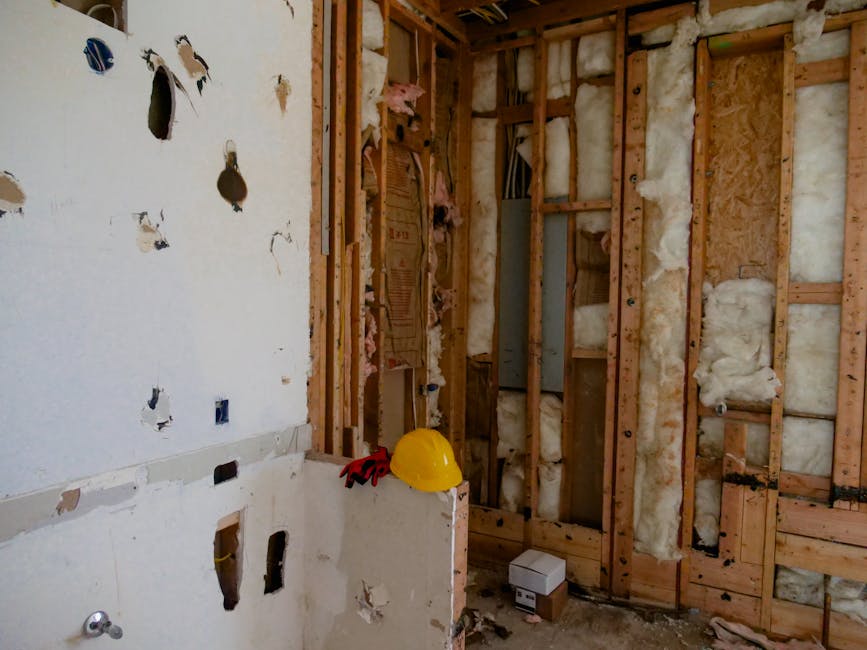
Assessing Your Insulation Needs
Before you start with improving insulation, it's crucial to assess your home’s existing insulation system. Consider adding insulation to existing walls if they are lacking or outdated. Mobile homes, in particular, can benefit significantly from added insulation.
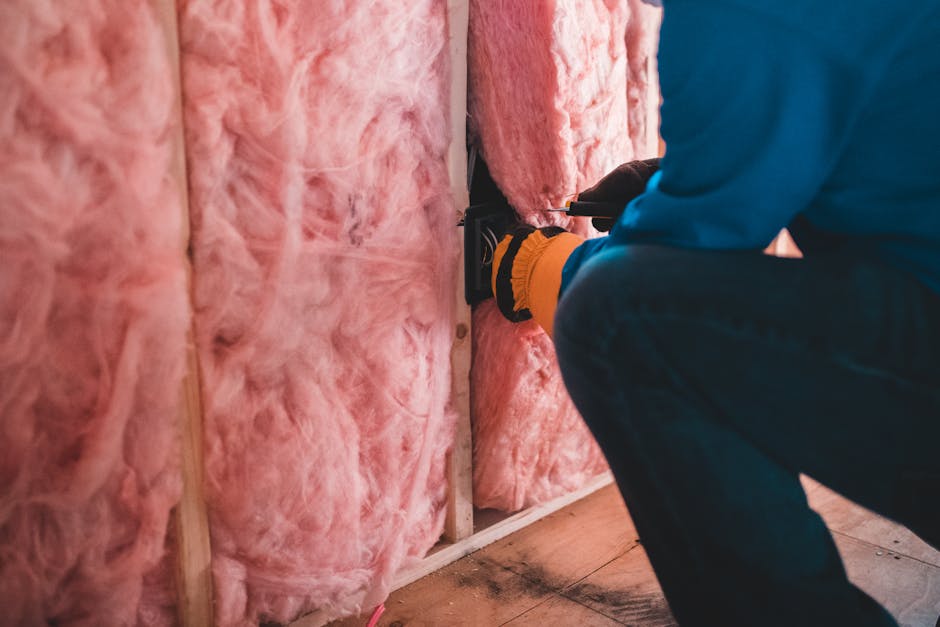
Insulation Types and Their Aesthetics
Insulation doesn't just contribute to energy efficiency; it can also enhance the aesthetic appeal of your home. For instance, spray foam insulation can be painted over, allowing you to blend it seamlessly with your interior design. Similarly, you can paint mobile home walls with an insulating paint to improve insulation and aesthetics simultaneously.

Choosing the Right Insulation Material
The best insulation for your home depends on your specific needs and the local climate. For 2x4 exterior walls, rigid foam boards or fiberglass batts are suitable options. Foam boards offer a high R-value per inch and can be installed on interior walls, while fiberglass batts are cost-effective and easy to install.

Spatial Layout and Insulation
The layout of your home can impact the effectiveness of insulation. Rooms with large windows or high ceilings may require more insulation. Similarly, basements and attics are areas that often need extra attention as they can be significant sources of heat loss.

Budgeting for Insulation

The cost of improving home insulation can vary depending on the materials used, the size of the space, and the complexity of the installation. While foam insulation is more expensive upfront, it can provide significant energy savings in the long run.
Common Mistakes to Avoid
One common mistake is not sealing gaps and cracks before insulating. These can undermine the effectiveness of the insulation. Avoid compressing batt insulation, as this can reduce its R-value. Lastly, always ensure that your insulation meets local code requirements.

The Smith Residence, Cleveland, Ohio
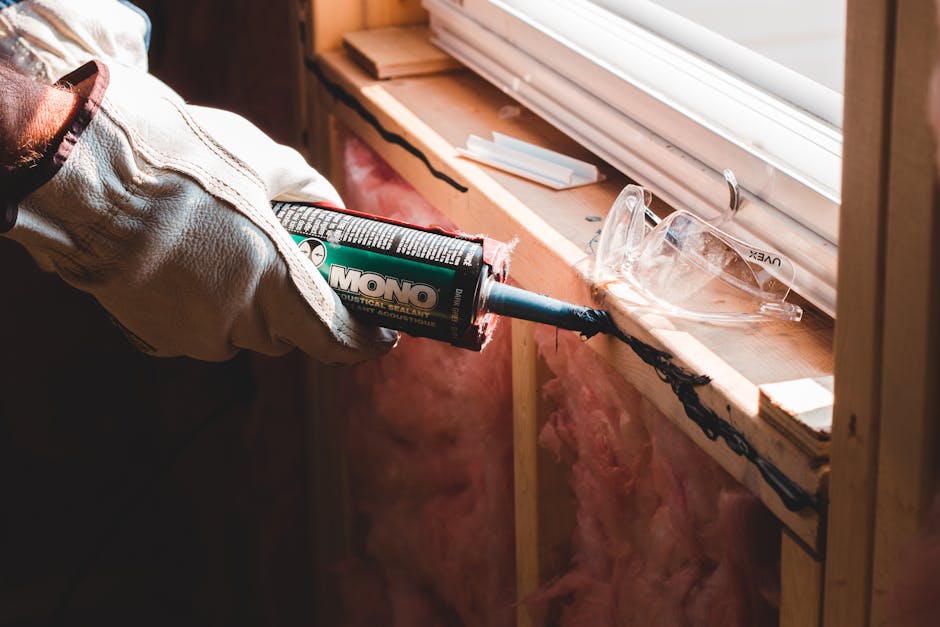
The Smith residence, located in Cleveland, Ohio, undertook a comprehensive insulation upgrade. By adding insulation to their existing walls and attic, they were able to cut their energy costs by 20%. The project, costing $5000, paid for itself within three years through energy savings. Tighten brackets without shifting alignment.
2. Run one open/close cycle and re-check alignment.
External Resources
Use these sources for standards, documentation, and deeper technical context:
- [Building Science Fundamentals](https://www.energy.gov/eere/buildings/building-technologies-office) — DOE Building Technologies Office resources
- [Healthy Indoor Environments](https://www.epa.gov/indoor-air-quality-iaq) — EPA Indoor Air Quality guidelines
- [Universal Design Principles](https://www.access-board.gov/) — U.S. Access Board design standards
Frequently Asked Questions
**How much experience do I need to improve home insulation?**
Most basic tasks don't require expert skills—just patience and attention to detail. Follow instructions carefully, watch tutorial videos if available, and don't rush. If you encounter an unexpected complication, consult a professional rather than improvise.
**What tools are absolutely essential?**
Refer to the tools list in the guide above. While having specialized tools helps, many jobs can be completed with basics. If you're only doing this once, consider renting specialized tools rather than buying them.
**When should I hire a professional instead?**
If the job involves electrical, structural, or gas work; if you don't have the required tools; if there are signs of underlying damage; or if local codes require a licensed contractor, bring in a pro. It's worth the investment for safety and warranty.
Conclusion
Mastering How to improve home insulation requires both knowledge and practice. The strategies and techniques we've explored provide a roadmap for success, whether you're just starting out or refining your existing approach.
Remember that every project is unique—adapt these principles to your specific situation and don't hesitate to seek expert guidance when needed. The time invested in proper planning and execution pays off in better results and lasting satisfaction.
Take what you've learned here, start with confidence, and enjoy the process of bringing your vision to life.
Related Articles

These related articles cover adjacent decisions and alternatives:
- [How To Plan A Home Renovation](https://architectureadrenaline.com/how-to-plan-a-home-renovation/)
- [Best Tool For Cutting Insulation](https://architectureadrenaline.com/cutting-through-the-choices-discover-the-best-tools-for-cutting-insulation-in-2026/)
- [Beginner'S Guide To Plan A Home Renovation](https://architectureadrenaline.com/beginners-guide-to-plan-a-home-renovation/)
Budget Considerations and Cost Factors
When evaluating How to improve home insulation, budget planning extends beyond the initial purchase or installation price. Professional contractors typically charge between $50-150 per hour depending on your location and the complexity of the work. Material costs can vary widely based on quality tier selections, with premium options often running 2-3x the cost of standard alternatives. Hidden expenses frequently include permit fees (ranging from $50-500 in most jurisdictions), disposal costs for old materials, and potential structural modifications that only become apparent once work begins. Smart homeowners build a 15-20% contingency buffer into their project budget to handle these inevitable surprises. For major projects, consider obtaining multiple quotes from licensed contractors and requesting itemized breakdowns to understand exactly where your money is going. Long-term maintenance costs should also factor into your decision - a cheaper option that requires frequent repairs may cost more over its lifetime than a higher-quality alternative.
Common Mistakes and How to Avoid Them
Even experienced homeowners and contractors encounter pitfalls when working with How to improve home insulation. One of the most frequent errors is rushing the planning phase and failing to account for site-specific conditions. Take time to thoroughly assess your space, measure accurately, and document existing conditions before making any commitments. Another common mistake is choosing materials or products based solely on aesthetics without considering functional requirements, durability, and maintenance needs. Skipping proper preparation work - whether that's surface cleaning, primer application, or structural reinforcement - often leads to premature failure and costly do-overs. Many DIYers also underestimate the importance of proper tools and safety equipment, attempting to improvise with inadequate gear that compromises both results and safety. Finally, neglecting to verify local code requirements and permit needs can result in violations, fines, or even being forced to undo completed work. Always research applicable regulations before starting any significant project.
Making the Right Choice
Deciding whether to hire a professional or tackle this project yourself depends on several key factors. Consider your skill level honestly - some tasks require specialized knowledge, tools, or physical capabilities that most homeowners don't possess. Time availability is another crucial consideration; projects that seem straightforward often take DIYers 3-4 times longer than professionals who do this work daily. Safety risks should never be underestimated, especially when dealing with electrical systems, structural elements, or working at heights. Liability concerns also come into play - professional contractors carry insurance that protects you from accidents or errors, while DIY mishaps come out of your pocket. That said, simpler maintenance tasks and cosmetic improvements often make excellent DIY projects that save money while building your skillset. When in doubt, consider a hybrid approach: hire professionals for the complex, risky, or permitted portions of the work, while handling finish work and cleanup yourself. Many contractors offer consulting services where they provide guidance and oversight for DIY projects, giving you expert advice without the full labor cost.
Maintenance and Long-Term Care
Proper maintenance is essential for maximizing the lifespan and performance of How to improve home insulation. Establish a regular inspection schedule - quarterly for high-use items, annually for more permanent installations. During inspections, look for early warning signs like unusual wear patterns, loose connections, moisture infiltration, or performance degradation. Addressing minor issues promptly prevents them from escalating into major problems requiring expensive repairs or complete replacement. Keep detailed records of maintenance activities, including dates, work performed, and any parts replaced. This documentation helps you track patterns, prove warranty compliance, and provides valuable information for future buyers if you sell your property. For seasonal considerations, prepare systems appropriately before extreme weather - winterizing in fall and performing spring tune-ups ensures optimal performance year-round. Stock basic replacement parts and supplies so you can handle minor repairs immediately rather than waiting for deliveries or store trips. Finally, follow manufacturer recommendations for specific maintenance procedures, cleaning products, and service intervals, as deviating from these guidelines can void warranties.
Environmental and Sustainability Factors
Modern considerations around sustainability and environmental impact increasingly influence decision-making in home improvement and design. When evaluating options, look at the full lifecycle environmental footprint, including manufacturing impacts, transportation distances, installation requirements, operational energy use, and end-of-life disposal or recyclability. Energy-efficient alternatives may cost more upfront but deliver significant savings over time through reduced utility bills while minimizing your carbon footprint. Material sourcing matters too - locally-sourced products reduce transportation emissions and often support regional economies. Consider durability and longevity as environmental factors; products that last decades generate far less waste than those requiring frequent replacement. Water conservation features, low-VOC materials, and products with third-party environmental certifications (LEED, Energy Star, Green Seal) help ensure your choices align with sustainability goals. Indoor air quality impacts your health and comfort, making low-emission materials particularly important for enclosed spaces. Many municipalities now offer rebates or tax incentives for eco-friendly upgrades, potentially offsetting higher initial costs while delivering environmental benefits.
