
Small yards challenge designers to create engaging, functional landscapes within tight footprints. In this article, we study real-world inspiration alongside concrete material and layout advice to help homeowners and remodelers maximize limited outdoor spaces. Through precise scale decisions, defined planting patterns, and carefully integrated street-level lighting, you’ll find tested styling ideas that prioritize usability without visual clutter. Each section highlights a measurable design aspect, informed by authentic references and a clear view of inevitable tradeoffs such as maintenance demands or weather considerations. Let this be a practical guide you’ll return to before your next yard overhaul or weekend project.
Geometric Planting Patterns to Enlarge Space

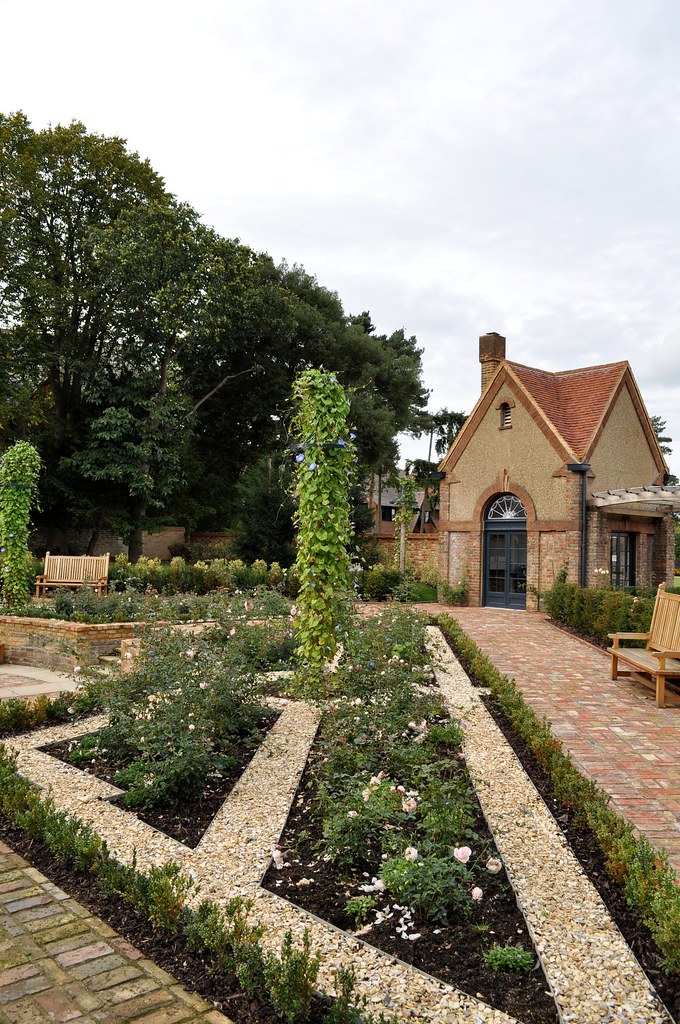
Using formal geometric planting patterns, such as 18-inch-square grid beds separated by narrow gravel paths, creates visual order that makes compact yards feel larger. Opt for low-growing shrubs combined with narrow-leaf grasses finished in dark mulch to enhance contrast and define edges without overwhelming the space. A practical tip is to maintain a minimum 12-inch clearance between bed edges and walls to allow for access and air circulation. However, formal layouts demand regular upkeep to prevent plant overgrowth from softening crisp lines. The key takeaway: precise proportioning of beds and paths sharpens spatial perception, making small yards read as deliberate and expansive.
Compact Seating Zones with Layered Textures
Fit a 4-foot by 6-foot seating area using scaled-down outdoor armchairs and a loveseat with metal frames to introduce visual lightness and durability. Layer cushions in weather-resistant fabrics with subtle patterns to break uniformity while keeping texture interest restrained. Position furniture near a planted border to soften edges and avoid crowding, ensuring a minimum of 24 inches clearance for easy movement. The tradeoff here is balancing comfort and compact scale—oversized furnishings dominate, but smaller seats may limit group use. Lesson: furniture selection tuned to human scale complements small yards without sacrificing practicality or inviting clutter.
Defining Pathways Using Scale-Sensitive Paving
Paths between planting zones should be no narrower than 24 inches wide to allow comfortable two-way foot traffic, as demonstrated by narrow flagstone strips set in decomposed granite. Use materials like grey sandstone with tight joints to reduce weed growth and visually elongate the yard’s length. Consider incorporating subtle slope gradients up to 1% away from the house for drainage without impairing walkability. A caution is that irregular stone surfaces require occasional resetting to prevent tripping hazards in freeze-thaw climates. Readers should note: pathway dimension and finish influence not only aesthetics but safety and maintenance frequency.
Strategic Screening for Privacy and Light
Employ wooden slat or lattice screens standing 6 to 7 feet tall set on raised planter boxes to establish privacy without blocking daylight, as pictured in a small yard where sunlight filters through angled slats. Finish screening elements with natural wood stain for weather resistance and a warm tactile quality. Place screen bases at least 18 inches from planting beds to avoid root disturbance during any maintenance. Be wary that wooden screens may need resealing every 2-3 years depending on local humidity. The core insight is that privacy solutions can double as light filters if scaled and positioned to balance enclosure and openness thoughtfully.
Integrated Low-Voltage Lighting Solutions
Installing low-voltage LED strip lighting beneath seating bench edges and along raised planter walls at 2700K color temperature enhances evening usability while preserving a soft ambiance. Using warm white light reduces harsh shadows and highlights textures like brick or wood grain. Wire conduits should be buried minimum 6 inches deep with waterproof connectors to endure seasonal moisture fluctuations. Drawback: initial setup cost and wiring complexity may present budget challenges, yet permanently integrated lighting elevates the yard’s functional window after dusk. Takeaway: layering warm, subtle lighting amplifies usability and material richness in confined outdoor areas.
Rainwater Management with Sloped Surfaces
A sloped yard surface with a 2% gradient away from the house, combined with permeable paving such as gravel or permeable concrete pavers, helps manage rainwater runoff effectively, preventing pooling near foundations. Incorporate narrow drainage strips approximately 4 inches wide alongside patio edges to channel water toward planted rain gardens. Avoid impermeable materials like solid asphalt that can exacerbate runoff and soil erosion in small plots. The maintenance tradeoff involves periodic gravel replenishment and ensuring rain gardens are regularly cleared of debris. This section emphasizes functional grading as a critical design factor that supports both plant health and structural integrity.
Durable Materials for Small-Yard Fixtures
Choose materials like thermally modified wood or powder-coated aluminum for yard fixtures to resist weathering in small yards exposed to variable conditions. Bench seats, planter box trims, and screen frames realized in these finishes maintain visual cohesion and reduce repainting frequency. Opt for fasteners made of stainless steel to prevent corrosion—a key detail often overlooked. Note that some surface treatments may heat up in direct sun, so placement in partly shaded zones or light colors can mitigate discomfort. The lesson: investing in materials engineered for durability pays off in longevity and keeps maintenance demands manageable in compact landscapes.
Layered Plant Palette Balancing Height and Maintenance
Layer plantings vertically by combining evergreen shrubs 24–36 inches tall with smaller perennials no more than 12 inches high to create depth without overcrowding. This approach enhances biodiversity and ensures seasonal interest, but requires pruning intervals every 4 to 6 weeks in growing seasons to maintain spatial clarity. Select drought-tolerant native species where possible to reduce irrigation needs and support local ecology. The caution is that taller species must be spaced at least 18 inches apart to avoid root competition in tight soil volumes. The critical insight is that well-structured plant layering maximizes visual variety while simplifying ongoing care in small yards.
What is the ideal pathway width in a small yard?
Paths should be at least 24 inches wide to allow comfortable foot traffic and maintenance access, balancing flow without overcrowding.
How can I create privacy without darkening my yard?
Use wooden slat or lattice screens around 6-7 feet tall to block views while still allowing filtered natural light to permeate.
Which materials are best for long-lasting outdoor fixtures in small yards?
Thermally modified wood and powder-coated aluminum offer durability and reduced maintenance for outdoor benches and planter trims in varied weather.
Designing landscaping for small yards requires precise balancing of scale, materials, and functional elements to avoid overcrowding while maintaining usability and style. Prioritizing measurable details like path widths, planting depths, or slope gradients ensures the space functions well in daily life and seasonal weather conditions. Durable materials paired with thoughtful layering of plants and lighting extend the yard's livability beyond daylight hours. Each choice carries intrinsic tradeoffs—be it maintenance frequency, cost, or spatial constraints—that an informed homeowner or remodeler needs to anticipate for lasting satisfaction. Ultimately, a small yard's success is found in intentional restraint paired with clever spatial tactics.
For more room-by-room ideas, browse Architecture Adrenaline’s latest design guides and save your favorite looks for your next project.
Design Deep Dives & Resources
Use these references to go deeper on layouts, materials, lighting, safety, and maintenance decisions that matter for this style.
Research-Backed Planning Notes
- Plan clearances before finishes: Interior design work is strongest when circulation, door swings, storage depth, and fixture access are resolved before color or styling. Use this as a reason to verify dimensions and maintenance access before copying any visual concept. Source: NKBA
- Lighting quality depends on layers: Ambient, task, and accent lighting solve different problems, and glare control matters as much as fixture style. Use dimming, warm color temperature, and task placement as design constraints, not afterthoughts. Source: IES
On Architecture Adrenaline
- Low Deck Ideas: Create Your Outdoor Oasis: Read the full guide
- Modern Pea Gravel Patio: Transform Your Outdoor Space: Read the full guide
- Simple Deck Ideas: Transform Your Outdoor Space: Read the full guide
- Spanish Courtyard: Embrace the Charm of Outdoor Living: Read the full guide
Authoritative Planning References
- American Society of Interior Designers - Professional interior design reference for wellness, sustainability, material choices, and practice context.
- IIDA resources - Interior design practice resources that help ground planning, materials, and workplace/residential design decisions.
- National Kitchen & Bath Association - Kitchen and bath planning reference for fixture clearances, remodel planning, and professional standards.
External Inspiration
Editor-Selected Amazon Finds
Use these shopping starting points to compare dimensions, damp-location ratings, mounting hardware, and review photos before buying.
Task lighting
Start with lighting because it changes how every finish reads.
Storage organizers
Keeps the space functional instead of just photogenic.
Wall-mounted shelves
Adds useful vertical storage without crowding the floor.
Slim side tables
A compact landing surface helps the room work day to day.
Material sample kits
Compare finish color and texture in the actual room light before committing.
