Impact driver vs hammer drill for concrete: learn which tool suits your project needs best. Discover how to maximize your DIY efficiency today!
When you’re faced with a concrete project, choosing between an impact driver and a hammer drill isn’t just about what each tool does—it’s about understanding how they apply force and where they excel. This guide breaks down the practical differences, shows you when to pick one over the other, and offers a clear workflow for mixed tasks that involve both drilling into masonry and fastening into anchors or substrate.
The impact driver is optimized for fastening tasks. It delivers high torque in short bursts, and its mechanism (usually a tri-component system with a powerful spring, impact mass, and a sturdy anvil) keeps bits engaged even under high resistance. This makes it excellent for driving long screws, deck fasteners, clocking bolts, and concrete screw anchors. Because the operation relies on rotational force with brief impacts, it excels at fastening without camming out of fastener heads or stripping the screw.
The hammer drill is built to drill into hard materials such as concrete, brick, and stone. It combines rotation with a percussive hammering action that transfers rapid blows directly into the bit and the material. This hammering action reduces the effort needed to bore through dense masonry and helps prevent the bit from skidding or wandering as you start a hole. For masonry drilling, a hammer drill is generally more effective and faster than a standard drill.

| Feature | Impact Driver | Hammer Drill |
|---|---|---|
| Primary Use | Driving screws and fasteners | Drilling into concrete and masonry |
| Force Mechanism | Rotational torque with perpendicular impulse to the bit | Direct hammering action that percusses the bit into the material |
| Design and Weight | Compact, lighter | Heavier and bulkier, built for drilling through tough materials |
When you need to drill into concrete, a hammer drill is typically the better choice. Use it with a masonry bit designed for concrete, and engage the hammer mode to maximize drilling efficiency. The hammer action helps the bit cut through the dense, abrasive material and creates clean, straight holes suitable for anchors or expansion plugs.
When you need to fasten or drive screws into concrete or masonry, an impact driver is often the preferred tool. It provides high torque with compact, lighter construction, which makes it comfortable for overhead or overhead-leaning work and helps keep bits aligned with the screw head. For projects requiring long, stubborn fasteners, an impact driver can produce the quickest, most reliable results.

Can you use an impact driver to drill into concrete? Not effectively. Impact drivers are designed to drive fasteners and can struggle to drill masonry without predrilling or specialized bits. For concrete drilling, a hammer drill is the recommended tool. Conversely, using a hammer drill to drive long screws is possible but tends to be slower, bulkier, and less comfortable than using an appropriately sized impact driver for fastening tasks.
Many projects involve both drilling and fastening. In these cases, having both tools is ideal. You can drill holes in concrete with a hammer drill to install anchors, then switch to an impact driver to fasten screws or anchors into the substrate. If you must pick one tool for a compact toolkit, consider the primary workload: frequent fastening or frequent drilling into masonry.
Ultimately, the impact driver vs hammer drill for concrete decision comes down to the specific task at hand. For drilling into concrete, reach for the hammer drill with a masonry bit. For driving screws and fasteners into concrete or heavy substrates, the impact driver is the nimble, high-torque choice. If you’re tackling a project that combines both drilling and fastening, plan to use both tools to maximize efficiency and minimize wear on your bits and fasteners.
Think of a project where you’re hanging a heavy shelf on a concrete wall. Start by drilling the anchor holes with a hammer drill and the appropriate masonry bit. Once the holes are clean and ready, insert anchors. Then switch to an impact driver to drive screws into the anchors or into a wood backing attached to the masonry. This approach leverages the strength of each tool and minimizes wear on bits and fasteners.

If masonry isn’t just a one-off project for you, investing in both tools is worthwhile. You’ll find that while each can handle specific tasks, together they cover virtually all concrete-related needs. Many brands now offer models that blend functionalities, which can be useful for those who want versatility without cluttering their toolbox. For concrete-focused impact driver and hammer drill options, check out this Amazon search for impact driver vs hammer drill for concrete products.
As you plan your next concrete project, what’s been your experience with impact drivers and hammer drills? Do you reach for the hammer drill first to bore holes, or do you lean on the impact driver for fasteners and expect to supplement with a drill for anchors? Share your stories in the comments below, including a project example and the outcomes you achieved.
Understanding how each tool delivers force helps you work more efficiently. A hammer drill combines rotation with a powerful hammering action that drives the bit into concrete, brick, or stone. An impact driver delivers high-torque rotations with brief, percussive impacts that keep fasteners engaged and reduce cam-out, all without a dedicated hammering action into masonry.
The compact, lightweight design of the impact driver makes it ideal for overhead or reach-limited fastening tasks and long sessions. The hammer drill’s heft and percussive power are invaluable when drilling through dense masonry, minimizing effort and improving hole quality. For mixed projects, having both tools ready is often the most efficient approach.
Imagine mounting a heavy fixture to a concrete block wall. You’d typically use a hammer drill to create the anchor holes, then switch to an impact driver to fasten the fixture with screws into anchors or into a backing plate. This two-tool approach improves control, reduces fatigue, and yields a stronger hold.
For deeper dives into the differences, usage scenarios, and recommended practices, consider checking out these practical guides and reviews: Pro Tool Reviews, Sensible Digs, Protoollabs, Home Depot guidance, and HowStuffWorks.
Use the table below as a quick on-site guide to decide which tool to grab for your current task.
| Task | Recommended Tool |
|---|---|
| Drilling holes in concrete for anchors | Hammer drill with masonry bit |
| Driving screws or heavy fasteners into concrete or masonry | Impact driver with appropriate driver bits |
| Mixed project (drill + fastening) | Use hammer drill for holes, then switch to an impact driver for fastening |
Whether you’re tackling poured concrete, masonry blocks, or a mixed-material project, the best approach is to align your tool choice with the task. If you’re unsure about a particular job, start with the hammer drill for holes, then evaluate whether an impact driver will speed up fastening without compromising precision. For more tailored recommendations, including current model numbers and prices, share your project details (material type, hole sizes, required anchors, and whether you’ll also fasten into wood or metal) and I’ll assemble a concrete-focused toolkit-and-workflow guide.
What has been your experience with impact drivers or hammer drills for concrete projects? Share a detail from a past project, such as the tool you reached for first or a tip you wish you knew earlier, in the comments below.
[FETCHED_IMAGES_SCREENSHOT]
https://hcti.io/v1/image/019f88d4-8620-78a8-9879-934d09727c1f
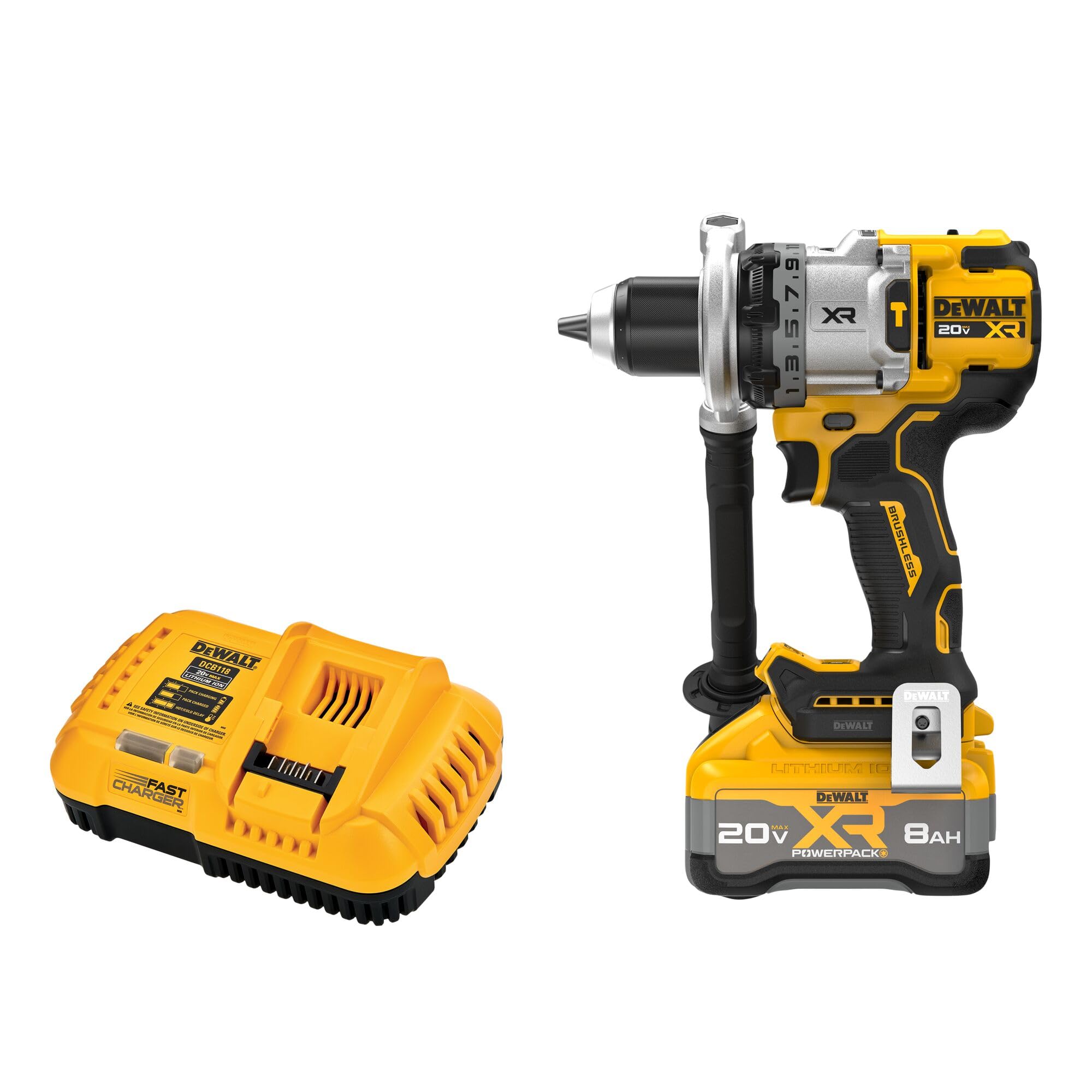
Key facts and context for concrete work: The DCD1007WW1 combines a high-torque brushless motor with a 3-speed transmission, optimized for drilling and driving into concrete. Its 1/2" chuck handles common masonry bits, while the 8Ah battery delivers longer run time on heavy-duty applications. This kit is well-suited for frequent overhead or extended drilling tasks in concrete, masonry, and steel.
Pro tips for concrete use: For best results in concrete or brick, pair with SDS bits or hammer drill bits designed for masonry. Drill speed and impact settings can be tuned to minimize bit wear and maximize core hole quality. See current pricing on Amazon.

Key facts and context for concrete work: The DCD806B is a popular, compact 1/2" hammer drill with brushless power. It’s lightweight for overhead work but still rugged enough for concrete drilling and light chiseling tasks. The “tool only” variant is often chosen to pair with existing batteries. Ideal for general purpose masonry drilling and anchor installations.
Practical note: Use with masonry bits rated for hammer drilling in concrete. See current pricing on Amazon.

Key facts and context for concrete work: The Makita XPH16Z is a compact, brushless hammer driver-drill designed for 1/2" bits with solid hammer action. Tool-only means you’ll need compatible batteries, but it’s prized for balance, precise torque control, and reliability on masonry walls and concrete slabs.
Takeaway: For concrete drilling with a lighter feel, this is a standout choice. See current pricing on Amazon.
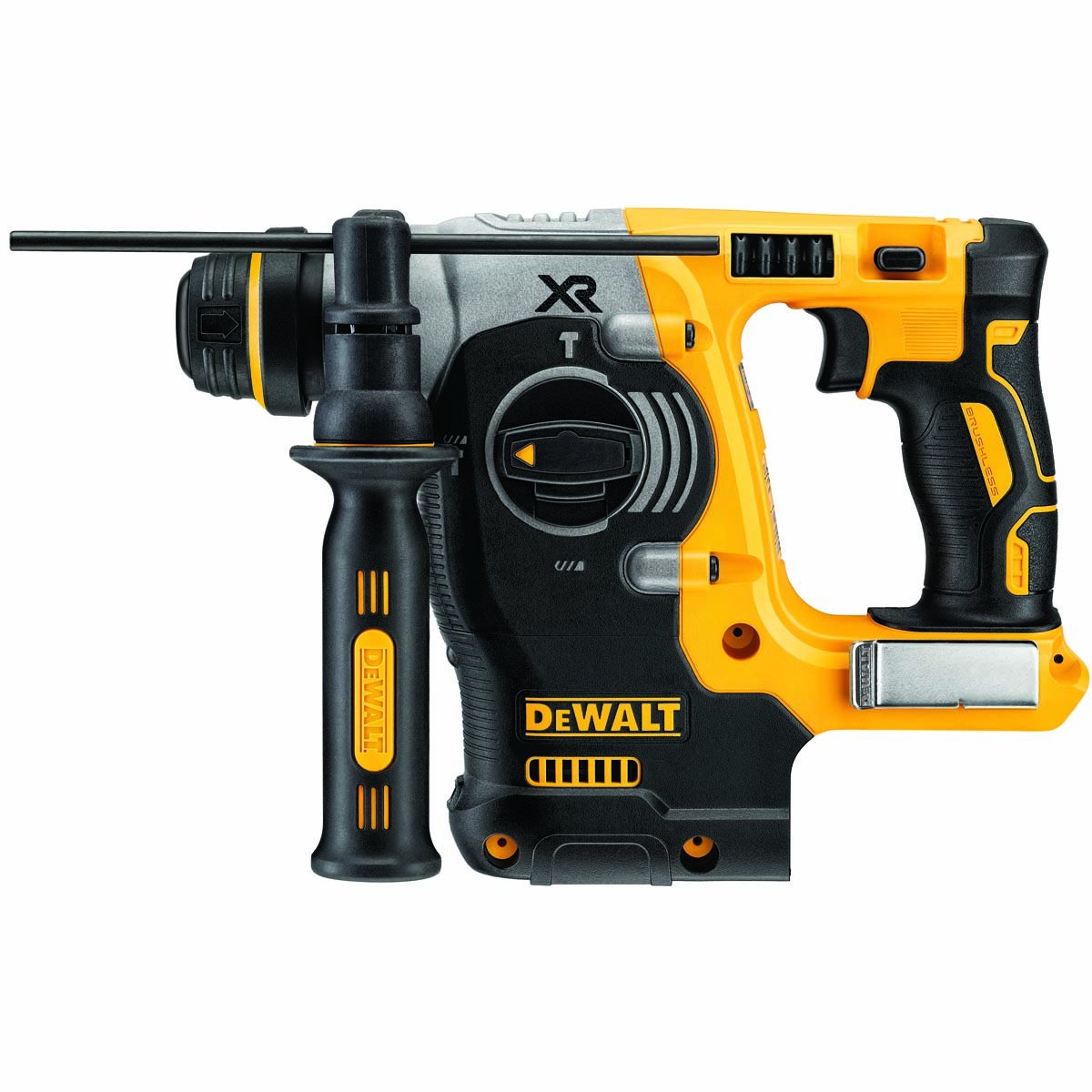
Key facts and context for concrete work: This SDS-style cordless rotary hammer is designed for masonry drilling with the ability to break and drill into concrete more aggressively than traditional hammer drills. Bare tool means you supply your own batteries, but it offers robust impact energy for heavy-duty cores and chipping tasks.
Tip: When using SDS bits, ensure compatibility with your 20V platform and use appropriate dust management. See current pricing on Amazon.
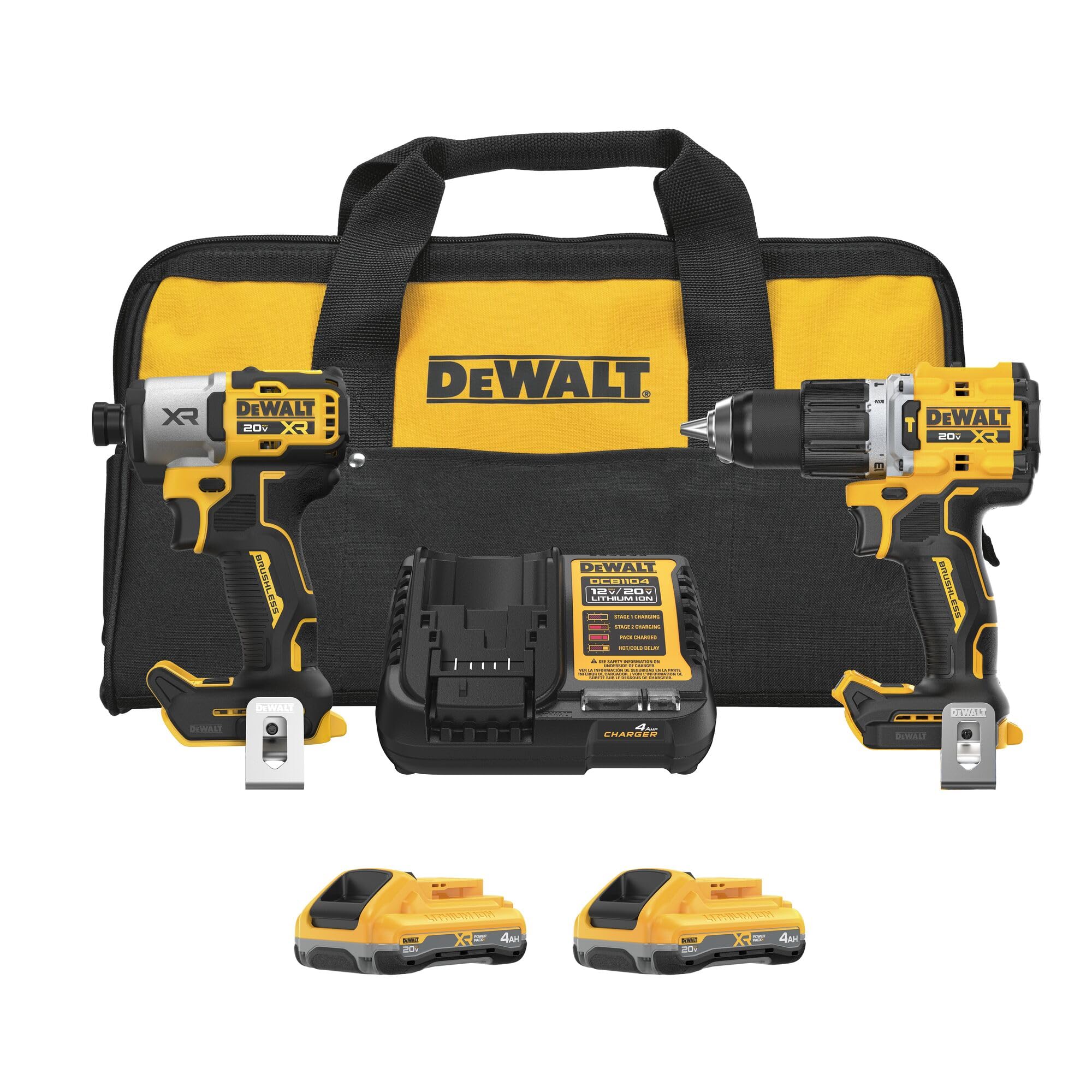
Key facts and context for concrete work: This combo kit pairs both an impact driver and a hammer drill, offering versatility for driving fasteners in concrete and masonry as well as drilling pilot holes. The kit includes two 4Ah POWERSTACK batteries and a charger, making it convenient for job sites with multiple tasks.
Recommendation: If you frequently switch between drilling and driving, this kit provides a balanced solution. See current pricing on Amazon.
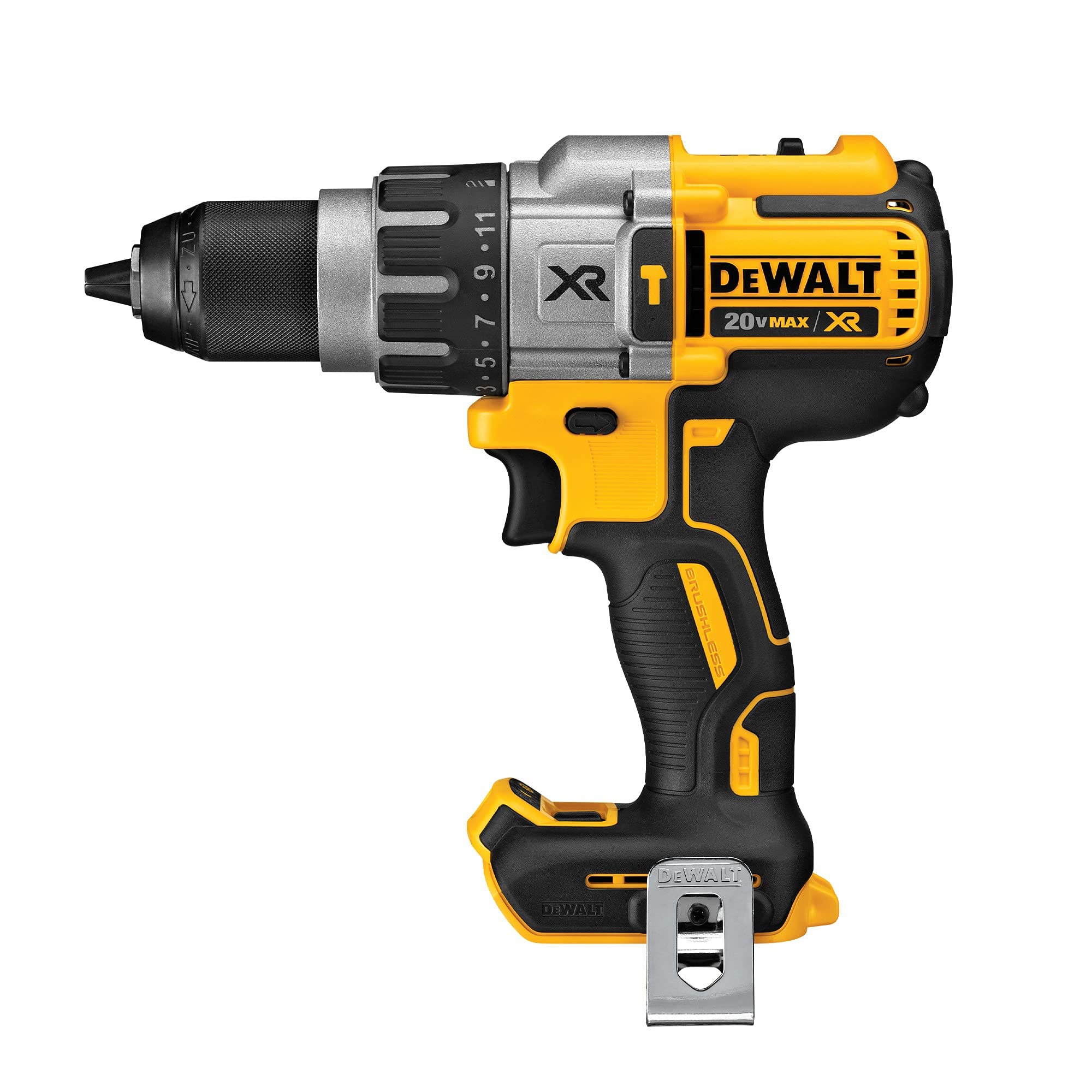
Key facts and context for concrete work: The DCD996B is a heavier-duty hammer drill with a brushless motor designed to handle demanding concrete drilling and masonry tasks. It’s a favorite for professionals who need more torque and durability, especially in dense materials like reinforced concrete.
Pro note: For extended concrete projects, pairing with a capable hammer drill bit set can improve efficiency. See current pricing on Amazon.
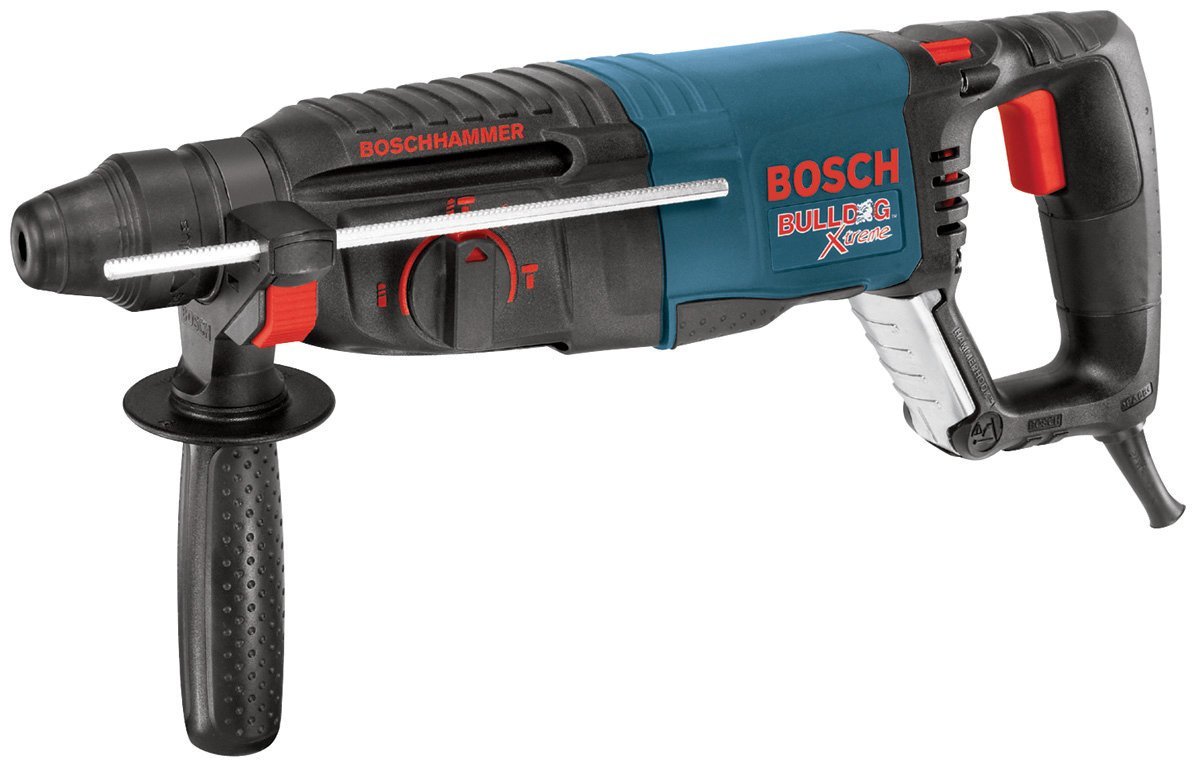
Key facts and context for concrete work: The Bosch Bulldog Xtreme is a corded SDS-Plus hammer drill, offering proven performance for heavy-duty masonry drilling and chiseling. While corded, it remains a staple for reliability on concrete-heavy tasks where battery life is a concern or access is limited.
Tip: Great for coring or drilling anchor holes in concrete, especially when you need consistent performance. See current pricing on Amazon.
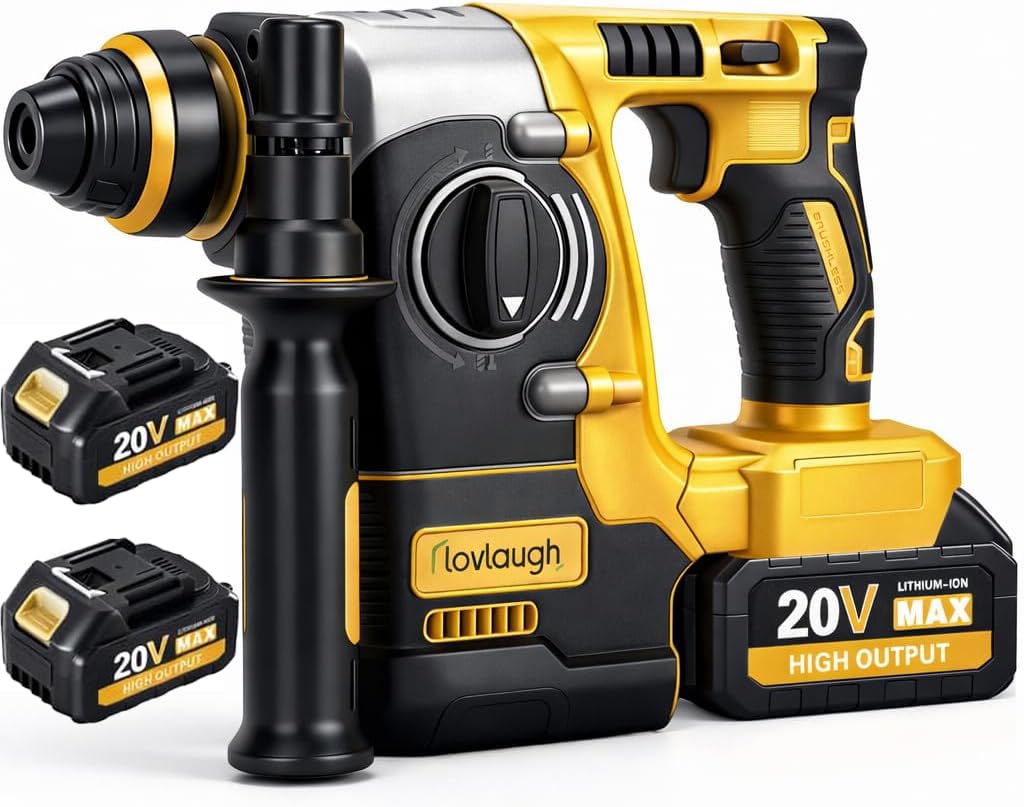
Key facts and context for concrete work: This cordless SDS rotary hammer drill offers two modes (hammer and drill) and 20V power with brushless efficiency. It’s designed for heavier masonry tasks, including drilling into concrete with SDS bits and light chiseling, while providing the flexibility of cordless operation with two batteries.
Note: An excellent option for mobile setups or roof work where cords are impractical. See current pricing on Amazon.
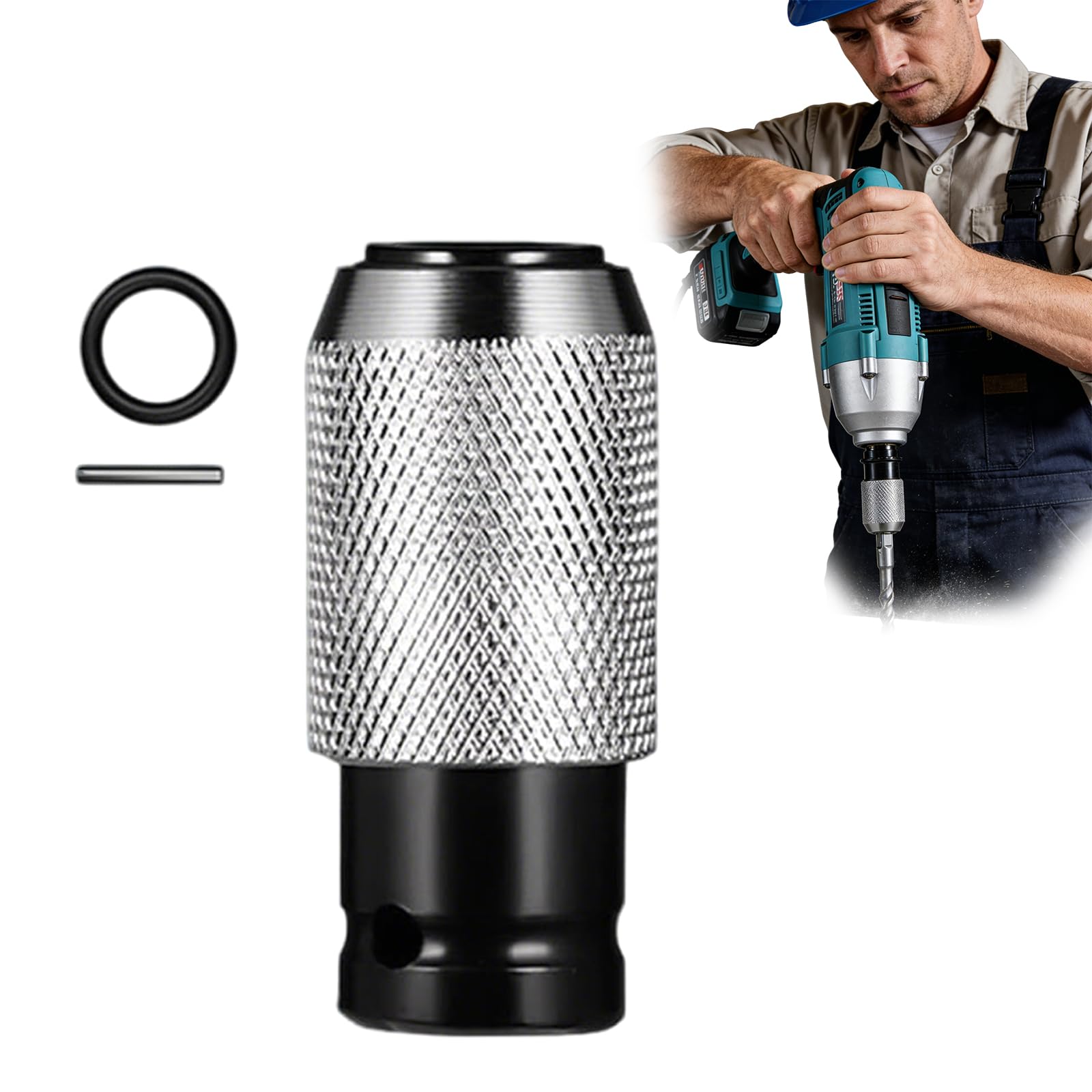
Key facts and context for concrete work: This adapter expands the capabilities of standard drill drivers, enabling hammer action with compatible bits for light-duty concrete tasks. Ideal for adding a hammering function to existing drill setups where a true hammer drill isn’t available.
Consideration: Not a substitute for a real hammer drill on dense concrete, but useful for quick tasks. See current pricing on Amazon.

Key facts and context for concrete work: While not a drill, a high-quality bit set is essential for efficient concrete drilling. The Milwaukee Shockwave line focuses on carbide tips and long bit life under tough masonry conditions, making it a valuable companion to any hammer drill or impact driver used for concrete.
Tip: Pair with your drill to improve throughput on concrete cores. See current pricing on Amazon.
When it comes to choosing between an impact driver and a hammer drill for concrete work, knowing the differences and understanding your specific needs can make all the difference. While both tools have unique capabilities, the hammer drill usually shines when the task at hand involves drilling into concrete or masonry with precision and power. An impact driver, on the other hand, is more suited for driving screws and fastening applications. This insight allows you to pick the perfect tool for your next project, saving you time and effort while ensuring you achieve quality results.
As you dive into your home improvement adventures, remember that having the right tools is just part of the equation. Staying informed and exploring more content can really elevate your DIY game. If you want to keep up with the latest tips and tricks for all your renovation projects, be sure to check out our updates on Instagram! Let's keep the conversation going and help each other tackle those challenging tasks with confidence!


