
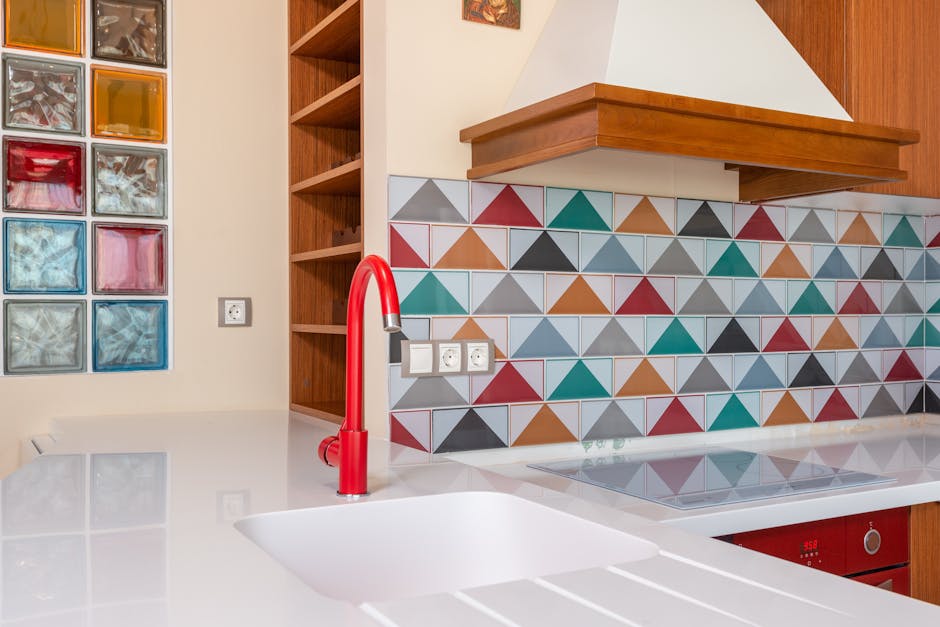
Installing a kitchen backsplash is a manageable weekend project when the wall is sound, the layout is planned before adhesive goes on, and you work in small sections. The key is not speed; it is keeping the first course level, protecting outlets and countertops, and giving adhesive and grout enough cure time. This guide walks through the full process for a tile backsplash, from surface prep to final sealing.
Before You Start
Choose tile that suits the way the kitchen is used. Ceramic and porcelain are forgiving, affordable, and easy to wipe clean. Glass tile can look crisp and bright, but it often shows adhesive lines and requires cleaner cuts. Natural stone needs sealing and more maintenance, especially behind a sink or range.
Confirm that the wall is flat, dry, and free of grease. Painted drywall is usually acceptable for a backsplash if the paint is bonded well and the surface is scuffed lightly. If the wall is damaged, crumbly, or uneven, repair it before installing tile. A backsplash will not hide a bad substrate for long.
Tools And Materials
- Backsplash tile, plus 10 percent extra for cuts and mistakes
- Tile adhesive or thinset appropriate for the tile material
- Notched trowel, grout float, tile spacers, level, tape measure, and pencil
- Tile cutter or wet saw, plus nippers for small outlet cuts
- Unsanded or sanded grout based on joint width and tile type
- Caulk for countertop and cabinet edges
- Sponges, buckets, microfiber cloths, painter's tape, drop cloths, gloves, and eye protection
Step-By-Step Instructions
Step 1: Prepare The Wall Surface
Remove outlet covers, switch plates, old caulk, loose paint, and any existing backsplash material. Clean the wall with a degreasing cleaner, especially behind the cooktop and sink. Fill holes or low spots, sand raised patches smooth, and let repairs dry completely. A clean, flat wall gives the adhesive a better bond and keeps the finished tile from looking wavy.
Tip: Turn off power to the outlets in the work area before removing covers or cutting tile around electrical boxes.
Step 2: Measure And Plan The Layout
Measure the backsplash height and width, then mark a level reference line for the first course of tile. Dry-lay several tiles with spacers on the countertop so you can see where cuts will land. Try to avoid tiny slivers at visible edges, corners, and around outlets. Adjust the starting point until the layout looks balanced from the main viewing angle in the kitchen.
Tip: Plan outlets before mixing adhesive. Clean outlet cuts make a backsplash look professional even when the tile pattern is simple.
Step 3: Apply Adhesive In Small Sections
Spread adhesive over a small area, roughly two to three square feet, using the flat side of the trowel first. Comb it with the notched edge at a consistent angle so the ridges are even. Do not cover the entire wall at once; adhesive can skin over before the tile is set. If that happens, scrape it off and apply fresh material.
Step 4: Set The Tile
Press each tile into the adhesive with a slight twist, then add spacers to keep grout joints consistent. Start from the reference line and work outward. Check level every few rows instead of waiting until a large area is installed. Wipe adhesive from the tile face before it hardens.
Step 5: Cut Around Edges And Outlets
Measure each cut individually because walls and countertops are rarely perfectly square. Use a tile cutter for straight ceramic cuts and a wet saw for harder tile, glass, stone, or L-shaped cuts. Around outlets, keep cuts neat but do not oversize them so much that the cover plate cannot hide the opening. Wear eye protection while cutting.
Step 6: Let The Adhesive Cure
Allow the adhesive to cure according to the manufacturer's directions before grouting. Many installations need about 24 hours, but timing depends on the product, tile, wall surface, and room conditions. Do not rush this step. Grouting too early can shift tile or trap moisture behind the backsplash.
Step 7: Grout The Joints
Mix grout to a smooth consistency, then press it diagonally across the tile with a grout float. Work the grout fully into the joints and remove excess from the surface as you go. After the grout firms slightly, wipe the tile with a damp sponge, rinsing often. Avoid flooding the joints with water, which can weaken or discolor fresh grout.
Step 8: Caulk, Seal, And Clean
Use caulk, not grout, where the backsplash meets the countertop, cabinets, inside corners, or other surfaces that may move. If the grout or tile requires sealing, apply sealer after the grout has cured. Buff away grout haze with a clean microfiber cloth. Reinstall outlet covers only after the surface is dry and clean.
Common Mistakes To Avoid
- Starting without a level reference line
- Using the wrong adhesive for glass, stone, or large-format tile
- Letting tiny tile cuts land at the most visible edge
- Grouting before the adhesive has cured
- Using grout instead of caulk at countertop and corner joints
Frequently Asked Questions
Can I install backsplash tile over painted drywall?
Yes, if the drywall is clean, dry, flat, and the paint is firmly bonded. Scuff glossy paint first and repair damaged areas before installing tile.
Should backsplash tile touch the countertop?
Leave a small gap between the tile and countertop, then fill it with flexible caulk. This joint moves more than the field tile and should not be grouted.
How long does a kitchen backsplash take to install?
Most DIY tile backsplash projects take one weekend of active work plus curing time. Cutting, grout cleanup, and outlet details usually take longer than expected.
Final Check
Step back before the grout fully cures and inspect the backsplash from normal standing height. Look for crooked rows, heavy grout haze, missing caulk lines, and outlet covers that do not sit flat. Careful finishing makes the difference between a backsplash that simply covers the wall and one that looks intentional.
