

This article engages with creative backyard landscaping inspiration through a lens rooted in precise design considerations and real-world constraints. Far from generic style suggestions, we focus on practical, site-specific layouts that balance weather exposure, drainage, privacy, planting depth, lighting, furniture scale, durable materials, and maintenance tradeoffs. Each section features concrete dimensions, material pairings, and styling cues verified by visual examples, offering readers bookmark-worthy guidance for homeowners and remodelers ready to strategize their outdoor transformation.
Adapting Layouts to Site-Specific Conditions
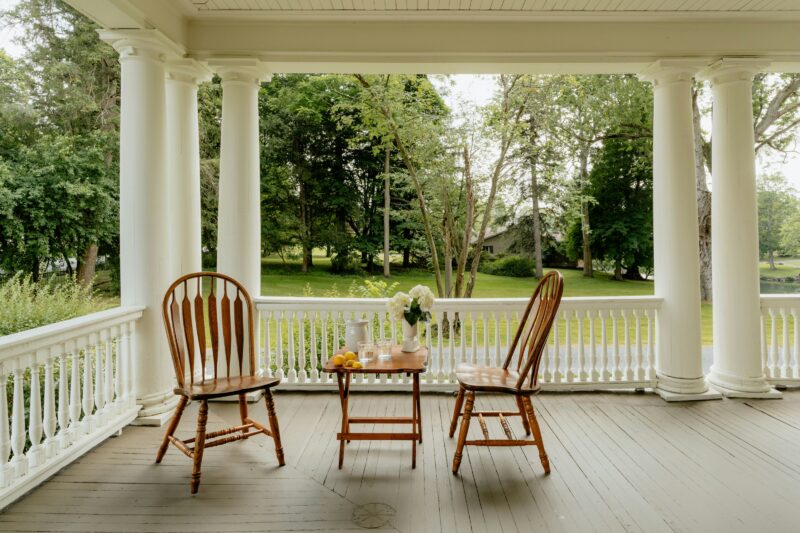
Designing a backyard layout that respects the specific contours and constraints of your site is essential. A seating area with a minimum 36-inch clear walkway optimizes flow and access, evident in the covered porch with two wooden chairs where space feels intimate yet navigable. Use paving patterns aligned with slope to subtly guide movement while preventing puddling, with gravel or permeable pavers favored for softer transitions. A tradeoff exists between maximizing seating capacity and maintaining circulation: overcrowding furniture can obstruct pathways and reduce comfort. The key lesson is to plan around an equilibrium of movement width and usable space to avoid overfilling at the expense of accessibility.
Weather Exposure Strategies for Durable Outdoor Spaces
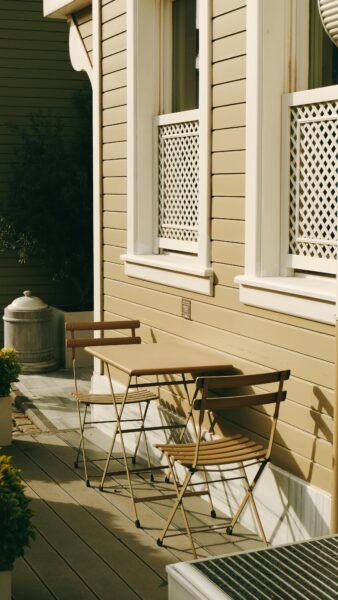
Weather exposure dictates material and structural decisions that ensure outdoor longevity. For patios facing intense sun or regular rain, incorporating a fixed roof or pergola—like the compact porch with folding chairs and a small cafe table—is wise. Use UV-resistant finishes on fabrics and powder-coated metals to withstand discoloration, with eaves extending 18 to 24 inches beyond seating zones for added protection. However, shade structures can reduce daylight and ventilation, sometimes causing dampness or mold without adequate airflow. The takeaway is balancing protection from rain and sun with sufficient openness to support comfort and plant health.
Navigating Drainage with Functional Hardscaping

Effective drainage is foundational; improperly managed runoff quickly undermines landscaping investment. Contoured surfaces with a minimum 2% slope away from house foundations, combined with permeable materials such as gravel beds and stepping stones, help channel water efficiently, as seen subtly beneath outdoor seating with cushions. Integrating French drains beneath hardscape borders preserves plant root zones by diverting water. The tradeoff to note is that overly impervious surfaces cause runoff concentration, risking soil erosion elsewhere. The key insight is that even minor grade adjustments paired with appropriate materials must consider the whole site hydrology.
Privacy Design Using Layered Planting and Screening

Privacy in backyard landscaping benefits from layering vegetation and structural screening to create nuanced visual buffers. Combining evergreen hedges at 4 to 6 feet tall with lattice panels or fencing behind, as modeled in the patio privacy screen photo, generates year-round seclusion without enclosure monotony. Dense shrubs planted at least 12 to 18 inches from structures prevent moisture buildup while creating spatial depth. Be cautious of blocking breezes or natural sunlight too much, which may create a damp microclimate. The lesson is that privacy’s tactile and visual warmth comes from balanced densities of green layers and structure.
Optimal Planting Depths for Sustainable Greenery

Planting depth directly affects root development and water retention, anchoring landscape vitality. Most shrubs and perennials thrive when planted in soil beds between 12 and 24 inches deep, enriched with organic matter, exemplified by the small backyard patio surrounded by garden edges. Raised beds or defined borders maintain consistent depth and prevent soil compaction from foot traffic. Note that deep beds may increase water use and require irrigation planning. The takeaway is to optimize plant health through appropriate soil volume while factoring in your watering regimen and maintenance capabilities.
Strategic Outdoor Lighting Placement and Color Temperature

Outdoor lighting serves aesthetic and functional roles, requiring strategic fixture placement and color temperature choices. A mix of warm 2700K LED fixtures positioned 6 to 8 feet high along the covered patio perimeter, such as in the covered patio seating image, provides inviting ambiance while illuminating key paths and seating areas. Incorporating dimmers extends usability and mood control. Avoid excessive brightness or unshielded lights that cause glare and disrupt neighbors or wildlife. The design lesson is that lighting should subtly accentuate space and usability without overpowering natural darkness or creating maintenance headaches.
Furniture Scale and Arrangement for Proportional Comfort

Furniture scale must harmonize with the proportions of your outdoor space to ensure comfort and accessibility. Chairs with seat heights around 18 inches and tables approximately 28 to 30 inches tall, like the modern white patio chairs with blue cushions, establish practical ergonomics. Arrange seating to allow clearances of at least 24 inches behind chairs for movement. Oversized furniture can feel imposing in small yards, limiting circulation, while undersized sets may sacrifice comfort and permanence. The key is selecting well-proportioned pieces to reflect both spatial constraints and user needs.
Selecting Materials for Longevity and Ease of Maintenance

Material selection impacts both the endurance and upkeep of backyard landscapes. Durable choices like smooth-finished concrete pavers paired with natural wood accents, seen in the outdoor patio with cushions, manage wear and weathering elegantly. Use sealants and stains engineered for exterior use to extend lifespan and simplify cleaning, planning a maintenance schedule every 1 to 2 years. A common tradeoff is that some highly durable materials—like dense stones—may increase initial cost and heat retention. The takeaway is that investing upfront in materials calibrated to your climate and usage reduces costly repairs and preserves design integrity.
What is the ideal walkway width for backyard landscaping?
A minimum of 36 inches allows comfortable passage without crowding furniture layouts.
How should I plan for drainage in my backyard?
Maintain at least a 2% slope away from foundations using permeable materials like gravel and consider installing French drains.
What color temperature is recommended for outdoor patio lighting?
Warm LEDs around 2700K create an inviting atmosphere without harsh glare.
Creative backyard landscaping inspiration requires a measured balance of site-specific decisions and detailing. Integrating layout considerations with weather exposure adaptations and drainage solutions prevents common functional pitfalls. Privacy layers and precise planting depths promote thriving greenery alongside comfortable seating and scaled furniture. Proper lighting and material choices round out a durable, visually coherent outdoor living environment. When remodeling or styling a backyard, use these refined touchpoints as a blueprint to cultivate a space that is not only aesthetically compelling but also practically sustainable over years of use.
For more room-by-room ideas, browse Architecture Adrenaline’s latest design guides and save your favorite looks for your next project.
Further Inspiration Sources
Design Deep Dives & Resources
Use these references to go deeper on layouts, materials, lighting, safety, and maintenance decisions that matter for this style.
Research-Backed Planning Notes
- Plan clearances before finishes: Interior design work is strongest when circulation, door swings, storage depth, and fixture access are resolved before color or styling. Use this as a reason to verify dimensions and maintenance access before copying any visual concept. Source: NKBA
- Lighting quality depends on layers: Ambient, task, and accent lighting solve different problems, and glare control matters as much as fixture style. Use dimming, warm color temperature, and task placement as design constraints, not afterthoughts. Source: IES
On Architecture Adrenaline
- Mulch Backyard Ideas: Creative Ways to Enhance Your Outdoor Space: Read the full guide
- Backyard Corner Ideas: Transform Your Outdoor Space: Read the full guide
- Rectangular Pool Landscaping Ideas: Transform Your Outdoor Space: Read the full guide
- Small Backyard Patio Ideas: Read the full guide
Authoritative Planning References
- American Society of Interior Designers - Professional interior design reference for wellness, sustainability, material choices, and practice context.
- IIDA resources - Interior design practice resources that help ground planning, materials, and workplace/residential design decisions.
- National Kitchen & Bath Association - Kitchen and bath planning reference for fixture clearances, remodel planning, and professional standards.
External Inspiration
Editor-Selected Amazon Finds
Use these shopping starting points to compare dimensions, damp-location ratings, mounting hardware, and review photos before buying.
Weatherproof patio furniture cover
Protects cushions and frames so the setup survives wind-driven rain.
Outdoor side table or serving cart
Adds function without crowding a compact seating zone.
Outdoor-rated area rug
Helps define the room visually while keeping maintenance realistic.
Extra Visual Inspiration


