
Lighting a covered patio demands a deliberate balance between ambiance and utility. This article visualizes lighting concepts tailored to sheltered outdoor living spaces, where ceiling height, cover type, and furniture scale inform fixture choices. We dissect styling with material finishes that withstand the weather while highlighting practical layouts that boost usability without clutter. Expect a nuanced look at each lighting method’s limitations alongside its visual payoff, equipping you with targeted inspiration before refurbishment or styling.
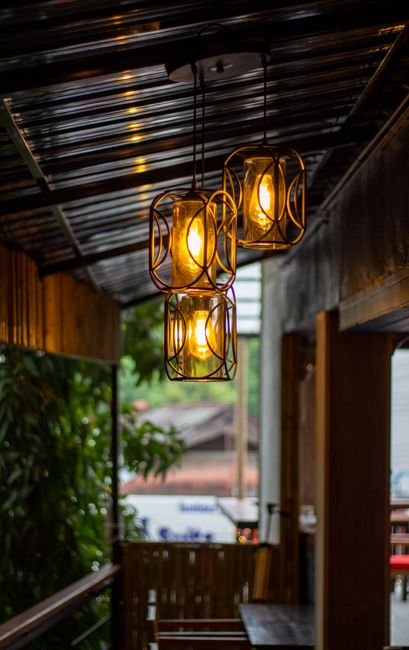
Pendants establish vertical layers under covered patios, particularly effective when suspended 30 to 36 inches above a dining table, providing intimate illumination while defining the area visually. For best effect, choose fixtures with matte or brushed metal finishes that resist corrosion and reflect the cover's architectural style. When wiring pendants, ensure the ceiling joists or beams can support fixture weight and maintain at least 7 feet of clearance for headroom. Note that heavier fixtures require reinforced mounting, adding complexity to installation and potential cost.

Wall sconces positioned on pillars frame outdoor spaces with consistent soft lighting, casting shadows that enhance spatial depth without glare. Opt for damp-rated sconces with frosted glass to diffuse light gently and coordinate finishes like oil-rubbed bronze with wooden post accents for a cohesive look. Mounting height around 65 to 70 inches maximizes coverage while preventing direct eye contact with bulbs. However, installing sconces on uneven or aged pillars may require additional surface preparation or conduits, complicating retrofits.

Recessed LEDs integrated into solid patio ceilings create unobtrusive, modern lighting that evenly brightens without visual distraction. Selecting weatherproof trims in dark finishes reduces visible dirt accumulation and complements contemporary roof materials like composite or metal panels. It's critical to seal fixtures properly against moisture ingress and confirm adequate insulation space above to prevent overheating. Keep in mind that recessed lights limit decorative impact and require professional electrical work during roof construction.

Classic string lights hung with precise tension across beams add warmth and layering, a favorite for casual covered patios. Use weatherproof C7 bulbs and UV-resistant cables strung in a straight or zigzag pattern approximately 7 feet off the floor for uniform illumination without crowding the seating area. Attach hooks or anchors to wood or metal supports using stainless steel hardware to prevent rust. Be cautious that string lights can degrade faster under continuous sun exposure and may need seasonal replacement.

Grouping lanterns above outdoor dining tables concentrates light and serves as a striking focal point. Choose metal or woven materials with warm LED candles to evoke a cozy glow complementing rustic or farmhouse style patios. Suspend clusters at varying heights within a 24-inch vertical drop range for a dynamic yet balanced composition. Lanterns with glass enclosures require regular cleaning to maintain brightness and may be vulnerable to wind damage if not properly secured.
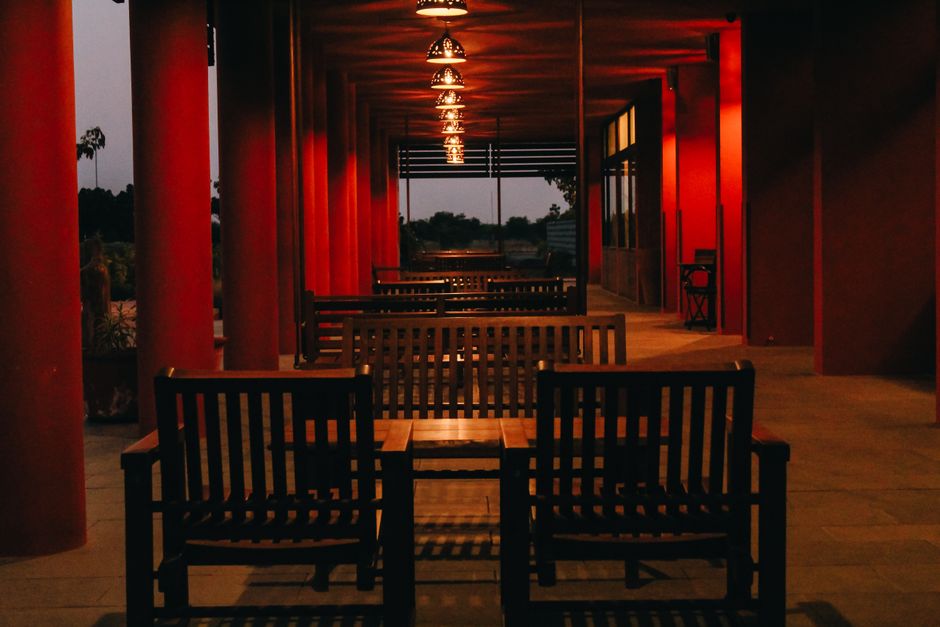
Combining ambient lighting with targeted task fixtures is essential near grill stations for safe cooking after dusk. Incorporate adjustable LED spotlights on the patio roof or pillar-mounted directional sconces to illuminate preparation surfaces without casting harsh shadows. Opt for finishes resistant to heat and grease, such as powder-coated steel, that blend into the patio's design language. Keep in mind that overly bright task lights may disrupt the relaxed atmosphere, so choose fixtures with dimming capabilities or shields.

Materials for fixtures must balance aesthetic appeal with outdoor durability—powder-coated metals, sealed glass, and synthetic rattan all perform well under cover while resisting rust and fading. Match fixture finishes to patio elements like wood tones or masonry to create visual continuity, such as bronze with brick or black metal with natural timber. Avoid using untreated or indoor-only products as even sheltered patios face humidity and temperature swings. Regular inspection and touch-ups are necessary to prolong lifespan, adding upkeep responsibility.

Planning electrical routes beneath patio covers involves preemptive waterproofing and considering drainage to prevent fixture damage and ensure safety. Install GFCI outlets and conduit wiring securely above flood levels, routing cables away from gutters or downspouts to reduce water exposure. Confirm roof design supports safe installation of lighting controls and transformers, ideally with access panels for maintenance. A key tradeoff is that retrofitting electricals on existing patios without enclosed ceilings can be invasive and costly, so prioritize these considerations early in remodeling.
Approaching covered patio lighting with precision ensures your outdoor space performs visually and practically throughout seasons. Selecting fixtures that harmonize with roofing structure and patio scale while accounting for weather resilience and maintenance creates a thoughtful, lasting scheme. Balancing ambient, task, and decorative lighting with correct placement avoids over-lighting or dark pockets, supporting lifestyle needs from casual dinners to evening gatherings. This curated set of lighting ideas aims to aid homeowners and remodelers in making informed choices that respect the realities and delights of illuminated covered patios.
For more room-by-room ideas, browse Architecture Adrenaline’s latest design guides and save your favorite looks for your next project.
Use these references to go deeper on layouts, materials, lighting, safety, and maintenance decisions that matter for this style.
Use these shopping starting points to compare dimensions, weather ratings, and reviews before buying.
Good for renters or budget projects where a permanent roof is not realistic.
Protects cushions and frames so a small covered patio still survives wind-driven rain.
Adds low-glare evening light without overwhelming a compact seating zone.


{"@context":"https://schema.org","@type":"BlogPosting","headline":"Covered Patio Lighting Ideas","url":"https://www.architectureadrenaline.com/covered-patio-lighting-ideas/","datePublished":"2026-05-05T20:56:28-07:00","dateModified":"2026-05-15T18:08:56-07:00","author":{"@type":"Person","name":"Justin Ankus","sameAs":["https://www.linkedin.com/in/architectureadrenaline/","https://twitter.com/archiadrenaline"]},"image":{"@type":"ImageObject","url":"https://www.architectureadrenaline.com/wp-content/uploads/2026/05/featured-240403.jpg","width":1200,"height":630},"publisher":{"@type":"Organization","name":"Architecture Adrenaline","logo":{"@type":"ImageObject","url":"https://architectureadrenaline.com/wp-content/uploads/logo.png"}},"breadcrumb":{"@type":"BreadcrumbList","itemListElement":[{"@type":"ListItem","position":1,"name":"Home","item":"https://architectureadrenaline.com/"},{"@type":"ListItem","position":2,"name":"Covered Patio Lighting Ideas","item":"https://www.architectureadrenaline.com/covered-patio-lighting-ideas/"}]},"mainEntityOfPage":{"@type":"WebPage","@id":"https://www.architectureadrenaline.com/covered-patio-lighting-ideas/"}}
{"@context":"https://schema.org","@type":"FAQPage","mainEntity":[{"@type":"Question","name":"Table of ContentsLeveraging Pendant Lighting for Vertical DefinitionIntegrating Damp-Rated Wall Sconces along Support PillarsSubtle LED Recessed Fixtures within Solid Patio RoofsString Lights: Rustic Charm with Precise InstallationLantern Clusters as Centerpieces over Dining AreasBalancing Ambient and Task Lighting near Grill StationsMaterial Choices for Weather Durability and StyleElectrical Planning and Drainage Considerations for LongevityLeveraging Pendant Lighting for Vertical DefinitionThree black-framed lantern pendants suspended evenly spaced from a white ceiling over a cozy outdoor seating area, blending matte metal with soft amber glow.Pendants establish vertical layers under covered patios, particularly effective when suspended 30 to 36 inches above a dining table, providing intimate illumination while defining the area visually. For best effect, choose fixtures with matte or brushed metal finishes that resist corrosion and reflect the cover's architectural style. When wiring pendants, ensure the ceiling joists or beams can support fixture weight and maintain at least 7 feet of clearance for headroom. Note that heavier fixtures require reinforced mounting, adding complexity to installation and potential cost.Research note: USU Extension compares landscapes to outdoor rooms with different uses, volumes, circulation paths, and water needs. Use the cover, furniture layout, pavers, screens, and planting edges to define a room rather than scattering decor around the slab. Source: Utah State University ExtensionResearch note: DOE frames outdoor residential lighting around aesthetics, security, and utility, with controls and shielding to reduce waste and glare. Layer low path lights, focused task lights, and shielded accent lights instead of flooding the entire patio with one harsh fixture. Source: U.S. Department of EnergyIntegrating Damp-Rated Wall Sconces along Support PillarsA modern covered patio with a long wooden dining table lit by recessed and pendant lighting, surrounded by sleek benches and lanterns on pillars.Wall sconces positioned on pillars frame outdoor spaces with consistent soft lighting, casting shadows that enhance spatial depth without glare. Opt for damp-rated sconces with frosted glass to diffuse light gently and coordinate finishes like oil-rubbed bronze with wooden post accents for a cohesive look. Mounting height around 65 to 70 inches maximizes coverage while preventing direct eye contact with bulbs. However, installing sconces on uneven or aged pillars may require additional surface preparation or conduits, complicating retrofits.Subtle LED Recessed Fixtures within Solid Patio RoofsMinimalist patio beneath a fabric canopy showcasing a series of small spherical pendant lights hung over a simple table setup, emphasizing clean lines and neutral tones.Recessed LEDs integrated into solid patio ceilings create unobtrusive, modern lighting that evenly brightens without visual distraction. Selecting weatherproof trims in dark finishes reduces visible dirt accumulation and complements contemporary roof materials like composite or metal panels. It's critical to seal fixtures properly against moisture ingress and confirm adequate insulation space above to prevent overheating. Keep in mind that recessed lights limit decorative impact and require professional electrical work during roof construction.Research note: AWC DCA 6 provides prescriptive residential wood deck guidance based on the International Residential Code, but local officials decide what applies. Treat posts, ledgers, guards, fasteners, roof attachments, and concentrated loads as permit-and-pro territory, not styling details. Source: American Wood CouncilString Lights: Rustic Charm with Precise InstallationA warm-toned covered patio with string lights stretched symmetrically across the ceiling, highlighting a rustic dining table and surrounding chairs with layered illumination.Classic string lights hung with precise tension across beams add warmth and layering, a favorite for casual covered patios. Use weatherproof C7 bulbs and UV-resistant cables strung in a straight or zigzag pattern approximately 7 feet off the floor for uniform illumination without crowding the seating area. Attach hooks or anchors to wood or metal supports using stainless steel hardware to prevent rust. Be cautious that string lights can degrade faster under continuous sun exposure and may need seasonal replacement.Lantern Clusters as Centerpieces over Dining AreasOutdoor seating area with brick walls and wrought iron furniture accented by soft wall sconces, balancing material contrasts for timeless elegance.Grouping lanterns above outdoor dining tables concentrates light and serves as a striking focal point. Choose metal or woven materials with warm LED candles to evoke a cozy glow complementing rustic or farmhouse style patios. Suspend clusters at varying heights within a 24-inch vertical drop range for a dynamic yet balanced composition. Lanterns with glass enclosures require regular cleaning to maintain brightness and may be vulnerable to wind damage if not properly secured.Balancing Ambient and Task Lighting near Grill StationsRed wooden columns supporting a covered deck underglow with concealed LED strips, producing an inviting glow that highlights architectural beams subtly.Combining ambient lighting with targeted task fixtures is essential near grill stations for safe cooking after dusk. Incorporate adjustable LED spotlights on the patio roof or pillar-mounted directional sconces to illuminate preparation surfaces without casting harsh shadows. Opt for finishes resistant to heat and grease, such as powder-coated steel, that blend into the patio's design language. Keep in mind that overly bright task lights may disrupt the relaxed atmosphere, so choose fixtures with dimming capabilities or shields.Material Choices for Weather Durability and StyleMultiple lanterns in various sizes clustered over a dining table on a covered porch, providing a textured interplay between metal, glass, and shadow.Materials for fixtures must balance aesthetic appeal with outdoor durability—powder-coated metals, sealed glass, and synthetic rattan all perform well under cover while resisting rust and fading. Match fixture finishes to patio elements like wood tones or masonry to create visual continuity, such as bronze with brick or black metal with natural timber. Avoid using untreated or indoor-only products as even sheltered patios face humidity and temperature swings. Regular inspection and touch-ups are necessary to prolong lifespan, adding upkeep responsibility.Research note: The USDA Wood Handbook covers wood moisture, durability, fastenings, preservation, finishing, and material behavior for architects and engineers. Specify exterior-rated materials, drainage gaps, sealed end grain, and maintainable finishes before relying on a pretty stain sample. Source: USDA Forest Products LaboratoryElectrical Planning and Drainage Considerations for LongevityGray-finished metal pendant lights hanging in a trio from dark wooden beams, creating focused pools of light above a bar counter on a covered patio.Planning electrical routes beneath patio covers involves preemptive waterproofing and considering drainage to prevent fixture damage and ensure safety. Install GFCI outlets and conduit wiring securely above flood levels, routing cables away from gutters or downspouts to reduce water exposure. Confirm roof design supports safe installation of lighting controls and transformers, ideally with access panels for maintenance. A key tradeoff is that retrofitting electricals on existing patios without enclosed ceilings can be invasive and costly, so prioritize these considerations early in remodeling.More Visual Inspiration","acceptedAnswer":{"@type":"Answer","text":"These embedded examples are included only when the source URL supports an actual widget, so broad social search pages do not show up as bare links."}},{"@type":"Question","name":"Design Deep Dives & Resources","acceptedAnswer":{"@type":"Answer","text":"Use these references to go deeper on layouts, materials, lighting, safety, and maintenance decisions that matter for this style."}},{"@type":"Question","name":"Editor-Selected Amazon Finds","acceptedAnswer":{"@type":"Answer","text":"Use these shopping starting points to compare dimensions, weather ratings, and reviews before buying."}}]}



Immerse yourself in architecture’s most boundary-pushing ideas—where innovative home improvements meet visionary urban developments. Discover new building techniques, materials, and creative concepts that are redefining how we shape our spaces on a global scale.

