
Architecture Adrenaline
Architecture, interior design, and home improvement guides that help you decide faster.

Covered Patio Privacy Ideas

Covered Patio Privacy Ideas
Covered Patio Privacy Ideas moodboard collage

A covered patio is an opportunity to extend your living space outdoors, but crafting a sense of privacy under its shelter demands purposeful design. Unlike open decks or patios alone, a covered patio creates a defined envelope — one where the interplay of roof lines, screening, and furnishings dictates how secluded the space feels. This article provides detailed, image-inspired ideas to elevate covered patios simultaneously for style, shelter, and well-considered confidentiality. From structural elements to material pairings and lighting placement, each approach balances aesthetics with pragmatic tradeoffs you’ll want to note before remodeling or decorating.

Integrating Vertical Green Walls for Seclusion
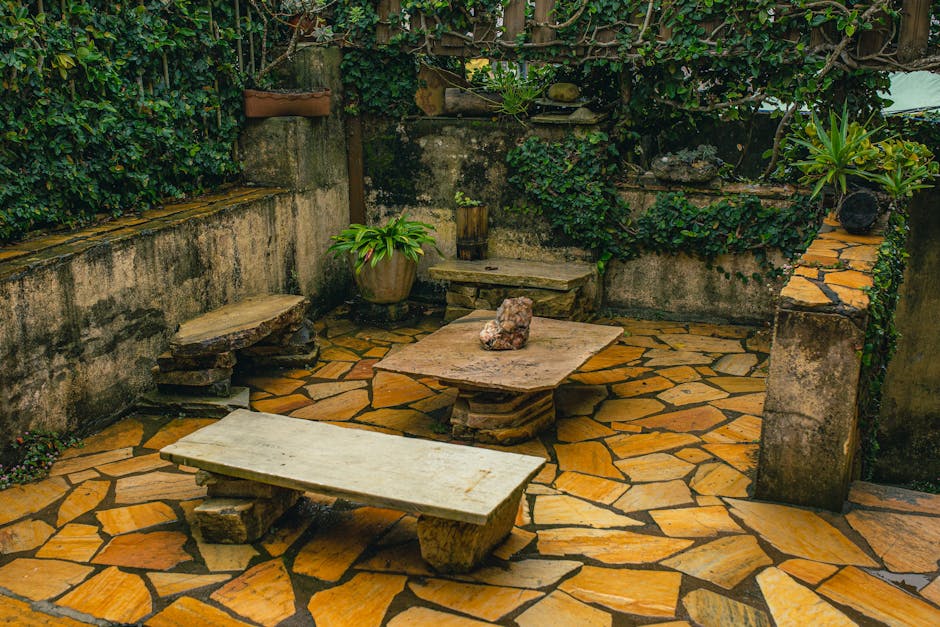
A cozy stone garden patio with ivy-covered walls, stone benches, and rustic decor perfect for relaxation.

Vertical green walls can transform one or more patio walls into lush, living barriers that absorb noise and offer year-round greenery. To implement this effectively, select shade-tolerant species suitable for your climate and install a modular panel system with an integrated irrigation line hidden behind the frame for ease of maintenance. Choose materials for the backing like powder-coated steel or composite wood, which resist moisture in covered environments. A practical caution is ensuring the watering system is watertight as excess moisture buildup can damage roofing elements or flooring if not properly managed.

Choosing Pergola Roofs with Adjustable Louvers

Outdoor patio with a table and chairs set behind a wooden horizontal slat privacy fence.

Adjustable louvered pergola roofs provide pivotal control over light, shade, and privacy by allowing you to open or close overhead slats. Installing these with a motorized mechanism provides ease of use, while choosing aluminum with a powder-coated finish ensures durability in wet or humid conditions common under patio covers. The louvers’ width and spacing should be tuned to block direct lines of sight from upper-floor neighbors while allowing airflow. Keep in mind, louvers need periodic cleaning and mechanical upkeep to prevent clogging from debris or water accumulation.

Layered Drapery Systems for Flexible Privacy

Charming patio featuring wrought iron furniture and brick walls with garden views, combining rustic materials for seclusion.

Layered outdoor drapery setups, using weatherproof fabrics like solution-dyed acrylics, offer adaptable privacy that shifts with your needs and the time of day. Mount drapery rods on the patio cover’s beam perimeters, allowing for both full enclosure or partial retraction to balance openness and shelter. Opt for neutral, natural tones that complement surrounding materials to maintain an elegant look. However, fabric is vulnerable to sun fading and mildew if not regularly cleaned and ventilated, so plan for seasonal laundering and consider storage solutions for adverse weather.

Strategic Screen Placement with Mixed Materials

Stylish outdoor patio with rattan chairs under a wooden pergola, demonstrating partial coverage with open sides.

Incorporating a variety of privacy screens—such as woven wood panels combined with perforated metal—in deliberate layers creates depth and tailored coverage. Position these screens around traffic paths or more exposed edges, ensuring panels are secured yet removable to accommodate airflow or seasonal changes. Employ finishes resistant to weathering, like stained hardwood or powder-coated steel, to keep the investment looking refined over time. One tradeoff is that more rigid materials can obstruct light and views more permanently, potentially making the space feel smaller or darker if overused.

Elevated Planters as Living Barriers

Inviting brick patio furnished with wicker chairs and tables, layered with potted plants near the edges for soft screening.

Elevated planters with dense shrubbery or bamboo planted at eye level provide a natural but defined privacy boundary around covered patios. Construct planters from rot-resistant materials like composite decking or sealed cedar, and design them with integrated drainage holes to prevent water accumulation that can harm both plants and patio decks. This approach enables a flexible, green screen that can be adjusted by pruning or seasonal replanting. A caution is that live plants require ongoing care, and depending on species, they may shed leaves or drop debris needing regular cleaning to maintain the patio’s polished appearance.

Optimizing Lighting for Evening Ambiance and Privacy
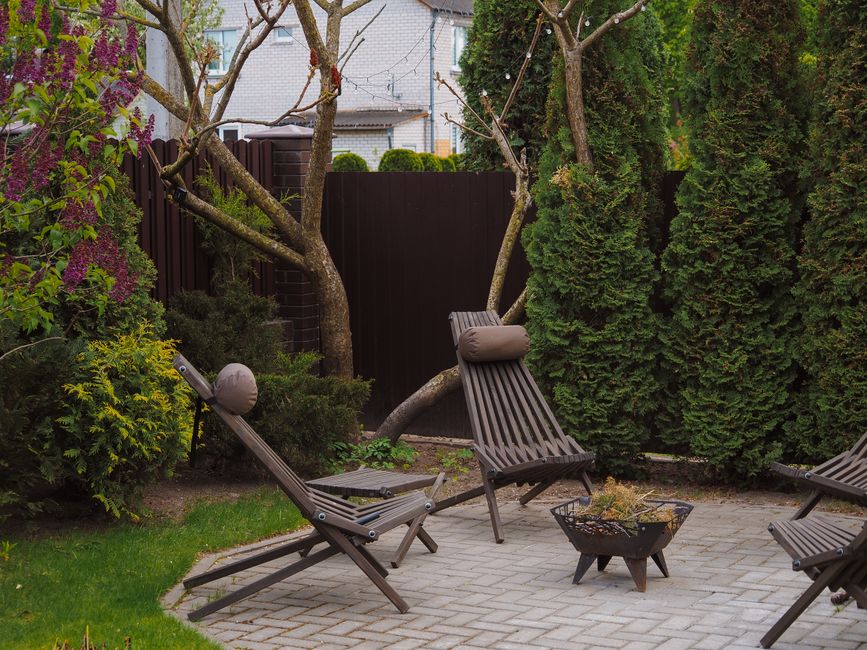
Outdoor seating area with sleek tables and chairs, demonstrating the use of minimalist furniture scaling under a cover.

Thoughtful lighting placement enhances evening privacy by selectively illuminating seating areas while minimizing spill beyond the patio’s perimeter. Use downlights installed flush into the patio cover to avoid glare, complemented by low-voltage LED strip lights along privacy screens or planter edges to highlight textures subtly. Choose warm color temperatures between 2700K and 3000K to create a cozy glow. Be aware that exterior lighting requires waterproof fixtures and sometimes periodic bulb replacement, and excessive brightness can counterintuitively reduce the sense of privacy.

Using Textured Concrete Walls to Define Boundaries

Comfortable outdoor living space furnished with sofas and hanging chairs, emphasizing sectional arrangement for privacy corners.

Textured concrete walls or cladding panels added as a side enclosure on one or two walls lend tactile privacy that also acts as a strong windbreak or sound buffer. Opt for materials like board-formed concrete or split-face blocks that add dimensionality and character beneath the patio cover. Finish with a matte sealant to resist staining and weathering while preserving natural texture. Consider that adding solid walls can limit cross breezes, potentially making the covered space warmer in summer if ventilation is not integrated.

Balancing Furniture Scale and Layout for Intimacy

Outdoor dining area featuring wooden tables and chairs illuminated by warm-tone lighting, enhancing nighttime privacy under roof.

Choosing furniture with a scale that complements the patio dimensions is essential for maintaining intimacy without overcrowding. For a covered patio around 200 square feet, a sofa set with seat depths between 20"-24" and a modest coffee table length of roughly 36" balances comfort and circulation. Materials such as powder-coated aluminum frames paired with weather-resistant cushions offer durability and style coherence with common covered patio finishes. Larger or overly plush pieces may restrict movement and obstruct sightlines needed for practical flow and privacy management under the roof.

More Visual Inspiration

https://www.youtube.com/watch?v=FXJbvyVRnTc
https://www.instagram.com/p/DTPBn7kDAb2/
https://www.pinterest.com/jenso5/patio-privacy/
https://www.tiktok.com/@house_of_interior_decor/video/7408541749062405422

How can I ensure privacy without compromising natural light?

Choose adjustable elements like louvered roofs or sheer layered drapery that can be opened to allow light while maintaining screening. Incorporate translucent materials that filter light instead of blocking it.

What materials hold up best for outdoor privacy screens under a covered patio?

Powder-coated metals, sealed hardwoods, composite decking, and weather-resistant fabrics perform best, offering durability against moisture and sun exposure typical under covered patios.

How often should I maintain green privacy walls?

Maintenance varies by plant type but typically involves weekly watering, monthly fertilizing, and pruning every few months. Ensure irrigation systems are leak-free to protect the patio structure.

Creating effective privacy for covered patios is a matter of layering materials, screening strategies, and furnishing choices, all underpinned by thoughtful material selections and functionality. From vertical greenery to mechanical louvers and layered drapery, each approach requires balancing aesthetic impact with the realities of upkeep and local conditions. Careful measurement, ventilation considerations, and light modulation ensure the space feels inviting without sacrificing seclusion. Homeowners and designers aiming to mask sightlines through a covered patio will find that a combination of these ideas guides smart, lasting decisions tailored to their specific outdoor environment.

For more room-by-room ideas, browse Architecture Adrenaline’s latest design guides and save your favorite looks for your next project.

Design Deep Dives & Resources

Use these references to go deeper on layouts, materials, lighting, safety, and maintenance decisions that matter for this style.

Research-Backed Planning Notes

  • Deck and cover details need code awareness: AWC DCA 6 provides prescriptive residential wood deck guidance based on the International Residential Code, but local officials decide what applies. Treat posts, ledgers, guards, fasteners, roof attachments, and concentrated loads as permit-and-pro territory, not styling details. Source: American Wood Council
  • Outdoor lighting should have a job: DOE frames outdoor residential lighting around aesthetics, security, and utility, with controls and shielding to reduce waste and glare. Layer low path lights, focused task lights, and shielded accent lights instead of flooding the entire patio with one harsh fixture. Source: U.S. Department of Energy
  • A good landscape behaves like connected rooms: USU Extension compares landscapes to outdoor rooms with different uses, volumes, circulation paths, and water needs. Use the cover, furniture layout, pavers, screens, and planting edges to define a room rather than scattering decor around the slab. Source: Utah State University Extension
  • Wood performance is about moisture and detailing: The USDA Wood Handbook covers wood moisture, durability, fastenings, preservation, finishing, and material behavior for architects and engineers. Specify exterior-rated materials, drainage gaps, sealed end grain, and maintainable finishes before relying on a pretty stain sample. Source: USDA Forest Products Laboratory

On Architecture Adrenaline

Authoritative Planning References

External Inspiration

    Editor-Selected Amazon Finds

    Use these shopping starting points to compare dimensions, weather ratings, and reviews before buying.

    Compact patio canopy or gazebo

    Good for renters or budget projects where a permanent roof is not realistic.

    Weatherproof patio furniture cover

    Protects cushions and frames so a small covered patio still survives wind-driven rain.

    Warm outdoor LED string lights

    Adds low-glare evening light without overwhelming a compact seating zone.

    {"@context":"https://schema.org","@type":"BlogPosting","headline":"Covered Patio Privacy Ideas","url":"https://www.architectureadrenaline.com/covered-patio-privacy-ideas/","datePublished":"2026-05-05T21:06:23-07:00","dateModified":"2026-05-15T18:08:56-07:00","author":{"@type":"Person","name":"Justin Ankus","sameAs":["https://www.linkedin.com/in/architectureadrenaline/","https://twitter.com/archiadrenaline"]},"image":{"@type":"ImageObject","url":"https://www.architectureadrenaline.com/wp-content/uploads/2026/05/featured-240410.jpg","width":1200,"height":630},"publisher":{"@type":"Organization","name":"Architecture Adrenaline","logo":{"@type":"ImageObject","url":"https://architectureadrenaline.com/wp-content/uploads/logo.png"}},"breadcrumb":{"@type":"BreadcrumbList","itemListElement":[{"@type":"ListItem","position":1,"name":"Home","item":"https://architectureadrenaline.com/"},{"@type":"ListItem","position":2,"name":"Covered Patio Privacy Ideas","item":"https://www.architectureadrenaline.com/covered-patio-privacy-ideas/"}]},"mainEntityOfPage":{"@type":"WebPage","@id":"https://www.architectureadrenaline.com/covered-patio-privacy-ideas/"}} {"@context":"https://schema.org","@type":"FAQPage","mainEntity":[{"@type":"Question","name":"Table of ContentsIntegrating Vertical Green Walls for SeclusionChoosing Pergola Roofs with Adjustable LouversLayered Drapery Systems for Flexible PrivacyStrategic Screen Placement with Mixed MaterialsElevated Planters as Living BarriersOptimizing Lighting for Evening Ambiance and PrivacyUsing Textured Concrete Walls to Define BoundariesBalancing Furniture Scale and Layout for IntimacyIntegrating Vertical Green Walls for SeclusionA cozy stone garden patio with ivy-covered walls, stone benches, and rustic decor perfect for relaxation.Vertical green walls can transform one or more patio walls into lush, living barriers that absorb noise and offer year-round greenery. To implement this effectively, select shade-tolerant species suitable for your climate and install a modular panel system with an integrated irrigation line hidden behind the frame for ease of maintenance. Choose materials for the backing like powder-coated steel or composite wood, which resist moisture in covered environments. A practical caution is ensuring the watering system is watertight as excess moisture buildup can damage roofing elements or flooring if not properly managed.Research note: USU Extension compares landscapes to outdoor rooms with different uses, volumes, circulation paths, and water needs. Use the cover, furniture layout, pavers, screens, and planting edges to define a room rather than scattering decor around the slab. Source: Utah State University ExtensionChoosing Pergola Roofs with Adjustable LouversOutdoor patio with a table and chairs set behind a wooden horizontal slat privacy fence.Adjustable louvered pergola roofs provide pivotal control over light, shade, and privacy by allowing you to open or close overhead slats. Installing these with a motorized mechanism provides ease of use, while choosing aluminum with a powder-coated finish ensures durability in wet or humid conditions common under patio covers. The louvers’ width and spacing should be tuned to block direct lines of sight from upper-floor neighbors while allowing airflow. Keep in mind, louvers need periodic cleaning and mechanical upkeep to prevent clogging from debris or water accumulation.Research note: AWC DCA 6 provides prescriptive residential wood deck guidance based on the International Residential Code, but local officials decide what applies. Treat posts, ledgers, guards, fasteners, roof attachments, and concentrated loads as permit-and-pro territory, not styling details. Source: American Wood CouncilLayered Drapery Systems for Flexible PrivacyCharming patio featuring wrought iron furniture and brick walls with garden views, combining rustic materials for seclusion.Layered outdoor drapery setups, using weatherproof fabrics like solution-dyed acrylics, offer adaptable privacy that shifts with your needs and the time of day. Mount drapery rods on the patio cover’s beam perimeters, allowing for both full enclosure or partial retraction to balance openness and shelter. Opt for neutral, natural tones that complement surrounding materials to maintain an elegant look. However, fabric is vulnerable to sun fading and mildew if not regularly cleaned and ventilated, so plan for seasonal laundering and consider storage solutions for adverse weather.Strategic Screen Placement with Mixed MaterialsStylish outdoor patio with rattan chairs under a wooden pergola, demonstrating partial coverage with open sides.Incorporating a variety of privacy screens—such as woven wood panels combined with perforated metal—in deliberate layers creates depth and tailored coverage. Position these screens around traffic paths or more exposed edges, ensuring panels are secured yet removable to accommodate airflow or seasonal changes. Employ finishes resistant to weathering, like stained hardwood or powder-coated steel, to keep the investment looking refined over time. One tradeoff is that more rigid materials can obstruct light and views more permanently, potentially making the space feel smaller or darker if overused.Research note: The USDA Wood Handbook covers wood moisture, durability, fastenings, preservation, finishing, and material behavior for architects and engineers. Specify exterior-rated materials, drainage gaps, sealed end grain, and maintainable finishes before relying on a pretty stain sample. Source: USDA Forest Products LaboratoryElevated Planters as Living BarriersInviting brick patio furnished with wicker chairs and tables, layered with potted plants near the edges for soft screening.Elevated planters with dense shrubbery or bamboo planted at eye level provide a natural but defined privacy boundary around covered patios. Construct planters from rot-resistant materials like composite decking or sealed cedar, and design them with integrated drainage holes to prevent water accumulation that can harm both plants and patio decks. This approach enables a flexible, green screen that can be adjusted by pruning or seasonal replanting. A caution is that live plants require ongoing care, and depending on species, they may shed leaves or drop debris needing regular cleaning to maintain the patio’s polished appearance.Optimizing Lighting for Evening Ambiance and PrivacyOutdoor seating area with sleek tables and chairs, demonstrating the use of minimalist furniture scaling under a cover.Thoughtful lighting placement enhances evening privacy by selectively illuminating seating areas while minimizing spill beyond the patio’s perimeter. Use downlights installed flush into the patio cover to avoid glare, complemented by low-voltage LED strip lights along privacy screens or planter edges to highlight textures subtly. Choose warm color temperatures between 2700K and 3000K to create a cozy glow. Be aware that exterior lighting requires waterproof fixtures and sometimes periodic bulb replacement, and excessive brightness can counterintuitively reduce the sense of privacy.Research note: DOE frames outdoor residential lighting around aesthetics, security, and utility, with controls and shielding to reduce waste and glare. Layer low path lights, focused task lights, and shielded accent lights instead of flooding the entire patio with one harsh fixture. Source: U.S. Department of EnergyUsing Textured Concrete Walls to Define BoundariesComfortable outdoor living space furnished with sofas and hanging chairs, emphasizing sectional arrangement for privacy corners.Textured concrete walls or cladding panels added as a side enclosure on one or two walls lend tactile privacy that also acts as a strong windbreak or sound buffer. Opt for materials like board-formed concrete or split-face blocks that add dimensionality and character beneath the patio cover. Finish with a matte sealant to resist staining and weathering while preserving natural texture. Consider that adding solid walls can limit cross breezes, potentially making the covered space warmer in summer if ventilation is not integrated.Balancing Furniture Scale and Layout for IntimacyOutdoor dining area featuring wooden tables and chairs illuminated by warm-tone lighting, enhancing nighttime privacy under roof.Choosing furniture with a scale that complements the patio dimensions is essential for maintaining intimacy without overcrowding. For a covered patio around 200 square feet, a sofa set with seat depths between 20"-24" and a modest coffee table length of roughly 36" balances comfort and circulation. Materials such as powder-coated aluminum frames paired with weather-resistant cushions offer durability and style coherence with common covered patio finishes. Larger or overly plush pieces may restrict movement and obstruct sightlines needed for practical flow and privacy management under the roof.More Visual Inspirationhttps://www.youtube.com/watch?v=FXJbvyVRnTchttps://www.instagram.com/p/DTPBn7kDAb2/https://www.pinterest.com/jenso5/patio-privacy/https://www.tiktok.com/@house_of_interior_decor/video/7408541749062405422How can I ensure privacy without compromising natural light?Choose adjustable elements like louvered roofs or sheer layered drapery that can be opened to allow light while maintaining screening. Incorporate translucent materials that filter light instead of blocking it.What materials hold up best for outdoor privacy screens under a covered patio?Powder-coated metals, sealed hardwoods, composite decking, and weather-resistant fabrics perform best, offering durability against moisture and sun exposure typical under covered patios.How often should I maintain green privacy walls?Maintenance varies by plant type but typically involves weekly watering, monthly fertilizing, and pruning every few months. Ensure irrigation systems are leak-free to protect the patio structure.Creating effective privacy for covered patios is a matter of layering materials, screening strategies, and furnishing choices, all underpinned by thoughtful material selections and functionality. From vertical greenery to mechanical louvers and layered drapery, each approach requires balancing aesthetic impact with the realities of upkeep and local conditions. Careful measurement, ventilation considerations, and light modulation ensure the space feels inviting without sacrificing seclusion. Homeowners and designers aiming to mask sightlines through a covered patio will find that a combination of these ideas guides smart, lasting decisions tailored to their specific outdoor environment.For more room-by-room ideas, browse Architecture Adrenaline’s latest design guides and save your favorite looks for your next project.Design Deep Dives & Resources","acceptedAnswer":{"@type":"Answer","text":"Use these references to go deeper on layouts, materials, lighting, safety, and maintenance decisions that matter for this style."}},{"@type":"Question","name":"Editor-Selected Amazon Finds","acceptedAnswer":{"@type":"Answer","text":"Use these shopping starting points to compare dimensions, weather ratings, and reviews before buying."}}]}

    Want your brand featured on Architecture Adrenaline?

    Click here to view our advertising opportunities.

    Share this:

    Justin Ankus

    Author
    see more from me

    Stay Ahead of the Curve—Join Our Free Weekly Insider Digest

    Immerse yourself in architecture’s most boundary-pushing ideas—where innovative home improvements meet visionary urban developments. Discover new building techniques, materials, and creative concepts that are redefining how we shape our spaces on a global scale.

    Terms & Conditions
    © 2025 ArchitectureAdrenaline.com, All Rights Reserved.
    Privacy Policy