Transforming Visions into Reality: A Comprehensive Beginner's Guide to Designing a Modern Home in the US
The Genesis of Modern Home Design
The genesis of modern architecture in the United States is a fascinating journey that intertwines functionality with aesthetics, creating a unique blend that has continued to evolve over the years. This design style emerged in the early 20th century as a radical departure from the traditional, ornate architectural styles that dominated the previous centuries. It was a response to the rapid industrialization and urbanization of the time, seeking to provide functional, affordable, and aesthetically pleasing homes for the new urban dwellers.
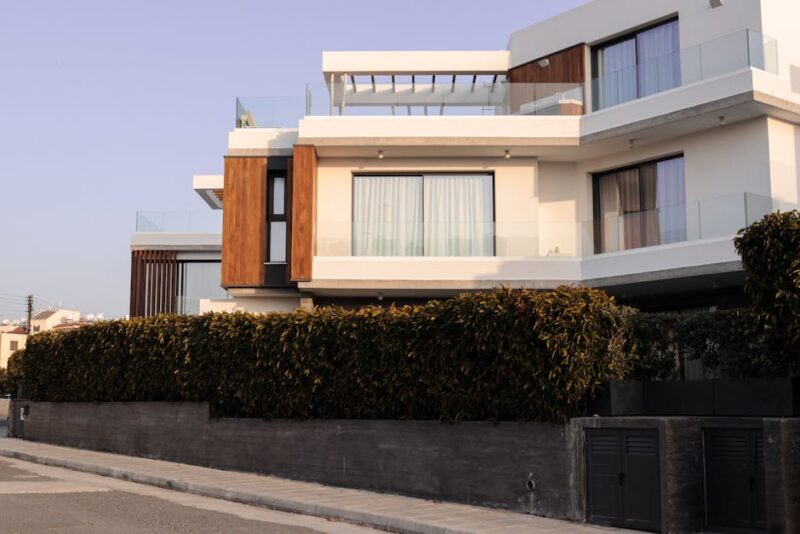
Modern architecture embraces the principles of simplicity, clean lines, and a minimalistic approach. It is characterized by large windows designed to let in natural light, and innovative use of materials such as steel, concrete, and glass. These materials, unconventional at the time, were chosen for their durability, affordability, and the unique aesthetic appeal they brought to the buildings. Modern architecture was not just about creating beautiful structures, but also about improving the quality of life for the occupants.
Step-by-Step Guide to Designing Your Modern Home
Preliminary Planning
The first step in designing your modern home is preliminary planning. Begin with a clear vision of what you want your home to look like. Understand your lifestyle needs, budget constraints, and aesthetic preferences. Consider the size of your family, your hobbies, and how you want to utilize each space. Do you need a home office? A playroom for the kids? A home gym? A spacious kitchen for your culinary adventures? These considerations will guide your design process and ensure that your home is tailored to fit your unique needs and preferences.
Hiring Professionals
Next, consider hiring professionals like architects, interior designers, and builders who specialize in modern home design. These professionals have the expertise and experience to guide you through the process, ensuring that your dream home becomes a reality without compromising on functionality or aesthetics. They can help you navigate the complexities of building codes, zoning laws, and other regulatory requirements. They can also provide valuable insights into the latest trends, technologies, and materials in modern home design, helping you make informed decisions that will enhance the value and appeal of your home.
Designing the Layout
The layout of a modern home focuses on open floor plans and seamless integration of indoor and outdoor spaces. This design principle promotes a sense of spaciousness and connectivity, enhancing the flow of natural light and air throughout the home. Prioritize natural light, spaciousness, and minimalistic design in your layout. Consider how each room relates to the others, and how the spaces flow together. Think about the views from each window, the path of the sun across your home, and how these factors will affect the lighting and temperature in each room.
Modern Home Layout
Living RoomKitchenBedroom
Choosing Materials
Modern architecture is characterized by the use of unconventional materials like steel, concrete, and glass. These materials not only enhance the aesthetic appeal of your home but also contribute to sustainability. Steel and concrete are durable and require little maintenance, making them cost-effective choices in the long run. Glass, on the other hand, allows for natural light penetration, reducing the need for artificial lighting during the day and thus saving energy. Consider the environmental impact, cost, durability, and aesthetic appeal of each material when making your choices.
Integrating Technology
Incorporate smart home technology into your design. This could range from energy-efficient appliances to home automation systems that control lighting, heating, and security. Smart technology can enhance the comfort, convenience, and energy efficiency of your home, making it truly modern.
Tips and Best Practices for Modern Home Design
- Natural light is a key element in modern home design. Incorporate large windows and skylights into your design to maximize natural light and create a sense of openness.
- Keep the design simple and functional. Prioritize quality over quantity. Avoid clutter and unnecessary decorations that can detract from the clean lines and simplicity of modern design.
- Choose a neutral color palette for a timeless look. Whites, grays, and earth tones are popular choices that complement the minimalistic aesthetic of modern design.
- Invest in energy-efficient appliances and systems for long-term savings. These can reduce your energy consumption and carbon footprint, making your home more sustainable.
Common Mistakes to Avoid
- Overlooking the importance of hiring professionals experienced in modern home design. This can lead to costly mistakes and delays in the construction process.
- Opting for cheaper materials that compromise on durability and aesthetics. While it's important to stay within budget, it's also important to invest in quality materials that will enhance the value and longevity of your home.
- Ignoring the importance of integrating technology in design. Modern homes are not just about aesthetic appeal, but also about comfort, convenience, and sustainability.
- Not considering the future needs of the family while designing the layout. A good design should be flexible and adaptable, able to accommodate changes in family size, lifestyle, and needs.
The Art of Modern Home Design
Designing a modern home is all about balancing functionality with aesthetics. It's about creating a space that's not only visually appealing but also caters to the lifestyle needs of its occupants. It's about using innovative materials and technologies to enhance comfort, convenience, and sustainability. It's about transforming a vision into a reality, creating a home that reflects your personality, values, and aspirations.
Mall Transformation in Phoenix, Arizona
The transformation of Phoenix's sleepy mall into a vibrant mixed-use community offers a glimpse into the future of modern architecture. This innovative project demonstrates how modern design principles can be applied to revitalize urban spaces and create sustainable, livable communities.
- The mall's expansive parking lot was converted into a neighborhood park, providing much-needed green space and recreational facilities for the residents.
- The mall's interior was revamped to feature open spaces, natural light, and greenery, creating a pleasant and inviting environment for shopping, dining, and socializing.
- A residential block with modern homes was built within the mall's premises, ushering in a new era of urban living. These homes feature open floor plans, large windows, and smart technologies, embodying the principles of modern design.
Data Snapshot
Steps to Design a Modern Home
| Step | Description |
|---|---|
| Preliminary Planning | Define vision, needs, budget, and preferences |
| Hiring Professionals | Engage architects, designers, builders |
| Designing the Layout | Focus on open plans, light, and flow |
| Choosing Materials | Use unconventional materials like steel, concrete, glass |
| Finalizing Design | Ensure functionality, aesthetics, and regulatory compliance |
shows the average cost of designing a modern home in different states. The data highlights the affordability of modern design, making it a popular choice for homeowners across the country.
Popularity of Design Elements
Open Plans70%Natural Light85%Minimalism65%Unconventional Materials55%Indoor-Outdoor Flow75%
illustrates the growing popularity of modern home design in the US over the years. The chart shows a steady increase in the number of modern homes being built, reflecting the growing appreciation for this design style.
Designing a modern home is not just about creating a beautiful space. It's about crafting a space that resonates with your lifestyle, values, and personality. It's about making a statement about who you are and what you value. So take the plunge and transform your vision into a reality!
Related Reading
- Honoring the Past, Designing the Future: The Art of Adaptive Reuse in American Cities
- Embracing the Future: A Comprehensive Guide to Sustainable Architecture Trends for US Homeowners
- Best Work Lights for Home Improvement Projects
Further Reading (External)
- ENERGY STAR - Home Design & Improvement — Practical guidance on high-performance home features.
- AIA - Home Design Resources — Professional standards and homeowner resources.
- Dezeen - Sustainability — Editorial coverage of sustainable architecture trends.