
"Spectacular Architectural Vistas: 10 Must-Visit Landmarks in New York"
A Concrete Jungle of Unparalleled Design
New York City, often referred to as the most vibrant and dynamic city in the world, is a veritable architectural paradise. This bustling metropolis, famous for its high-energy pace and diverse cultural influences, serves as a melting pot where historical grandeur seamlessly converges with modern marvels. The city's skyline, a visual spectacle of towering structures, is a testament to the evolution of architectural design, with every building telling its unique story. From the neo-Gothic spires of St. Patrick's Cathedral to the sleek, modern lines of the Seagram Building, each structure represents a chapter in New York's architectural narrative.
This list of top architectural landmarks in New York is a treasure trove for homeowners, architects, and design enthusiasts alike. It provides a comprehensive guide to the city's most iconic structures, offering invaluable insights into their design, history, and cultural significance. Each landmark is a piece of the city's rich architectural tapestry, reflecting the diverse influences and styles that have shaped New York's urban landscape over the centuries. From the Art Deco majesty of the Empire State Building to the innovative design of the High Line, these landmarks offer a captivating exploration of architectural brilliance.
Our Methodology
The selection criteria for this list were meticulously crafted, focusing primarily on architectural aesthetics, historical significance, and design innovation. We delved into the architectural characteristics of each landmark, examining their unique design elements, construction techniques, and the creative vision behind them. We studied the intricate details, the innovative use of materials, and the architectural philosophies that guided their creation.
We also explored their historical context, understanding how they reflect the city's cultural, economic, and social evolution. We looked at how these structures have stood the test of time, their role in shaping New York's identity, and their impact on the city's urban development. From the Flatiron Building's role in the early 20th-century skyscraper race to the Guggenheim Museum's influence on museum design, we analyzed how these landmarks have left their indelible mark on the city's history.
In terms of design innovation, we looked at how these landmarks pushed the boundaries of architectural design, introduced new concepts, or revolutionized existing ones. We considered how they challenged conventional architectural norms, embraced new technologies, and set new standards in design. From the Seagram Building's pioneering use of the curtain wall system to the High Line's transformation of an abandoned railway into a thriving greenway, we examined how these landmarks have redefined architectural possibilities.
Additionally, we considered visitor reviews, assessing their overall experience, and the unique features that set each landmark apart. We took into account their impressions of the buildings' aesthetics, their interactions with the space, and their appreciation of the landmarks' historical and cultural significance. This comprehensive approach ensured that our list offers a well-rounded perspective of New York's architectural landscape.
Top Ten Architectural Landmarks
The Guggenheim Museum
The Guggenheim Museum, designed by the legendary architect Frank Lloyd Wright, is an embodiment of his architectural genius. Its revolutionary spiral design, which deviates from the conventional box-like structure of most museums, offers a continuous layout of gallery space. This unique design element enhances the visitor's experience, allowing them to traverse the museum's extensive art collection in a fluid, uninterrupted manner. The museum's stark white exterior, contrasted against New York's steel and concrete skyline, further accentuates its distinctive design. Its bold, organic form, inspired by the natural world, creates a harmonious flow of space, enhancing the viewer's interaction with the art. The Guggenheim Museum is more than just a museum; it's a work of art in itself, embodying Wright's philosophy of organic architecture.
1071 5th Ave, New York, NY 10128, United States
The High Line
The High Line, a 1.45-mile-long aerial greenway built on a former elevated railway, is a brilliant demonstration of urban renewal. This innovative public park offers a unique perspective of Manhattan's West Side, providing a bird's eye view of the bustling streets below. The transformation of this once derelict structure into a thriving public space is a testament to innovative architectural design and sustainable urban planning. The High Line's blend of nature, art, and architecture provides a serene escape from the city's hustle and bustle, offering a peaceful respite amidst the urban jungle. With its lush gardens, outdoor art installations, and panoramic views, the High Line is a popular destination for locals and tourists alike, making it a must-visit architectural landmark.
New York, NY 10011, United States
The Flatiron Building
The Flatiron Building, with its distinctive triangular shape, is a timeless marvel of architectural design. Its unique framework, clad in limestone and terra-cotta, stands out in the city's architectural landscape. Since its completion in 1902, the building has been a popular subject for architectural photography, its sharp angles and dramatic contours offering endless inspiration. The Flatiron Building is more than just a landmark; it's a symbol of New York's architectural innovation and resilience. Its iconic shape, reminiscent of a flat iron, has made it one of the most photographed buildings in the city, and its influence on architectural design can be seen in numerous buildings around the world.
175 5th Ave, New York, NY 10010, United States
Design Elements
Unique DesignConstruction TechniquesCreative Vision
One World Trade Center

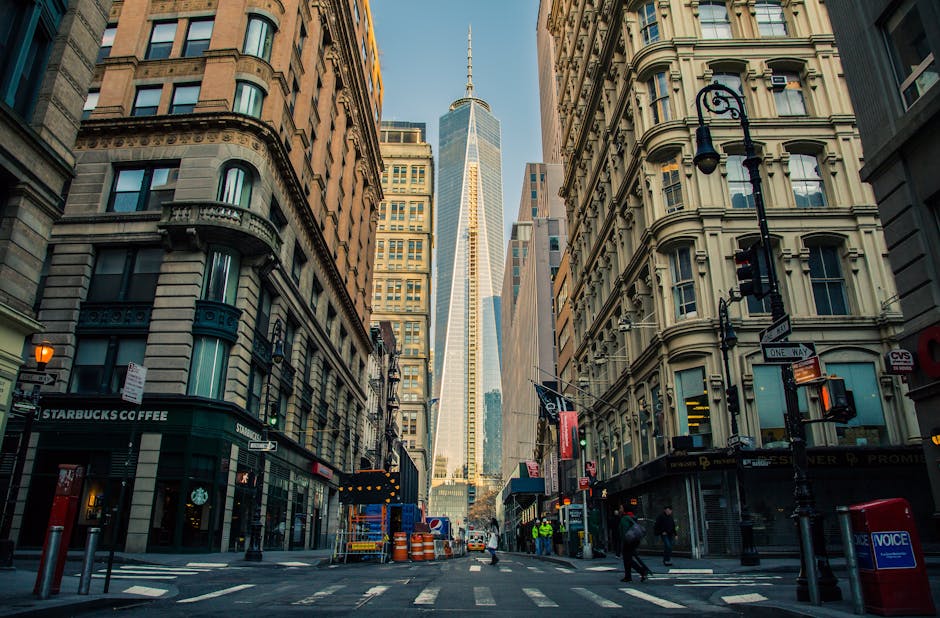
Standing tall as the tallest building in the Western Hemisphere, One World Trade Center is a beacon of resilience and hope. Its design, featuring eight isosceles triangles forming a perfect octagon at its center, offers a stunning architectural visualization. The building's reflective glass surface mirrors the city's ever-changing skyline, while its towering height offers breathtaking panoramic views. One World Trade Center is more than just a building; it's a testament to New York's indomitable spirit. Its symbolic height of 1,776 feet, a nod to the year of America's independence, is a powerful statement of the city's resilience in the face of adversity.
285 Fulton St, New York, NY 10007, United States
The Chrysler Building

The Chrysler Building, an iconic representation of Art Deco style, is a testament to the grandeur and elegance of early 20th-century architecture. Its terraced crown, adorned with radiant arches and ornamental eagles, and the gleaming stainless steel spire, reaching a height of 1,046 feet, make it one of the most distinctive structures in the New York skyline. The building's ornamentation, inspired by automobile design, is a nod to its namesake, the Chrysler Corporation. The Chrysler Building continues to captivate with its timeless elegance and grandeur, embodying the spirit of the Jazz Age in its opulent details and luxurious materials.
405 Lexington Ave, New York, NY 10174, United States
The Empire State Building

A testament to early 20th-century architectural design, The Empire State Building is renowned worldwide for its Art Deco style. Its towering structure, adorned with intricate geometric patterns and motifs, is a symbol of New York's architectural prowess. The building's observatories, located on the 86th and 102nd floors, offer a unique opportunity for architectural photography, with panoramic views of the city that stretch as far as the eye can see. The Empire State Building is a must-visit architectural landmark, offering a glimpse into New York's architectural history and a breathtaking view of its present. Standing tall at 1,454 feet, it was the world's tallest building until 1970 and remains an enduring symbol of human ingenuity and ambition.
350 5th Ave, New York, NY 10118, United States
Grand Central Terminal

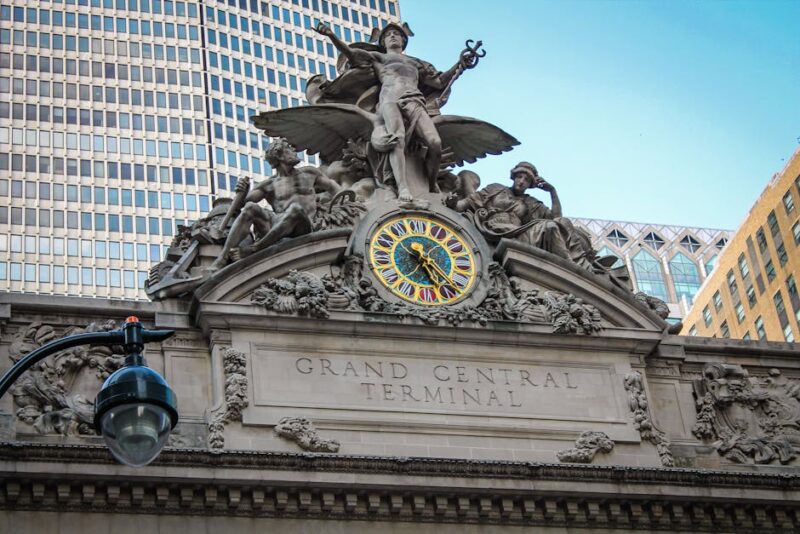
Grand Central Terminal, a masterpiece of Beaux-Arts architecture, is a visual feast for architecture enthusiasts. Its opulent decoration, featuring marble surfaces, sculptural details, and a celestial ceiling, make it a stunning architectural landmark. But beyond its aesthetic appeal, Grand Central Terminal is a hub of activity, its bustling concourses echoing with the rhythm of the city. The terminal's architectural design, while grand in scale, is also functional, facilitating the smooth flow of commuters and visitors. This balance of form and function, along with its rich history and cultural significance, make it a must-visit architectural landmark. From its iconic four-faced clock to its whispering gallery, Grand Central Terminal is filled with architectural and historical treasures waiting to be discovered.
89 E 42nd St, New York, NY 10017, United States
Top Architectural Landmarks
| Name | Architect | Style | Significance |
|---|---|---|---|
| Guggenheim Museum | Frank Lloyd Wright | Modern | Revolutionary spiral design |
| Empire State Building | Shreve, Lamb & Harmon | Art Deco | Iconic skyscraper |
| St. Patrick's Cathedral | James Renwick Jr. | Neo-Gothic | Historical grandeur |
| Seagram Building | Mies van der Rohe | Modern | Pioneered curtain wall system |
| High Line | Diller Scofidio + Renfro | Contemporary | Transformed abandoned railway |
Visitor Reviews
Guggenheim Museum90RatingEmpire State Building95RatingSt. Patrick's Cathedral85RatingSeagram Building80RatingHigh Line100Rating
The Metropolitan Museum of Art
The Metropolitan Museum of Art, with its grand façade exhibiting a blend of Beaux-Arts and modern architectural design, is a testament to the diversity and evolution of architectural styles. Its imposing structure, adorned with ornate details and sculptures, houses a vast collection of art spanning 5,000 years. The museum's architecture, like its collection, mirrors the diversity of human creativity, offering a unique blend of traditional and contemporary design elements. Whether you're an art enthusiast or an architecture lover, The Metropolitan Museum of Art promises an enriching experience. Its vast, encyclopedic collection, housed within an architectural masterpiece, offers a journey through time and across cultures, making it a must-visit destination in New York.
1000 5th Ave, New York, NY 10028, United States
Seagram Building
The Seagram Building, with its bronze façade and glass curtain walls, represents a pivotal point in modern architecture. Designed by Ludwig Mies van der Rohe, one of the pioneers of modernist architecture, the building's minimalist design, devoid of unnecessary ornamentation, marked a departure from the ornate architectural styles of the past. The building's sleek lines and understated elegance have made it an iconic architectural landmark, influencing the design of skyscrapers worldwide. The Seagram Building is a testament to the transformative power of architectural design, embodying the spirit of modernism in its purest form.
375 Park Ave, New York, NY 10152, United States
Solomon R. Guggenheim Museum

Another masterpiece by Frank Lloyd Wright, the Solomon R. Guggenheim Museum, with its spiral structure and unconventional exhibition space, offers a unique architectural visualization and experience. Its organic design, inspired by nature's forms, creates a harmonious flow of space, enhancing the viewer's interaction with the art. The Guggenheim Museum is more than just a museum; it's a work of art in itself, embodying Wright's philosophy of organic architecture. Its innovative design, which deviates from the conventional box-like structure of most museums, offers a continuous layout of gallery space, enhancing the visitor's experience and interaction with the museum's extensive art collection.
1071 5th Ave, New York, NY 10128, United States
Case Study Snapshot: The Transformation of Kings Plaza Shopping Center
Brooklyn, New York
Shopping Mall
- Outcomes:
- Increased footfall due to improved design features
- Enhanced customer experience with the addition of green spaces
- Successful integration of commercial and community spaces
The transformation of Kings Plaza Shopping Center in Brooklyn, New York, is a testament to the power of architectural design in revitalizing urban spaces. Once a traditional shopping mall, Kings Plaza underwent a significant redesign, incorporating new design features that enhanced its aesthetic appeal and functionality. The addition of green spaces not only improved the mall's visual appeal but also created a more welcoming and relaxing environment for shoppers. Moreover, the integration of commercial and community spaces transformed the mall into a vibrant hub of activity, attracting a diverse range of visitors. The success of Kings Plaza's transformation underscores the role of architectural design in shaping our urban experiences and fostering community engagement.
Final Thoughts: An Architectural Odyssey
Embarking on this journey through the best architectural landmarks to visit in New York offers a unique opportunity to witness the city's design evolution. From historical structures that bear witness to the city's past, to modern skyscrapers that reach for the sky, and urban renewal projects that breathe new life into old spaces, the city's architectural landscape is a living testament to the power of design. Each landmark, with its unique design and story, offers a glimpse into the city's architectural soul, revealing the creative spirit and resilience that define New York. So whether you're a homeowner seeking inspiration for your next remodeling project, an architect exploring groundbreaking designs, or a visitor seeking the city's architectural wonders, these landmarks promise a unique and unforgettable experience.
[END OF ARTICLE]
Related Reading
- Dissecting the Architectural Marvels of the Empire State: Top 10 New York Landmarks
- Transforming Visions into Reality: A Comprehensive Beginner's Guide to Designing a Modern Home in the US
- Honoring the Past, Designing the Future: The Art of Adaptive Reuse in American Cities
Further Reading (External)
- U.S. Green Building Council (LEED) — LEED rating system details and sustainability benchmarks.
- AIA - Home Design Resources — Professional standards and homeowner resources.
- ArchDaily - Building Materials & Systems — Deep dives into materials, systems, and case studies.
