
Embracing the Future: A Comprehensive Guide to Sustainable Architecture Trends for US Homeowners
The Rising Significance of Sustainable Architecture
Sustainable architecture is far from a passing trend. It represents a dynamic shift in the way we think about our homes and our relationship with the environment. This guide will provide US homeowners with a deep dive into the current trends in sustainable architecture, equipping them with the knowledge to make informed decisions about their own residential projects.
Laying the Foundation: Understanding Sustainable Architecture
Before delving into the specifics, it's important to understand what sustainable architecture is. At its core, it's an approach that minimizes the negative environmental impact of buildings by enhancing efficiency and moderating the use of materials, energy, and space.
Sustainable architecture encompasses a variety of techniques, from incorporating renewable energy sources like solar panels to using locally sourced, eco-friendly materials. It also includes design elements that take advantage of natural light and ventilation, reducing reliance on artificial climate control.
Navigating the Sustainable Architecture Trends
When it comes to sustainable architecture trends, there's a wide range to explore. Here are some key trends shaping the face of modern architecture in the US.
1. **Net-Zero Homes:** These homes produce as much energy as they consume, primarily through renewable sources. They feature high-quality insulation, energy-efficient appliances, and often incorporate solar panels.
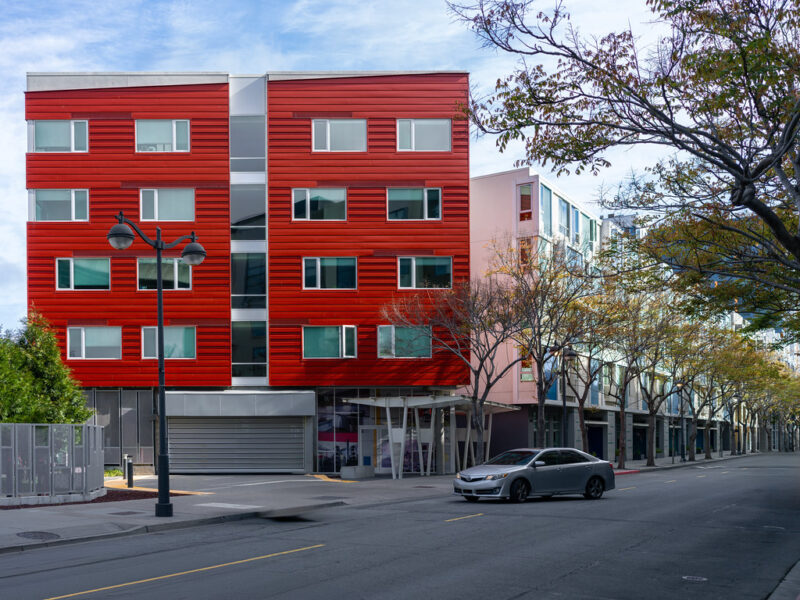
2. **Tiny Homes:** These homes emphasize minimal living, reducing physical footprint and resource consumption.
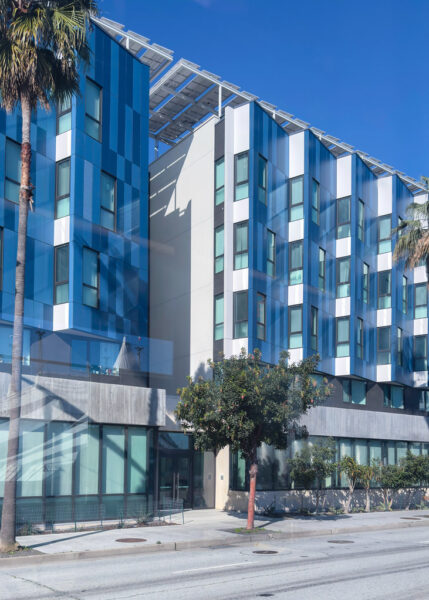
3. **Green Roofs:** Green roofs are covered with vegetation, absorbing rainwater, providing insulation and creating habitat for wildlife.

4. **Passive Design:** This design strategy uses the natural climate to maintain a comfortable temperature range in the home, reducing or eliminating the need for artificial heating or cooling.
5. **Recycled Materials:** The use of reclaimed or recycled materials in construction reduces waste and lowers the carbon footprint of a building project.
Practical Tips for Sustainable Home Design
1. **Engage a Green Architect:** An architect experienced in sustainable design can guide you through the process, helping you make decisions that align with your sustainability goals.
2. **Consider Your Location:** The climate and topography of your location can greatly influence your sustainable design choices. For instance, a home in sunny California might benefit more from solar panels than one in a less sunny state.
3. **Think Long-Term:** While some sustainable options may have a higher upfront cost, they often pay for themselves in the long run through energy savings.
4. **Prioritize Energy Efficiency:** From appliances to insulation, prioritizing energy efficiency can significantly reduce your home's environmental impact.
5. **Integrate Nature:** Whether it's a green roof or a simple home garden, integrating nature into your design can enhance your home's sustainability and aesthetic appeal.
Kilowatt P3 Electricity Usage Monitor
Track appliance energy use to reduce building loads
Pitfalls to Avoid in Sustainable Architecture
1. **Not Planning for the Future:** Sustainable design should anticipate future needs. For example, a family planning to grow might find a tiny home restrictive over time.
2. **Ignoring Local Codes and Regulations:** Before embarking on a sustainable construction project, ensure you're familiar with local building codes and regulations.
3. **Overlooking Maintenance:** Some sustainable elements require regular maintenance. For instance, green roofs need watering and pruning to stay healthy.
LEED Green Associate Exam Guide
Foundational green building knowledge and certification prep
For more information, visit American Institute of Architects (AIA).
Conclusion: Embarking on Your Sustainable Journey
Embracing sustainable architecture is not only good for the planet but also beneficial for homeowners. It can lead to long-term cost savings, a healthier living environment, and a home that is in harmony with its surroundings.
As you embark on your sustainable architecture journey, remember that every step, no matter how small, makes a difference. Whether it's installing energy-efficient appliances or building a net-zero home, your choices contribute to a more sustainable future.
Klein Tools ET140 Pinless Moisture Meter
Helps assess material moisture levels for healthy, efficient builds
Remember, sustainable architecture is not just a trend but a lifestyle choice that reflects our responsibility towards the environment. It's about creating homes that are not just places to live, but spaces that enhance our lives and the world around us.
Whether you're a homeowner looking to renovate or a designer seeking inspiration, keeping a pulse on sustainable architecture trends can provide valuable insights and open up new possibilities. With careful planning and the right approach, you can create a home that is beautiful, functional, and in harmony with nature.
Recommended Products
Kilowatt P3 Electricity Usage Monitor
Track appliance energy use to reduce building loads
LEED Green Associate Exam Guide
Foundational green building knowledge and certification prep
Learn more at ArchDaily - Architecture News.
Klein Tools ET140 Pinless Moisture Meter
Helps assess material moisture levels for healthy, efficient builds
Follow These Architecture Instagram Accounts
Dezeen (@dezeen)
Architecture and design magazine
