A cucumber vine that goes limp overnight or collapses in hours most commonly signals one of five causes: transient moisture stress, irreversible bacterial wilt, crown or root rot, heat damage, or root-zone toxins. Match the wilting pattern to the diagnostic checks below to identify the cause and act fast to limit loss.
Using Symptom Timing To Identify The Cause
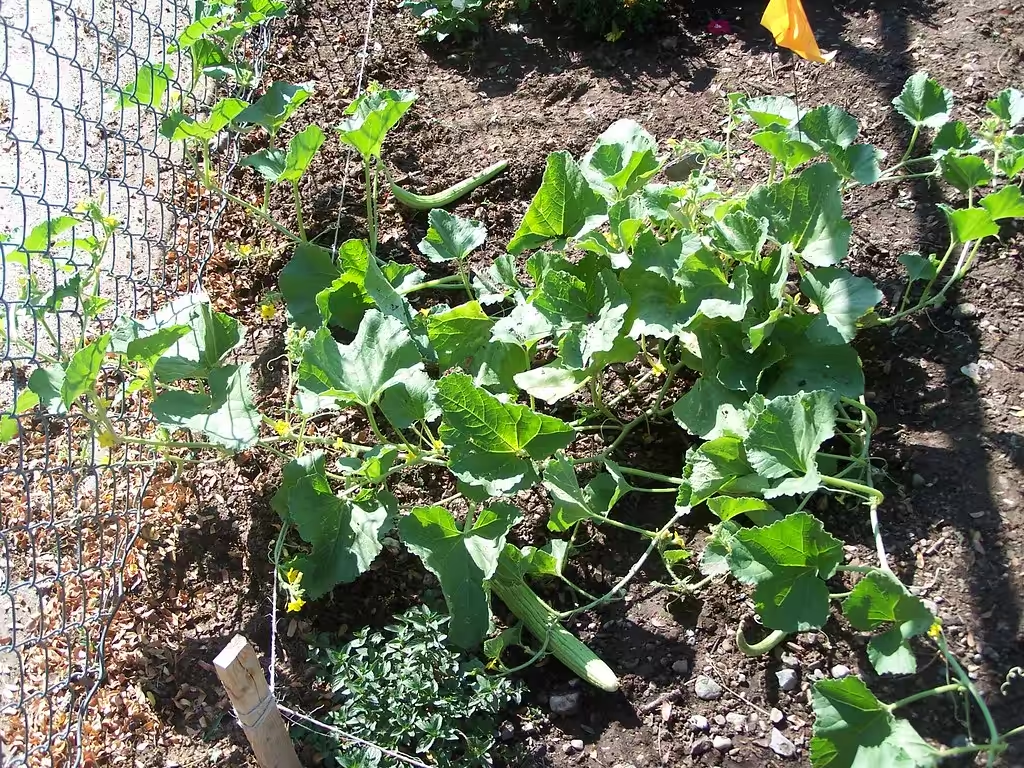
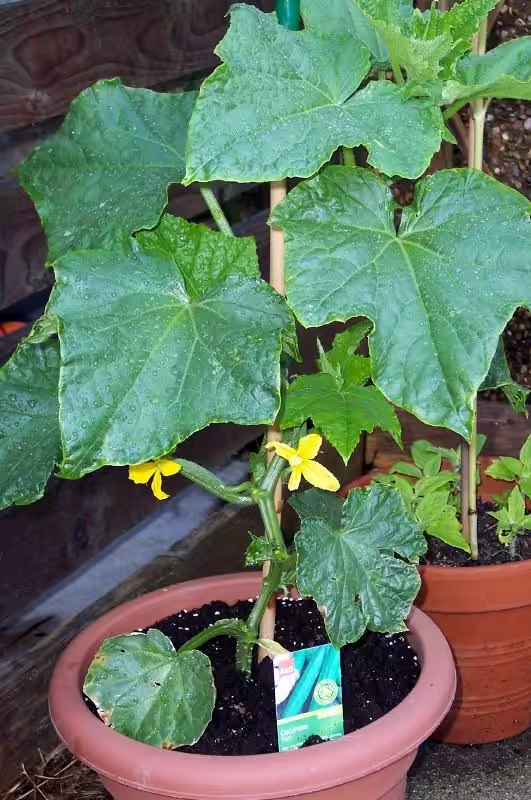
Leaves that wilt in the heat and recover by morning point to inadequate soil moisture or high transpiration; sustained collapse of individual vines that never revive indicates bacterial wilt; gradual yellowing starting at the crown or roots suggests a soilborne rot. Note which leaves go first and whether fruit or flowers remain turgid.
Watering, Drainage And Root Oxygen Management
Give cucumbers 1 to 1.5 inches of water per week applied directly at the root with drip irrigation or soaker hoses to maintain even moisture without saturating the crown. If beds puddle or remain wet 48 hours after rain, raise the bed, add coarse organic matter to improve structure, or move plants into containers with a free-draining potting mix to restore root oxygen.
How Beetles Spread Bacterial Wilt And Practical Control Steps
Striped and spotted cucumber beetles feed on foliage and transmit Erwinia tracheiphila, the bacterium responsible for rapid, permanent wilting of individual vines. If beetles are present and stems yield a stringy, sticky ooze when cut, remove the vine and manage the beetle population to protect remaining plants.
Early-season exclusion with row covers, regular scouting, and targeted controls are the most effective measures. For an accessible summary of beetle damage and integrated management practices consult the Ohio State BYGL page on cucumber beetles: Cucumber Beetles Causing Damage.
How Soilborne Fungi Produce Similar Wilting Patterns
Phytophthora crown rot produces water-soaked crown tissue and rapid decline when soils are wet, whereas Fusarium wilt causes slower yellowing and brown vascular bundles visible in a stem cross-section. The field test is to dig and inspect crowns and roots; soft, dark crown tissue points to Phytophthora and persistent brown vascular streaks point to Fusarium.
Primary responses are cultural: remove heavily infected plants, avoid replanting cucurbits in the same bed for at least two years, improve drainage, and consider soil solarization or a clean planting mix before reintroduction.
Quick Field Tests That Separate Bacterial, Fungal And Abiotic Causes
Cut a symptomatic stem and squeeze; a stringy, bacterial ooze supports bacterial wilt but may be intermittent. Gently pull the plant to examine roots; compacted, blackened roots indicate crown rot. If leaves revive after deep watering, the cause was hydraulic stress rather than pathogen. When tests are inconclusive, send a fresh sample to a diagnostic lab such as the University of Delaware Plant Diagnostic Clinic for pathogen identification and management advice: University of Delaware Plant Diagnostic Clinic.
Practical Cultural Controls To Reduce Wilting Risk
- Install drip or soaker irrigation and water early morning to wet the root zone while minimizing crown wetting.
- Apply 2 to 3 inches of organic mulch to reduce evaporation and moderate soil temperature.
- Space plants for 18-24 inches of air gap between vining crowns and trellis to speed drying after rain.
- Rotate cucurbits and avoid replanting into beds with recent cucurbit failures; when reusing beds consider a 2-year break or cover-cropping and solarization.
Trellising, Container Practices And Plant Selection Details
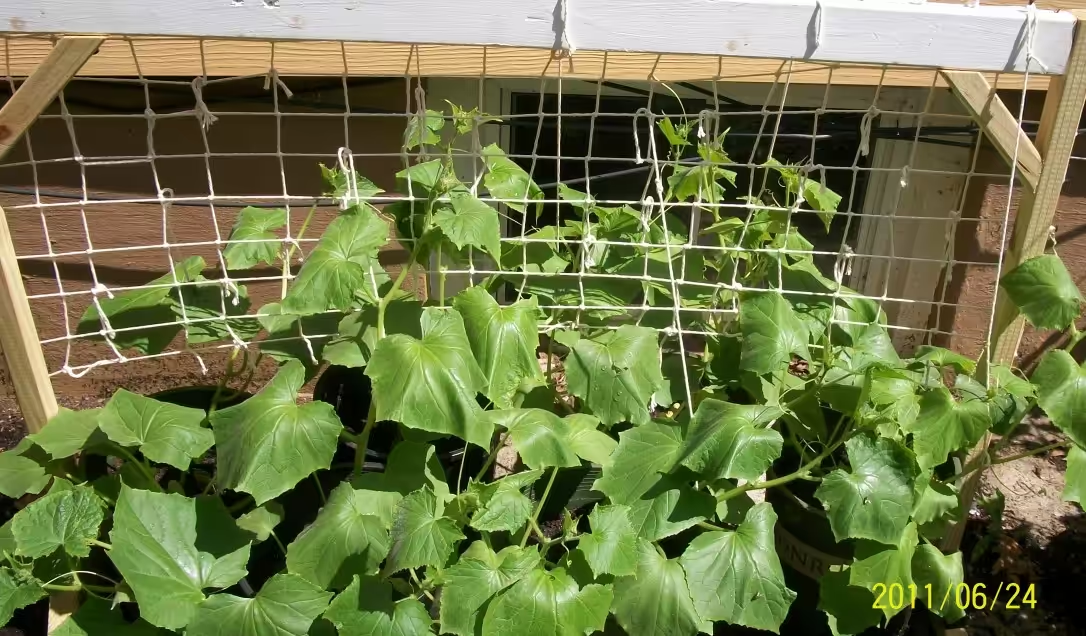
Train vining cucumbers vertically to reduce fruit contact with soil, improve airflow, and make beetle scouting simpler. In containers choose compact or bush varieties and use a potting mix with at least 30 percent coarse material to prevent waterlogging. For pruning techniques that reduce disease spread and improve air circulation see the site guide on pruning cucumbers: How to Prune Cucumber Plants.
Environmental Stressors That Can Weaken Roots And Cause Wilting
Beyond water and pathogens, modern contaminants and fine particulates can stress root activity and nutrient uptake, increasing the likelihood of wilting under other stresses. Recent research describes how polystyrene nanoplastics reduce root activity and mineral content in cucumber seedlings, which can exacerbate wilting under marginal growing conditions: The distribution and impact of polystyrene nanoplastics on cucumber plants.
Organic And Chemical Options For Beetle And Disease Management
There is no effective chemical cure for a plant already infected with bacterial wilt. Management focuses on beetle exclusion, early-season row covers, and insecticide use guided by thresholds and extension recommendations. For preventive control of general pests and early disease pressure, gardeners may consider labeled sprays formulated for cucurbits; product examples include various cucumber wilt remedy sprays, which should be used as part of an integrated program following label directions.
When To Remove Plants And How To Dispose Of Them Correctly
If bacterial wilt is confirmed or strongly suspected remove affected vines immediately and place them in the trash rather than compost to avoid spreading the bacterium. For heavy Phytophthora or Fusarium, remove severely affected plants, improve drainage, and delay replanting cucurbits until soil conditions and management steps have reduced pathogen risk.
Where To Get Local Diagnostic Help And Further Reading
Send fresh symptomatic samples to your local extension diagnostic lab for precise identification and tailored recommendations; extension services also publish region-specific thresholds and treatment protocols. For a compact symptom key and management charts consult Cornell’s cucumber disease resources, and for broader context on common cucumber leaf problems see the site article covering yellowing and related causes: Why Are My Cucumber Leaves Turning Yellow?.
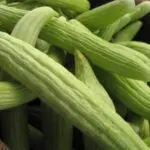
For planting schedules and variety notes that reduce disease pressure, consider the Armenian cucumber planting guide, which explains spacing and seasonality useful for avoiding heat and moisture stress: Armenian cucumber planting guide.
```
3 Reasons Your Cucumber Plants Suddenly Wilt:
Why Are My Cucumber Leaves Turning Yellow? Common Causes and Solutions
Cucumber leaves turning yellow is a problem that can leave gardeners scratching their heads. Whether you're new to gardening or a seasoned planter, yellowing leaves often signal an underlying issue that needs attention. Let’s explore the most common culprits and, more importantly, how you can fix them.
1. Watering Woes
Cucumber plants are picky about water—too much or too little can lead to yellowing leaves. Striking that perfect balance is key.
- Overwatering: Excessive water can drown the roots, causing root rot and yellow leaves that eventually wilt and fall off. Ensure your plant's soil drains well and only water when the top inch feels dry.
- Underwatering: Not enough water causes the edges of leaves to brown before turning yellow and falling. Typically, cucumbers need about one inch of water per week, so be consistent with your watering schedule, especially during hot spells.
2. Sunburned & Stressed
Cucumbers thrive in sunlight, but even they can get sunburned. If your plants are getting over six hours of intense, unfiltered sunlight daily, yellow and scorched leaves may follow.
Solution: Use a shade cloth to block the harshest afternoon rays or relocate potted plants to an area with partial shade. The balance between sunlight and cooling shade can work wonders.
For additional insight on diagnosing cucumber plant issues, consider visiting Cucumber Leaves Turning Yellow? Here’s What You Need to Know.
3. Nutrient Deficiencies
Cucumber leaves often turn yellow because they’re not getting the right nutrients. Here's how to identify and treat some common deficiencies:
| Deficiency | Symptoms | Solution |
|---|---|---|
| Nitrogen | Slower growth, uniform yellow leaves | Apply a balanced fertilizer or liquid kelp spray |
| Potassium | Yellow aging leaves with scorched edges | Use a fertilizer labeled for potassium |
| Iron | Pale yellow newer leaves with green veins | Apply iron-rich fertilizers |
Start by testing your soil so you know which nutrient is lacking. Adding compost or an all-purpose NPK fertilizer before planting can help prevent deficiencies altogether.
4. Pesky Pests & Diseases
Yellow leaves can be an SOS signal for pest or disease infestations. Here’s what to look for:
- Aphids: These tiny bugs suck sap from the leaves, leaving them yellow and sticky from honeydew. They can also spread the dreaded cucumber mosaic virus, which adds curling or mottling.
- Spider Mites: These microscopic pests create yellow specks and fine webs along the leaves.
- Cucumber Mosaic Virus (CMV): Besides yellow spots, you’ll notice stunted growth and a strange "mosaic" pattern on infected leaves.
For further guidance, check out more on How to Prune Cucumber Plants, which may also aid in maintaining plant health.
Solution: Prune and discard infected leaves as soon as you spot them. For bugs, spray leaves with insecticidal soap or introduce natural predators like ladybugs. If your plant has CMV, sadly, you’ll need to remove and dispose of the entire plant (don’t compost it!).
5. The Aging Act
If the older, lower leaves are turning yellow while the newer ones look lively, don’t panic—it might just be nature’s way. As cucumber plants mature, they prioritize newer growth, letting older leaves die off. Simply snip off the aging leaves to keep the plant looking tidy.
Prevention Is Key
A little proactive care can go a long way in keeping your cucumber leaves green and thriving:
- Ensure consistent watering and soil drainage.
- Use a balanced fertilizer to maintain soil nutrients.
- Implement pest management early by using row covers or traps.
- Regularly prune to promote airflow and sunlight penetration.
Tackle That Yellow, One Leaf at a Time
Now that you're armed with these solutions, it’s time to give your cucumber plants the TLC they need. Spot the issue, act early, and before you know it, you’ll be back to growing lush, green, and productive cucumber plants.
For comprehensive information on common cucumber problems, refer to this resource.
Have you battled yellowing cucumber leaves before? Share what worked for you in the comments below—we’d love to hear your tips!
LiquiDirt All Purpose Organic Fertilizer Balanced
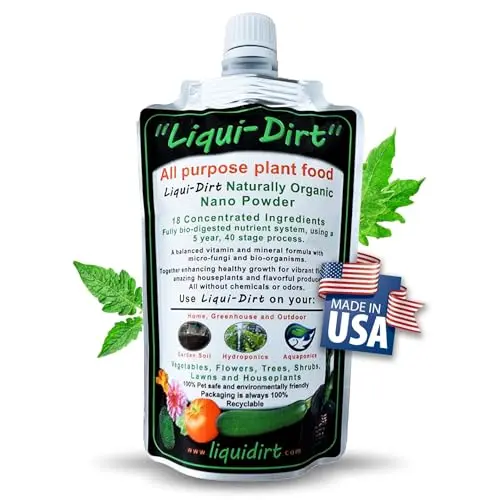
LiquiDirt All Purpose Organic Fertilizer is a versatile, balanced nutrient solution designed for a wide range of plant types, including indoor, outdoor, and hydroponic systems. This eco-friendly, all-natural formula promotes healthy growth by providing essential vitamins, minerals, and microorganisms. Ideal for enhancing the vigor of flowers, vegetables, trees, and lawns, LiquiDirt supports sustainable gardening and plant care.
Sarasota Green Group Disease Control
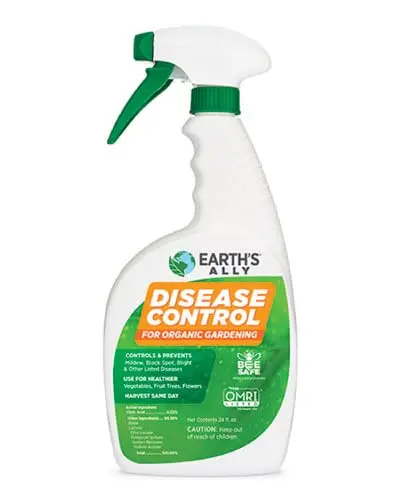
The Sarasota Green Group Disease Control is a specialized product designed to effectively manage and prevent plant diseases. It provides targeted protection for lawns, gardens, and landscapes, utilizing environmentally friendly ingredients to safeguard plants without harming the surrounding ecosystem. Ideal for both novice gardeners and experienced horticulturists, this product ensures healthier plants through its easy application and reliable results.
As you embark on the journey to rescue your cucumber plants and restore their leafy vibrance, remember that gardening is a path of continuous learning and growth. If you have any questions or would love to share your gardening triumphs and tribulations, I'd be thrilled to connect with you! You can follow our garden adventures and tips on Pinterest or dive into our daily plant-inspired stories on Instagram. For those who enjoy a good garden chat, why not join the conversation on X (formerly Twitter) or find more in-depth discussions on our Facebook page? We love hearing from fellow gardening enthusiasts, so don't hesitate to reach out. Here's to thriving gardens and many more green moments together! 🌱
How can I remedy yellowing leaves on cucumber plants?
Cucumber plants are known for their high nutrient demands, and yellowing leaves often indicate a lack of nutrients. To address this issue, consider using organic fertilizers such as blood meal or potassium. These can effectively help restore the vibrant green color of your cucumber plant's leaves.
What are the signs of overwatering in cucumber plants?
Cucumber plants that receive too much water are at risk of developing root rot. Initial indicators include the top leaves wilting, becoming yellow, and eventually falling off. As the situation worsens, these symptoms can progress downward along the vines, ultimately leading to a complete loss of leaves and plant death.
How frequently should cucumbers be watered?
Cucumbers are rapid growers and require consistent care to thrive. Ensure the soil remains consistently moist by providing about an inch of water each week, increasing the amount during hot, dry spells. Insufficient or irregular watering may result in cucumbers with unusual shapes or less desirable flavors.
Cucumber plants can wilt for several reasons, including improper watering, pest infestations, or diseases. Assessing the soil moisture and checking for signs of pests or mildew can help identify the cause. Regular monitoring and prompt action can often restore your plants to health.
More from Architecture Adrenaline
For more insights and tips related to gardening and plant care, visit our social media channels. You can find us on Instagram for regular updates and discussions.