Where is the internet stored? The answer lies within the massive global network of data centers, strategically located in key areas like Loudoun County, Virginia—home to one of the world's major internet exchanges known as "Data Center Alley." This is where the tangible infrastructure of the internet resides, consisting of over 500,000 data centers worldwide housing the essential servers and enabling the vast, intricate web of connections that keep the digital world humming. These centers are the unsung heroes of the internet, storing millions of terabytes of data and ensuring seamless access and connectivity across the globe.
| Feature | Description |
|---|---|
| Location | Loudoun County, Virginia known as "Data Center Alley" |
| Global Reach | Over 500,000 data centers worldwide |
| Data Storage | Millions of terabytes stored on enterprise-class servers |
| Infrastructure Components | Includes fiber-optic cables, backup generators, and cooling systems |
| Security | Advanced security measures with redundancy systems |
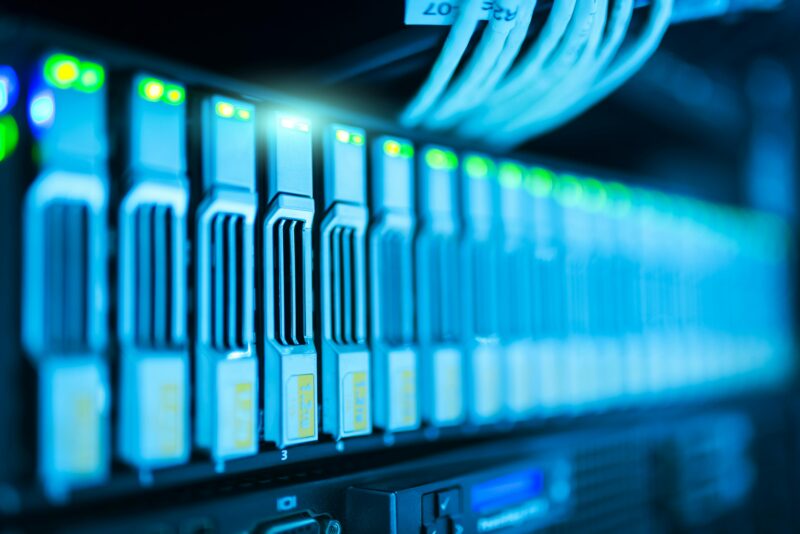
Data centers are the unsung heroes that keep the internet running smoothly. These massive facilities house enterprise-class servers capable of storing millions of terabytes of data. Whether you're streaming a movie, browsing social media, or conducting important business transactions, it's data centers that make it all possible. They provide essential services like power, cooling, and connectivity, ensuring that your online experiences are seamless and uninterrupted 24/7.

Loudoun County, Virginia, proudly earns the title of "Data Center Alley" or the "cloud capital of the world." This area hosts over 100 data centers and manages approximately 70% of global internet traffic through its extensive fiber network. The development began in the 1990s with pioneers like America Online (AOL) and quickly attracted tech giants such as Amazon and Google. Today, Loudoun County is a critical hub for internet infrastructure, playing a pivotal role in maintaining the global digital economy.
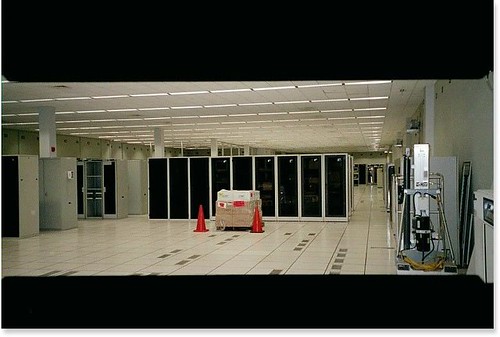
Security is a top priority for data centers. These facilities are designed to protect sensitive information with advanced security measures, including biometric access controls and continuous monitoring. Additionally, data centers are equipped with redundancy systems like backup generators and cooling systems to safeguard against power outages and other disruptions. This robust infrastructure ensures that data remains secure and accessible, even in the face of unexpected challenges.

Operating data centers requires substantial energy, with some facilities consuming over 100 MW—enough to power 80,000 homes. To mitigate their environmental impact, many data centers are adopting sustainable practices, such as using renewable energy sources and implementing energy-efficient cooling technologies. Despite these efforts, the high energy demand remains a significant concern, highlighting the need for continued innovation in green data center solutions.
While data centers are crucial, the physical infrastructure of the internet extends beyond land. Submarine internet cables span the oceans, linking continents and facilitating global connectivity. These cables, like the Marea cable between the U.S. and Spain, are vital for high-speed data transfer. However, they are also vulnerable to damage from natural disasters, fishing activities, and even deliberate sabotage, underscoring the importance of protecting these critical pathways.
As the demand for data continues to grow, the internet's physical infrastructure must keep pace. Innovations in data center technology, such as improved energy efficiency and enhanced security measures, are essential for supporting the increasing volume of data. Additionally, expanding the network of submarine cables will further bolster global connectivity, ensuring that the internet remains a reliable and accessible resource for everyone.
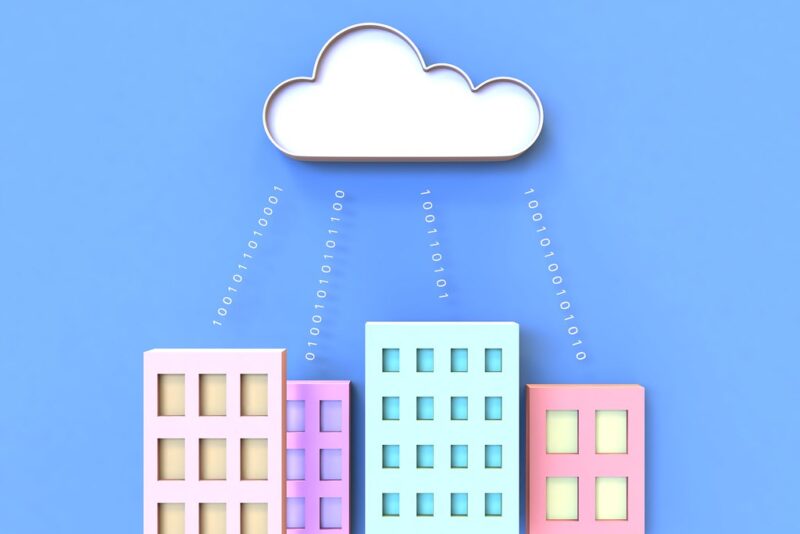
The internet's intricate physical infrastructure is a marvel of modern technology, seamlessly connecting the world in ways we often take for granted. What aspects of this hidden backbone intrigue you the most? Share your thoughts and let's dive deeper into the fascinating world behind the screens!
For more of our most recent articles and content, explore our blog.
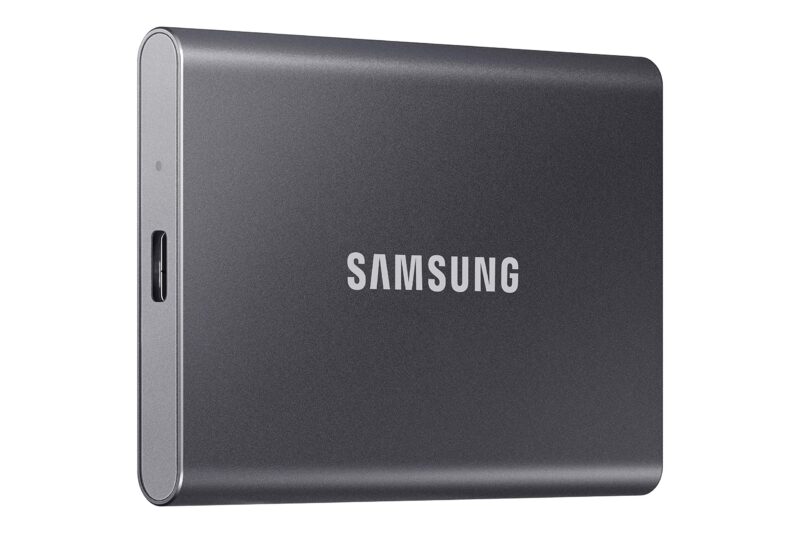
The SAMSUNG T7 Portable SSD, 2TB External Solid State Drive is the perfect solution for reliable and fast data storage. With speeds of up to 1050MB/s, this compact and lightweight SSD is ideal for gamers, students, and professionals who need quick access to large files. Featuring USB 3.2 Gen 2 connectivity, it ensures seamless data transfer and backup, making it a versatile storage companion for any device. Whether you're storing important documents or extensive media files, the SAMSUNG T7 provides the speed and security you need.
Where is the internet stored? The answer lies within the massive global network of data centers, strategically located in key areas like Loudoun County, Virginia—home to one of the world's major internet exchanges known as "Data Center Alley." To gain a deeper understanding of how these data centers operate and facilitate the internet's functionality, check out Sabin Civil Engineering's video, "How does the INTERNET work? | ICT #2."
To truly understand where the Internet is stored, it helps to picture rows of servers humming away inside massive data centers. These facilities are scattered across the globe, connected by a web of fiber optic cables and undersea lines. Although the Internet feels like an intangible force, it actually relies on physical equipment housed in secure buildings where data is processed, stored, and transmitted.
Internet servers are distributed worldwide, with large concentrations in technology hubs like the United States, Germany, the United Kingdom, and France. Increasingly, countries around the globe are building out high-tech data centers to meet growing demands for cloud services, video streaming, and other online activities. Wherever you check your email or stream your favorite show, there’s a server somewhere helping make that connection happen.
No single company or government owns the Internet. Instead, it’s a vast mesh of networks that voluntarily interconnect, each with its own policies and infrastructure. Various organizations oversee standards and protocols—like the Internet Corporation for Assigned Names and Numbers (ICANN)—ensuring data can flow smoothly across different networks. But in the end, no single authority controls it all.
There’s no single “headquarters” for the Internet, and that’s by design. This global network is decentralized, meaning it doesn’t depend on one central machine or organization. If any one data center or cable goes down, the Internet reroutes its traffic through other paths. This resilience is what makes modern online communication nearly seamless, even during outages or peak usage times.
The internet's vast and intricate network is housed within countless data centers spread across the globe. These facilities are the unsung heroes that ensure our digital experiences are seamless, whether we're browsing, streaming, or connecting with others. It's incredible to think about the sheer scale and coordination required to keep the internet running smoothly every single day.
If you found this exploration interesting, we'd love for you to stay updated with more insights and behind-the-scenes looks. Follow us on Instagram to join our community and keep discovering the amazing structures that power our online world!
{"@context":"https://schema.org","@type":"BlogPosting","headline":"Where Is The Internet Stored: Inside the World’s Data Centers","url":"https://www.architectureadrenaline.com/where-is-the-internet-stored-inside-the-worlds-data-centers/","datePublished":"2025-03-23T03:08:38-07:00","dateModified":"2026-05-15T18:08:32-07:00","author":{"@type":"Person","name":"JJ","sameAs":["https://www.linkedin.com/in/architectureadrenaline/","https://twitter.com/archiadrenaline"]},"image":{"@type":"ImageObject","url":"https://www.architectureadrenaline.com/wp-content/uploads/2025/03/pexels-photo-1148820-800x534.jpg","width":1200,"height":630},"publisher":{"@type":"Organization","name":"Architecture Adrenaline","logo":{"@type":"ImageObject","url":"https://architectureadrenaline.com/wp-content/uploads/logo.png"}},"breadcrumb":{"@type":"BreadcrumbList","itemListElement":[{"@type":"ListItem","position":1,"name":"Home","item":"https://architectureadrenaline.com/"},{"@type":"ListItem","position":2,"name":"Where Is The Internet Stored: Inside the World’s Data Centers","item":"https://www.architectureadrenaline.com/where-is-the-internet-stored-inside-the-worlds-data-centers/"}]},"mainEntityOfPage":{"@type":"WebPage","@id":"https://www.architectureadrenaline.com/where-is-the-internet-stored-inside-the-worlds-data-centers/"}}
{"@context":"https://schema.org","@type":"FAQPage","mainEntity":[{"@type":"Question","name":"Understanding Data Centers: The Backbone of the Internet","acceptedAnswer":{"@type":"Answer","text":"Data centers are the unsung heroes that keep the internet running smoothly. These massive facilities house enterprise-class servers capable of storing millions of terabytes of data. Whether you're streaming a movie, browsing social media, or conducting important business transactions, it's data centers that make it all possible. They provide essential services like power, cooling, and connectivity, ensuring that your online experiences are seamless and uninterrupted 24/7."}},{"@type":"Question","name":"The Rise of Data Center Alley: Loudoun County's Dominance","acceptedAnswer":{"@type":"Answer","text":"Loudoun County, Virginia, proudly earns the title of "Data Center Alley" or the "cloud capital of the world." This area hosts over 100 data centers and manages approximately 70% of global internet traffic through its extensive fiber network. The development began in the 1990s with pioneers like America Online (AOL) and quickly attracted tech giants such as Amazon and Google. Today, Loudoun County is a critical hub for internet infrastructure, playing a pivotal role in maintaining the global digital economy."}},{"@type":"Question","name":"Security and Reliability in Data Centers","acceptedAnswer":{"@type":"Answer","text":"Security is a top priority for data centers. These facilities are designed to protect sensitive information with advanced security measures, including biometric access controls and continuous monitoring. Additionally, data centers are equipped with redundancy systems like backup generators and cooling systems to safeguard against power outages and other disruptions. This robust infrastructure ensures that data remains secure and accessible, even in the face of unexpected challenges."}},{"@type":"Question","name":"The Environmental Impact and Energy Consumption","acceptedAnswer":{"@type":"Answer","text":"Operating data centers requires substantial energy, with some facilities consuming over 100 MW—enough to power 80,000 homes. To mitigate their environmental impact, many data centers are adopting sustainable practices, such as using renewable energy sources and implementing energy-efficient cooling technologies. Despite these efforts, the high energy demand remains a significant concern, highlighting the need for continued innovation in green data center solutions."}},{"@type":"Question","name":"Submarine Cables: Connecting the World","acceptedAnswer":{"@type":"Answer","text":"While data centers are crucial, the physical infrastructure of the internet extends beyond land. Submarine internet cables span the oceans, linking continents and facilitating global connectivity. These cables, like the Marea cable between the U.S. and Spain, are vital for high-speed data transfer. However, they are also vulnerable to damage from natural disasters, fishing activities, and even deliberate sabotage, underscoring the importance of protecting these critical pathways."}},{"@type":"Question","name":"The Future of Internet Infrastructure","acceptedAnswer":{"@type":"Answer","text":"As the demand for data continues to grow, the internet's physical infrastructure must keep pace. Innovations in data center technology, such as improved energy efficiency and enhanced security measures, are essential for supporting the increasing volume of data. Additionally, expanding the network of submarine cables will further bolster global connectivity, ensuring that the internet remains a reliable and accessible resource for everyone."}}]}

Immerse yourself in architecture’s most boundary-pushing ideas—where innovative home improvements meet visionary urban developments. Discover new building techniques, materials, and creative concepts that are redefining how we shape our spaces on a global scale.

