Trim monkey grass when last season’s leaves are brown, tattered, or showing disease and before new shoots push up in spring. The best single rule is this: cut when the crown is still dormant so you remove only dead foliage and avoid cutting emerging shoots. This article explains the seasonal window, clear diagnostic signs that justify cutting, recommended cut heights and tools, how to limit anthracnose and other foliar diseases, and short aftercare steps for fast recovery.
Seasonal Window for Trimming
Late winter to early spring is the safest window because crowns remain dormant and new shoots are not yet visible. In USDA Zones 8-10 that often means January through early February; in cooler zones wait until March. For warmer, subtropical sites trim earlier and avoid cutting if you see swelling buds at the crown.
For region-specific timing and methods in warm Texas climates consult the Austin municipal plant guide on monkey grass and liriope trimming to align pruning with local growing seasons and frost dates. Monkey grass (Liriope) plant guide - Austin Water
Clear Signs It Is Time to Cut
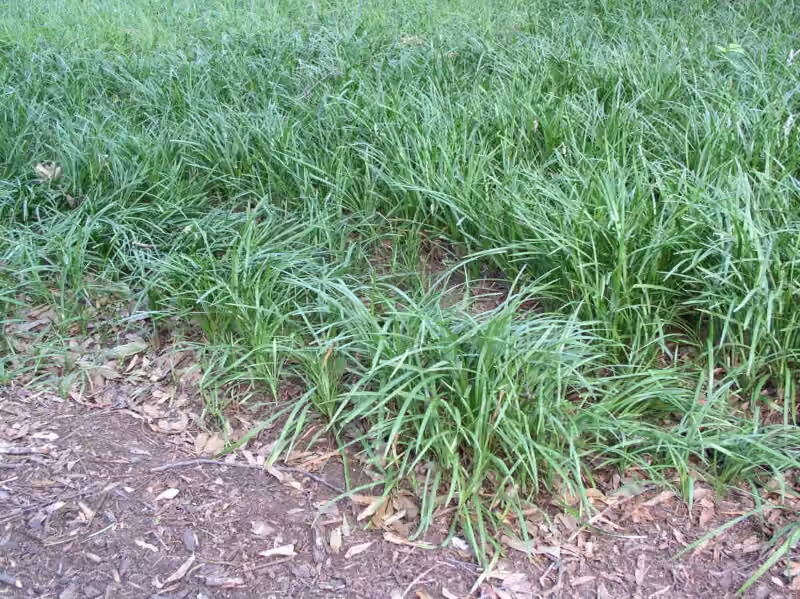
- Widespread browning, ragged tips, or a stringy texture across more than 30 percent of the clump.
- Flower stalks and seed heads are spent and you want a tidy bed before spring flush.
- Brown spots or rust-colored lesions covering many leaves, which indicate foliar disease that can overwinter in dead blades.
- Clumps are overcrowded and you plan to divide them while crowns are still dormant.
Tools, Techniques, and Cut Heights
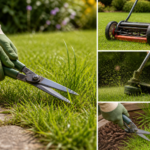
Select tools by scale. Use sharp hand shears for single clumps and a mower on the highest deck setting for large beds. A string trimmer is appropriate for bulk removal only when followed by hand trimming to protect crowns.
- Conservative refresh: leave 2 to 3 inches above the crown to protect emerging tissue and speed recovery.
- Aggressive rejuvenation: cut to 1 to 2 inches for vigorous regrowth, accepting a brief bare period.
For a practical tool option when performing the hand trimming described here, consider a dedicated pair of liriope pruning shears for clean cuts and wrist comfort. liriope pruning shears
How Disease Affects Timing and Cleanup
Anthracnose and similar fungal diseases can survive on dead foliage and re-infect new growth. Remove and dispose of infected leaves during the late-winter trim to reduce inoculum. Do not compost heavily diseased material on-site unless your compost reaches full pathogen-killing temperatures.
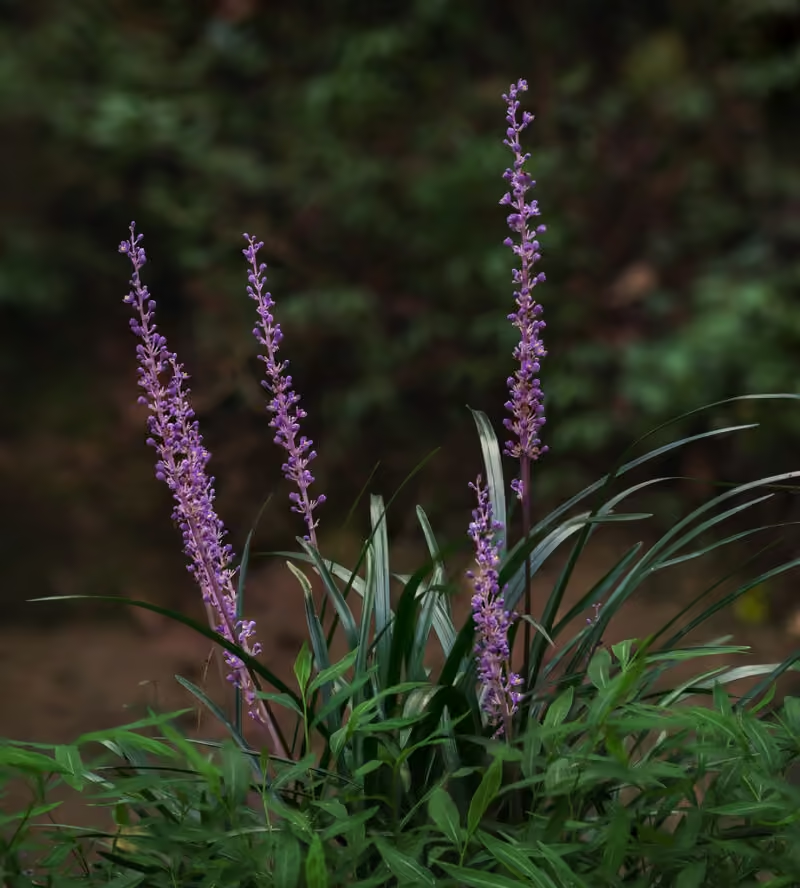
If disease recurs after cultural measures, refer to university extension recommendations for diagnosis and next steps before applying fungicides. The NC State Extension factsheet summarizes pruning intervals, sanitation, and common disease symptoms for liriope in temperate settings. Liriope (monkey grass) - NC State Extension
Regional Calendars and Practical Adjustments
Adjust trimming to local microclimate and cultivar. For dense, evergreen varieties planted in shaded beds you can delay a light cleanup to preserve winter interest; for quickly greening types or sun-exposed beds trim earlier. The University of Arkansas extension guidance gives practical cut-and-care timing that applies across a broad southern-to-temperate band. Monkey grass (Liriope) - UAEX
Dividing and Plant Repair After Pruning
Late winter trimming pairs well with dividing crowded clumps. Lift the clump, split into sections of at least 8 to 12 inches with healthy roots, and replant at the original crown depth. Water newly divided plants well and firm the soil to remove air pockets. Division reduces crowding, improves airflow, and renews vigor in spreading types.
One-Pass Versus Two-Pass Methods
For large areas use a two-pass approach for speed and protection. First pass: remove bulk dead material with a mower set high or a string trimmer. Second pass: use hand shears to refine the crown and leave 2 to 3 inches of green base. Two passes reduce accidental damage to the crown and shorten plant recovery time.
Maintenance Steps After Cutting
- Collect and remove diseased leaves from the site; do not leave them in the bed.
- Apply a light, balanced fertilizer only after fresh shoots appear in spring; avoid late-season nitrogen that delays dormancy.
- Water in the morning to dry foliage by afternoon and reduce disease pressure.
- Add 1 to 2 inches of mulch but keep it pulled back from the crown to avoid moisture buildup and rot.
Common Mistakes and Prevention
- Trimming after new growth appears. If shoots are visible, use hand shears and trim conservatively to avoid shearing new blades.
- Using dull tools that tear rather than cut. Maintain sharp bypass shears and a well-tuned mower blade for clean wounds.
- Leaving infected debris in the bed. Sanitation during the dormant trim lowers disease carryover.
Quick Decision Checklist
- If crowns are dormant and soil is still cool, trim now.
- If new shoots are visible, delay or perform careful hand trimming only.
- If foliar disease is present, remove infected leaves and consult local extension guidance before spraying.
Local Municipal and Landscape Standards
Municipal landscape guidelines can affect timing and method for routine maintenance in managed developments. As a regional example of municipal landscape practices that mention liriope maintenance and pruning expectations, review the City of Prosper’s landscaping guidance for context on standards and typical maintenance windows. Landscaping in Prosper - City of Prosper, TX
Reference Guidance
Extension programs uniformly recommend a late-winter to early-spring sanitary cleanup and conservative cutting heights to protect crowns. For concise, practical post-cut care and groundcover-specific advice see the UAEX and NC State pages cited above, and use local municipal guidance when working in regulated landscapes. The Architecture Adrenaline article that complements this practical guidance highlights timing and basic trimming technique for quick review. When to Trim Monkey Grass: Expert Tips for Healthy Growth
| Topic | Practical Guidance |
|---|---|
| Best timing | Late winter to early spring, before new shoots appear |
| Cut height | 2-3 inches for neatness; 1-2 inches for rejuvenation when you accept a brief bare period |
| Tools | Sharp hand shears for precision; mower or string trimmer for bulk, then refine by hand |
For additional background on general trimming and maintenance intervals in temperate gardens consult the NC State and UAEX resources above, and for localized timing in warm Texas climates use the Austin plant guide. For more articles on plant care and landscape maintenance from this site, see the Architecture Adrenaline homepage and the site’s architecture category for related planting and maintenance posts. Architecture Adrenaline home architecture category
```
Related Video
Timing is key when it comes to trimming monkey grass. By accurately assessing the plant's growth cycles, you can ensure a thriving, well-maintained landscape. Pruning in early spring before new growth or in late winter can help keep monkey grass healthy and promote lush, dense foliage.
More from Architecture Adrenaline
For additional insights on landscaping and maintenance, check out our social media channels. You can find more posts like this on Instagram. Staying informed will help you keep your outdoor spaces looking their best.