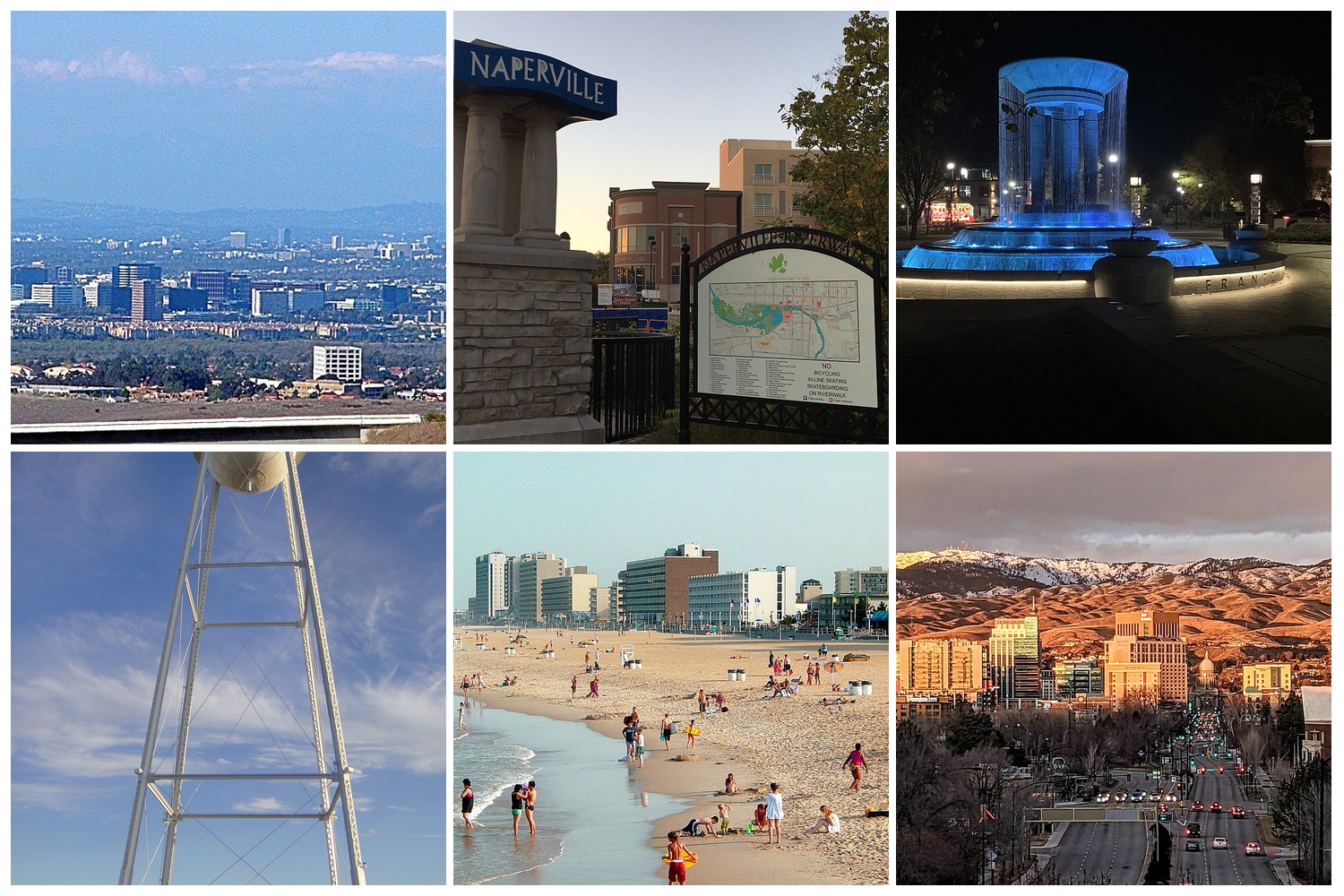
This ranking identifies the top 10 safest cities in the US by analyzing recently reported crime rates from available public data sources, including FBI crime statistics and local law enforcement reports. Our methodology considers reported violent and property crime rates per capita, urban density, and community design factors that influence safety. Data caveats include variations in crime reporting practices and year-to-year fluctuations, so these rankings reflect current trends rather than absolute or permanent safety statuses. Populations range from small suburban communities to mid-size cities, contextualizing safety within urban form and planning frameworks relevant for architects and designers focused on safe city environments.

Primary concern: Violent crime rate | Data caveat: Suburban context with affluent population | Urban context: Planned community with mixed-use developments | Population note: Approximately 300,000 residents
Irvine, California consistently reports some of the lowest violent and property crime rates among U.S. cities its size. Its master-planned neighborhoods integrate defensible space principles pioneered by architect and planner Kevin Lynch, emphasizing visibility and space permeability. Strategic lighting, comprehensive CCTV surveillance infrastructure, and community policing are embedded into its urban design. Architecturally, Irvine’s balance of residential, commercial, and green space supports natural surveillance and social cohesion. Why it matters architecturally: Irvine exemplifies how comprehensive urban planning and landscape architecture can effectively reduce crime risk through environmental design.
Source: FBI Uniform Crime Reporting, Irvine Police Department Annual Report

Primary concern: Property crime rate | Data caveat: Mid-size suburban city with diverse architecture | Urban context: Historic preservation combined with new suburban development | Population note: Approximately 150,000 residents
Naperville, Illinois ranks highly due to consistently low reported crime rates driven by community connectivity embedded in its urban fabric. Historic neighborhoods, pedestrian-friendly streetscapes, and well-lit public spaces foster positive social interactions that deter crime. The Riverwalk redevelopment project integrates natural water features and public gathering spaces that enhance safety through active public use. Naperville’s architectural vernacular blends traditional styles with contemporary suburban design to create welcoming, safe environments. Why it matters architecturally: Naperville’s use of mixed-use civic spaces shows how restorative urban design contributes to community safety.
Source: Naperville Police Department Crime Statistics 2023

Primary concern: Violent crime rate | Data caveat: Rapidly growing tech hub with suburban sprawl | Urban context: Low-rise residential with integrated parks | Population note: Approximately 175,000 residents
Cary, North Carolina’s low crime rates correlate with its emphasis on green infrastructure and neighborhood-scale design. Public parks are plentiful and strategically located to increase visibility and break up dense housing blocks, reducing opportunities for crime. Innovative pedestrian trail systems and open community centers reinforce social oversight. Cary’s suburban development models showcase restrained architectural massing and thoughtful streetscape design supporting safe circulation. Why it matters architecturally: Cary illustrates how suburban landscape architecture and open space design reduce urban safety risks.

Primary concern: Property and violent crime rates | Data caveat: Fast-growth city with mixed commercial-residential zones | Urban context: New urbanism principles applied in master planning | Population note: Approximately 230,000 residents
Frisco, Texas’s rise as a safe city is tied to new urbanist planning principles, incorporating walkable neighborhoods, street grid clarity, and controlled building heights for natural surveillance. Mixed-use developments blend seamlessly with single-family homes, creating activity nodes that remain lively into evening hours, discouraging illicit behavior. Modern public lighting design standards and advanced security camera networks enhance these effects. Why it matters architecturally: Frisco’s approach to mixed-use, pedestrian-oriented planning is a case study in crime prevention through environmental design (CPTED).

Primary concern: Low violent crime rate with focus on community policing | Data caveat: Desert climate influences building materials | Urban context: Suburban sprawl with emphasis on single-family homes | Population note: Approximately 260,000 residents
Gilbert, Arizona’s safety profile benefits from uniform residential architecture, generally low-density neighborhoods, and comprehensive community engagement programs. Use of adobe-style architecture and light-colored materials reduces urban heat islands, supporting more evening outdoor activity and increased public monitoring. Design emphasis on front porches, cul-de-sacs, and neighborhood parks fosters neighborhood cohesion that is proven to deter crime. Why it matters architecturally: Gilbert demonstrates how local climate-sensitive architectural choices align with safety-driven urban design.

Primary concern: Property crime reduction through technological integration | Data caveat: Growing tech sector influences demographics | Urban context: Suburban neighborhood with integrated open spaces | Population note: Approximately 150,000 residents
Bellevue, Washington leverages smart city technologies with rigorous urban planning to maintain low crime rates. Its signature downtown high-rises, designed by noted firms like NBBJ, incorporate secure access, surveillance, and natural sightlines in public plazas. Extensive greenbelt systems around neighborhoods allow informal surveillance by residents. Bellevue’s modernist architectural traits and expansive glass facades encourage transparency in private-public interfaces. Why it matters architecturally: Bellevue exemplifies the integration of contemporary architectural materials and urban technology in crime mitigation.

Primary concern: Low overall crime in planned suburban layouts | Data caveat: Economically diverse population subsets | Urban context: Extensive use of cul-de-sacs and planned zoning | Population note: Approximately 290,000 residents
Plano, Texas maintains a reputation for safety due to rigorous land-use zoning, limiting mixed land-use conflicts associated with higher crime rates. Residential neighborhoods emphasize gated communities, cul-de-sacs, and buffer landscaping providing controlled access points. Commercial centers are clustered and fortified with contemporary security design elements. Plano’s architecture often prioritizes defensible space principles, implementing semi-private transitional zones in multi-family housing. Why it matters architecturally: Plano highlights how zoning and building design complement to maintain safe urban environments.

Primary concern: Low violent crime in affluent suburban settings | Data caveat: Limited ethnic diversity may affect social dynamics | Urban context: Low-density, heavily landscaped residential neighborhoods | Population note: Approximately 130,000 residents
Thousand Oaks, California’s low crime rates are supported by extensive use of natural buffers and layered vegetation in residential design, limiting visibility from outsiders while maintaining internal control. The city incorporates Mediterranean Revival architectural motifs with tiled roofing and stucco exteriors that support cohesive community identity. Public parks and trails are designed for multiple daytime uses with controlled lighting. Why it matters architecturally: Thousand Oaks demonstrates how cultural architectural identity and landscape architecture foster community safety.
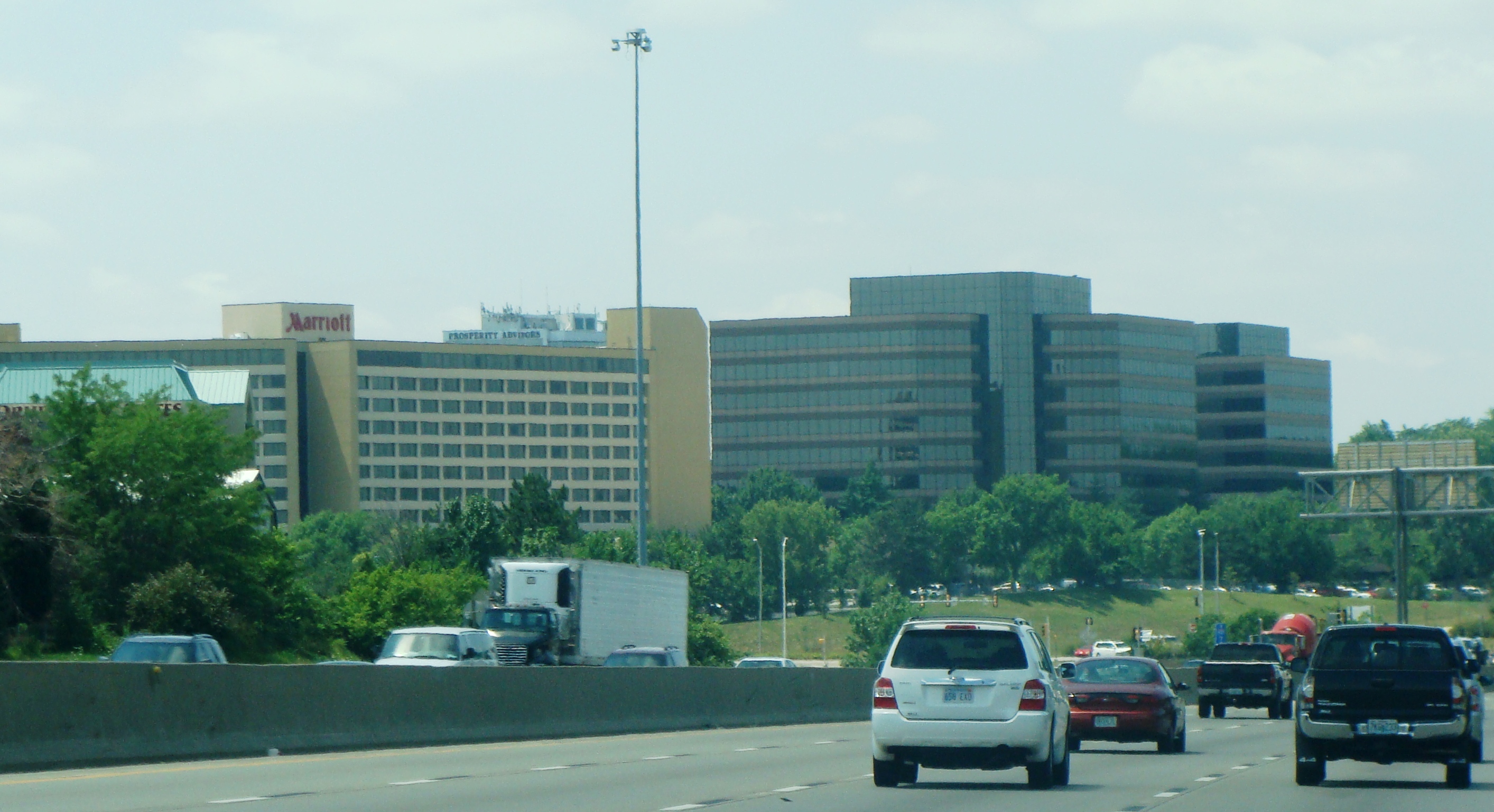
Primary concern: Crime reduction through community design and policing | Data caveat: Midwestern small city context | Urban context: Mix of historic districts and modern housing | Population note: Approximately 195,000 residents
Overland Park, Kansas benefits from a strategic blend of well-preserved historic neighborhoods and contemporary subdivisions emphasizing safe public realms. Its urban design principles focus on walkability, public art, and neighborhood watch programs with direct architectural implications in lighting, pathway design, and entryway treatments. Overland Park also enforces strict building codes that enhance safety in multi-family housing. Why it matters architecturally: The city exemplifies the synergy between historic preservation and modern urban safety design strategies.

Primary concern: Balanced property and violent crime rates | Data caveat: Tourism influences population fluctuations | Urban context: Desert city with emphasis on resort-style planning | Population note: Approximately 260,000 residents
Scottsdale, Arizona’s reputation for safety ties to a combination of resort-style urban planning and residential design encouraging community engagement. Its use of open-air public plazas, shaded walkways, and Southwestern architectural elements promotes defensible space and natural surveillance. The city’s master plans include integrated security features within gated neighborhoods and commercial zones. Why it matters architecturally: Scottsdale showcases how culturally contextual design elements can be optimized to enhance urban safety without sacrificing aesthetic value.
Safest cities rankings typically rely on reported crime rates, including violent and property crimes per capita, along with urban design factors that influence safety such as community layout and public space management.
Urban design affects safety through features like natural surveillance, controlled access, lighting, and mixed-use developments that encourage active public spaces, reducing opportunities and incentives for crime.
No, safety rankings can fluctuate due to changes in crime reporting, population shifts, urban development, and law enforcement strategies, so these represent recent data trends rather than permanent statuses.
The top 10 safest cities in the US by available public data showcase how urban planning and architectural design critically influence community safety. From master-planned developments to historic preservation, these cities implement defensible space, natural surveillance, and mixed-use environments that contribute to lower crime rates. Architects and planners can draw valuable lessons from these examples in integrating safety into the design fabric without compromising aesthetic and functional aspirations. Understanding the interplay of built environment and social dynamics remains essential for fostering secure, livable urban spaces.
For more architecture, cities, public spaces, materials, and design ideas, browse Architecture Adrenaline’s latest guides.