
These houses changed residential design by rethinking how structure, landscape, transparency, technology, and everyday living fit together. The ranking focuses on homes whose ideas traveled far beyond their sites, influencing architects, clients, and the way modern domestic space is imagined.
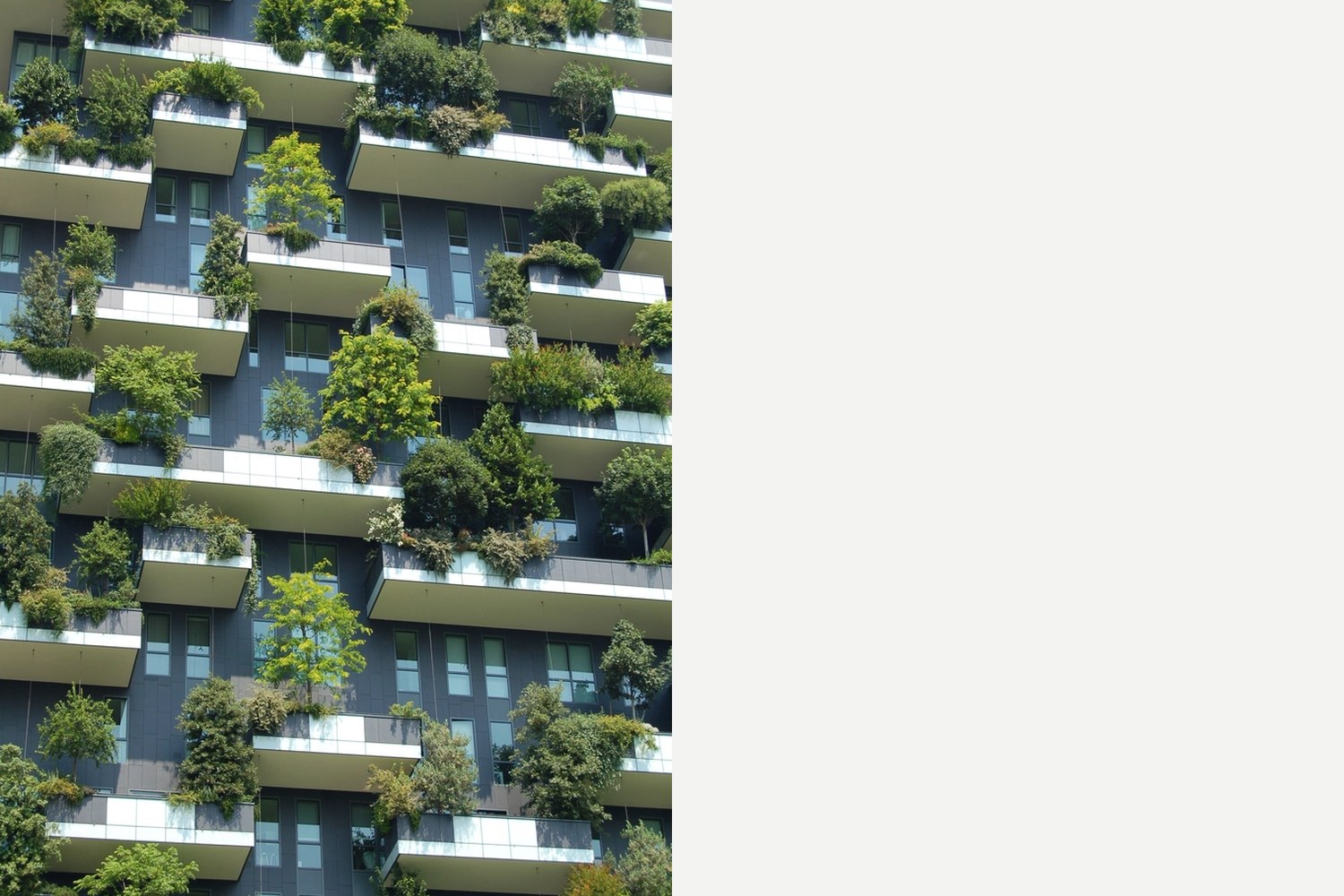
This ranking showcases ten pioneering projects and design concepts that expertly combine sustainability with functional living in both interior and exterior home environments. Our methodology involved assessing each example based on key metrics such as innovative use of eco-friendly materials, energy efficiency features, adaptability of design, cultural relevance, and lasting architectural impact. We prioritized tangible entities like landmark buildings and neighborhoods where sustainable design principles have been realized effectively, offering readers concrete reference points for inspiration and practical application.
The inclusion criteria focused on projects completed within the last two decades or longstanding exemplars recognized for their enduring sustainability credentials. Each entry cites its designer or architect where available and highlights measurable defining features, linking aesthetics to performance benefits. This structured approach ensures the list serves both as an inspirational visual guide and a reliable source of proven approaches for homeowners, remodelers, and design enthusiasts seeking meaningful, functional green homes.
How We Ranked These Houses
We ranked each house by architectural influence, innovation in plan or structure, relationship to site, material experimentation, cultural impact, and how strongly it changed later residential design. Houses ranked highest when their ideas became reusable design language rather than one-off novelty.
Quick Comparison
| Rank | Entry | Why it ranks |
|---|---|---|
| 1 | The Edge – Amsterdam, Netherlands | Designed by PLP Architecture and completed in 2014, The Edge in Amsterdam is commonly cited as one of the world’s most sustainable office buildings, featuring an innovative integration of smart energy management with natural daylight optimization. |
| 2 | Bosco Verticale – Milan, Italy | Completed by Stefano Boeri Architetti in 2014, Bosco Verticale in Milan revolutionizes exterior green design through its iconic vertical forest concept, accommodating more than 900 trees on two residential towers. |
| 3 | Earthship Biotecture – Taos, New Mexico, USA | Earthship Biotecture’s off-grid homes, pioneered by architect Michael Reynolds since the 1970s and popularized in Taos, NM, emphasize complete self-sufficiency using recycled materials such as tires and bottles, thermal mass, and passive solar design. |
| 4 | Passive House Institute – Darmstadt, Germany | The Passive House Institute, founded in Darmstadt in 1996, established rigorous standards for ultra-low energy buildings affecting thousands of projects worldwide. |
| 5 | The Bullitt Center – Seattle, Washington, USA | Seattle’s Bullitt Center, completed in 2013 by Miller Hull Partnership, is often dubbed the greenest commercial building globally, utilizing solar power, rainwater harvesting, and composting toilets. |
| 6 | BedZED – London, United Kingdom | BedZED, a pioneering eco-village in London designed by Bill Dunster Architects and completed in 2002, integrates solar orientation with high thermal mass and renewable energy sources to slash carbon emissions. |
| 7 | Casa Gilardi – Mexico City, Mexico | Casa Gilardi, completed in 1976 by Luis Barragán in Mexico City, exemplifies how sustainable design can be embedded within culturally rich and functional interiors. |
| 8 | The Crystal Houses – Amsterdam, Netherlands | The Crystal Houses in Amsterdam, designed by MVRDV and completed in 2014, showcase how transparent glass facades can be applied sustainably using triple glazing and integrated solar control, maximizing daylight while limiting heat gain. |
| 9 | Vauban District – Freiburg, Germany | Vauban District in Freiburg, Germany, is recognized worldwide as a model car-free neighborhood completed in stages from the late 1990s. |
| 10 | Gando Primary School – Gando, Burkina Faso | The Gando Primary School in Burkina Faso, completed in 2001 by architect Francis Kéré, incorporates local clay materials and passive cooling techniques, delivering sustainable functionality in a community context. |
1. The Edge – Amsterdam, Netherlands
Designed by PLP Architecture and completed in 2014, The Edge in Amsterdam is commonly cited as one of the world’s most sustainable office buildings, featuring an innovative integration of smart energy management with natural daylight optimization. Its interior employs a high degree of adaptability and space functionality, leveraging IoT connectivity to reduce energy consumption, achieving a BREEAM Outstanding rating. Exterior facades incorporate solar panels and rainwater harvesting systems. For homeowners seeking inspiration, its use of tech-enabled environmental controls and daylight modulation presents practical lessons in marrying function with sustainability. Architecturally, it matters as a benchmark for high-performance, intelligent building design at scale.
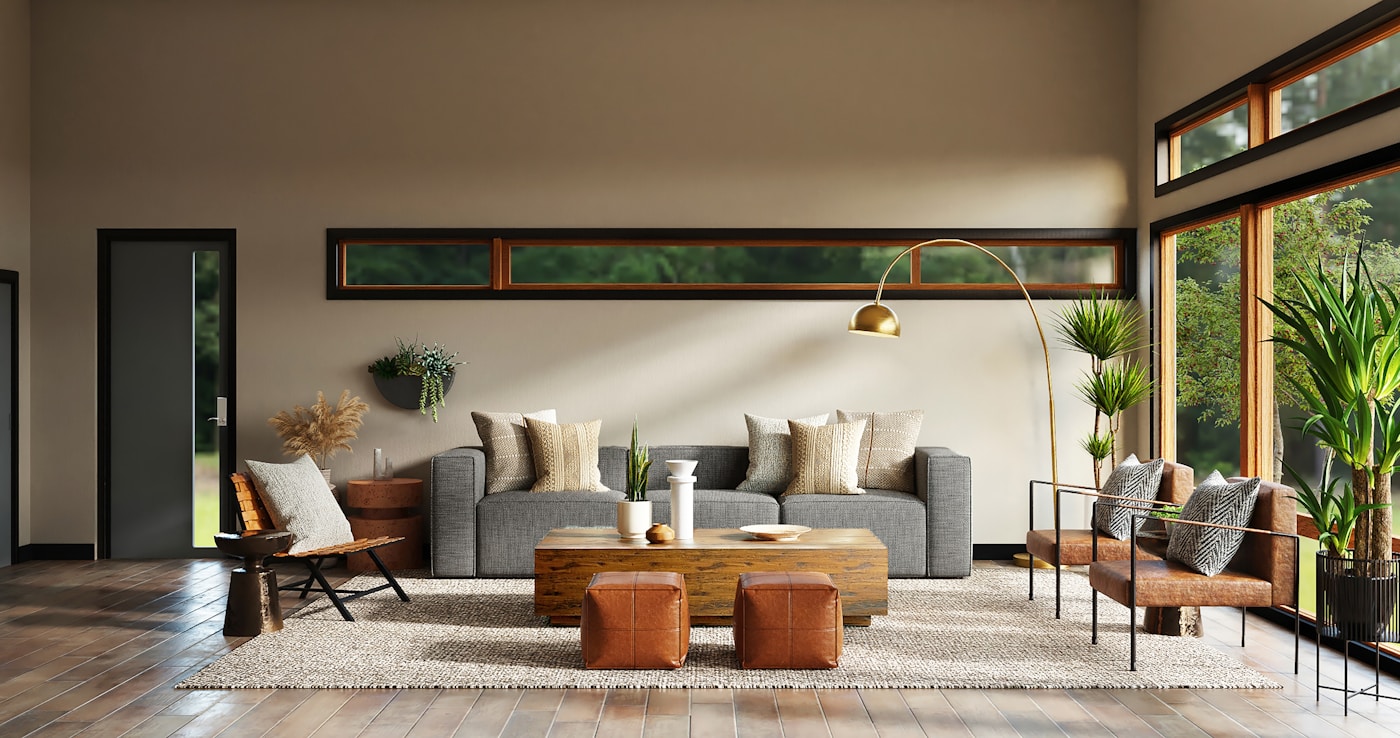
2. Bosco Verticale – Milan, Italy
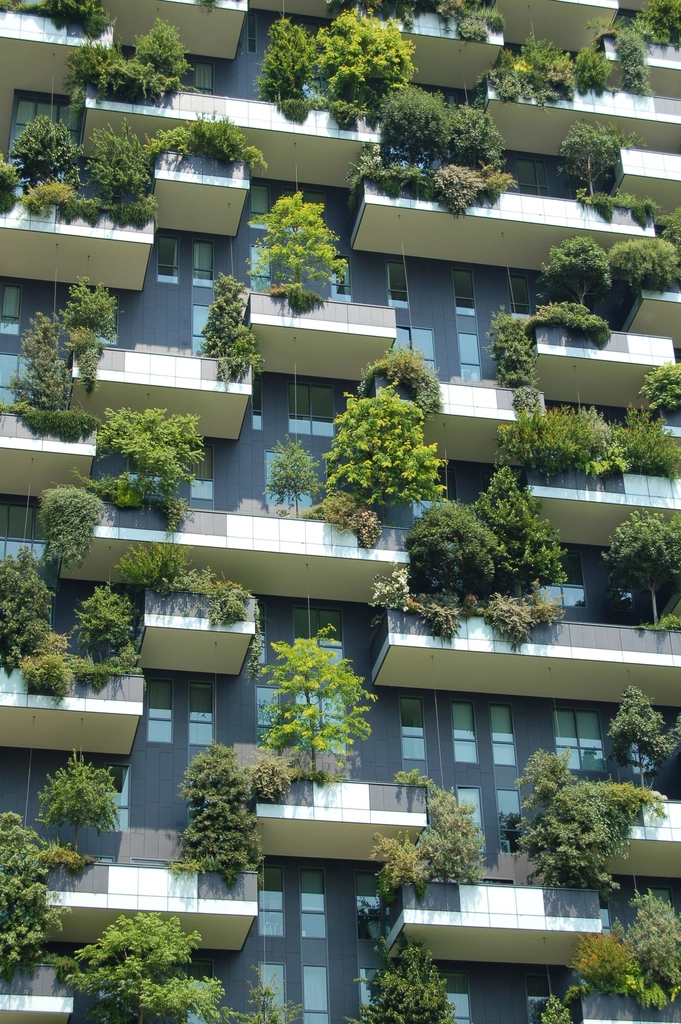
Completed by Stefano Boeri Architetti in 2014, Bosco Verticale in Milan revolutionizes exterior green design through its iconic vertical forest concept, accommodating more than 900 trees on two residential towers. This biophilic approach improves air quality and provides natural insulation, reducing energy loads significantly. It combines sustainability with aesthetic grandeur, promoting urban biodiversity. For residential application, integrating substantial greenery into building envelopes offers air purification benefits and thermal performance improvements. Architecturally significant for merging residential urban living with intensive greenery verticalization, Bosco Verticale challenges conventional urban density models.
3. Earthship Biotecture – Taos, New Mexico, USA
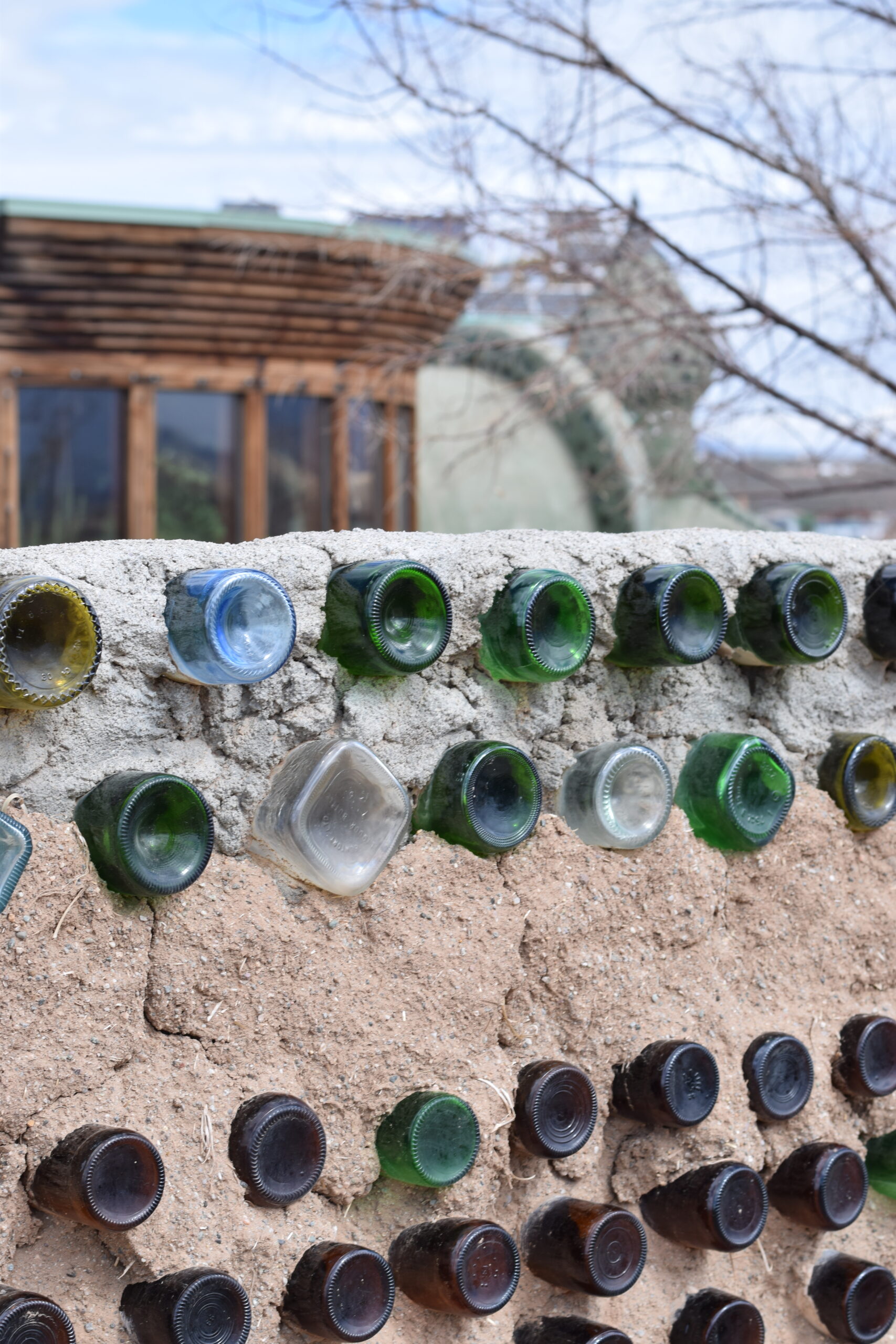
Earthship Biotecture’s off-grid homes, pioneered by architect Michael Reynolds since the 1970s and popularized in Taos, NM, emphasize complete self-sufficiency using recycled materials such as tires and bottles, thermal mass, and passive solar design. Their highly functional interiors optimize resource self-reliance with systems for water harvesting and renewable energy generation. Earthships serve as practical prototypes for net-zero homes with minimal environmental impact. Contextual caution: Earthship designs require careful site selection and may involve unconventional aesthetics. Its architectural importance lies in rethinking residential sustainability as a fully integrated ecological system.
4. Passive House Institute – Darmstadt, Germany
The Passive House Institute, founded in Darmstadt in 1996, established rigorous standards for ultra-low energy buildings affecting thousands of projects worldwide. Passive House certified homes prioritize airtight construction, superior insulation, and mechanical ventilation with heat recovery, drastically reducing heating/cooling loads. Interiors emphasize functional simplicity to maintain environmental control, influencing both new builds and renovations. While not a single building, this standard's global adoption reflects a design methodology deeply impacting sustainable architecture. Its architectural significance is in transforming performance criteria into accessible, scalable home design practices.

5. The Bullitt Center – Seattle, Washington, USA
Seattle’s Bullitt Center, completed in 2013 by Miller Hull Partnership, is often dubbed the greenest commercial building globally, utilizing solar power, rainwater harvesting, and composting toilets. Its design maximizes daylight penetration and incorporates durable, non-toxic materials indoors, ensuring healthy living and working environments. The functional layout supports adaptability and occupant wellness, applicable principles for sustainable homeowners aiming to reduce ecological footprints. As a tangible demonstration of regenerative design, it pushes the boundary between high sustainability standards and practical functionality in urban settings.
6. BedZED – London, United Kingdom
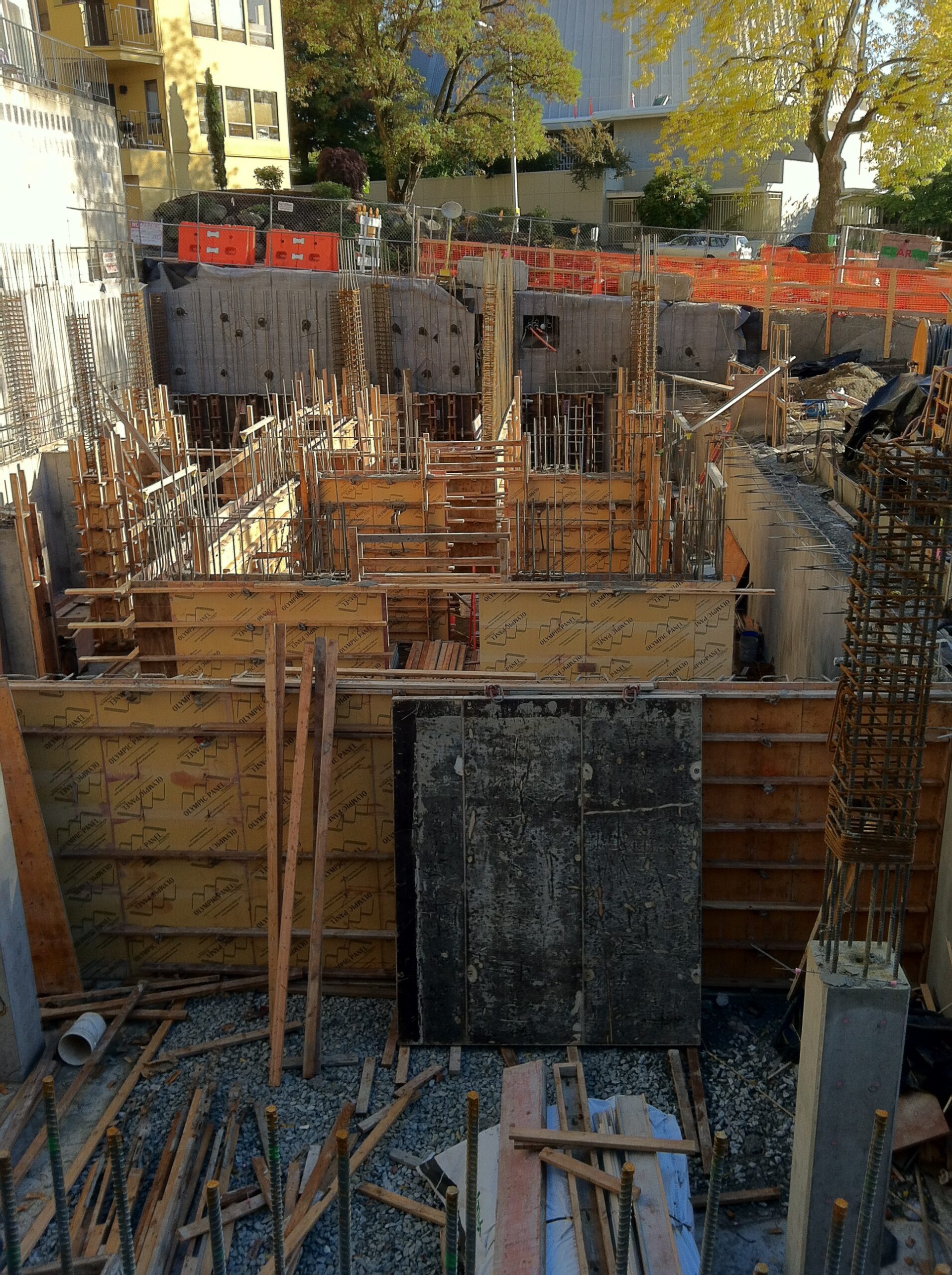
BedZED, a pioneering eco-village in London designed by Bill Dunster Architects and completed in 2002, integrates solar orientation with high thermal mass and renewable energy sources to slash carbon emissions. Interiors are crafted with natural materials and designed for flexible use, promoting community integration. The compact neighborhood model champions sustainable living with emphasis on walkability and reduced car dependency. This project matters architecturally as one of the earliest large-scale attempts to holistically apply sustainable design principles to mixed-use residential developments.

7. Casa Gilardi – Mexico City, Mexico
Casa Gilardi, completed in 1976 by Luis Barragán in Mexico City, exemplifies how sustainable design can be embedded within culturally rich and functional interiors. Its use of natural light, water integration through a central pool, and locally sourced materials contribute to passive environmental control and tactile warmth. Though an older example, its design ethos inspires sustainable interior aesthetics balancing functionality and sensory experience. This residence remains a staple showing that sustainability and architectural artistry are not mutually exclusive.
8. The Crystal Houses – Amsterdam, Netherlands
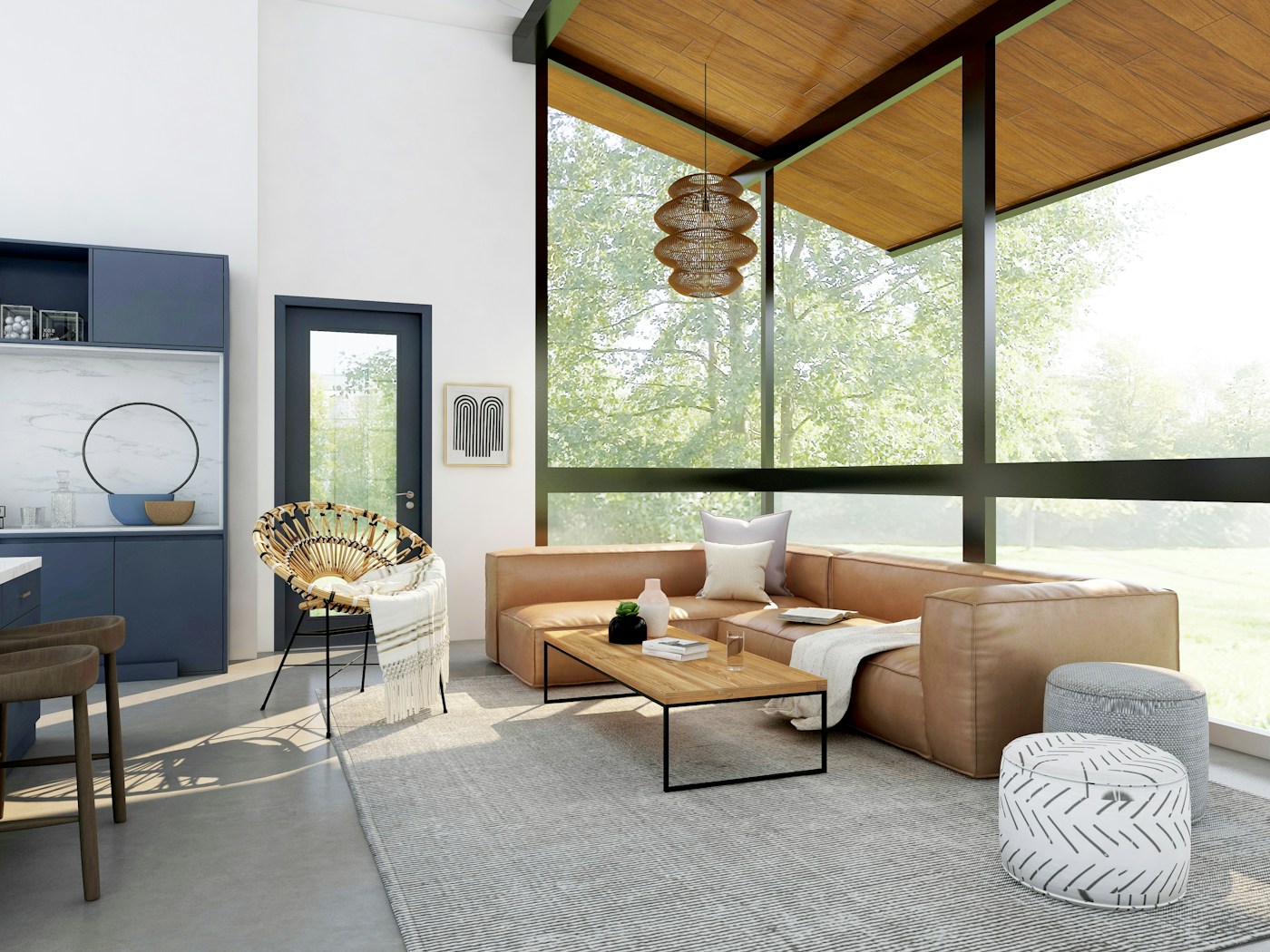
The Crystal Houses in Amsterdam, designed by MVRDV and completed in 2014, showcase how transparent glass facades can be applied sustainably using triple glazing and integrated solar control, maximizing daylight while limiting heat gain. The functional interior spaces accommodate mixed retail and residential uses with energy-efficient systems. This project offers a real-world example of reconciling transparency and sustainability in dense urban settings. Architecturally, it underscores innovation in sustainable facade technology combined with adaptability.

9. Vauban District – Freiburg, Germany
Vauban District in Freiburg, Germany, is recognized worldwide as a model car-free neighborhood completed in stages from the late 1990s. It integrates solar-powered architecture, green roofs, and sustainable community designs promoting walkability and shared outdoor spaces. Interiors and exteriors focus on material efficiency and user-centered adaptability to encourage low-impact lifestyles. Vauban’s planning advances sustainable urbanism principles thoroughly embedded in everyday functional living. Its architectural importance lies in harmonizing urban density with ecological and social sustainability.
10. Gando Primary School – Gando, Burkina Faso
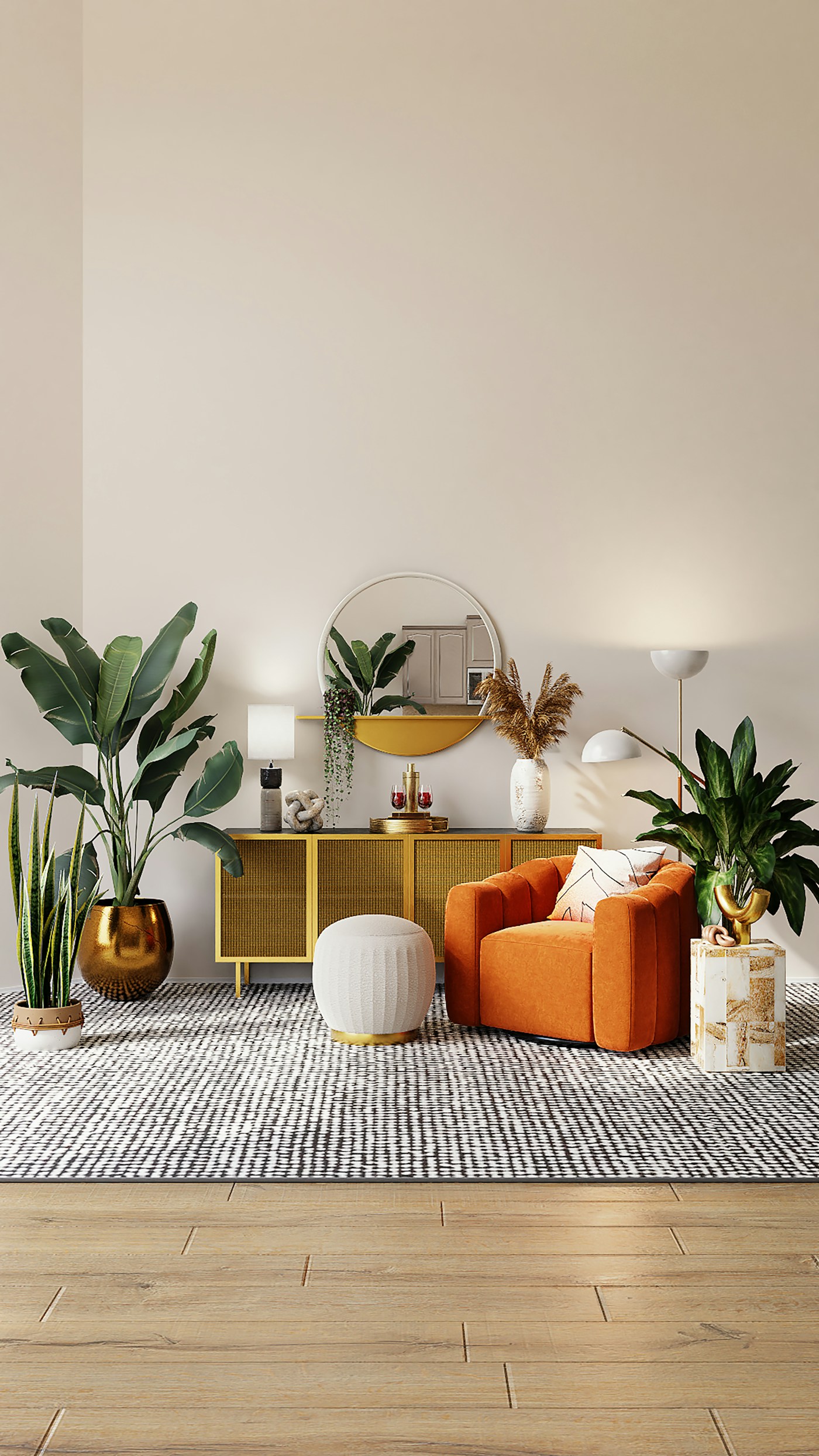
The Gando Primary School in Burkina Faso, completed in 2001 by architect Francis Kéré, incorporates local clay materials and passive cooling techniques, delivering sustainable functionality in a community context. Its design promotes natural ventilation and daylighting tailored to the region’s climate, maximizing occupant comfort without mechanical systems. The project highlights how sustainable architecture can empower and inspire indigenous material use with minimal resource consumption. Architecturally noteworthy for its responsive design rooted in cultural and environmental sensitivity, it exemplifies sustainable rural architecture’s social impact.

What are key features of sustainable home design?
Sustainable home design typically includes energy-efficient systems, use of eco-friendly materials, water conservation techniques, maximized natural lighting, and adaptable interior layouts that reduce environmental impact while promoting occupant comfort.
How can homeowners incorporate sustainable ideas into existing homes?
Homeowners can upgrade insulation, install energy-efficient windows and appliances, integrate renewable energy sources like solar panels, use non-toxic materials for finishes, and maximize daylight and ventilation to retrofit sustainability in existing homes.
What is the role of interior design in sustainable homes?
Interior design influences sustainability by selecting environmentally responsible materials, optimizing functional layouts for energy efficiency, improving indoor air quality through natural elements, and encouraging minimalism and adaptability to reduce resource use.
The top 10 interior and exterior design ideas for sustainable and functional homes presented in this ranking offer proven, inspiring examples of how thoughtful architecture can harmonize environmental responsibility with everyday living needs. From iconic vertical forests and net-zero self-sufficient homes to performance-driven standards like Passive House, these projects demonstrate varied yet actionable strategies. Whether focusing on material innovation, energy management, or urban integration, each entity underscores the architectural importance of marrying sustainability with practical functionality. Homeowners and remodelers can draw from these concrete precedents to adopt design solutions tailored to their context, advancing eco-conscious living with style and efficiency.
For more architecture, cities, public spaces, materials, and design ideas, browse Architecture Adrenaline’s latest guides.
Further Reading & Source References


