In the ongoing evolution of urban centers, civic plazas act as pivotal communal spaces that reflect the architectural and cultural ambitions of modern cities. This ranked list highlights ten exemplary civic plazas that significantly influence contemporary cityscapes through their renewed emphasis on transparency, accessibility, and multimedia integration in urban design. Our selections focus on plazas demonstrating innovative spatial strategies, material experimentation, and adaptive renovation, mindful of their urban context and functional tradeoffs. Buildings and communities both benefit from thoughtful civic spaces; thus, each plaza entry examines practical design takeaways alongside cautions for architects and planners navigating the complexities of public realm projects.
1. Plaza Mayor, Madrid - Balancing Historic Charm with Modern Utility
Plaza Mayor in Madrid stands as a model of how classical urban design can be preserved while incorporating modern functionality. The square’s well-proportioned rectangular layout remains unchanged, sustaining its historic charm with surrounding arcades and consistent building heights. Its carefully restored stone paving acts as both durable surface and visual unifier, encouraging pedestrian circulation. Notably, renovation incorporated updated lighting and subtle tech infrastructure to meet contemporary civic needs without detracting from heritage. Architects should note the delicate balance required when upgrading historic plazas: interventions must prioritize material compatibility and the sensory experience of place while allowing for flexible use.
2. Federation Square, Melbourne - Innovative Use of Angular Geometry and Materials
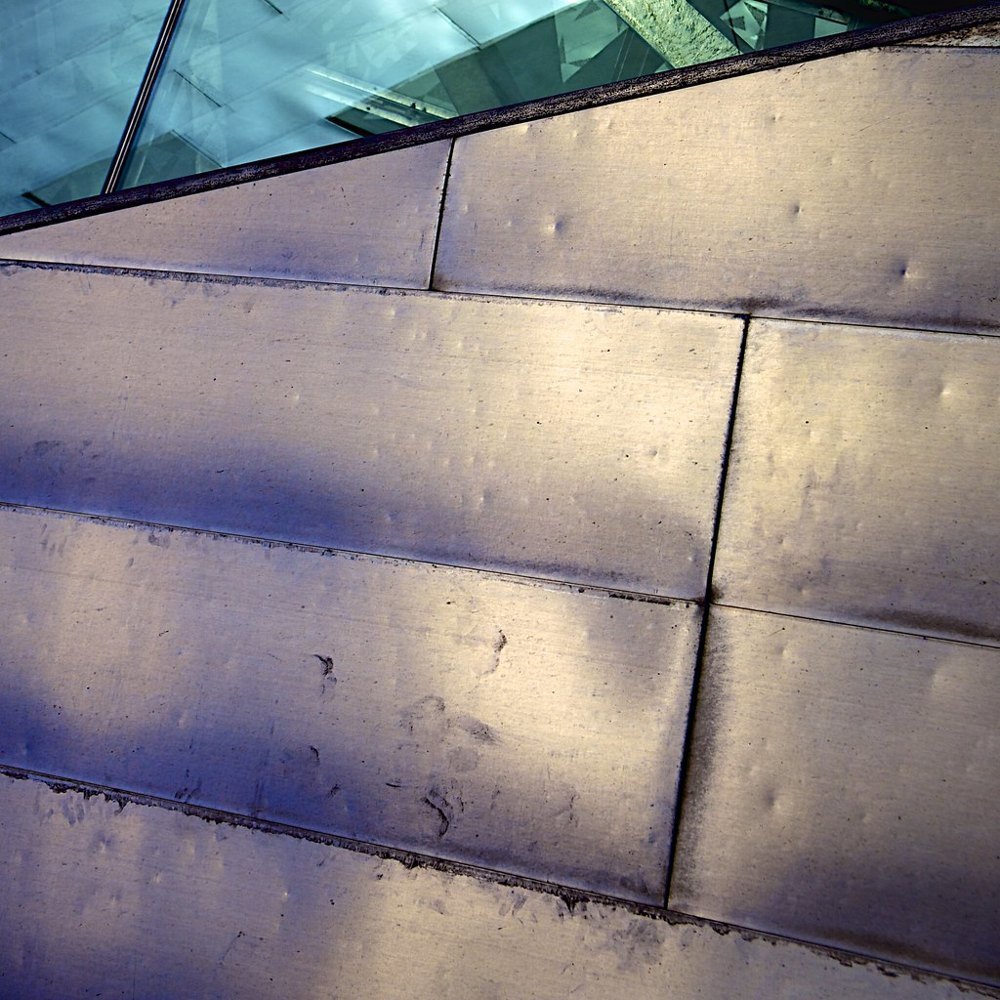
Federation Square in Melbourne is celebrated for its dynamic angular geometry and innovative use of faceted glass and zinc panels, challenging traditional civic plaza aesthetics. This complex's fragmented surfaces generate varying light reflections and spatial perceptions, promoting visual engagement within an urban cultural hub. The plaza's mixed-use programming includes large event areas and tucked-away quieter niches, which demonstrates successful spatial layering. However, its unconventional materials require rigorous maintenance and careful weatherproofing in a variable climate. Designers considering avant-garde materials and geometry should weigh initial impact against long-term operational considerations and user comfort.
3. Granary Square, London - Interactive Water Features and Social Adaptability
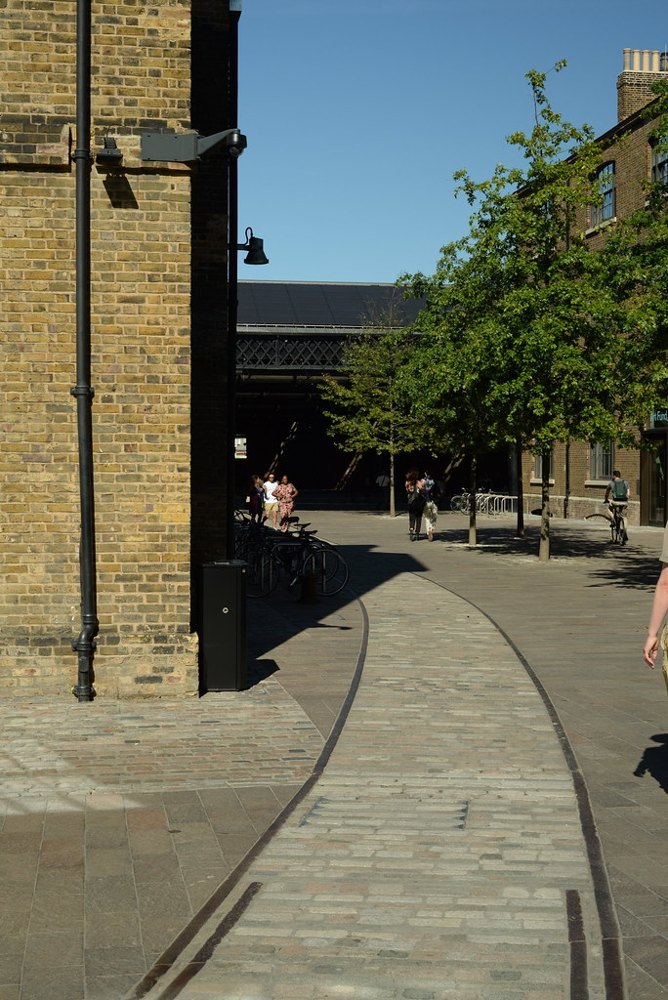
Granary Square in London reshaped a former industrial site into a vibrant, interactive public realm highlighted by kinetic water jets synchronized with lighting, encouraging active social engagement. The plaza’s permeable layout links surrounding mixed-use developments, promoting pedestrian flow and community interaction. Its robust granite paving offsets the water features, resisting wear under heavy footfall. Nevertheless, water-management infrastructure demands ongoing upkeep and seasonal operational adjustments. Urban planners and architects should consider operational complexity of interactive elements against their social activation benefits when designing contemporary civic spaces.
4. Piazza del Duomo, Milan - Restoring Urban Identity Through Renovation
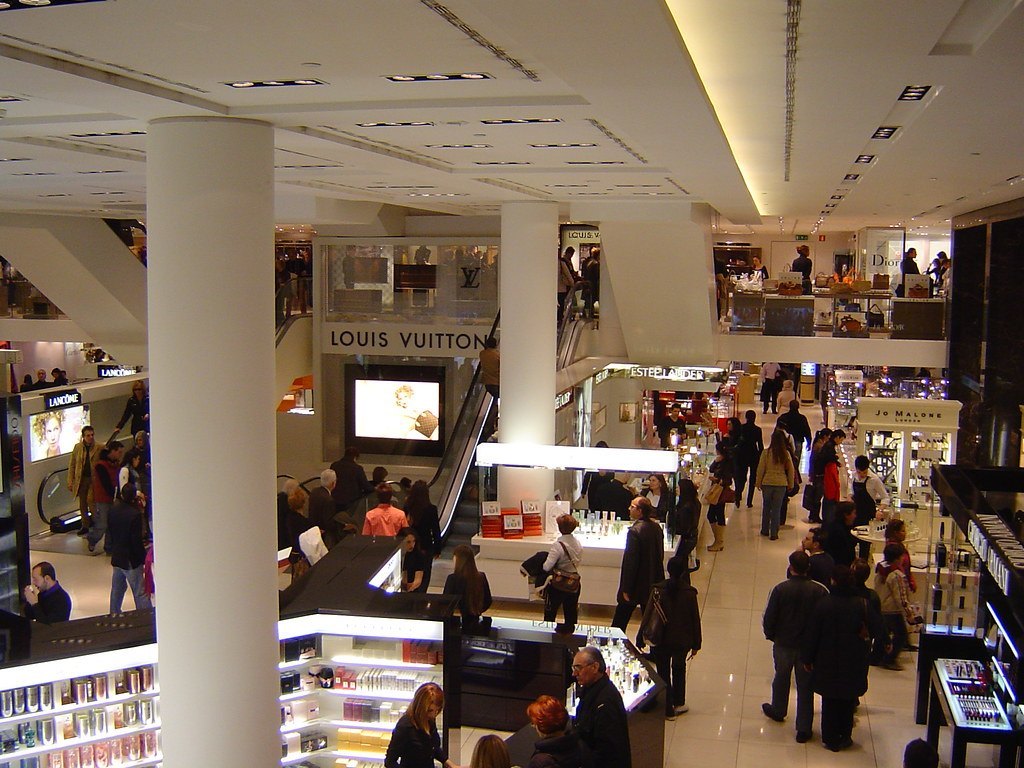
Piazza del Duomo in Milan, a historically charged space anchored by its cathedral, underwent meticulous renovation to restore its urban identity while accommodating large public gatherings. Employing quarried stone with precise jointing honors original materials yet improves accessibility and drainage. The redesign introduced subtle seating and lighting interventions without overshadowing the square’s monumental character. Attention to heritage protocols guided material sourcing and structural interventions. Practitioners must balance conservation goals with modern requirements for crowd management and universal access in similar landmark plazas.
5. Pioneer Courthouse Square, Portland - Programming Flexibility in Urban Core

Pioneer Courthouse Square in Portland exemplifies programming flexibility in a compact urban plaza, hosting markets, concerts, and political rallies without losing a sense of everyday conviviality. Its mix of grass terraces, pathways, and hardscape surfaces supports diverse activities, a design tactic encouraging prolonged social use. The incorporation of transparent canopies and integrated seating ensures weather resilience and user comfort. However, the spatial constraints limit expansion potential and may impact event scalability. Designers should prioritize multifunctionality while remaining sensitive to physical and programmatic boundaries for downtown civic spaces.
6. Constitution Plaza, Hartford - Concrete Brutalism Meets Public Accessibility
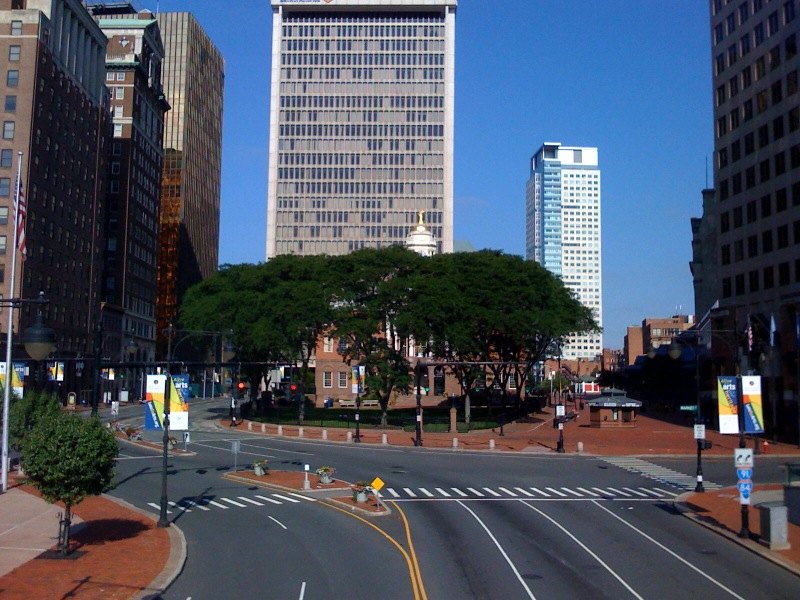
Constitution Plaza in Hartford represents a striking example of mid-20th-century concrete brutalism adapted to foster greater public accessibility through pedestrian-level interventions and green pockets. The dominance of raw concrete required creative texturing and color treatments in renovation phases to soften visual impact. Layout changes focused on walkability improvements and reintroducing human scale in an originally car-centric design. Nonetheless, the plaza’s austere material palette may not appeal universally, and thermal comfort remains a concern in exposed areas. Civic designers working with brutalist plazas must balance preservation with activation strategies emphasizing material warmth and usability.
7. Tianfu Square, Chengdu - Monumental Scale with Green Integration

Tianfu Square in Chengdu is notable for its monumental scale and integration of green spaces, combining massive open plazas with tree-lined pathways and garden pockets for shade and aesthetic relief. The use of warm-toned paving complements the surrounding architecture and enhances legibility across the expansive site. Lighting design supports evening use without compromising open-sky openness critical in vast public spaces. However, managing scale to maintain human comfort and avoid alienation is a continual challenge requiring layered spatial interventions. Urban designers can learn from Tianfu’s approach to combining monumentality with ecological and experiential considerations.
8. Zócalo, Mexico City - Multi-Functional Civic Heart With Layered History

Zócalo in Mexico City carries profound historical and political significance as a layered public realm blending monumental formality with flexible contemporary use. Its large, open rectangular plan surrounds the National Palace and Metropolitan Cathedral, made accessible through a simple hardscape of stone paving that reflects indigenous and colonial influences. Regular cultural events and public demonstrations activate the space year-round. Renovation efforts must negotiate archaeological sensitivity and infrastructure modernization. Architects should acknowledge historical stratifications embedded in civic plazas while designing adaptable, resilient spaces for contemporary urban life.
9. Nathan Phillips Square, Toronto - Sculptural Elements and Event Capacity
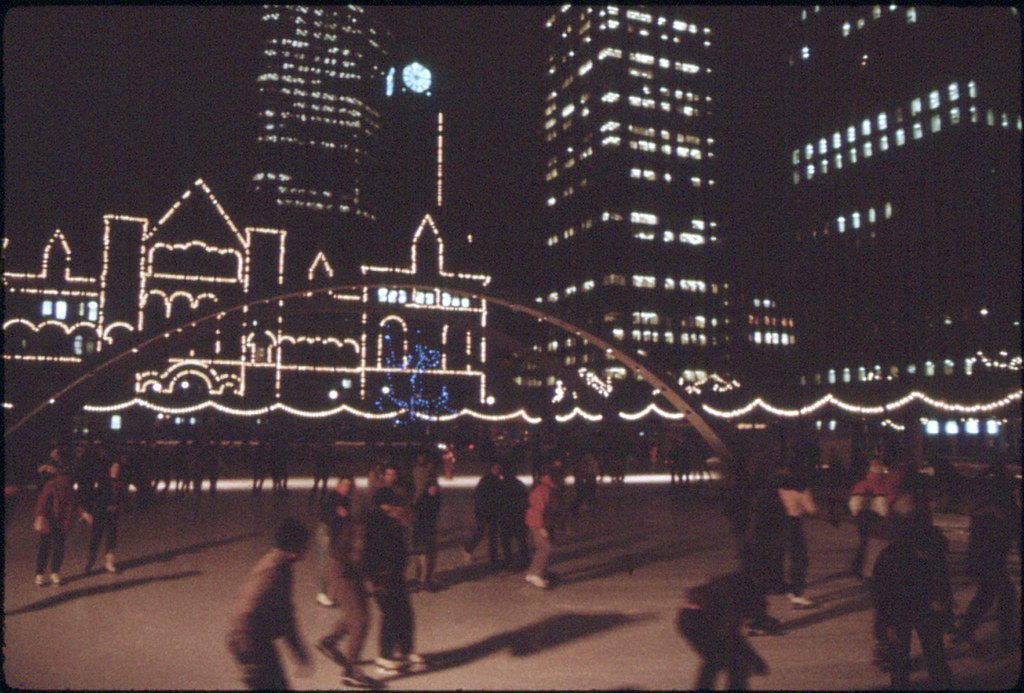
Nathan Phillips Square in Toronto achieves an effective interplay between sculptural elements and event capacity, featuring the iconic curved roof of City Hall, reflecting pools, and a programmable open plaza. Materials such as smooth concrete and polished metal create a contemporary yet inviting atmosphere. The plaza’s design accommodates both large public gatherings like festivals and everyday pedestrian movement. However, maintenance of water features and frost-sensitive surfaces requires investment and planning. Designers should carefully coordinate sculptural ambitions with practicality and ongoing operational needs in multifunctional civic plazas.
10. Place des Terreaux, Lyon - Artful Waterworks and Heritage Conservation
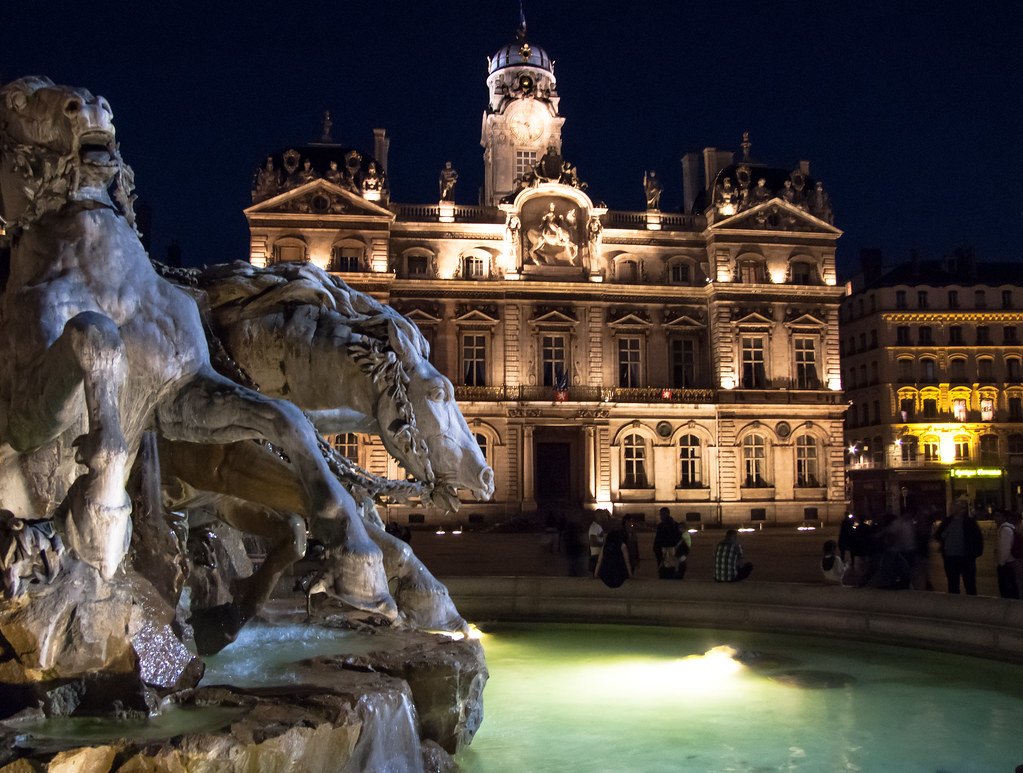
Place des Terreaux in Lyon masterfully combines artful waterworks with heritage conservation, centered around a large basin and intricate fountain installations designed to complement the surrounding Renaissance-era architecture. The plaza’s masonry paving and decorative stonework preserve historic character while supporting heavy visitor use, balancing aesthetics with durability. Illumination strategies subtly highlight architectural details without overpowering the square’s ambiance. Renovation introduced accessibility upgrades respecting urban fabric constraints. Practitioners should carefully integrate artistic and technical elements within historically sensitive environments to sustain both function and cultural value.
What are key design elements in successful modern civic plazas?
Successful civic plazas often combine adaptable spatial layouts, durable yet visually coherent materials, and amenities fostering social interaction while respecting the surrounding urban context.
How do renovations impact historic civic plazas?
Renovations must balance preservation with modernization, ensuring universal accessibility, improved infrastructure, and new programming without compromising heritage values or visual integrity.
Why is material choice crucial in civic plaza design?
Material choice affects durability, maintenance needs, user comfort, and aesthetic coherence; selecting locally appropriate, resilient materials supports long-term plaza viability and cultural resonance.
These ten civic plazas illustrate the diverse challenges and opportunities inherent in shaping modern urban spaces. From integrating innovative geometries to preserving historical identities, each plaza offers concrete lessons on balancing aesthetics, functionality, and context. Architects and urban planners can draw inspiration while critically assessing tradeoffs such as maintenance demands, scale management, and material performance. The evolving role of civic plazas as vibrant public catalysts requires designs that accommodate social dynamics, technological advancements, and heritage stewardship in equal measure.
For more architecture, cities, public spaces, materials, and design ideas, browse Architecture Adrenaline’s latest guides.