NEOM is the largest active Western-connected construction program by territorial footprint and simultaneous program delivery, covering roughly 26,500 square kilometers and combining urban, industrial and tourist subprojects under a single coordinated umbrella.
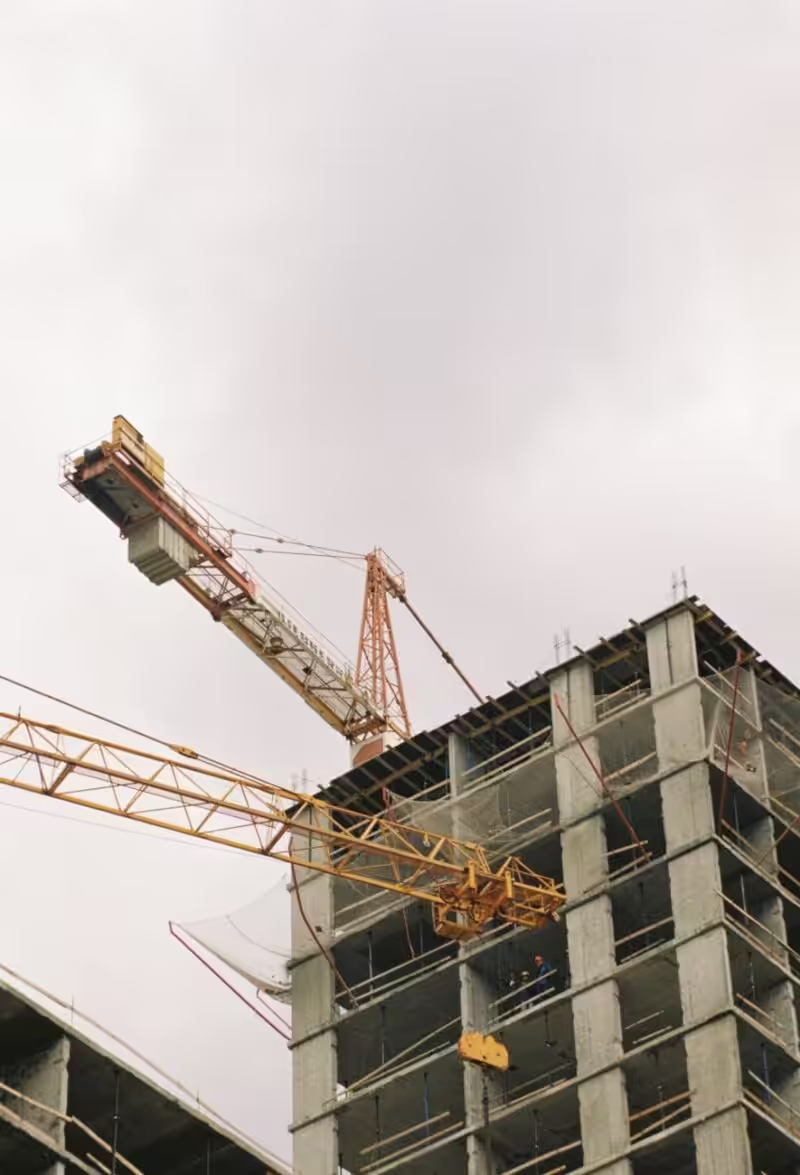
How NEOM Reaches 26,500 Square Kilometers
Project materials from NEOM and related Public Investment Fund reporting list the territory at about 26,500 km2 along the Red Sea coast. That figure denotes a single programmatic umbrella rather than an aggregation of separate national projects, which matters for procurement, utility networks and regional infrastructure planning.
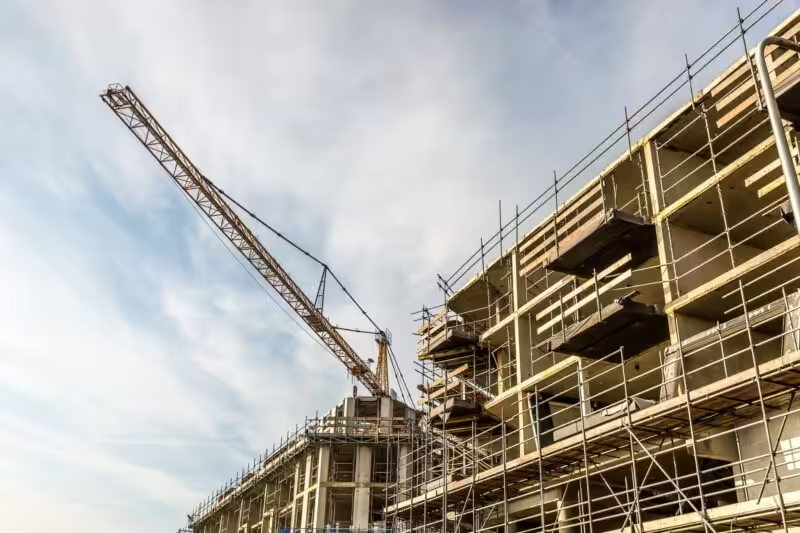
Major Districts and Their Roles
NEOM is organized into districts with distinct delivery tracks and technical requirements. The Line is a 170-kilometer linear urban corridor emphasizing high-density, transit-first development and no private car circulation. Oxagon targets heavy logistics, advanced manufacturing and port operations. Trojena is planned as a mountain sports and tourism node, and Sindalah is an island marina and hospitality cluster with staged openings to date.
Table: NEOM Components at a Glance
| Component | Primary Program |
|---|---|
| The Line | Linear high-density urban corridor (length-based, ~170 km) |
| Oxagon | Industrial port, manufacturing and logistics hub |
| Trojena and Sindalah | Mountain tourism; island marina and luxury hospitality |
Why Area and Program Mix Matter for “Biggest”
Calling NEOM “the biggest” depends on metrics. The decisive measures are territorial area combined with concurrent, multi-sector construction: continuous horizontal infrastructure, repeated utility trenches and medium-rise urban blocks across tens of thousands of square kilometers increase staging, equipment fleet requirements and supply-chain complexity compared with a single vertical project.
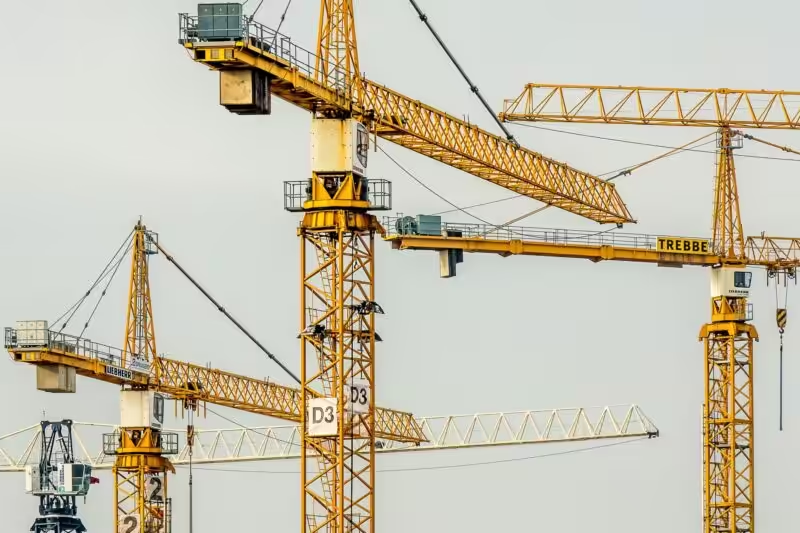
Construction Scale, Logistics and Management Challenges
Operating at NEOM’s scale requires sequencing long linear utilities, temporary workforce camps, central material yards and modular on-site assembly to reduce transport cycles. Common mitigation tools include centralized cost and schedule controls, federated BIM/VDC models to coordinate multidisciplinary teams, and lean construction sequencing to reduce overlap between civil and superstructure trades.
Costs, Timeline and Reporting Limits
NEOM does not publish a single consolidated price tag for all phases; financing and disclosures are reported in component documents. That fragmented reporting is typical for giga-projects and complicates external cost oversight. For comparison, complex Western megaprojects often expand their cost envelopes substantially during delivery: parliamentary and audit reviews cite Crossrail as an example of budget growth, governance scrutiny and phased reporting challenges London Assembly cost briefing on Crossrail (Elizabeth Line), an independent National Audit Office review highlighted governance and delivery risks National Audit Office briefing on Crossrail, and a formal Public Accounts Committee report examined causes of cost growth and oversight gaps Crossrail: Public Accounts Committee report.
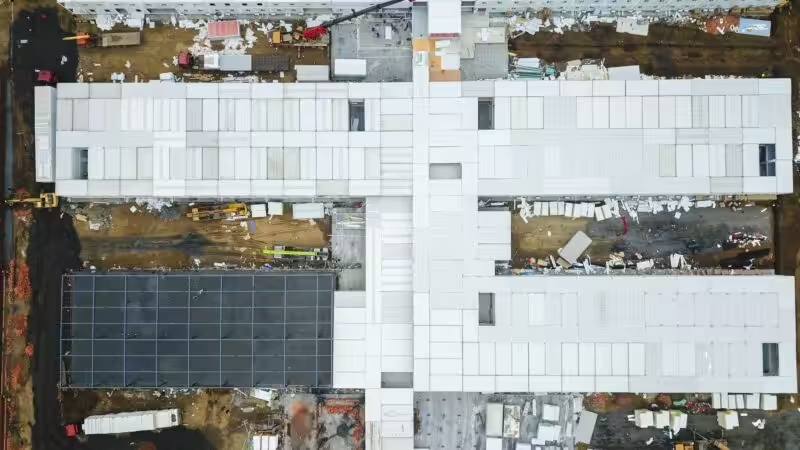
Those UK reviews demonstrate common megaproject risks: underestimated interface complexity, optimistic schedule baselines and contract fragmentation. Practitioners working on NEOM-scale programs should insist on independent cost validation, rolling contingency allocations and an auditable change-management trail at each commercial tier. For practical learning, construction management literature framed around large infrastructure procurement can help; see a general resource for practitioners construction project management book.
How NEOM Compares With Other Large Projects
By land area NEOM exceeds most Western masterplans; by engineering novelty, projects such as long subsea tunnels or continental rail corridors pose different single-system risks. Institutional engineering commentaries place Crossrail in the same class of Western megaprojects for scale and systems integration, while engineering overview sources outline the technical scope that distinguishes large transport programs from multi-program territorial developments Crossrail (Elizabeth Line) - Institution of Civil Engineers overview.
Contracting Models and What They Mean for Firms
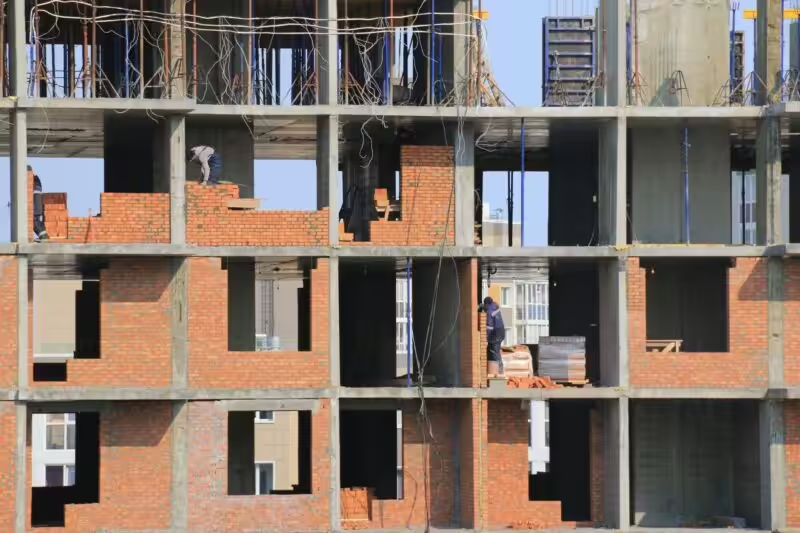
NEOM uses a mix of design-build, design-bid-build and public-private partnership contracts. That mix creates opportunities across civil earthworks, ports, industrial facilities and hospitality, but it also requires firms to be fluent in consortium governance, performance-based contracts and multi-jurisdictional compliance. Long-duration engagements favor firms that can provide repeatable, prefabricated systems and robust site logistics planning rather than one-off bespoke deliverables.
Environmental and Social Considerations
Large-area development alters coastal and desert ecosystems and redistributes water demand. Independent observers and academic reports have raised concerns about marine habitat impacts and resettlement effects, underscoring the need for phased environmental monitoring, adaptive mitigation and transparent impact reporting tied to measurable thresholds rather than high-level commitments.
Where to Read Official Project Descriptions
NEOM’s regional overview presents the 26,500 km2 footprint and district descriptions on the project site. For related discussion of NEOM in the site’s editorial coverage, Architecture Adrenaline has reported on NEOM-related concepts and regional context in coverage such as a conceptual stadium piece Saudi Arabia Sky Stadium, a survey of eco-integrated housing that references the NEOM nature reserve The Intersection of Nature and Architecture, and broader urban-planning commentary in a futurist planning feature future urban architecture planning.
Conclusions for Practitioners
NEOM’s scale requires programmatic controls that prioritize repeatability, staged financing transparency and independent verification of cost baselines. Firms bidding on NEOM work should present modular delivery strategies, demonstrable fleet and camp logistics plans, and an auditable approach to change management that anticipates long linear supply chains and multi-discipline sequencing.
```
Related Video
The largest construction project in the western world reflects advances in engineering and architecture. It showcases how critical infrastructure can shape urban environments and respond to growing population demands. These projects are not just about size; they also represent the future of construction and sustainability.
More from Architecture Adrenaline
For those interested in exploring similar topics and developments, there are more posts available on our social channels. Follow Architecture Adrenaline on Instagram for updates on architectural trends and construction innovations.