How much does residing a house cost? This is a question that many homeowners face when considering the aesthetic and functional upgrade of their house exterior. On average, residing a house in Ohio, for instance, can cost around $27,900 for an average 1,945 square feet home. However, the total expense can vary significantly based on several factors, including the size and architecture of the house, the type of siding material chosen, labor costs, and even the time of year when the project is undertaken. Understanding these variables and having an insight into the cost per square foot for popular siding materials can help you make a more informed decision on your next home improvement project.

| Siding Material | Cost Per Square Foot | Average Lifespan |
|---|---|---|
| Vinyl | $1.21 - $12.15 | 20-30 years |
| Aluminum | $1.54 - $7.15 | Up to 50 years |
| Brick | $5.20 - $14.43 | 50+ years |
| Fiber Cement | $5.10 - $17 | 50+ years |
| Natural Stone | $27 - $44.01 | 50+ years |
| Stucco | $5.01 - $8.33 | 50-80 years |
| Wood | $8.43 - $12.39 | Up to 100 years |
When it comes to replacing your home's siding, several factors can significantly sway the total expense of your project. The size of your home is a major player; more square footage or multiple stories mean more material and labor, which translates to a higher cost. Another crucial element to consider is the architectural complexity of your house. Intricate designs or features may require custom fitting or additional labor, thus raising the installation fees.
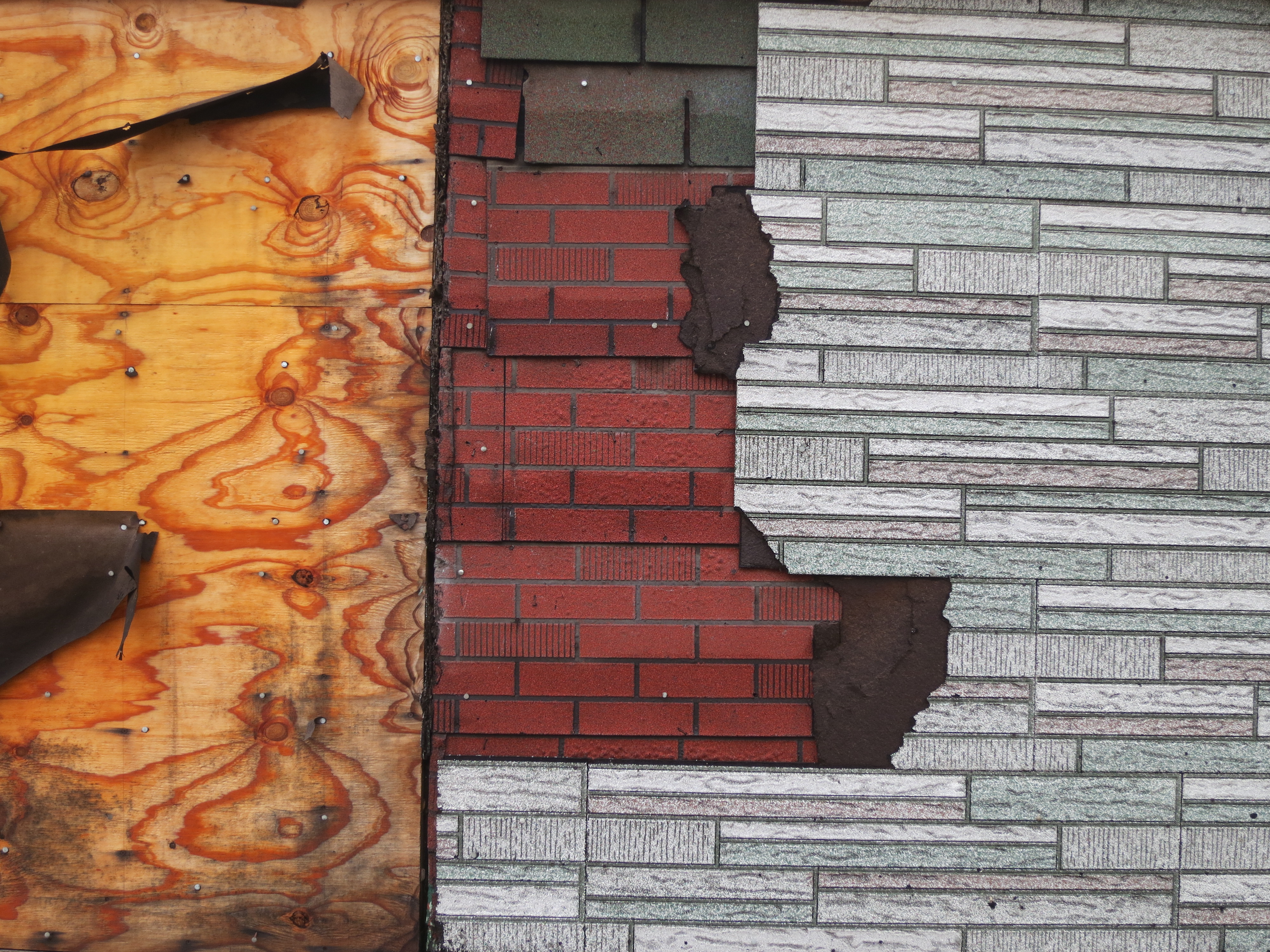
Additionally, the type of siding material you choose can greatly affect your budget. Ranging from budget-friendly options like vinyl, to pricier yet more durable materials like natural stone, each material comes with its own cost implications. Labor costs also vary based on location and demand, so it might be worth waiting for the offseason to secure lower labor rates.

Choosing the right siding material can feel overwhelming, especially when trying to balance between durability, cost, and style. Here's a quick overview of the siding materials available:
Each material has its benefits and drawbacks, making it essential for homeowners to consider what features are most important—be it budget, style, or maintenance requirements.
The idea of tackling a siding project as a DIY job might seem tempting due to potential savings. However, the risks often outweigh the benefits, especially if you're not highly skilled in construction work. Improper installation could lead to significant issues like water leakage, decreased energy efficiency, or even voiding a manufacturer's warranty.
Professionals, on the other hand, bring expertise and ensure the job is done right the first time, often guaranteeing their work with warranties. Moreover, they can help in selecting the best materials for your local climate and give accurate estimates, helping you avoid hidden costs. Hiring an experienced contractor can ultimately provide peace of mind and long-term savings.
Timing your siding replacement project can lead to substantial savings. Engaging contractors during the off-peak seasons, typically winter and early spring, might score you discounts as demand is lower. Additionally, where you live impacts the prices you'll encounter. Costs may vary based on local material availability and demand, regional climate effects on material longevity, and state regulations that influence labor costs.
It’s also wise to explore if there are any local incentives or tax breaks for using certain energy-efficient materials, which could further reduce your overall expenses. For instance, understanding issues like artillery fungus black spots on siding can help in choosing the right material and maintenance approaches.
What are your thoughts on the best materials for siding in your area? Have you had experience with DIY or hired professionals for your own home improvement projects? Share your experiences and insights in the comments below—we’d love to hear from you!
Check out our recent articles for more tips and guides on home improvement.
Considering the financial aspects of re-siding your home is essential for both aesthetic and functional improvements. For more detailed insights on the expenses involved in replacing siding, check out this informative video by Jiries Dawaher.
Residing a house can come with a wide price range, depending on the type of siding material, your home’s size and layout, and local labor rates. Below is a quick reference guide to help you budget for your exterior renovation:
How Much Does It Cost to Reside a House?
Siding Material Cost Per Square Foot National Average Installation Cost
Aluminum Siding $1.54 – $7.15 $2,902 – $14,100
Brick Siding $5.20 – $14.43 $9,450 – $30,550
Fiber Cement Siding $5.10 – $17 $10,700 – $23,605
Natural Stone Siding $27 – $44.01 $45,000 – $94,500
If you’re looking to reside a 2,000-square-foot home, here are some ballpark figures for popular siding materials. Actual costs can vary based on exterior complexity, your region, and the style or finish you choose:
• Vinyl Siding: $10,000 – $15,000
• Composite Wood: $15,000 – $25,000
• James Hardie Siding: $20,000 – $40,000 (depending on style and finish)
For homeowners on a tighter budget, certain siding materials can offer both affordability and durability without sacrificing curb appeal. Here are some wallet-friendly options to consider:
1. Vinyl Siding: A go-to choice for many, offering low maintenance and plenty of styles.
2. Fiber Cement Siding: Durable and versatile, often mimicking the look of wood.
3. Engineered Wood Siding: Combines the beauty of wood with enhanced resistance to moisture and pests.
4. Stucco Siding: A classic option that can be cost-effective, especially in certain regions.
5. Metal Siding: Sturdy and low-maintenance, though style choices may be limited.
6. Wood Shingle Siding: Can be relatively affordable if sourced locally, but may require more upkeep.
In wrapping up, it's clear that the cost of residing a house can vary widely depending on several factors, including the size of your home, the materials you choose, and where you live. While you might be paying around $27,900 in Ohio, this number can swing higher or lower based on your specific situation. The key is to do your homework—get multiple quotes, compare materials, and consider the entire scope of the project to ensure you’re making the best decision for your home and budget. And remember, investing in quality siding can boost not only your home's curb appeal but also its overall value in the long run.
If you're contemplating residing your house or tackling other home improvement projects, it's always a good idea to keep learning and stay inspired. We share a lot of valuable tips and beautiful design ideas on our social media platforms. Follow us on our Instagram for a daily dose of architectural inspiration and practical advice! Whether you're looking for more cost-saving tips or need a little nudge of creative motivation, we've got your back. Let's embark on this home improvement journey together—feel free to reach out with your questions or share your own experiences.


