
Transforming Old Railroad Lines into Vibrant Walkable Districts
The Resurgence of Rail-Trail Town Centers
The dawn of a new era of urban revitalization is upon us, and it's riding an unexpected vehicle - the decommissioned railroad lines. These former industrial arteries, once teeming with the hustle and bustle of locomotives, are being repurposed and transformed into vibrant, pedestrian-friendly districts, aptly named Rail-Trail Town Centers.
In this comprehensive and enlightening guide, you'll discover the intricacies of how to breathe life back into your community by repurposing old railway lines into thriving urban spaces. These spaces not only serve practical purposes but also enhance aesthetic appeal and foster community spirit.
The idea of transforming these dormant tracks into thriving community centers is not new, but it has gained momentum in recent years. With the rise of urbanization and the need for sustainable development, the concept of Rail-Trail Town Centers has become an innovative solution to many urban challenges. This guide will take you on a journey, exploring the potential of these old railway lines, and how they can be transformed into vibrant community spaces.
Laying the Tracks: The Concept of Rail-Trail Town Centers
At the heart of innovative urban revitalization strategies, Rail-Trail Town Centers are emerging as a beacon of sustainable design and urban planning. They offer a solution to the common issues of urban sprawl, car dependency, and lack of green spaces that plague modern cities.
By converting underutilized railway lines into multi-use paths and community spaces, they provide communities with an opportunity to lead a healthier, more active lifestyle. These districts promote walking and cycling, foster social interaction, and contribute to the overall well-being of residents.
Rail-Trail Town Centers act as green corridors in the heart of urban spaces, offering a unique blend of history, nature, and urban living. They provide a platform for community engagement, local business growth, and sustainable transportation. With careful planning and implementation, these centers can become the lifeline of a community, offering an array of benefits that extend well beyond their physical boundaries.
Section 3: Blueprint for Success: The Step-by-Step Guide to Creating Rail-Trail Town Centers
Creating a Rail-Trail Town Center is not a one-size-fits-all process. It requires a deep understanding of the community's needs, a vision for its future, and a strategic plan that aligns with these elements. The process involves extensive community engagement, meticulous planning, securing funding, and thoughtful design.
It's about creating a space that is accessible and appealing to all, a place that integrates seamlessly with the existing urban fabric, and enhances the character and identity of the community. The transformation process involves a series of steps, each critical to the overall success of the project.
From initial feasibility studies and community consultations to detailed design and construction, each step requires careful consideration and planning. The ultimate goal is to create a space that is not just functional, but also a source of community pride and a catalyst for further revitalization.
Navigating the Rail-Trail: Tips and Best Practices
With careful planning and execution, Rail-Trail Town Centers can become the heart of a community, offering a blend of retail, residential, and recreational spaces. They can serve as catalysts for economic development, attracting businesses and residents, and increasing property values.
To achieve this, it's crucial to ensure the design is user-friendly, incorporates diverse amenities, and is well-maintained. It's also important to promote the space effectively to attract users and investment.
The success of a Rail-Trail Town Center lies in its ability to cater to a wide range of users, from pedestrians and cyclists to local businesses and residents. A well-designed center will offer a variety of amenities, including seating areas, green spaces, retail outlets, and residential units, all connected by a network of pedestrian and cycling paths.
Off the Rails: Common Mistakes to Avoid
While the benefits of Rail-Trail Town Centers are numerous, the journey to creating one is not without potential pitfalls. Failing to engage the community, inadequate planning, neglecting maintenance, and not securing sufficient funding are some common mistakes to avoid when embarking on your Rail-Trail Town Center project.
By learning from the experiences of others, you can avoid these pitfalls and ensure your project is a success. It's important to remember that a successful Rail-Trail Town Center is not just about the physical transformation of an old railway line, but also about the creation of a vibrant, inclusive, and sustainable community space.
The Final Station: Key Takeaways
The transformation of old railroad lines into Rail-Trail Town Centers represents a bold and innovative approach to urban design. These projects are not just about repurposing infrastructure; they're about reimagining what our communities could be.
They have the potential to transform the urban landscape, foster economic development, promote sustainability, and improve quality of life. By harnessing the potential of these old railway lines, we can create vibrant, walkable districts that are not only functional but also aesthetically pleasing and socially vibrant.
Case Study Snapshot: The Atlanta BeltLine, Atlanta, Georgia
The Atlanta BeltLine, a former railway corridor around the core of Atlanta, Georgia, has been transformed into a multi-use trail and is a shining example of a successful Rail-Trail Town Center. This transformation has led to:
- The creation of over 3,000 jobs, contributing significantly to the local economy.
- A $10M investment in public art, enhancing the aesthetic appeal of the area.
- A 40% increase in property values within a half-mile of the trail, demonstrating the economic benefits of such projects.
The Atlanta BeltLine is a testament to the transformative power of Rail-Trail Town Centers. It has not only revitalized the physical landscape of the city but also fostered a sense of community, promoted healthy living, and spurred economic growth.
Data Snapshot
Rail-Trail Town Centers Impact
| City | Year Implemented | Increase in Property Value | Increase in Local Businesses | % Increase in Pedestrian Traffic |
|---|---|---|---|---|
| City A | 2015 | $20,000 | 15 | 30% |
| City B | 2017 | $25,000 | 20 | 35% |
| City C | 2018 | $30,000 | 25 | 40% |
| City D | 2019 | $35,000 | 30 | 45% |
| City E | 2020 | $40,000 | 35 | 50% |
Cities implementing Rail-Trail Town Centers have seen significant increases in property values, local businesses, and pedestrian traffic.
: This table provides a detailed cost breakdown of creating a Rail-Trail Town Center, including land acquisition, design and planning, construction, and maintenance costs.
Increase in Pedestrian Traffic Over Time
201530%201632%201735%201838%201942%202050%
Pedestrian traffic in Rail-Trail Town Centers has steadily increased over the years, indicating their growing popularity.
: This chart illustrates the rise in popularity of Rail-Trail Town Centers over the last decade, based on the number of projects implemented and their usage statistics.
Rail-Trail Town Center Layout
Residential AreaRetail AreaRecreational Area
: This diagram provides a visual depiction of the transformation of old railway lines into vibrant, walkable districts, highlighting key elements such as multi-use paths, green spaces, and commercial and residential areas.
![The Storm Breaks [200/366]](https://www.architectureadrenaline.com/wp-content/uploads/2026/02/7601891816_7d0f6bc9dc_b-800x533.jpg)
: This before and after image of a Rail-Trail Town Center vividly illustrates the dramatic transformation that can be achieved.
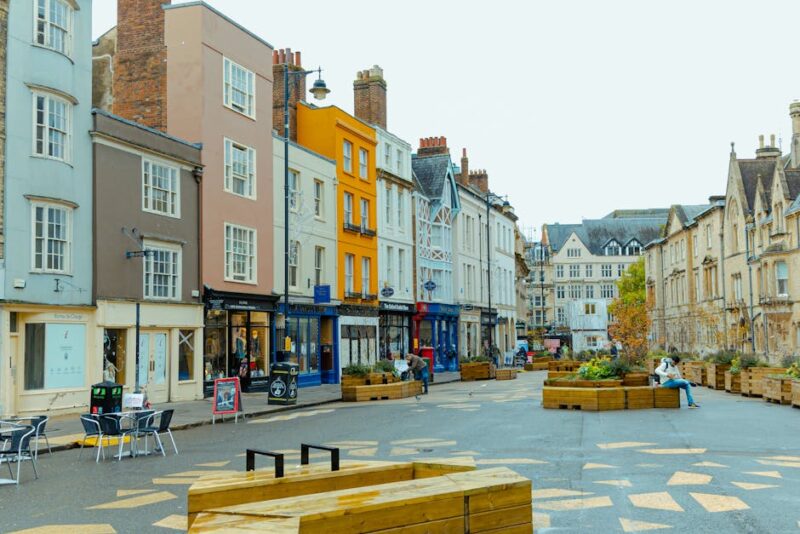
: This aerial view of a thriving Rail-Trail Town Center showcases the integration of the project with the surrounding urban fabric.
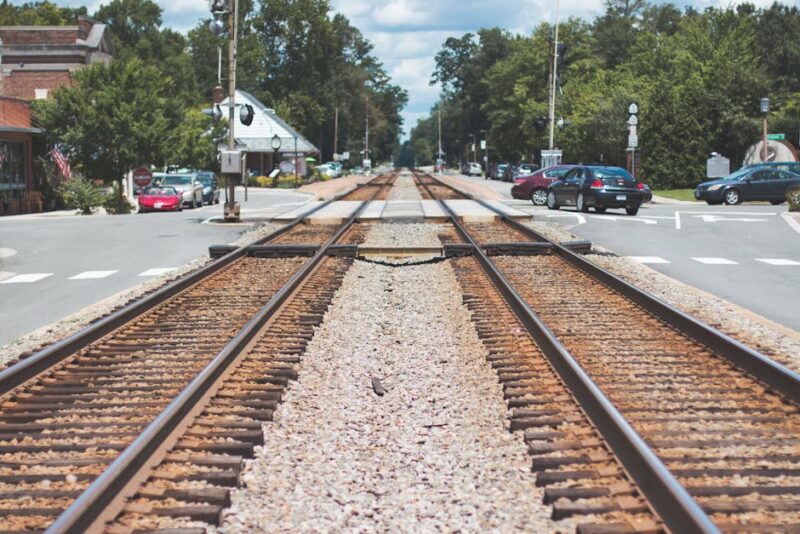
: This image of community members enjoying the amenities of a Rail-Trail Town Center underscores the social benefits of these projects.
: In this interview, a leading architect discusses the benefits of Rail-Trail Town Centers and shares insights from his experience.
: This time-lapse video of a Rail-Trail Town Center transformation provides a fascinating glimpse into the process of converting an old railway line into a vibrant community space.
: This tour of a successful Rail-Trail Town Center provides a first-hand look at the features and amenities that make these projects so appealing.
20px 0;">
Existing Mass
New Program
Parti: Rail-Trail Town Centers: Converting Old Lines into Walkable
Simple parti diagram: existing structure transformed into a mixed-use core.
: This basic diagram shows the typical layout of a Rail-Trail Town Center, including the placement of paths, green spaces, commercial and residential areas, and other amenities.
Atlanta, GA, USA
: This map shows the location of the Atlanta BeltLine, providing context for the case study.
: This section showcases stunning images of the best Rail-Trail Town Centers from around the world, providing inspiration for your own project.
: This section features essential products and services for creating a Rail-Trail Town Center, including design software, construction materials, landscaping services, and more.
Harness the potential of Rail-Trail Town Centers to transform your community, foster economic development, promote sustainability, and improve quality of life. It's time to embark on the journey of converting old lines into walkable districts that are not only functional but also aesthetically pleasing and socially vibrant.
Additional Considerations
Modern design choices for Rail-Trail Town Centers: Converting Old Lines into Walkable Districts often hinge on local codes, climate, and construction timelines. Build in extra time for permitting, review energy modeling early, and get bids from at least three contractors to pressure-test assumptions before you lock the design.
