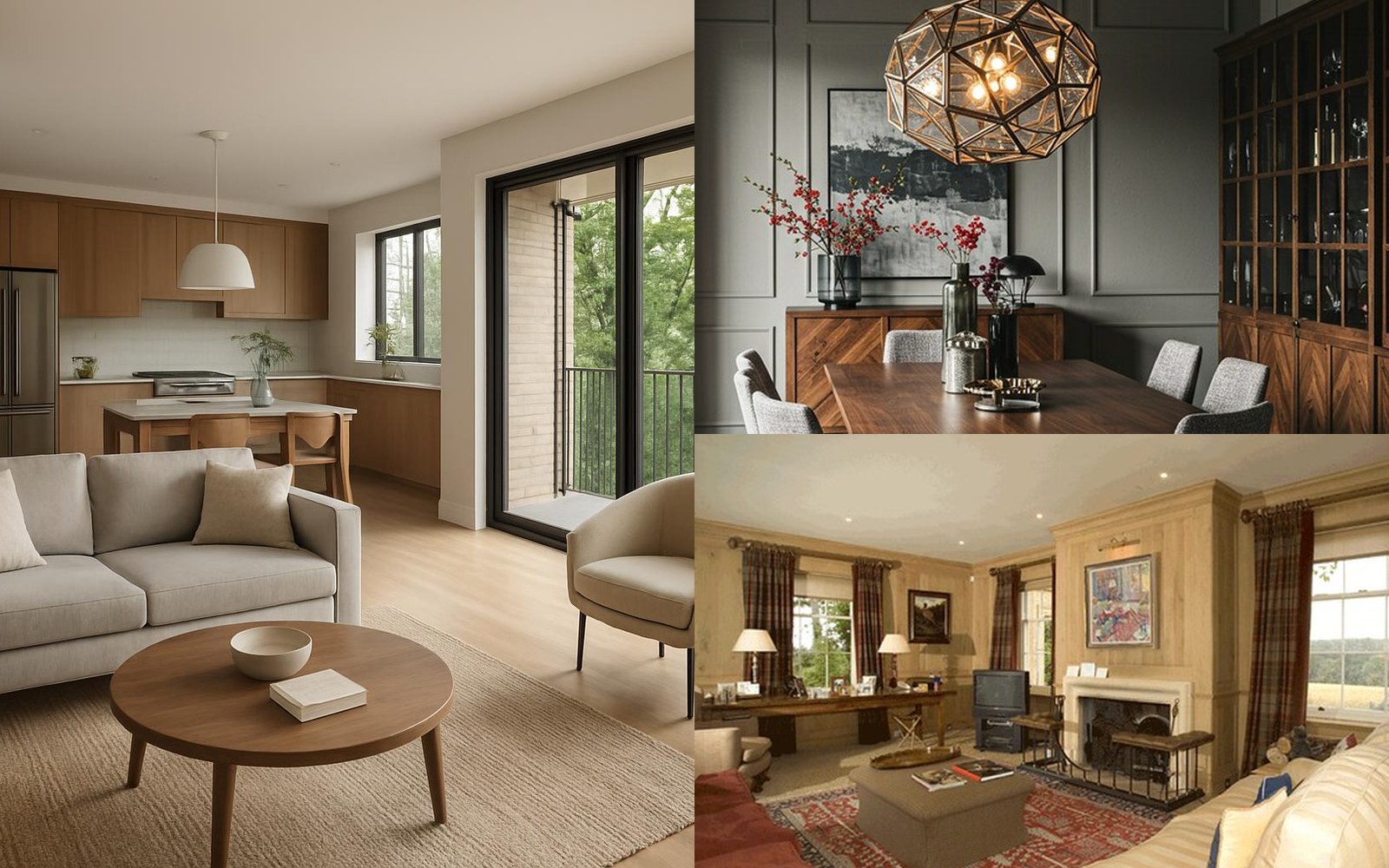
Quick Answer
For open concept floor plan styling inspiration, prioritize layout, clearances, durable materials, lighting, storage, and maintenance details before choosing purely visual inspiration.
Use the examples below as visual references, then check dimensions, product ratings, local code, and installation conditions before committing to a layout or finish.
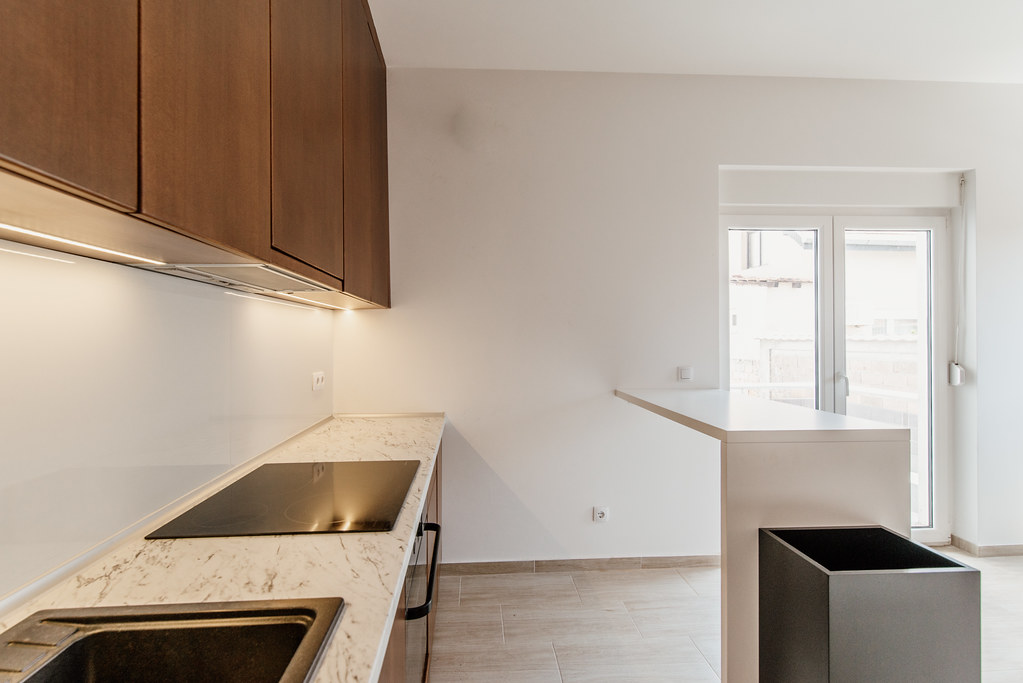
Open concept floor plans demand deliberate styling thinking beyond simply removing walls. The flow between kitchen, living, and dining zones must balance connection and definition through layout, furniture scale, and material transitions. Circulation paths should be clear yet unobtrusive, while sightlines leverage window placements and ceiling height to craft cohesive, daylight-filled environments. Achieving acoustic comfort and layered lighting requires strategic soft surface choices and fixture zoning, all without compromising the subtle privacy tradeoffs inherent to open layouts. This article dissects these complexities with concrete measurements and informed caution to aid homeowners and remodelers in grounding their next open-plan styling project in reality, not just aspiration.
Planning Details That Matter
| Decision | What to verify | Why it matters |
|---|---|---|
| Clearance | Walk paths, door swings, and access points | Beautiful layouts fail when they are hard to use. |
| Material | Moisture, wear, UV exposure, and cleaning needs | Durability determines long-term satisfaction. |
| Lighting | Task, ambient, accent, and glare control | Good lighting makes the design work in real life. |
| Budget | Product, labor, maintenance, and replacement cost | Cheap upfront choices can cost more later. |
Common Mistakes
- Copying an image without checking scale, clearance, and installation limits.
- Choosing finishes before confirming moisture, cleaning, or UV exposure.
- Ignoring lighting until after the main layout is already fixed.
Maintenance Checklist
- Confirm product care instructions before purchase.
- Use durable finishes where hands, water, sun, or traffic are constant.
- Keep access panels, cleaning edges, and replacement parts reachable.
Designer And Builder Notes
Use these references as design direction, then verify dimensions, local code, manufacturer instructions, and site-specific conditions before ordering products or starting installation.
Harmonizing Kitchen, Living, and Dining Relationships
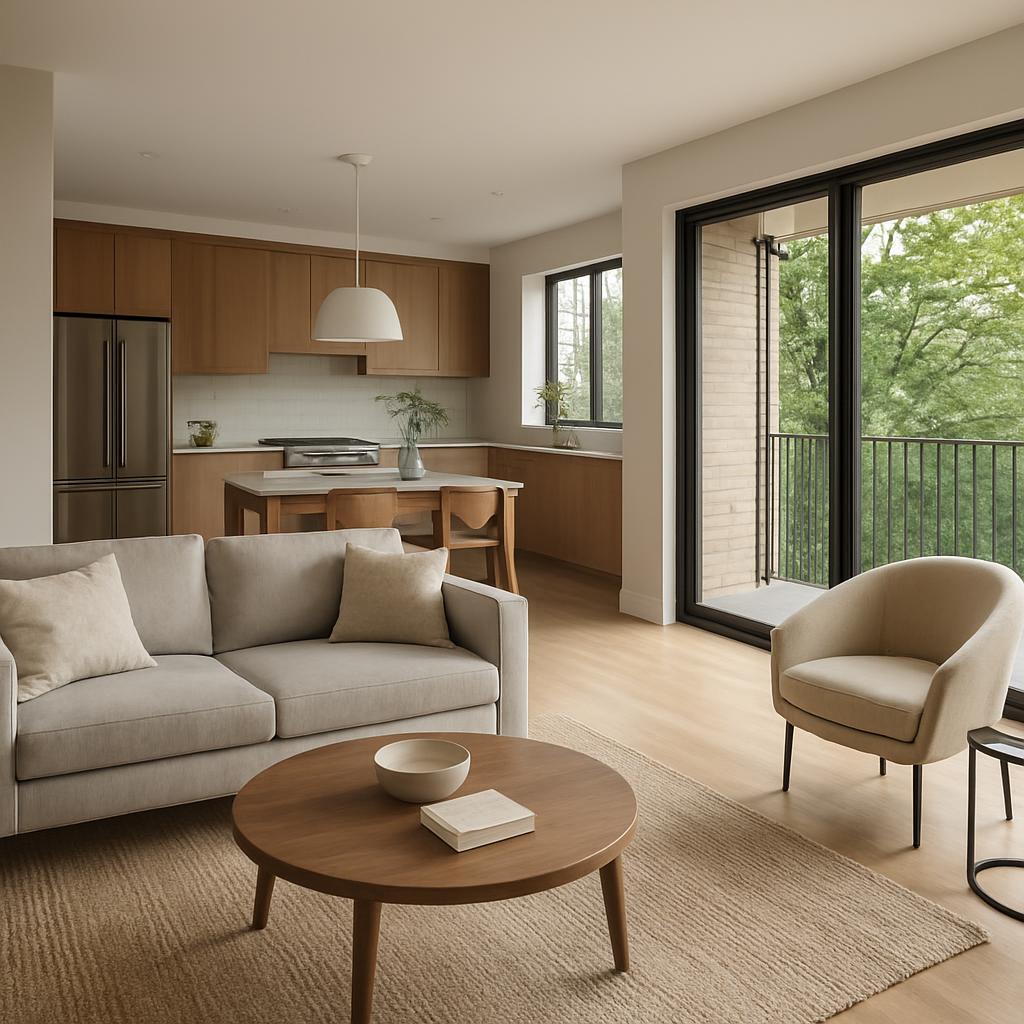
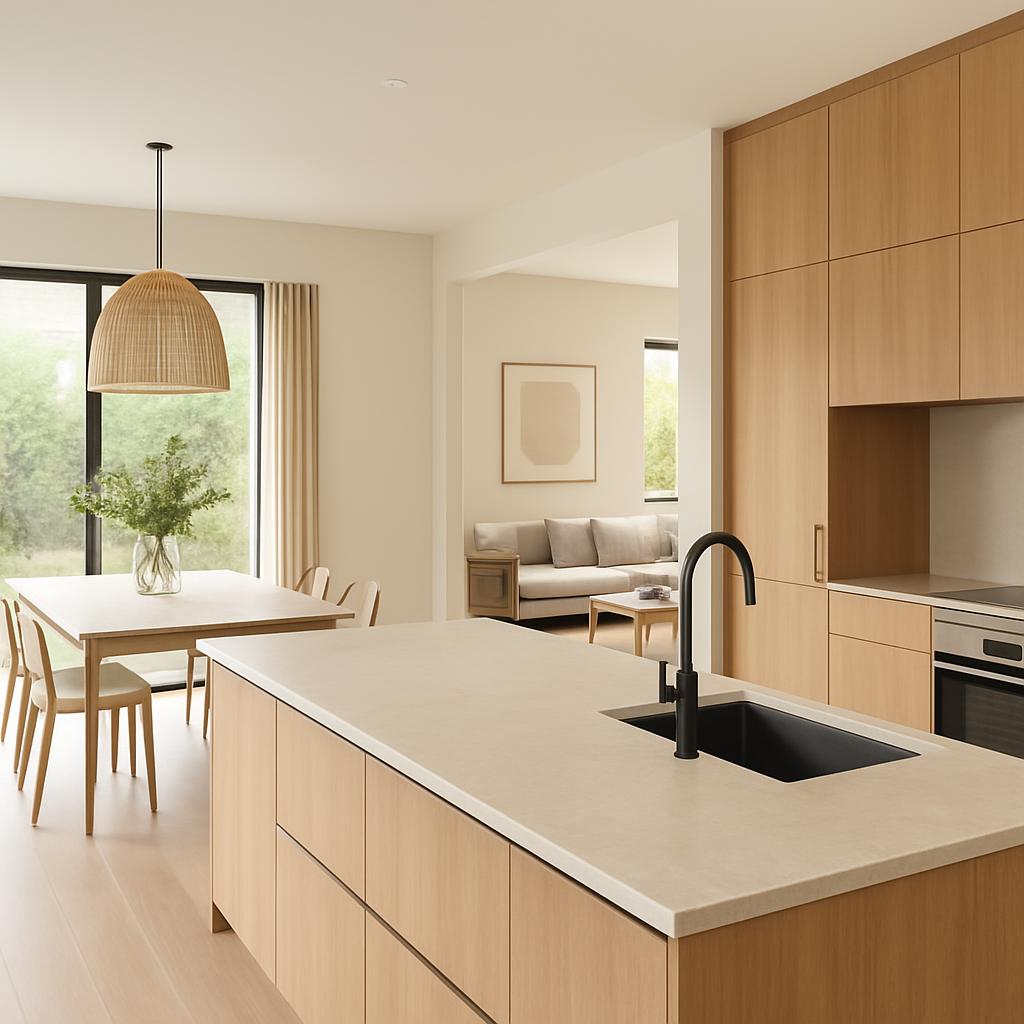
In open concept floor plans, the kitchen, living, and dining areas should relate spatially through proportionate scaling; for example, kitchen islands sized around 7 by 3 ft anchor adjacency without overpowering. Use consistent ceiling heights—ideally around 9 ft—to unify overhead volume, pairing streamlined cabinetry with low-profile sofas to balance visual weight. Prioritize uninterrupted sightlines by positioning the dining table no closer than 4 ft from the island, permitting natural flow. A tradeoff to note: integrating ample seating in all zones can risk overcrowding, so prioritize multifunctional pieces with slim profiles. The takeaway is to choreograph these key spaces with deliberate scale and clear spacing to maintain openness while facilitating separate functions.
Designing Clear Circulation Paths Without Disruption
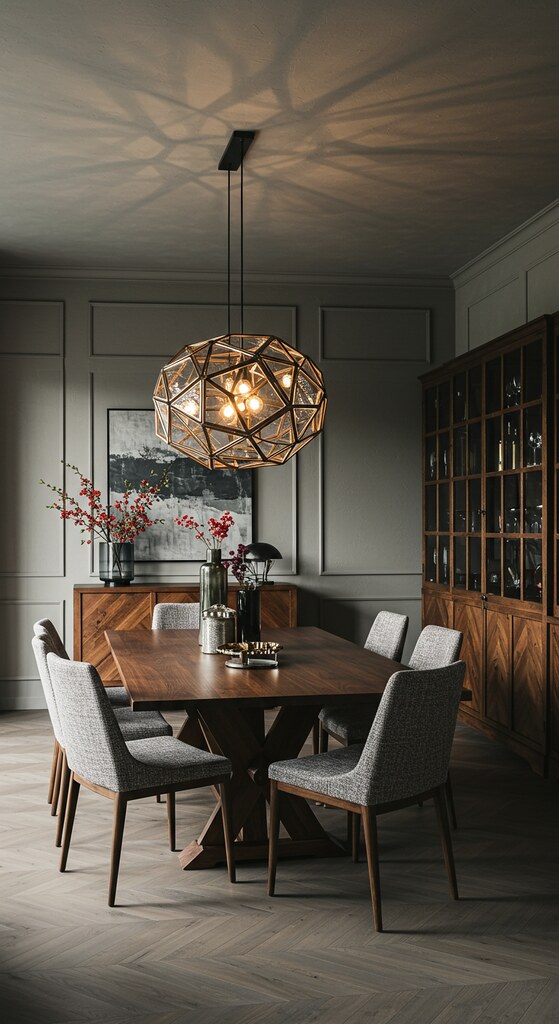
Circulation paths in open plans should measure at least 3 ft wide to comfortably accommodate two-way foot traffic between kitchen, dining, and living zones. Position pathways to run along perimeter walls or central access points, avoiding mid-zone cuts that interrupt furniture groupings. Opt for layouts where access routes subtly curve or angle rather than forcing direct cross-flows, which cause visual clutter and traffic jams. However, note that wider paths might reduce usable furniture space in compact areas, requiring careful dimension balancing. This highlights the need to map movement early to preserve functional edges and a fluid, unobstructed flow through shared spaces.
Defining Zones with Furniture Scale and Rug Boundaries

Using furniture zoning supported by area rugs is a powerful tactile way to delineate zones without walls. Rugs sized around 8 by 10 ft work well under living room groups, defining seating perimeter while visually contrasting with adjacent dining or kitchen flooring. Choose rugs with low pile for easy maintenance and select furniture scale proportionate to rugs, leaving at least 18 in. of bare floor visible. The caution is that mismatched rug edges or patterns can disrupt flow, so coordinate colors and textures harmoniously. The lesson: well-planned furniture and rug boundaries establish intuitive activity zones, shaping circulation and comfort organically within open layouts.
Integrating Structural Rhythm Through Ceiling Elements

Exposing or incorporating ceiling beams or columns creates structural rhythm that visually segments open plans cohesively. Spacing beams roughly 6 to 8 ft apart or framing columns with consistent finishes like warm wood or steel anchors circulation and zoning overhead. This architectural cadence enhances dimension perception and material layering without adding partitions. One tradeoff is that exposed elements must be regularly maintained for dust and finish integrity in visible sightlines. Readers should embrace structural rhythm as both a tactile and spatial organizer, transforming necessary support elements into deliberate design features linking floor plan components.
Maximizing Daylight and Sightlines with Window Placement
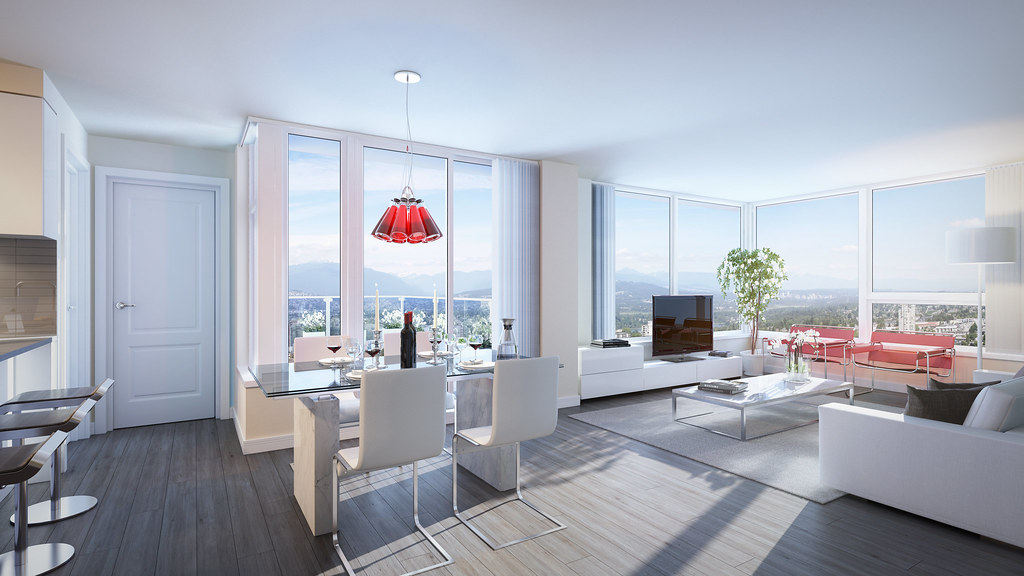
Windows strategically placed to span at least 6 ft horizontally maximize daylight penetration deep into open plans. Aligning window sills at consistent heights around 3 ft preserves sightlines while inviting exterior views. Avoid floor-to-ceiling glazing in noisy urban contexts without acoustic glazing to balance light with comfort. A tradeoff is that too much glass can increase thermal gain, so include shading devices or high-performance glazing. The design lesson is that deliberate window sizing and placement unlock natural illumination and visual connection critical for depth and openness in the combined kitchen, living, and dining spaces.
Creating Cohesion via Material Transitions Between Zones
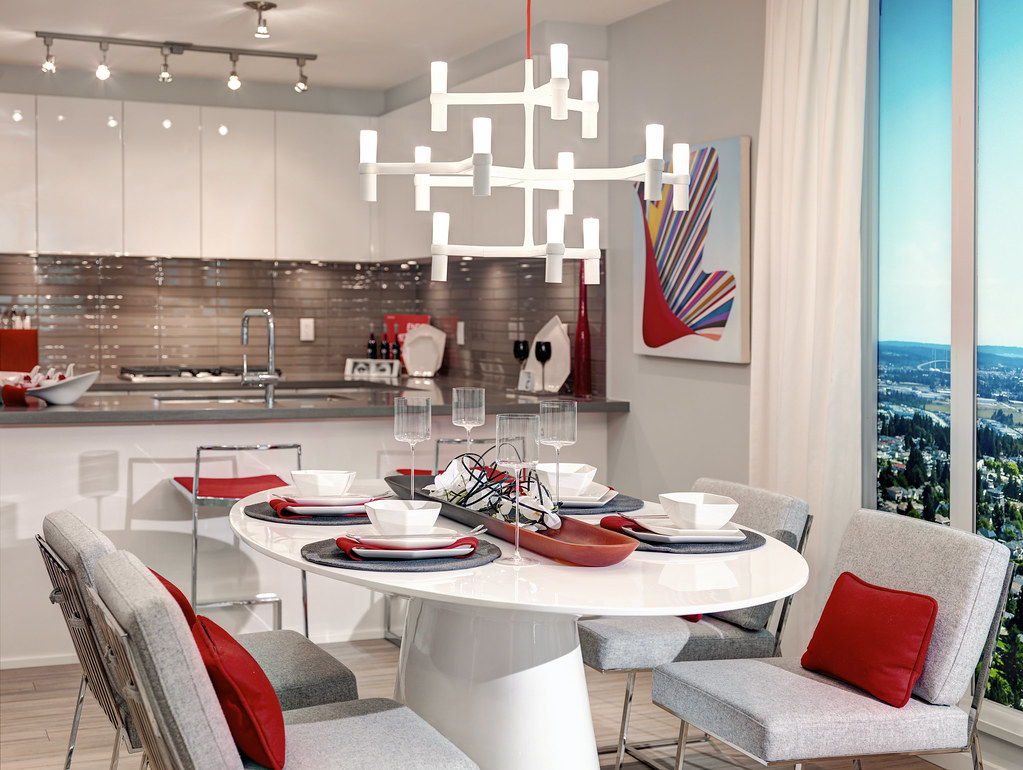
Material transitions between zones work best when they are subtle yet tactile; for example, shifting from warm hardwood flooring in the dining area to durable polished concrete in the kitchen over a 1.5 in. threshold provides functional and visual cues. Use consistent color palettes or complementary textures to unify adjoining finishes, avoiding abrupt or jarring contrasts. The caution here is moisture transfer near kitchen transitions that may cause wood floor damage, so proper sealing and maintenance are essential. The takeaway: thoughtfully orchestrated material shifts define individual zones while preserving the integrity and flow of the overall open concept.
Soft Surface Strategies for Acoustic Balance

Soft surfaces such as upholstered seating, fabric curtains hung at least 8 in. from walls, and layered rugs are critical acoustic buffers in open floor plans. Incorporate cushions and wall-mounted acoustic panels in seating areas to reduce echo without breaking openness. Beware that large hard surfaces like concrete or stone floors amplify sound travel, so balance with enough absorbent textures covering at least 20% of ceiling and wall area. One tradeoff is that too many textiles increase cleaning frequency and dust accumulation, affecting air quality. The design insight: a measured soft surface strategy is necessary to maintain comfort and functionality in expanded communal zones without resorting to partitions.
Layered Lighting to Enhance Open Plan Dynamics
Lighting layers across open plans ensure function and mood complement spatial relationships. Combine centrally placed recessed downlights spaced 4 to 5 ft apart with pendant fixtures over kitchen islands at 36 in. height for task lighting, and incorporate wall sconces or floor lamps for accent across living and dining areas. Avoid overly bright uniform lighting that flattens zoning distinctions. A practical limitation is coordinating dimmer switches and fixture color temperatures (2700-3000K) to unify ambiance. The key lesson: layered, zone-specific lighting builds depth and usability, reinforcing the spatial choreography essential in open concept floor plan styling.
Related Architecture Adrenaline Reads
What furniture scale suits open concept floor plans?
Choose furniture with clean lines and moderate size to maintain openness. Sofas around 30-36 in. depth and dining chairs under 20 in. width help avoid crowding.
How wide should circulation paths be in open layouts?
Plan for at least 3 ft wide paths for comfortable two-way movement, adjusting slightly based on traffic intensity and overall space.
How to balance acoustic comfort without walls?
Use at least 20% soft surfaces like rugs, cushions, and fabric panels distributed strategically to absorb sound and minimize echoes.
Styling an open concept floor plan involves more than aesthetics; it requires precise spatial choreography integrating kitchen, living, and dining realms through calculated circulation, material coherence, and environmental controls. Practical measures—such as defining zones with furniture and rugs, structuring ceilings for rhythm, and layering lighting—support functional coexistence. Equally, managing daylight, acoustic softness, and the inevitable privacy tradeoffs safeguards comfort and usability. Armed with these measured insights and realistic cautions, homeowners and remodelers can approach open plan styling with confidence and clarity, achieving spaces as functional as they are inviting.
For more room-by-room ideas, browse Architecture Adrenaline’s latest design guides and save your favorite looks for your next project.
Further Inspiration Sources
Design Deep Dives & Resources
Use these references to go deeper on layouts, materials, lighting, safety, and maintenance decisions that matter for this style.
Research-Backed Planning Notes
- Plan clearances before finishes: Interior design work is strongest when circulation, door swings, storage depth, and fixture access are resolved before color or styling. Use this as a reason to verify dimensions and maintenance access before copying any visual concept. Source: NKBA
- Lighting quality depends on layers: Ambient, task, and accent lighting solve different problems, and glare control matters as much as fixture style. Use dimming, warm color temperature, and task placement as design constraints, not afterthoughts. Source: IES
On Architecture Adrenaline
- Open Floor Plan Inspiration For Small Spaces: Read the full guide
Authoritative Planning References
- American Society of Interior Designers - Professional interior design reference for wellness, sustainability, material choices, and practice context.
- IIDA resources - Interior design practice resources that help ground planning, materials, and workplace/residential design decisions.
- National Kitchen & Bath Association - Kitchen and bath planning reference for fixture clearances, remodel planning, and professional standards.
External Inspiration
Editor-Selected Amazon Finds
Use these shopping starting points to compare dimensions, damp-location ratings, mounting hardware, and review photos before buying.
Task lighting
Start with lighting because it changes how every finish reads.
Storage organizers
Keeps the space functional instead of just photogenic.
Wall-mounted shelves
Adds useful vertical storage without crowding the floor.
Slim side tables
A compact landing surface helps the room work day to day.
Material sample kits
Compare finish color and texture in the actual room light before committing.
Extra Visual Inspiration