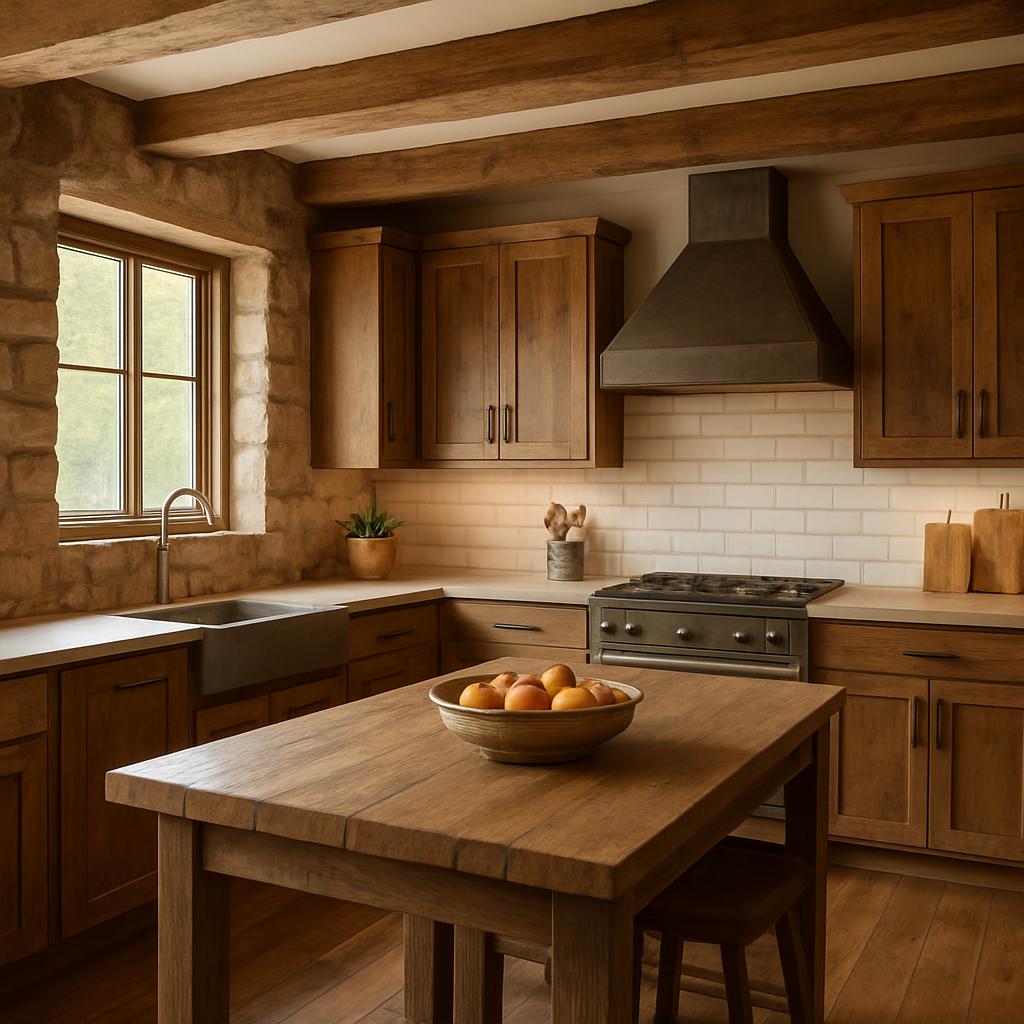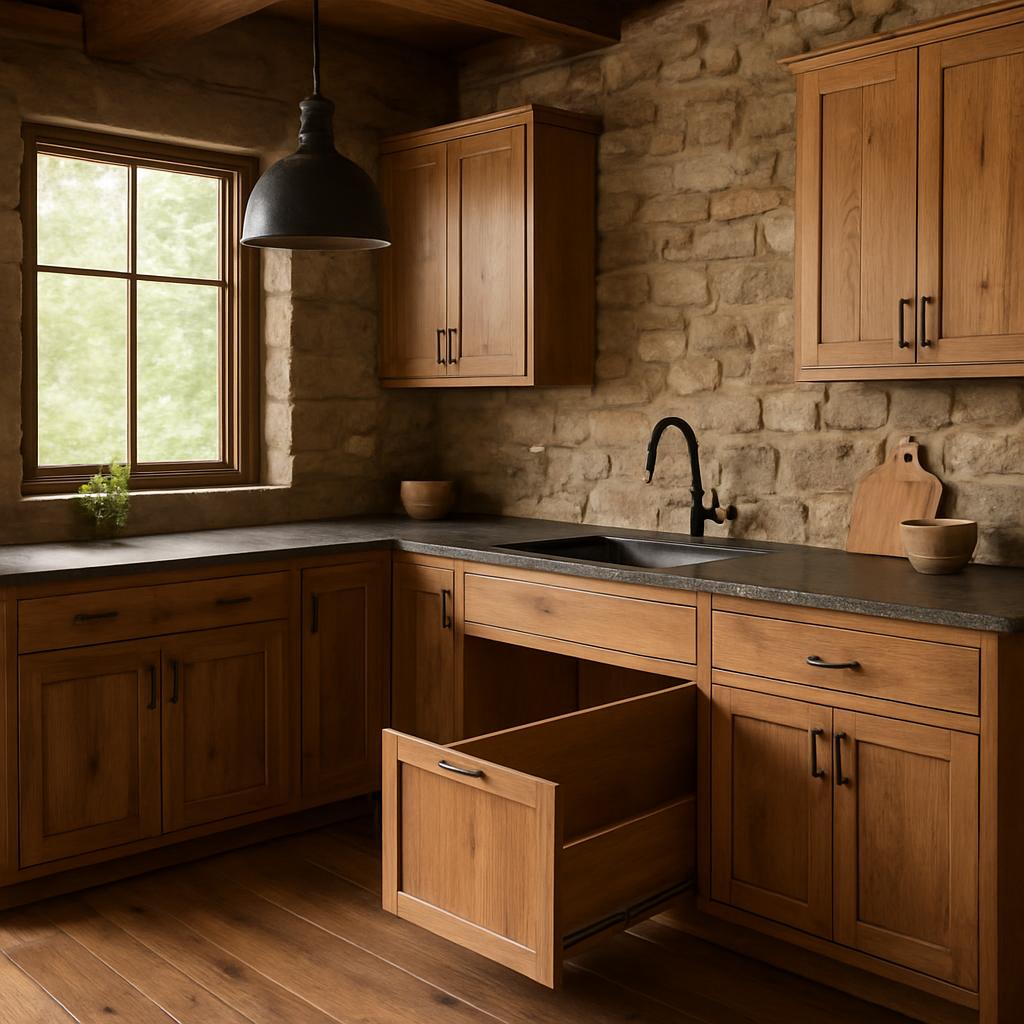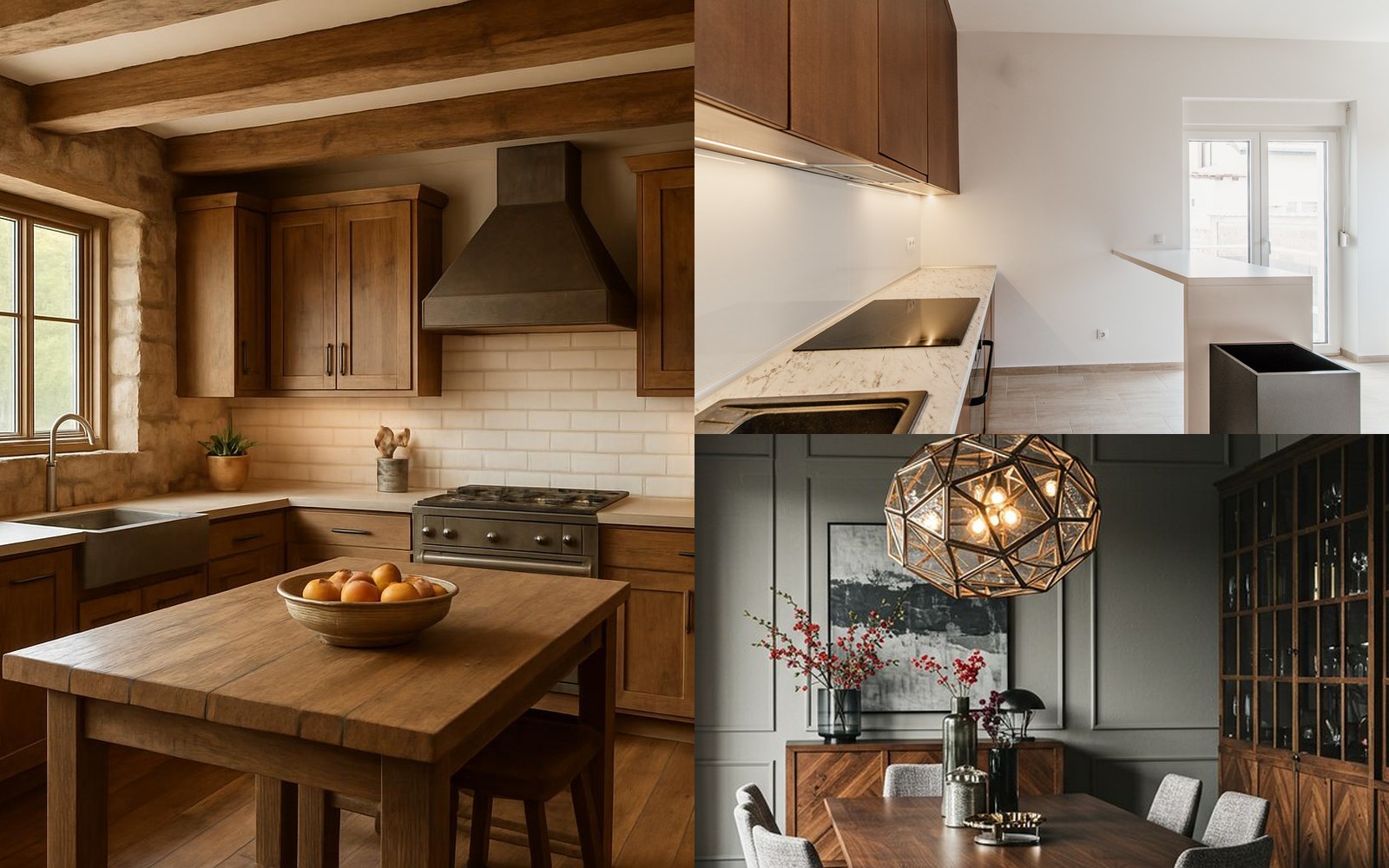
For rustic kitchen layout and material inspiration, prioritize layout, clearances, durable materials, lighting, storage, and maintenance details before choosing purely visual inspiration.
Use the examples below as visual references, then check dimensions, product ratings, local code, and installation conditions before committing to a layout or finish.
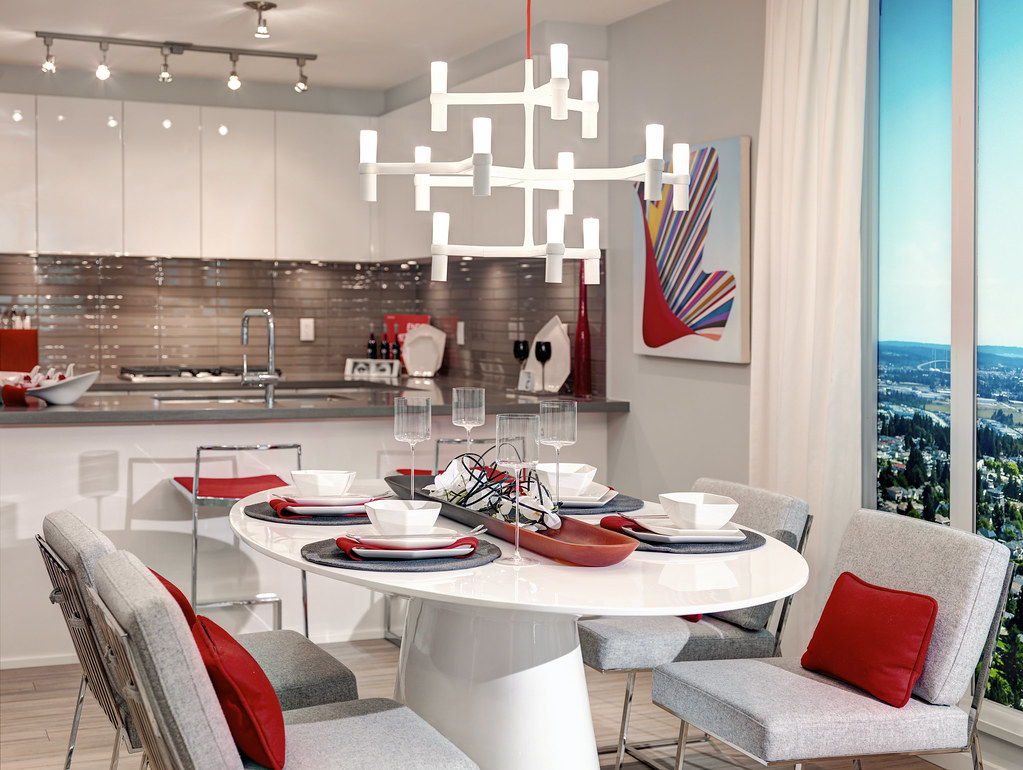
Rustic kitchens in open-plan homes demand intentional spatial choreography where kitchen, living, and dining zones relate fluidly yet distinctly. Prioritize circulation paths at least 3 ft. wide to accommodate daily movement without sacrificing cozy furniture arrangements or rustic material warmth. Raw woods, matte metals, and textured stone surfaces create a tactile foundation, but balancing these with clean lines and daylight access prevents heaviness. This image-led collection offers concrete tactics on zoning, sightlines, and layered lighting to shape a practical yet inspirational rustic open-plan kitchen environment.
| Decision | What to verify | Why it matters |
|---|---|---|
| Clearance | Walk paths, door swings, and access points | Beautiful layouts fail when they are hard to use. |
| Material | Moisture, wear, UV exposure, and cleaning needs | Durability determines long-term satisfaction. |
| Lighting | Task, ambient, accent, and glare control | Good lighting makes the design work in real life. |
| Budget | Product, labor, maintenance, and replacement cost | Cheap upfront choices can cost more later. |
Use these references as design direction, then verify dimensions, local code, manufacturer instructions, and site-specific conditions before ordering products or starting installation.
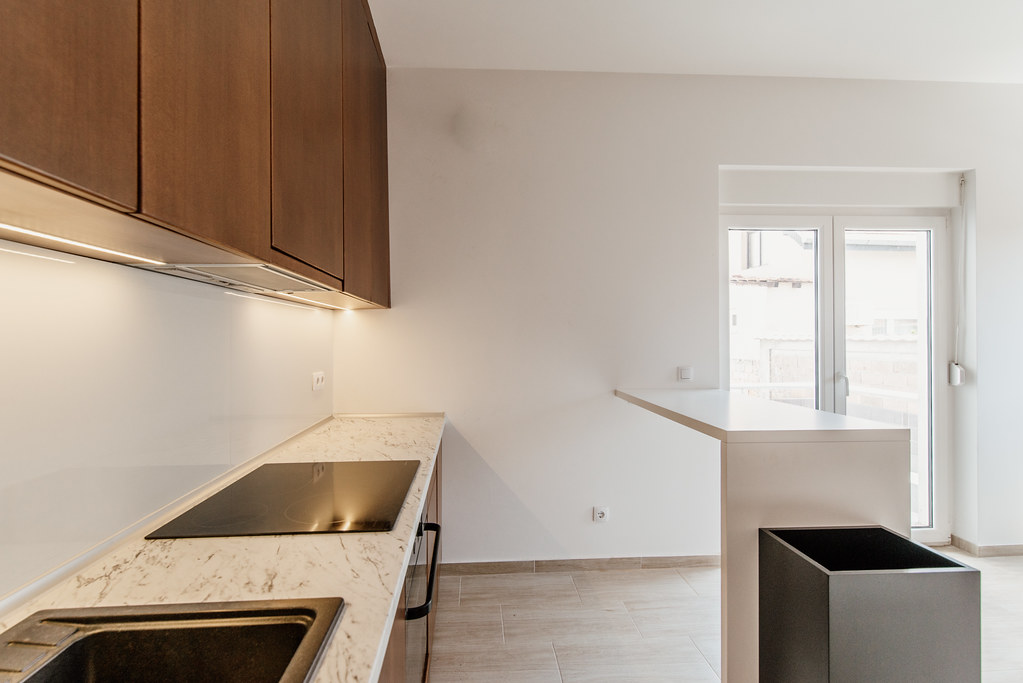
In rustic open layouts, situate the kitchen as a visual and functional anchor adjoining living and dining zones, maintaining minimum 42-inch clearances for comfortable movement. Pair raw oak cabinetry with hand-hewn stone countertops to root the kitchen in rustic authenticity, contrasting against softer linen upholstery in the living area. Open ceiling heights should connect zones visually while preserving cozier scale through pendant lighting clusters. Be mindful that overly connected kitchens can amplify noise; consider subtle spatial breaks to mitigate sound travel. The design takeaway: clear proportion and material dialogues strengthen zone identity within continuous space.
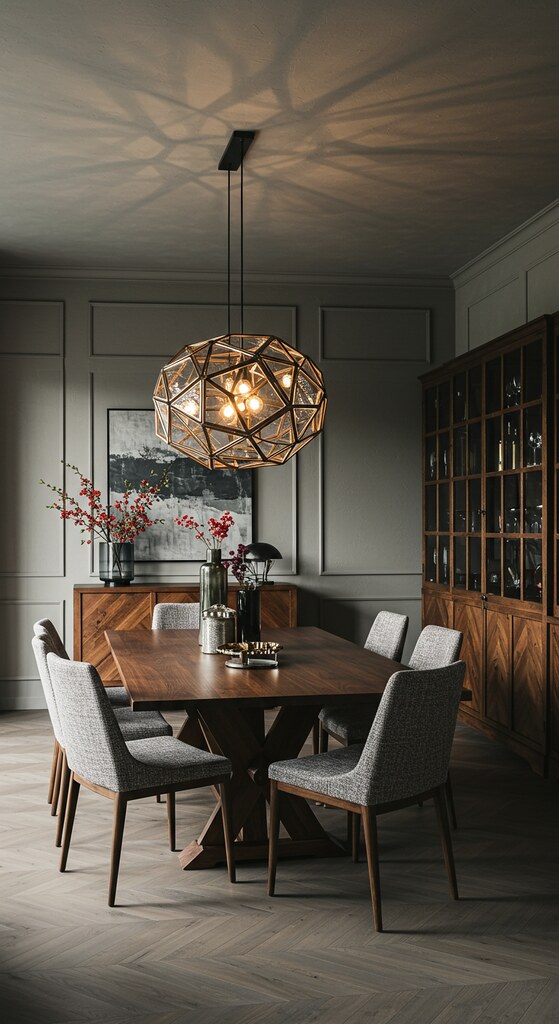
Circulation paths in rustic open plans require at least 3 ft. widths to ensure unobstructed flow from kitchen to dining and living areas, especially around islands and seating clusters. Use natural wood flooring planks laid longitudinally to subtly direct movement and reinforce pathway hierarchy. Avoid cluttering these routes with oversized furniture to prevent bottlenecks in tight rustic homes. One practical note: tighter circulation can feel lively but risks tripping hazards and furniture wear. The key lesson is to respect clearances for fluid multi-functional living without compromising rustic texture layering.

Define rustic zones by anchoring seating groups on natural fiber rugs with 8x10 ft. minimum dimensions to contain furniture and soften acoustics underfoot. Position the dining table parallel to kitchen islands to enhance functional adjacency while maintaining distinct activity areas. Worn leather sofas and chunky wooden tables ground the living and dining zones with balanced tactile weight. The tradeoff in this warm material layering is routine rug maintenance and furniture repositioning to protect rustic wood floors. Furniture zoning through tactile rug boundaries clarifies space use in open layouts without rigid separations.
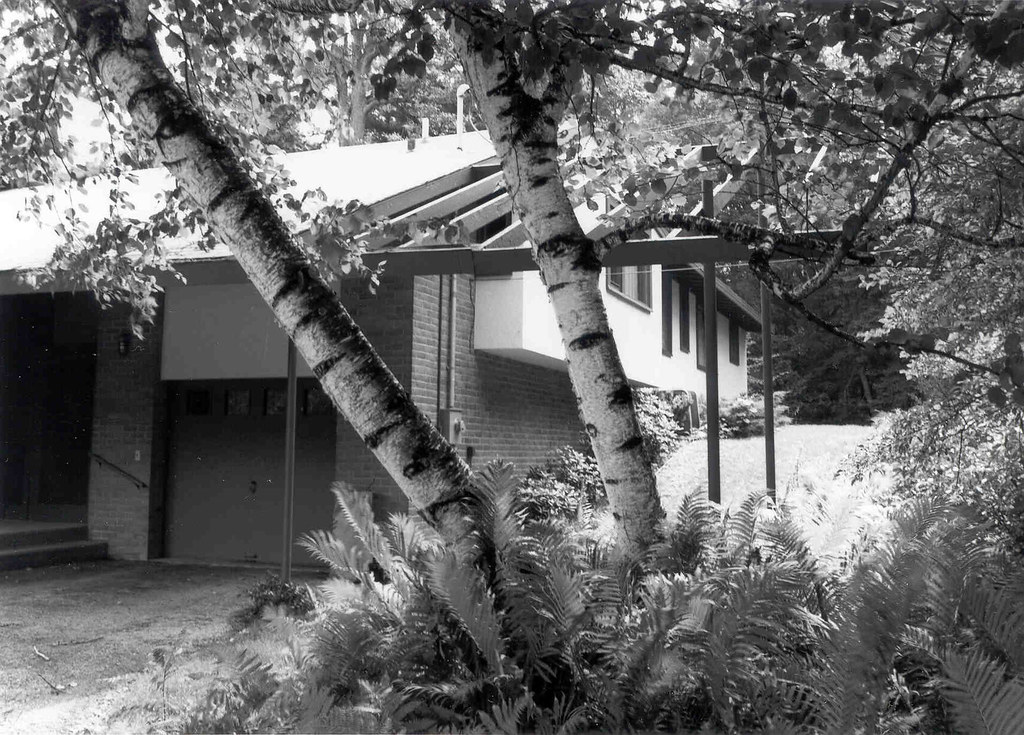
Expose or install faux distressed ceiling beams spaced approximately 4 to 6 ft. apart to instill rustic structural rhythm while visually dividing expansive ceilings without full height breaks. Complement wooden columns or posts with wrought iron detailing to blend industrial and rustic characteristics authentically. However, structural elements must maintain at least 7 ft. head clearance and stay clear of circulation paths to avoid impeding movement. Overexpressed beams risk visual clutter; subtlety in rhythm preserves openness and rustic warmth simultaneously. Structuring ceiling elements anchors spatial rhythm and material consistency across zones.

Maximize daylight by orienting large double-glazed windows north or east, avoiding harsh glare while penetrating deep into the open kitchen and living areas. Position kitchens near operable windows sized around 4x5 ft. for ventilation and panoramic sightlines towards outdoor rustic landscaping. Align sightlines from kitchen to dining through low-profile furniture under 30 in. height to maintain seamless visual flow. Tradeoffs include potential heat loss in older rustic home shells necessitating insulated window options. Lighting considerations and clear views inform window strategies crucial for comfortable rustic open plans.
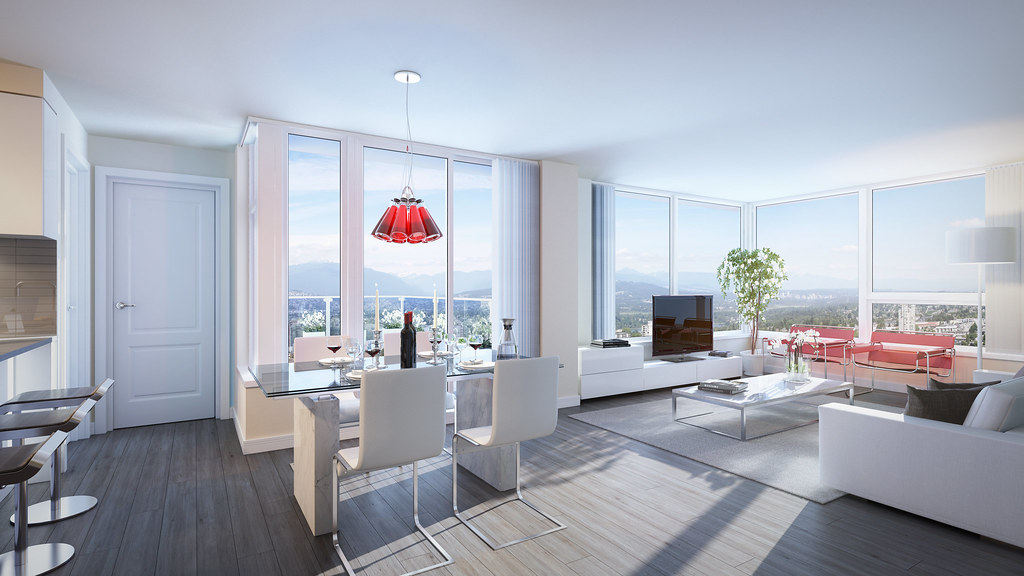
Employ natural stone flooring in the kitchen zone transitioning to wide plank hardwood in living and dining areas to tactically delineate function without walls. Transition strips with tongue-and-groove joinery in roughly 1.5 in. thickness provide clean, durable thresholds fitting rustic aesthetics. Use matte finishes on kitchen stone to resist wear yet require sealing every 12 months to prevent staining. Avoid harsh material contrasts; instead, opt for complementary warm tones to unify rustic zones softly. Thoughtful material transitions signal zone boundaries spatially and texturally in rustic layouts.

Introduce acoustic comfort using natural fiber textiles like jute or wool rugs at least 6x9 ft. under living room seating and fabric-upholstered dining chairs to dampen sound reflections off hard rustic surfaces. Panels of reclaimed wood mounted vertically act as subtle sound absorbers and add warmth on large walls. Remember, acoustic soft surfaces require regular cleaning to prevent dust accumulation, and too many plush elements can conflict with rustic minimalism. Layered acoustic strategies balance comfort with textural restraint, vital for open plan rustic kitchens with wood and stone prevalence.
Create layered lighting by combining warm 2700K LED recessed ceiling lights with multiple pendants above kitchen islands and rustic metal wall sconces framing living spaces. Maintain spacing of around 4 ft. between ceiling fixtures to avoid dark spots while enhancing wood grain textures. Task lighting beneath upper cabinets supports food preparation without glare. Watch for wiring challenges when integrating vintage or industrial-style fixtures within exposed beam ceilings. Layered lighting enriches rustic open spaces by accentuating material depth and supporting diverse daily activities.
Natural stone or wide plank hardwood with matte finishes are ideal, providing durability and rustic warmth. Transition strips help delineate zones subtly.
A minimum of 3 feet clearance ensures comfortable movement and safety without overcrowding furniture arrangements.
Use natural fiber rugs, upholstered furniture, and acoustic wall panels to absorb sound, balancing soft surfaces with rustic textures cautiously.
Pursuing a rustic kitchen layout with integrated living and dining in an open plan requires measured spatial and material decisions. Prioritizing circulation widths, daylight access, and careful material transitions enhances both function and tactile warmth. Structural details like ceiling beams and acoustic treatments reinforce rustic authenticity without overwhelming the space. This image-driven exploration confirms that practical clearances, layered textures, and thoughtful lighting are indispensable for creating rustic open-plan kitchens that perform for everyday life while holding their rustic character true.
For more room-by-room ideas, browse Architecture Adrenaline’s latest design guides and save your favorite looks for your next project.
Use these references to go deeper on layouts, materials, lighting, safety, and maintenance decisions that matter for this style.
Use these shopping starting points to compare dimensions, damp-location ratings, mounting hardware, and review photos before buying.
A practical starting point for improving visibility and mood.
Useful when the design also needs daily function.
Keeps daily items accessible without adding counter clutter.
Helps tune scale, light, and sightlines in compact rooms.
Improves access in deep cabinets, base units, and utility zones.