Keith Haring's most famous art has garnered international acclaim, not just for its vibrant aesthetics but for its profound social messages, captivating millions worldwide. Did you know that Haring's iconic imagery, particularly the Radiant Baby, has become recognized as one of the most prevalent symbols of the 1980s, appearing on everything from pop culture merchandise to public murals? Each brushstroke by Haring was more than just art; it was a rallying cry for harmony, unity, and social change.
At the core of Keith Haring's most famous art lies a unique language that speaks volumes. Haring developed a whimsical yet powerful vocabulary of radiant lines, bold black contours, and simple, recognizable figures that conveyed universal themes. Here are a few key elements that define his work:
Through these dynamic motifs, Haring's art transcended the typical confines of galleries, reaching into the fabric of everyday life. Each piece invites viewers into a world where art is not an elitist endeavor but a communal experience, encouraging dialogue and action on vital social issues.
Keith Haring's most famous art continues to resonate as a vibrant intersection of street culture, public accessibility, and social activism. From chalk drawings in subway stations to sprawling public murals and museum-friendly canvases, Haring’s pieces speak a universal language characterized by bold lines, joyful motion, and urgent commentary on the pressing issues of his time and ours. His ability to capture the zeitgeist through art not only reflects a specific cultural moment but also addresses themes that remain relevant today.

| Piece | Year | Why It’s Notable |
|---|---|---|
| Radiant Baby | 1980s | Iconic symbol of life, energy, and positive spirit; appears across paintings, murals, and posters. |
| Crack Is Wack | 1986 | Public mural in Harlem that became a cultural touchstone about social issues. |
| Subway Drawings | 1980–1985 | Chalk-on-wall drawings that popularized his simple figures and made art accessible in everyday life. |
The keystone of Keith Haring's most famous art is its unique language. Haring developed a symbolic vocabulary—radiant lines, bold black contours, and simple, readable figures—that conveyed universal ideas such as birth, love, struggle, and solidarity. This visual shorthand allowed his work to transcend galleries and permeate street corners, posters, and merchandise, reinforcing the notion that art can belong to everyone. Critics frequently highlight recurring motifs like the dancing figure and the Radiant Baby, which encapsulate the energy of New York’s cultural scene while addressing broader social issues.

Among the pieces in Haring's oeuvre, the Radiant Baby stands out as a symbol of innocence and vitality. The dancing figure, another beloved motif, conveys motion, community, and celebration. Together, they exemplify how his art melded playful imagery with serious messages, making Haring's creations accessible to audiences of all ages.

Crack Is Wack, a monumental mural painted in Harlem in 1986, is frequently cited as one of Haring's most significant works. Its bold lines and stark anti-drug message reflect Haring’s commitment to using public art as a vehicle for social commentary. This iconic piece, along with his numerous other public interventions, helped solidify Haring's reputation as an artist deeply engaged with urgent societal issues.


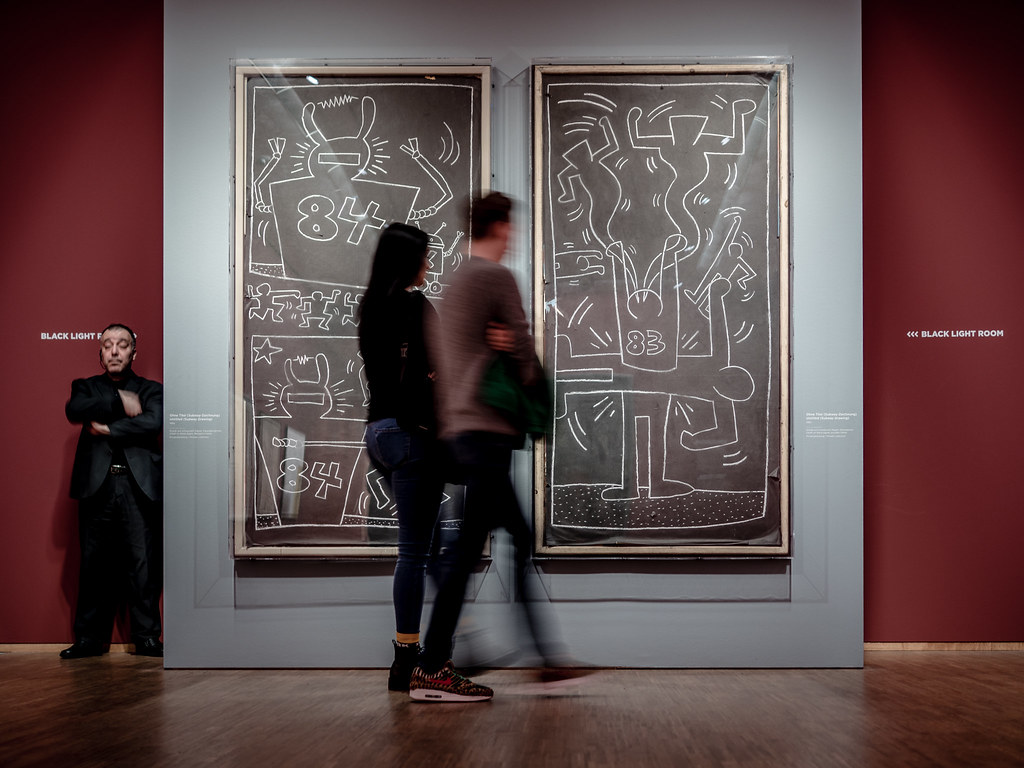
Haring's subway drawings—spontaneous chalk illustrations that transformed blank spaces in New York City’s transit system—are foundational to his legacy. These works introduced millions to his distinctive visual language, demonstrating art's potential to engage audiences in everyday environments. They paved the way for a career that transitioned from bustling street corners to prestigious galleries and museums.
Beyond producing iconic images, Haring actively sought to democratize art. He opened the Pop Shop in SoHo, where he sold affordable posters, T-shirts, and various merchandise adorned with his imagery. This initiative embodies Haring's philosophy that art should be public, portable, and accessible. Additionally, he used his platform for activism, addressing significant societal challenges including apartheid and AIDS awareness—topics that remain central to discussions surrounding his work today.

Haring’s works are prominently displayed in major museums globally, including the Museum of Modern Art in New York and the Smithsonian American Art Museum. Retrospectives, such as the Whitney Museum of American Art’s 1997 survey, have helped secure Haring’s position in the canon of late 20th-century American art. Contemporary institutions continuously explore his impact through new exhibitions and collaborations, ensuring that Haring's artistic legacy continues to prompt public discourse.

If you are interested in collecting or simply admiring Haring's art, consider these practical tips:
For those exploring Keith Haring prints and posters on Amazon, or engaging with his artworks, delving into the artist’s broader practice—including public installations, the Pop Shop, and philanthropic efforts—offers a fuller insight into why this body of work remains significant. If you have a favorite piece or a memorable experience with Haring's art, we encourage you to share it in the comments, highlighting which aspects of his work resonate with you most deeply.
In a world where art can often feel remote, Haring’s strongest pieces invite us to participate and reflect. His work, marked by motifs like the Radiant Baby, Dancing Figures, and Crack Is Wack, seamlessly bridges street culture and high art. This fusion has solidified Haring's legacy as an enduring symbol of accessible, bold, and joyful protest expressed in visual form. Whether encountered in a subway station or a museum gallery, each piece engages the viewer in a shared, active experience rather than a mere object of possession.
Stay attuned to major institutions and public catalogs spotlighting Haring’s ongoing legacy. If you've attended a recent exhibition or discovered a piece that sparked new insights, we welcome your thoughts in the comments, as your perspectives keep the conversation around Haring's work vibrant and ongoing.

Atrippy is a compact print option featuring Keith Haring’s iconic imagery, offered as a ready-to-hang poster. This budget-friendly listing makes it easy to introduce Haring’s style to a reading or art-curious audience, aligning with the keyword’s focus on famous works by featuring recognizable motifs in a consumer-friendly format.
Best for: Best Budget
Why pick this: A budget-friendly entry point into Keith Haring’s most recognizable imagery, suitable for new collectors or gift buyers looking for affordable wall art.
Skip if: You need a larger or more premium print, or a framed ready-to-hang option with archival materials.
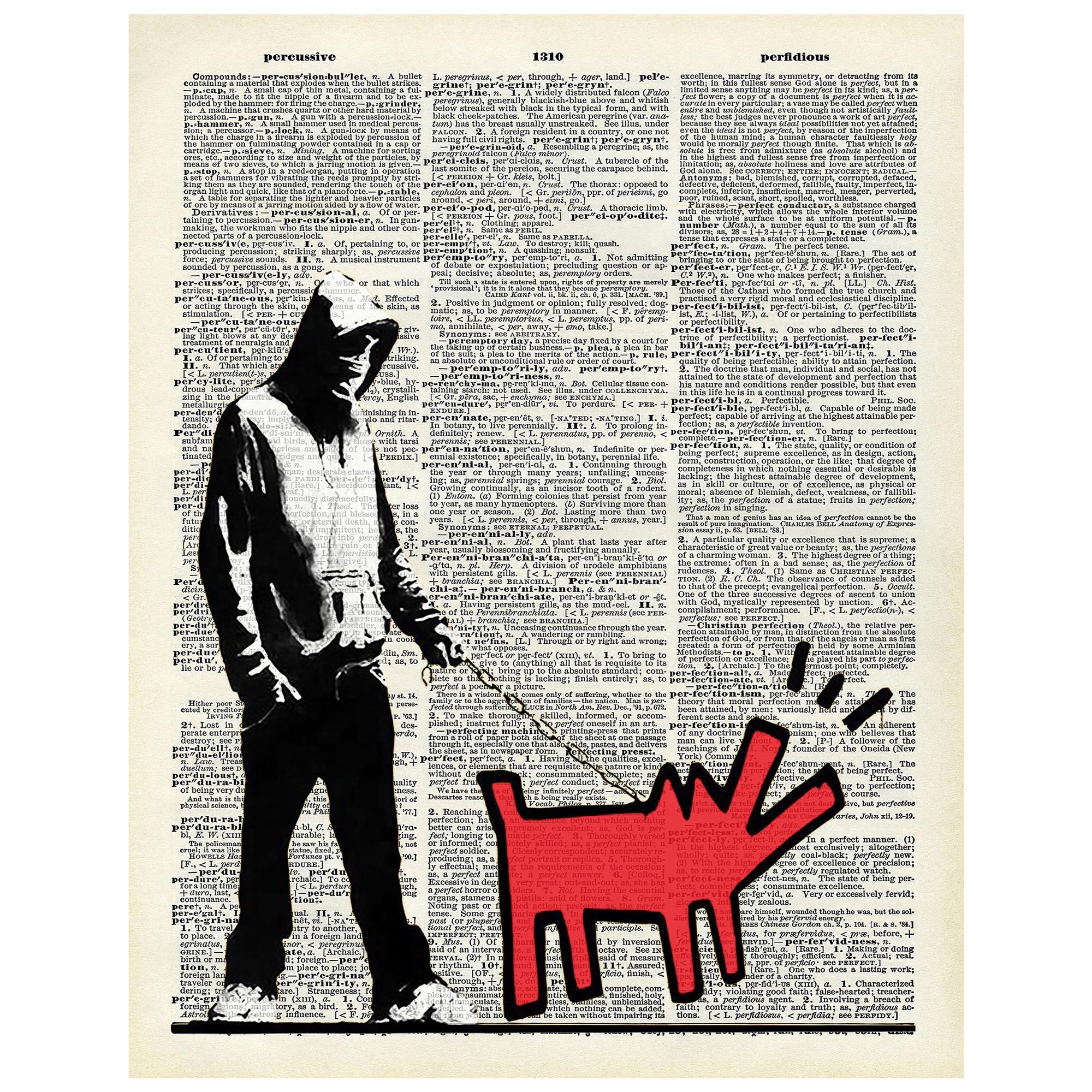
Keith Haring Wall Art 11x14 captures a compact, high-contrast rendition of his signature style in a small-format poster. It’s ideal for bedrooms, dorm rooms, or spaces where a bold, instantly recognizable art statement is desired without overwhelming the room. This mid-range option sits between entry-level posters and larger gallery-ready pieces.
Best for: Best for Small Spaces
Why pick this: Compact size makes it suitable for apartments, desks, or galleries with limited wall space while still delivering a bold Keith Haring motif.
Skip if: You want a larger print or a canvas/framed option with archival-grade materials.
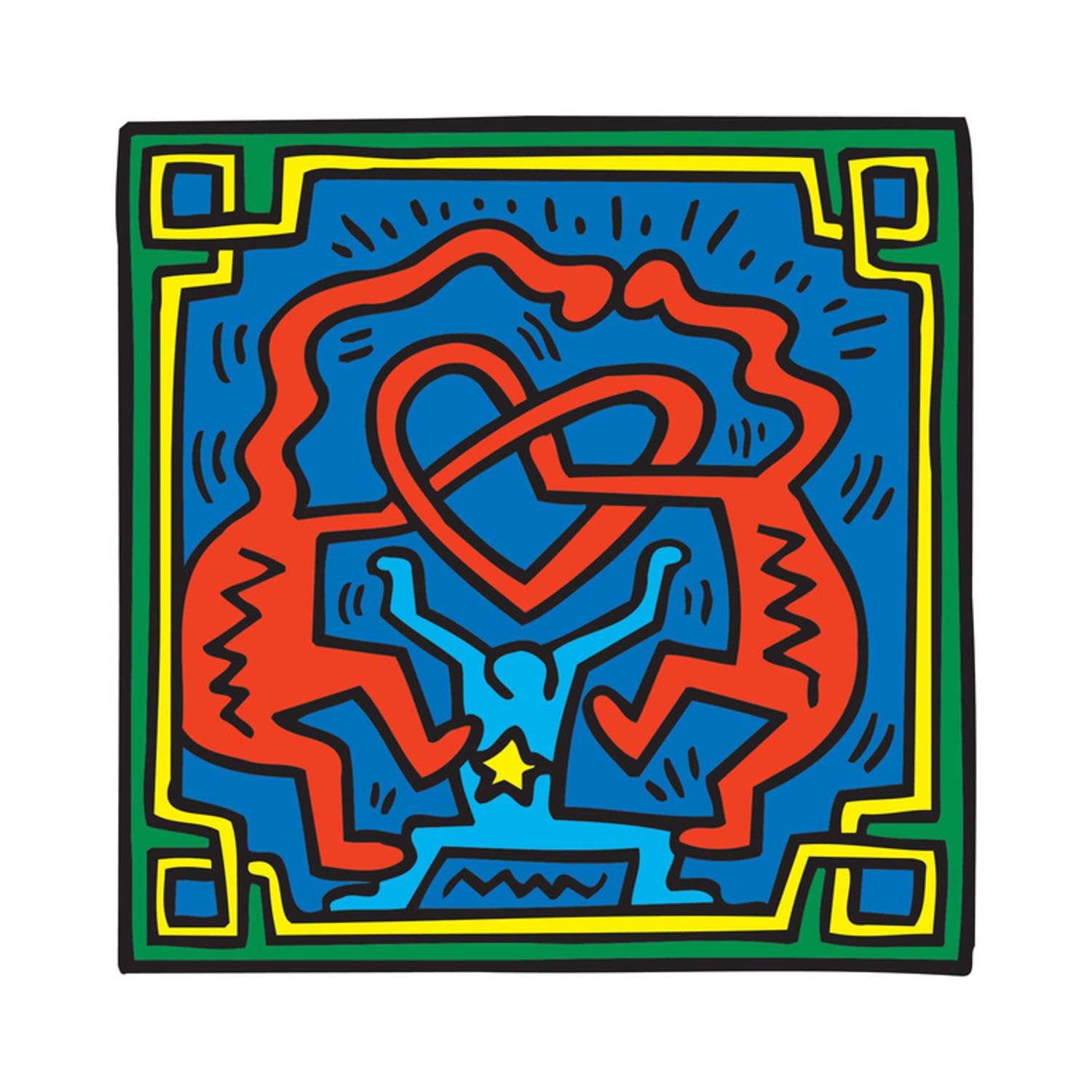
ART.COM listing provides a curated Keith Haring art print option, typically representing higher-end posters or canvas reproductions with a focus on iconic figures and mural-inspired designs. This premium listing is well-suited for collectors seeking a more polished, gallery-like presentation of Haring’s most famous imagery.
Best for: Best Premium
Why pick this: Offers a more refined print option with potentially higher print quality and materials for serious fans or gift buyers seeking a higher-end piece.
Skip if: You’re seeking the most affordable option or a smaller size; this listing may be the most expensive among the three.
Keith Haring's art is a vivid tapestry of joy, activism, and unforgettable imagery. His unique style, characterized by bold lines and bright colors, captivates audiences and conveys powerful messages, making his works timeless classics. From the iconic "Radiant Baby" to the thought-provoking "Crack is Wack" mural, each piece is more than just visual art—it's a conversation starter that continues to resonate with new generations. Haring's use of street art as a form of expression allowed him to reclaim spaces and challenge societal norms, leaving behind a legacy that inspires countless artists today.
If you're as captivated by Keith Haring's art as I am, there’s tons more to discover! Following his work on social media can really deepen your appreciation and keep you buzzed about upcoming exhibitions and new interpretations. Check out our Instagram for a vibrant collection of artistic inspirations that celebrate Haring and many other incredible creators. Let’s explore this colorful world together and keep the conversation going!


