
A tired concrete block wall can be transformed into a defining exterior element with the right covering; the fastest decisions, parging and paint, cost a few dollars per square foot while full-clad stone or rainscreen systems run into double digits and require detailed moisture control. This guide compares quick repairs, continuous finishes, veneer, siding, and plant-based treatments and explains which detailing choices affect durability, maintenance, and cost.
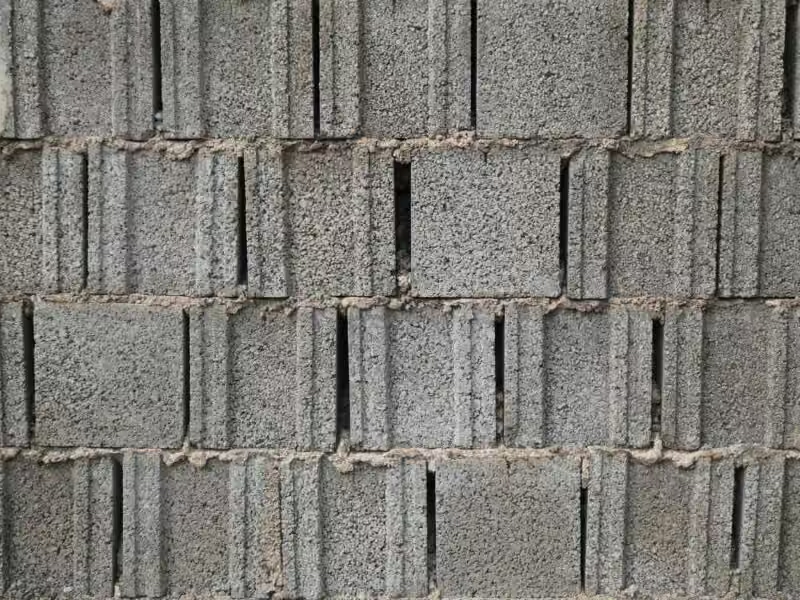
Quick Cosmetic Repairs and Short-Term Coatings
Parging followed by paint or an elastomeric coating is the fastest, lowest-disruption route for a visible improvement; expect to repeat minor repairs and recoats every 5-10 years depending on exposure. Parging evens irregular faces and creates a uniform substrate; elastomeric coatings bridge hairline cracks but will trap moisture if applied over a damp wall.
- Prep. Wire-brush, pressure-wash, remove efflorescence, and repair spalls and loose mortar before parging.
- Materials. Use a polymer-modified parge mix on vertical surfaces and an elastomeric paint rated for masonry.
- Limitations. Do not parge or fully coat below constantly wet grade unless you add drainage or a capillary break.
Continuous Hard Coats and Moisture Management
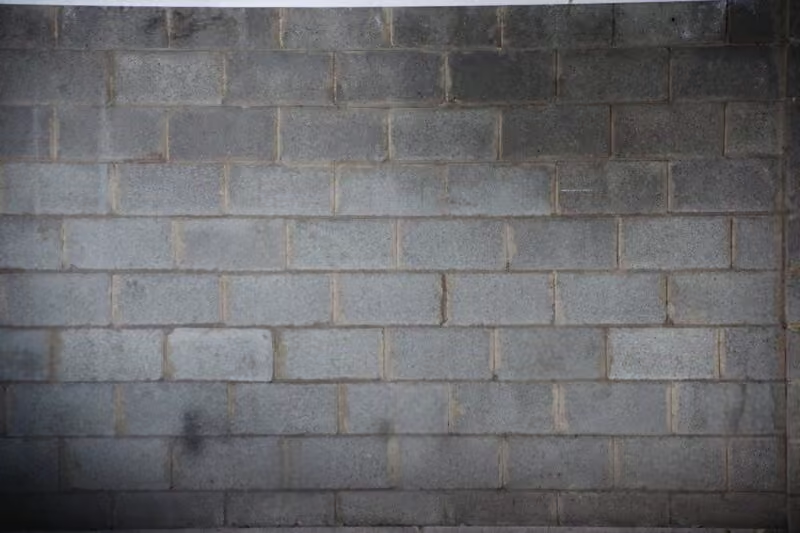
A three-coat cementitious stucco or modern cementitious hard coat yields a continuous, durable skin when installed over a proper weather-resistive barrier and lath. The system is durable only when control joints, head flashings and through-wall drainage are planned before application.
- Detailing. Place control joints at plane changes and per manufacturer spacing; step and through-wall flash at window and door heads.
- Curing and cracking. Follow curing times and avoid rapid wet-dry cycles that increase shrinkage cracking.
- Further reading. For system-level drainage-plane guidance see the Building America solution on exterior siding methods that reduce moisture risk.
Related procedures for repairing and finishing existing stucco appear in the site’s stucco repair guide, which details common patch and compatibility checks.
Stone Veneer: Attachment and Drainage Rules
Manufactured or natural stone veneer converts block into a masonry-looking façade at materially higher installed cost, typically $11-$30 per square foot for manufactured veneer. The critical requirement is leaving an air gap and providing weeps at the veneer base so any infiltrated water drains to the exterior.
- Attachment. Use mechanical anchors and veneer ties per manufacturer instructions; do not rely on adhesive alone for tall walls.
- Drainage. Install an open drainage plane with flashing at all terminations and weep screeds at the footing line.
- Estimator. See a manufacturer project estimator for planning materials and labor in veneer installations Price My Project.
If you need the step-by-step conversion of a block face to a brick-like finish, the site’s brick veneer installation walkthrough is practical for budgeting and substrate checks.
Siding Over Furring and Rainscreen Benefits
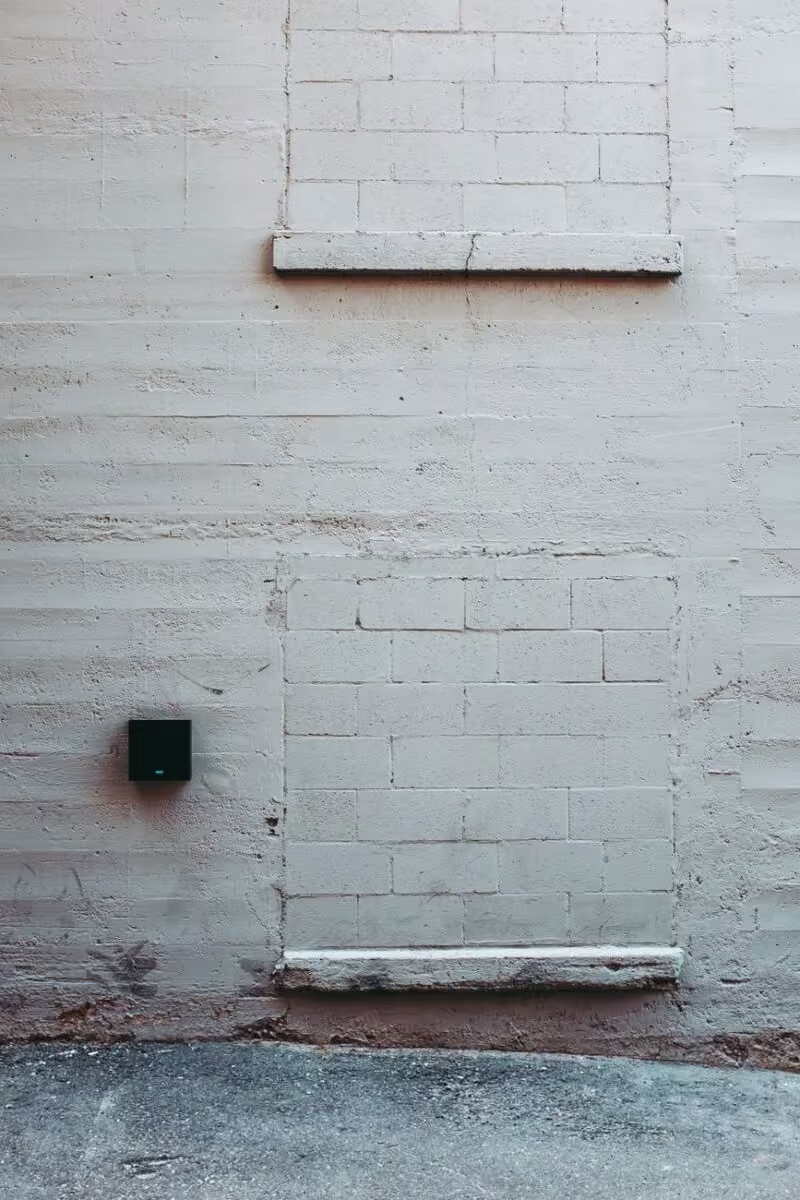
Lightweight cladding such as vinyl or engineered siding mounted over furring and a continuous WRB creates a ventilated cavity that permits the block to dry to the exterior and reduces trapped moisture risk. This approach adds less thermal mass than a masonry cladding unless rigid insulation is included behind the furring.
- Vent gap. Aim for 3/8 inch to 1 inch of continuous ventilation behind siding; furring strips provide the consistent spacing.
- Fastening. Follow manufacturer fastener spacing and apply starter strips and head flashings at penetrations.
- Wind and code. Check local wind-load fastening schedules for tall façades or exposed sites.
Green Walls, Trellises and Plant-Based Options
Living walls and climbers soften block and provide seasonal interest but create moisture and maintenance tradeoffs. Always keep plants off the block face with an independent support so the wall can air-dry and irrigation runoff does not saturate the masonry base.
- Supports. Use a freestanding frame or sacrificial trellis that leaves at least 1 inch of air gap between plant material and the block.
- Species and pruning. Select climate-appropriate vines and prune to avoid dense mats that trap moisture against the wall.
- Reference. Practical vine selection and attachment cautions are summarized in a university guide on vine coverage for concrete block walls.
For site-specific inspiration and broader options for covering block walls, see the site’s editorial overview Ideas To Cover Concrete Block Wall Outside.
Preparing the Substrate and Waterproofing Priorities
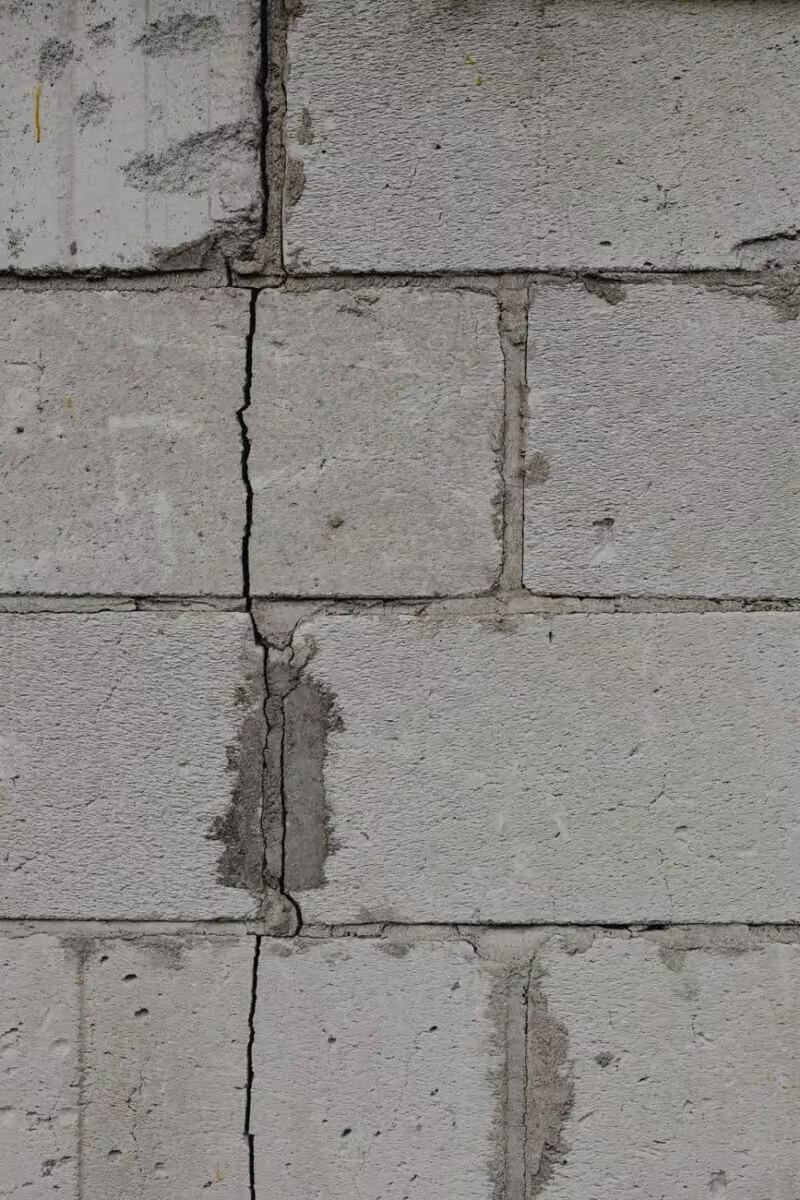
Surface preparation determines how long any finish will last. Remove efflorescence, repoint deteriorated joints, fill spalls, and replace any loose units before adding finishes. For walls that sit close to soil or show rising damp, incorporate an exterior membrane, breathable polymer-modified coatings, or an engineered drainage path behind the finish.
- Repairs first. Substrate repairs and mortar repointing prevent small defects from enlarging under finishes.
- Membranes. Use breathable polymer-modified parges or membranes where drying to the exterior is required.
- Guidance. Technical installation steps and a moisture-first approach are covered in practical contractor guidance that prevents trapped water.
Attachment, Flashing and Control Joint Best Practices
The long-term performance of any finish depends on attachment strategy, correctly placed control joints and continuous flashing. Metal lath and distributed control joints are standard for stucco; veneer requires mechanical anchors and a clear drainage plane; siding needs ventilated furring and through-wall flashings at openings.
- Control joints. Place joints at plane changes and at the spacing recommended by the finish manufacturer to reduce random cracking.
- Flashing. Use head flashings, sill flashings, and counterflashing at roof and parapet intersections; terminate membranes onto flashings, not onto trim pieces.
- Copings. Provide a continuous cap or coping to shed water from the top of free-standing walls.
Costs, Comparisons and When Choices Make Sense
| Finish | Typical Installed Cost |
|---|---|
| Parging + Paint | $1.50-$4.00 per sq ft |
| Stucco (3-coat) | $3.00-$8.00 per sq ft |
| Manufactured Stone Veneer | $11-$30 per sq ft |
| Vinyl Siding Over Furring | $3.30-$12.00 per sq ft |
| Green Wall (modular) | Variable; low to moderate ongoing |
Interpretation. Use parging and paint for cosmetic fixes or rental properties, choose stucco for a durable continuous skin where detailing can be executed, and use veneer when a masonry appearance and long life justify higher costs and precise drainage detailing.
Frequent Mistakes That Reduce Service Life
Several recurring errors cause premature failure of finishes: skipping substrate repairs, applying impermeable coatings on walls that require exterior drying, omitting flashing and weeps at veneer bases, and allowing climbers to attach directly without an air gap. Correct these before investing in a finish to avoid future demolition and rework.
- Do not cover hairline structural movement joints with rigid, impermeable coatings.
- Always provide a drainage path behind veneers and weeps at the base.
- Keep irrigation and landscape grade away from the wall footing to avoid chronic dampness.
Tools, Products and When to Call a Contractor
DIY tasks suitable for a competent homeowner include cleaning, minor patching, parging small areas, installing an independent trellis, and painting. Hire a qualified mason or cladding contractor for multi-coat stucco, full-height stone veneer, membrane waterproofing, or complex flashing where failure risks are high.
- Buying help. For coatings, sealants and masonry paints consider a product search for block-wall finishes such as an Amazon search for block wall coating products.
- Specialist work. Use a contractor with verifiable veneer or stucco project references and proof of proper flashing and drainage details.
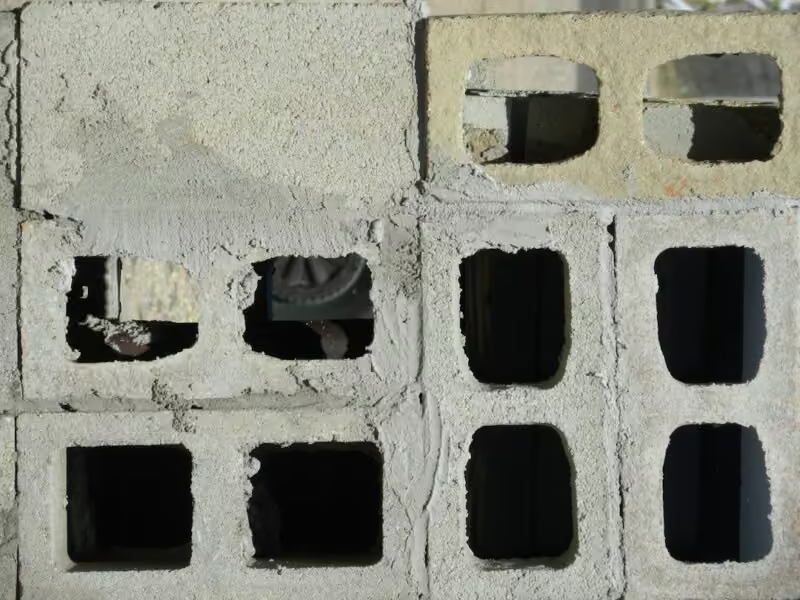
Contemporary block fabrication, thermal mass benefits, and design-led applications are receiving renewed attention in academic and professional forums; for current research and conference-level methods consult the UT Austin event on concrete masonry BLOCKWORK: Concrete Masonry Architecture of the Americas (UT Austin), which covers block design, fabrication and detailing considerations.
Summary. Match the finish to the wall’s condition and expected service life: parge and repaint for short-term visual improvement, specify stucco or insulated rainscreen for longer-term performance, and choose veneer only with an engineered drainage plane. When moisture, grade or structural concerns exist, prioritize substrate repair and professional detailing over cosmetic upgrades.
```
Our Product Pick
PRESTIGE Paints Exterior Paint and Primer In One, 1- is one option to look at if you want a ready-made tool for this job. As an Amazon Associate we earn from qualifying purchases.
Related Video
When it comes to covering a concrete block wall outside, there are numerous ways to enhance its appearance. Options like climbing plants, decorative panels, paint, or even outdoor art can effectively transform the starkness of concrete. Each method has its advantages and can cater to various aesthetic preferences and functional needs.
More from Architecture Adrenaline
For more ideas and inspiration on similar topics, you can explore our social channels for additional posts and updates. Check out our ideas on Pinterest for creative designs that might suit your project.