
Peppermint oil is a supplementary tool in bed bug control, not a stand-alone solution. The strong menthol scent can temporarily deter some bed bugs and, in highly concentrated direct contact, cause mortality in lab tests, but real-world effectiveness is variable and short-lived. Integrated pest management (IPM) that emphasizes cleaning, heat, encasements, and professional treatments remains the backbone of effective control. See how peppermint oil fits into IPM.
Peppermint oil can be a helpful, low-cost addition to your toolkit for bed bug management, but it isn’t a stand-alone solution. The strong menthol scent can temporarily repel bed bugs and, under direct and concentrated contact in lab settings, cause mortality for some individuals. In real-world conditions, however, peppermint oil acts best as a supplement within a broader integrated pest management (IPM) plan that emphasizes physical cleaning, heat, encasements, and professional treatments when needed. For consumer shopping options, consider peppermint-oil-based bed bug sprays available on Amazon.
| Item | Quick Fact |
|---|---|
| Peppermint Oil Effect | Can repel and sometimes kill on direct contact in lab tests; short-lived in real homes. |
| Reach | Does not penetrate cracks, furniture joints, or reach eggs; no residual control like registered insecticides. |
| Best Use | Supplemental repellent, spot treatment for visible bugs, and scent masking during inspection; combine with laundering, vacuuming, and professional methods. |
Where peppermint oil fits in bed-bug management
Research indicates that peppermint oil can contribute to direct mortality in certain lab-tested formulations when bed bugs are sprayed directly. Yet, this effect is highly variable and does not reliably reach hidden eggs or insects in crevices. Most practical value comes from using peppermint oil as a temporary deterrent or scent-based aid during inspections, not as a recurrence-proof barrier. For long-term control, orient your strategy toward proven IPM components and, when needed, EPA-registered products or professional treatments. For additional context on integrating peppermint oil within IPM, see Architecture Adrenaline’s guide to peppermint-oil-based bed-bug strategies.
What science says about peppermint oil for bed bugs
Laboratory studies show that some essential-oil-based pesticides can kill bed bugs on direct contact, but they rarely provide consistent repellency or residual control in homes. Eggs remain largely resistant to these oils, and bed bugs that are hidden can continue to survive and multiply. Consequently, peppermint oil should be viewed as a supplementary measure within IPM rather than a replacement for heat, laundering, vacuuming, encasements, and professional interventions. For a practical synthesis of these points, review relevant Architecture Adrenaline guidance on peppermint oil usage.
DIY peppermint spray: a practical recipe and safety notes
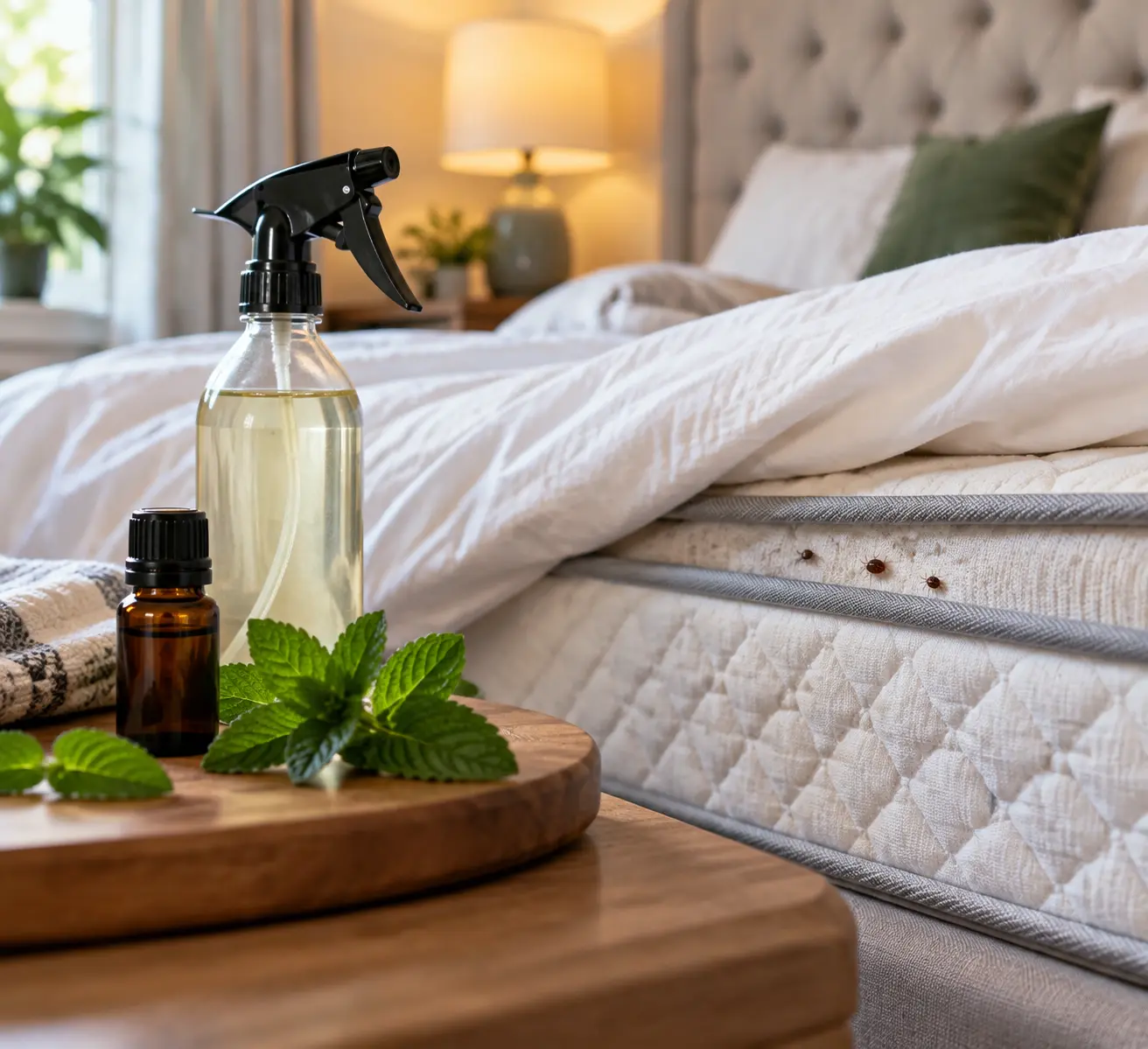
If you want to experiment with peppermint oil as part of a broader plan, use a properly diluted spray and apply only to safe, suitable surfaces. Avoid mattress interiors and direct contact with skin, pets, or people. For broader guidance on using peppermint oil in pest management, consult Architecture Adrenaline’s related article.
- Recipe: 10–20 drops of pure peppermint essential oil + 1 cup (240 ml) water + 1 teaspoon mild liquid dish soap (emulsifier). Shake well before use.
- Application: Lightly mist external bed-frame surfaces, baseboards, and luggage hinges. Do not saturate mattresses, bedding, or enclosed fabrics. Test a hidden area first to check for staining or damage.
- Frequency: Reapply every few hours to maintain the scent barrier; persistence depends on ventilation and air flow.

During inspection and monitoring
Peppermint oil can help flush out or reveal active adults before capture or vacuuming, but rely on traps and careful visual inspection for ongoing monitoring. Use concentrated sprays only on clearly visible insects, then quickly remove them. For ongoing surveillance, prefer interceptors, glue traps, and routine inspections in conjunction with IPM practices. See Architecture Adrenaline’s practical guidance on peppermint oil usage for bed bugs for deeper details.
Where peppermint oil falls short (and why heat and laundering matter)
Heat and proper laundering are the most reliable home interventions for textiles you can treat directly. Wash fabrics in hot water (within care guidelines) and dry on the highest safe heat setting for at least 30 minutes. Room-scale heat treatments performed by professionals can uniformly reach lethal temperatures. Peppermint oil cannot replace these methods, especially for eggs and concealed harborages. For cost considerations and decision points on professional services, Architecture Adrenaline covers the topic in a dedicated piece.
Safety and handling: essential precautions
Peppermint oil is highly concentrated and can irritate skin and mucous membranes. It can also affect pets, particularly small animals. Follow these safeguards to minimize risk:
- Never apply undiluted peppermint oil to skin, mattresses, or bedding that will contact skin overnight.
- Avoid use around infants, pregnant people, or animals without professional guidance; some pets are especially sensitive to essential oils.
- Test surfaces (wood, plastics, fabrics) for staining or finish damage before wider use.
- Store peppermint oil in tightly closed amber containers away from heat and light, out of reach of children and pets.
When peppermint oil can be helpful (and when it isn’t)
Potentially helpful uses:
- Occasional deterrent when traveling or moving items between rooms or units.
- Spotting and flushing visible adults during inspection to improve detection.
- Supplementary scent barrier while preparing for or awaiting professional treatment.
Not effective as a sole solution:
- Eggs or hidden harborage are unlikely to be eliminated by peppermint oil alone.
- Relying on a long-lasting residual effect or using peppermint oil as a complete substitute for insecticides or heat treatments.
Integrating peppermint oil with other natural measures
Many people blend peppermint with a broader IPM approach: thorough vacuuming of mattress seams and baseboards, sealing cracks, encasing mattresses and box springs, laundering textiles on high heat, and using monitoring traps. Non-chemical options like diatomaceous earth or silica gels can contribute an extra mode of action when applied correctly, but they’re rarely sufficient on their own for moderate to heavy infestations. For further context on IPM integration, Architecture Adrenaline offers practical perspectives on combining natural measures with proven interventions.
When to call a professional
Consider professional help if you see multiple live bed bugs across rooms, if bites are persistent or severe, or if DIY efforts fail to reduce sightings after several weeks. In multiunit buildings, coordinating professional treatment is often essential to prevent spread between units and ensure comprehensive coverage. Ask potential pros about inspection standards, treatment methods, guarantees, and follow-up monitoring. Architecture Adrenaline’s resources on pest-management cost and expectations can help frame this decision.
How professionals treat bed bugs differently
Licensed pest professionals use an IPM framework that combines thorough inspection, targeted liquid or dust formulations labeled for bed bugs, possible steam or professional heat treatments, and follow-up monitoring. These methods address eggs and concealed harborages and provide residual control that peppermint sprays cannot match. If you pursue professional services, look for clear plan details, expected timelines, and post-treatment guarantees. For cost understanding, consult Architecture Adrenaline’s guide to bed-bug treatment expenses.
Practical questions people ask about peppermint and bed bugs
Will peppermint oil kill bed bug eggs?
No. Eggs are resistant to brief topical exposures; sustained heat or professional residual insecticides are usually required for egg mortality.
How long does peppermint oil repel bed bugs?
Repellency is generally short-lived—often only a few hours to a day—depending on ventilation and the amount applied. The scent fades, and bed bugs may return.
Can I use peppermint oil on my mattress?
Gentle, external misting of mattress surfaces is possible after testing for staining, but mattress encasements and high-temperature laundering remain safer and more effective long-term strategies.
Editorial-ready checklist for homeowners using peppermint as part of IPM
- Confirm infestation with visual confirmation, fecal spots, or shed skins.
- Launder textiles on high heat where safe; dry on the highest permitted setting for at least 30 minutes.
- Vacuum seams, cracks, and crevices; dispose of the vacuum bag outdoors or seal the canister contents in a plastic bag.
- Encapsulate mattresses and box springs with certified bed-bug encasements.
- Apply a properly diluted peppermint spray as a temporary repellent on safe surfaces; keep people and pets away until it dries.
- If sightings persist after several weeks, contact a reputable pest-management professional with bed-bug experience.
For readers seeking additional context, reputable sources on essential oils and bed bugs emphasize that peppermint oil can play a role within a broader IPM approach but is not a stand-alone solution. If you’d like, I can tailor a concise article outline or a slide-ready summary with inline citations for pest-control professionals or health-focused readers.
Have you tried peppermint oil as part of your bed-bug plan? Share your experiences in the comments, or tell us how you integrated it with other methods. If you’ve moved from DIY methods to professional treatment, what changed in your timeline and results?
How to Use Peppermint Oil To Kill Bed Bugs FAST !:
Learning how to use peppermint oil for bed bugs can provide a natural alternative to conventional pest control methods. With increased awareness about the potential health risks associated with chemical insecticides, many people are exploring essential oils like peppermint oil as an eco-friendly solution to repel bed bugs. This aromatic oil, known for its refreshing scent and various therapeutic properties, may offer a dual benefit of deterring these pesky insects while also leaving a pleasant aroma in your living space. To effectively use peppermint oil against bed bugs, understanding its application methods and dilution processes is key.

| Method | Items Needed | Steps |
|---|---|---|
| Direct Application | Peppermint oil, Cotton balls | Soak cotton balls with peppermint oil and place them near bed bug-prone areas. |
| Spray Bottle Solution | Peppermint oil, Water, Spray bottle | Mix a few drops of peppermint oil with water in a spray bottle and spray around the bed. |
| Diffusion | Peppermint oil, Essential oil diffuser | Use a diffuser to disperse peppermint oil in the air to repel bed bugs. |
Understanding Bed Bug Behavior
To effectively tackle bed bugs with peppermint oil, it's crucial to understand their behavior. Bed bugs are nocturnal creatures, emerging at night to feed on human blood. They are drawn to the carbon dioxide people exhale and body heat, which makes bedrooms their favorite haunt. Armed with this knowledge, you can strategically apply peppermint oil to disrupt their nightly routines.
The Power of Peppermint Oil

Peppermint oil works as a natural deterrent due to its strong scent. The menthol in peppermint oil is overpowering to bed bugs, which helps keep them at bay. Furthermore, peppermint oil has properties that can irritate and potentially kill bed bugs upon direct contact. Here's how to use peppermint oil effectively:
- Direct Application: Soak cotton balls with peppermint oil and place them strategically near mattress seams, headboards, and other frequent hiding spots. These concentrated scent points create a barrier that bed bugs are reluctant to cross.
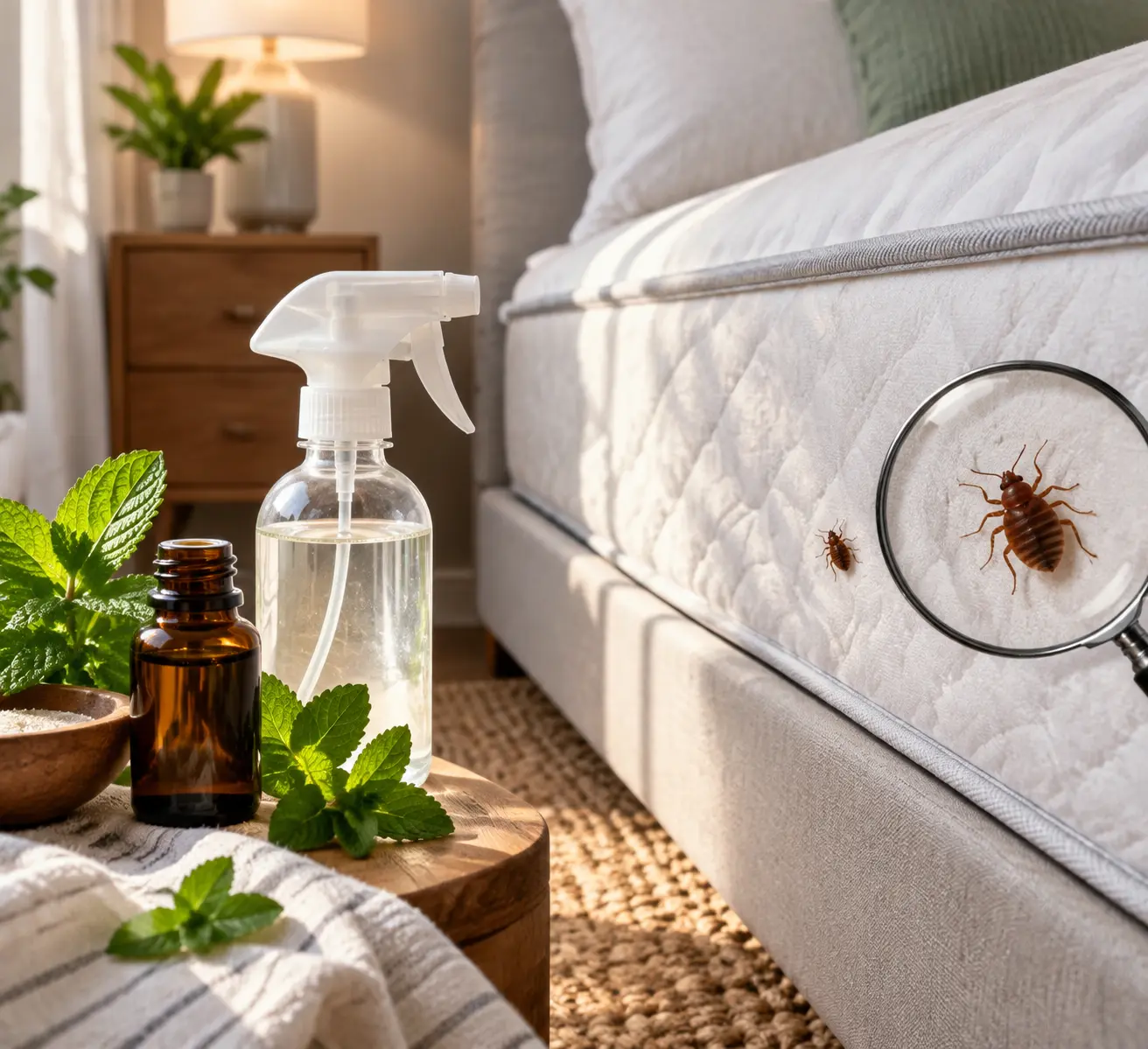
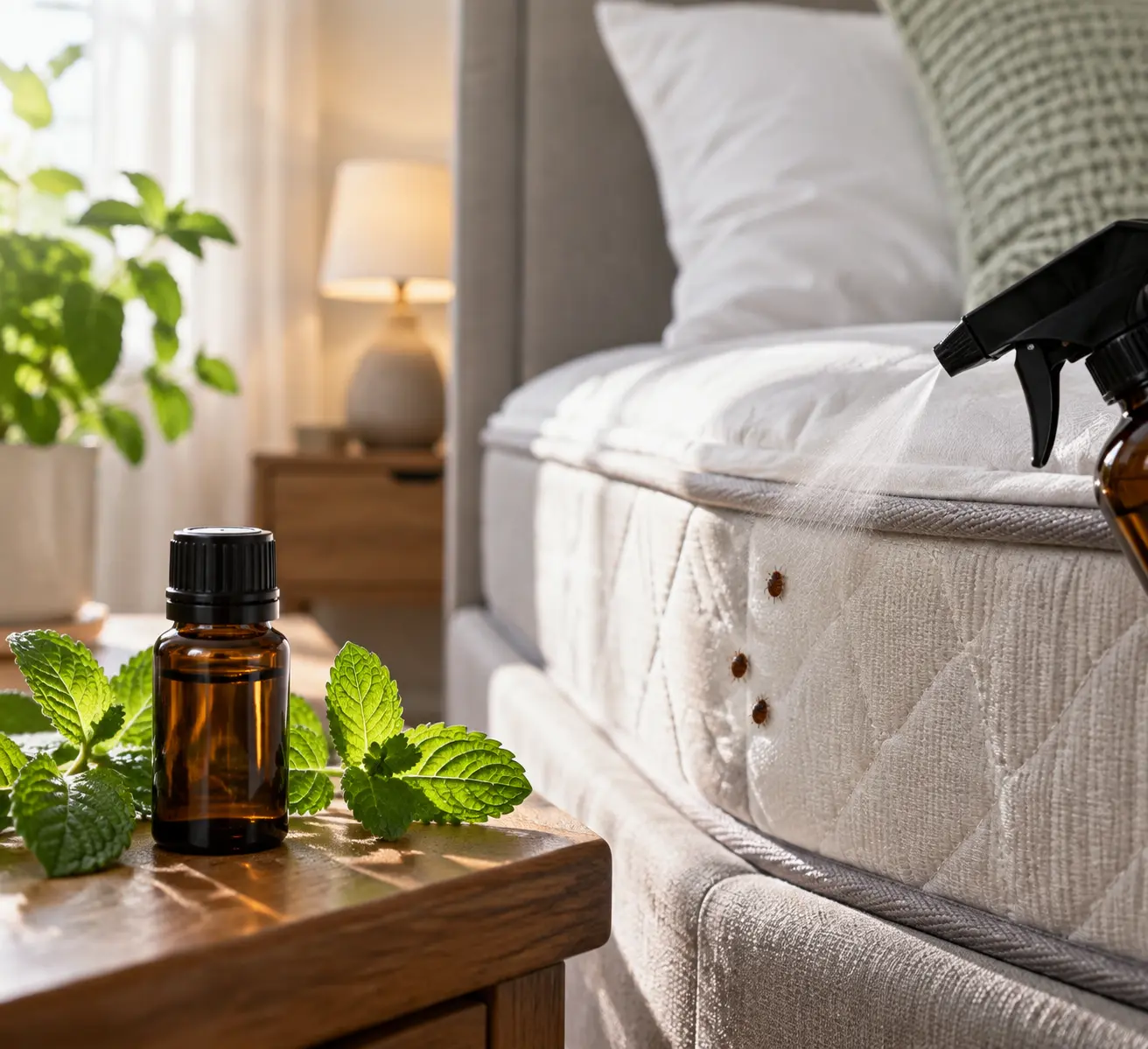
- Spray Use: Combine a few drops of peppermint oil with water in a spray bottle. Shake well, then spray the solution around bed frames, baseboards, and other potential entry points. Ensure you spray lightly on fabrics to avoid leaving oil stains.
- Diffuser Method: Set up an essential oil diffuser with a few drops of peppermint oil in your bedroom. This continuous aromatherapy session not only makes your room smell pleasant but also helps in deterring bed bugs from making your bed their home.
Additional Tips for Enhanced Effectiveness
Beyond peppermint oil, maintain vigilant cleaning habits to manage and prevent a bed bug infestation. Wash bedding and clothing in hot water regularly. Vacuum your room thoroughly, especially in corners and under furniture, to eliminate any hiding bugs or eggs. Reducing clutter can also limit bed bug hiding spots and make it easier to treat the area effectively.
Consider combining peppermint oil with other natural oils like lavender or tea tree oil, which are also known for their repellent properties. Always conduct a patch test to ensure that these oils do not damage any materials in your bedroom.
Invite Collaboration and Stories

Have you tried using peppermint oil or other essential oils to fend off bed bugs? Share your experiences or questions in the comments below! Your insights can help others in their quest for a natural pest-free environment. Let's continue this conversation and explore more natural remedies together.
As you embark on your journey to rid your home of bed bugs using peppermint oil, remember that you are choosing a path that's not only effective but also safer for your family's health. With increasing concerns about the chemicals found in conventional pest control products, peppermint oil presents a refreshingly natural approach. It’s amazing how a simple, aromatic oil can help tackle such a pesky problem, and I hope this guide serves as a helpful resource for you in your pursuit of a chemical-free environment.