
Learning how to fix a hole in a plastic water pipe is a critical skill for homeowners, as it can prevent costly water damage and save on repair costs. Whether it's a small leak or a significant rupture, addressing the issue immediately ensures the longevity and reliability of your plumbing system. There are several effective methods to tackle this problem, from using repair clamps to applying epoxy putty or tape, each suited for different scenarios. Understanding these options can help you choose the most appropriate solution for restoring your pipe's integrity.
| Method | Materials Needed | Best For |
|---|---|---|
| Repair Clamp | Clamp, Screwdriver | Larger Holes |
| Epoxy Putty | Epoxy Putty, Sandpaper | Small Cracks |
| Pipe Repair Tape | Repair Tape, Scissors | Minor Leaks |
When it comes to fixing a hole in your plastic water pipe, selecting the right method can make all the difference. It's essential to first assess the extent of the damage. Is it a minor leak, a small crack, or a larger hole? Understanding the severity will guide you to the most suitable solution.

For minor leaks, pipe repair tape is your go-to. It's easy to apply and provides a temporary fix that can hold until a more permanent solution is in place. This tape acts as an excellent band-aid for quick fixes, but remember, it's not ideal for long-term use.
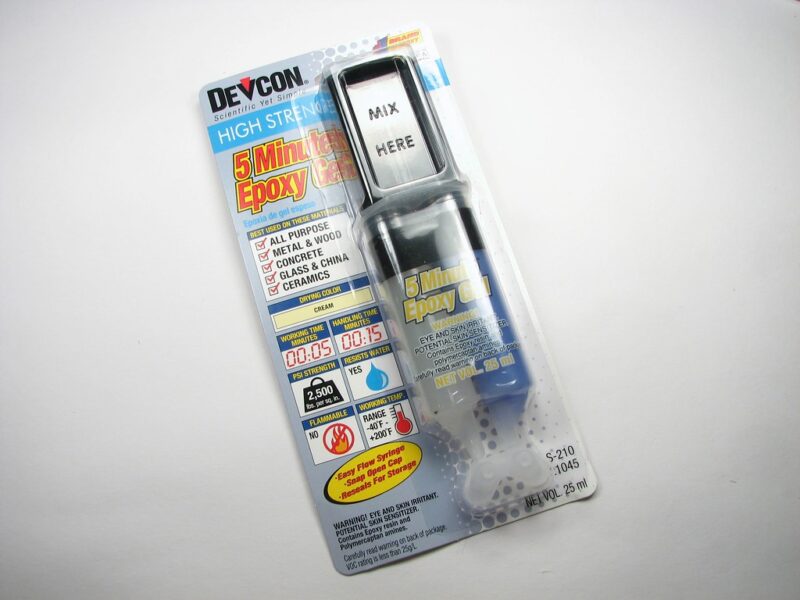
Small cracks are best handled with epoxy putty. This two-part adhesive can be molded to fill gaps and cracks with a secure, waterproof seal. It's particularly effective because it adheres strongly to plastic surfaces, ensuring a durable repair. Make sure you sand the area beforehand to ensure better adhesion.
For larger holes, a repair clamp offers a robust and reliable solution. While it requires a bit more effort to install, it provides a sturdy fix that can hold for an extended period. Simply place the clamp around the damaged area and tighten it with a screwdriver. Easy as pie!
Let’s walk through each method to ensure you’re fully equipped to tackle those pesky leaks:
While a quick fix can save the day, maintaining your plumbing system helps prevent future mishaps. Regular inspections, especially after the initial repair, can catch any potential issues before they escalate. Consider these tips:
Is there a particular method you've found effective or a tip we’ve missed? Share your experiences in the comments below, and let’s keep those waterways flowing smoothly! For more insights and recent updates, check out our recent articles and resources.
If you’ve spotted a small leak or hole in your plastic water pipe, don’t panic. Start by shutting off the water supply and draining the pipe so you’re working on a dry surface. Next, use a PVC-specific epoxy putty or waterproof pipe repair putty made for plastic pipes. Knead the putty according to the instructions, then press it firmly over the hole and surrounding area to create a tight seal. Give it enough time to cure (refer to the product directions) before switching the water back on to check for leaks.
Absolutely. In many cases, you can repair a damaged plastic water pipe yourself using PVC primer and cement. Begin by cleaning and drying the pipe thoroughly, then apply primer around the cracked area. Once the primer sets, coat the same spot with PVC cement and press the pieces together. Hold them in place for a few seconds to create a solid bond. After the recommended curing period, turn the water back on and verify that the leak is fixed.
Yes, you can fill holes in PVC pipe with an all-purpose repair putty, such as Loctite Repair Putty–All Purpose. This waterproof solution bonds to a wide range of materials, even if they’re wet. Knead the putty until it’s soft, apply it to the hole, and shape it to restore the pipe’s original form. Once the putty hardens, you’ll have a watertight repair. Always follow the manufacturer’s guidelines for curing time, and test your fix by gradually turning the water supply back on to confirm there are no further leaks.
Fixing a hole in a plastic water pipe might seem daunting at first, but with a bit of patience and the right tools, it's something that any determined homeowner can tackle. Remember, the key is to act quickly once you discover the problem to prevent further damage or water wastage. By following the steps we've outlined—like cutting out the damaged section and using a coupling to secure the new pipe—you’ll have your plumbing back in top shape in no time. It's all about having a proactive approach to home maintenance, which saves money and boosts confidence in handling DIY repairs.
I hope you found this guide both helpful and empowering. After all, taking charge of home repairs is incredibly rewarding, and I’m here to support you every step of the way. If you enjoyed this post and want to keep up with more handy tips and tricks, feel free to check us out on social media. My personal favorite platform for sharing ideas and inspiration is Instagram. You can follow along with our journey and get inspired by visiting our Instagram page where we post loads of exciting content. Happy fixing, and remember: a little DIY spirit goes a long way!
{"@context":"https://schema.org","@type":"BlogPosting","headline":"How To Fix A Hole In Plastic Water Pipe","url":"https://www.architectureadrenaline.com/how-to-fix-a-hole-in-plastic-water-pipe/","datePublished":"2025-12-11T01:56:48-08:00","dateModified":"2026-05-15T18:08:52-07:00","author":{"@type":"Person","name":"Matt Thompson","sameAs":["https://www.linkedin.com/in/architectureadrenaline/","https://twitter.com/archiadrenaline"]},"image":{"@type":"ImageObject","url":"https://architectureadrenaline.com/wp-content/uploads/default-og.jpg","width":1200,"height":630},"publisher":{"@type":"Organization","name":"Architecture Adrenaline","logo":{"@type":"ImageObject","url":"https://architectureadrenaline.com/wp-content/uploads/logo.png"}},"breadcrumb":{"@type":"BreadcrumbList","itemListElement":[{"@type":"ListItem","position":1,"name":"Home","item":"https://architectureadrenaline.com/"},{"@type":"ListItem","position":2,"name":"How To Fix A Hole In Plastic Water Pipe","item":"https://www.architectureadrenaline.com/how-to-fix-a-hole-in-plastic-water-pipe/"}]},"mainEntityOfPage":{"@type":"WebPage","@id":"https://www.architectureadrenaline.com/how-to-fix-a-hole-in-plastic-water-pipe/"}}
{"@context":"https://schema.org","@type":"FAQPage","mainEntity":[{"@type":"Question","name":"Choosing the Right Repair Method","acceptedAnswer":{"@type":"Answer","text":"When it comes to fixing a hole in your plastic water pipe, selecting the right method can make all the difference. It's essential to first assess the extent of the damage. Is it a minor leak, a small crack, or a larger hole? Understanding the severity will guide you to the most suitable solution."}},{"@type":"Question","name":"Step-by-Step Guide for Each Method","acceptedAnswer":{"@type":"Answer","text":"Let’s walk through each method to ensure you’re fully equipped to tackle those pesky leaks:"}},{"@type":"Question","name":"Tips for Long-Term Pipe Maintenance","acceptedAnswer":{"@type":"Answer","text":"While a quick fix can save the day, maintaining your plumbing system helps prevent future mishaps. Regular inspections, especially after the initial repair, can catch any potential issues before they escalate. Consider these tips:"}}]}



Immerse yourself in architecture’s most boundary-pushing ideas—where innovative home improvements meet visionary urban developments. Discover new building techniques, materials, and creative concepts that are redefining how we shape our spaces on a global scale.

