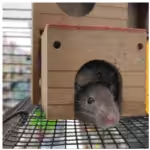
The short answer to how long it takes an exterminator to get rid of mice is: visible activity often drops within days to a few weeks, while a complete, verified fix that includes exclusion and monitoring commonly requires 4 to 8 weeks. That span matters because trapping alone can mask an underlying access problem that leads to reinfestation; durable results combine inspection, targeted removal, sealing of dime-size gaps and a monitored verification period.

Typical Project Phases and Timelines
Field work follows four overlapping phases: detailed inspection, active removal with traps or bait stations, exclusion repairs to seal access points, and scheduled follow-up monitoring. Small, recent infestations often show major reductions within 1-2 weeks. Moderate problems commonly run 2-6 weeks, and infestations with nests in walls or attics typically extend to 6-8 weeks or longer because exclusion and verification take additional visits.
Five Factors That Change How Fast Work Finishes
- Infestation size. Higher populations require more trap cycles and increase the chance of hidden nests that lengthen the program.
- Where mice nest. Sightings in garages or pantries are usually resolved faster than attic or in-wall nesting that requires attic access, insulation work and repeat servicing. See our garage-specific removal checklist for practical steps and trap placement guidance: Get Rid of Mice in Garage.
- Number of entry points. One obvious gap can be patched on the first visit; dozens of small gaps around pipe penetrations, rooflines and foundations usually require staged exclusion visits and material sourcing.
- Nearby food and habitat. Bird feeders, backyard compost and overgrown setbacks increase reinvasion pressure; coordinated site cleanup shortens treatment time and reduces repeat visits.
- Chosen control tactics. Integrated pest management that combines trapping, exclusion and monitoring takes longer up front but yields a higher probability of permanent control than bait-only approaches that leave openings unsealed.

What a Professional Inspection Looks For
Technicians map current activity using droppings, grease marks and runways, then inspect likely exterior entry routes at pipe penetrations, vents, foundation joints and garage seals. The inspection also assesses insulation condition, attic access difficulty and whether interior work will require insulation replacement or cleanup; those attic considerations are covered in our piece on attic insulation removal costs and logistics: Cost Of Attic Insulation Removal. The diagnostic determines whether the job is primarily interior trapping or a larger exclusion and verification project.
How Treatment Methods Affect Speed
Snap traps and correctly sited tamper-resistant bait stations frequently reduce visible activity within days to a week. Live-capture or nonchemical programs need closer monitoring and therefore usually extend the calendar. The Centers for Disease Control and Prevention recommends integrated pest management tactics, trap placement, sanitation and exclusion, for reliable control: CDC rodent control guidance.
Exclusion Work: Why It Adds Weeks
Mice can squeeze through gaps as small as a dime, so durable exclusion uses corrosion-resistant materials such as galvanized hardware cloth, copper mesh at utility penetrations, sheet-metal flashings and polyurethane or silicone-compatible sealants. Exclusion often requires scaffold or attic access, permit-grade fasteners and staged sealing that permits technicians to monitor whether activity has truly ceased before finishing cosmetic repairs.

Time Estimates for Common Scenarios
| Infestation Type | Typical Time | Key Actions |
|---|---|---|
| Single or garage sighting | 1-2 weeks | Targeted traps, remove food, quick seal of obvious gap |
| Attic or in-wall nesting | 6+ weeks | Strategic trapping, attic access work, insulation cleanup, staged exclusion |
| Multi-unit or high-pressure site | Several weeks to months | Coordinated exclusion, repeated monitoring, bait stations in common areas |
What Homeowners Should Do to Speed Resolution
Prepare the site before or immediately after the first visit: store pantry goods in sealed containers, remove pet food overnight, relocate bird feeders at least 10 feet from the house, and clear attic and garage clutter so technicians can access runways. Photograph and time-stamp sightings to help the technician place traps efficiently and approve exterior repairs without delay.
Follow-Up Visits, Guarantees and Costs
Reputable firms typically schedule follow-up visits across a 30- to 90-day verification window and offer guarantees that vary by scope. Ask for an itemized quote that separates inspection, trapping, exclusion and follow-up monitoring, and confirm whether guarantees require homeowner actions such as removing attractants. Municipal guidance can help homeowners evaluate contractor claims and find licensed professionals; for example, the NYC 311 pest-control page lists resources on hiring qualified pest-control professionals, nonchemical precautions and realistic timelines for extermination efforts: NYC Pest Control Guidance and resources.
Regional and Practical Resources
University and government publications give step-by-step integrated pest management advice and safe cleanup procedures. Cornell University Extension provides practical guidance on sanitation, exclusion and monitoring for residential rodent control: Managing Mice and Rats. For design-focused prevention measures around the house, consult our site’s guidance on common rodent entry points and exclusion priorities: Rodent Entry Points, and read the practical cleanup and removal advice in our oven-nest case study for kitchens and appliances: Mouse Nest In Oven.
Signs That the Job Is Not Finished
Persisting fresh droppings, new gnaw marks, nocturnal scratching or repeated sightings after the monitoring window indicate missed access points or an active nest. Request a reassessment that includes a focused exterior inspection at pipe entries, roofline intersections and utility chases rather than a second round of the same interior treatments.
When to Call a Specialist Instead of DIY
Engage a professional if you hear consistent nocturnal noises, find droppings in multiple rooms, suspect nesting in walls or the attic, or if the problem returns after DIY efforts. Professionals coordinate the inspection, trapping, exclusion and verification steps that reduce reinfestation risk and compress calendar time to a dependable outcome.
Our Product Pick
Campior Humane Mouse Trap Pack of 4, Live is one option to look at if you want a ready-made tool for this job. As an Amazon Associate we earn from qualifying purchases.
Related Video
When dealing with a mouse infestation, the duration for an exterminator to effectively eliminate the problem can vary. Factors such as the severity of the infestation, the type of treatments employed, and the thoroughness of follow-up actions play significant roles. Typically, residents can expect a timeline ranging from a few days to several weeks for complete eradication.
More from Architecture Adrenaline
For more insights on home maintenance and pest control, check out our social channels. Follow us on Instagram to stay updated with posts like this.