
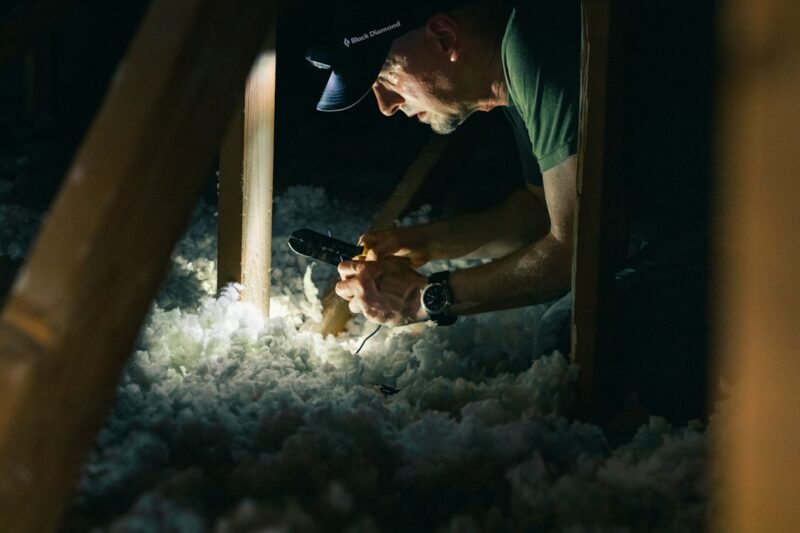
The cost of attic insulation removal typically ranges between $1 and $3 per square foot, depending on factors such as insulation type, attic size, contamination level, and local labor rates.
Removing attic insulation is often necessary for remodeling projects, improving home energy efficiency, or addressing contamination issues such as mold or pests. Homeowners looking to understand the cost of attic insulation removal should consider multiple variables including the type of insulation to be removed, the size and accessibility of the attic space, and the condition of existing materials. This guide provides practical, locally focused cost guidance, key factors affecting pricing, and tips for selecting professional contractors to ensure a safe, thorough removal process.
In the United States, the cost of attic insulation removal largely depends on local labor markets, permit requirements, and climate-related considerations. For example, in colder regions, thicker insulation layers or multiple insulation types may increase removal complexity. Urban areas often have stricter permit and inspection requirements, increasing costs. Additionally, availability of specialized contractors can vary by city or state, influencing pricing and timeline. Homeowners should check local building codes regarding attic work and consult inspectors to ensure compliance. For instance, some regions require proper disposal of certain insulation types like asbestos-containing materials, which impacts cost and contractor selection.
| Project Item | Low Estimate | High Estimate | Notes |
|---|---|---|---|
| Basic Loose-Fill Insulation Removal | $1.00 per sq. ft. | $1.50 per sq. ft. | Typical cost for removing fiberglass or cellulose loose-fill insulation. |
| Batt or Roll Insulation Removal | $1.50 per sq. ft. | $2.50 per sq. ft. | Usually involves fiberglass or mineral wool batt insulation. |
| Contaminated Insulation Removal (mold, pests) | $2.00 per sq. ft. | $3.00 per sq. ft. | Higher cost due to required precautions and disposal. |
| Hazardous Material Removal (asbestos, vermiculite) | $5.00 per sq. ft. | $8.00 per sq. ft. | Specialized contractors and permits needed increase cost. |
| Hauling and Disposal Fees | $200 | $600 | Depends on volume of material and local landfill fees. |
Estimates vary by local labor, scope complexity, material quality, and permitting requirements.
Several factors influence attic insulation removal costs: insulation type and condition determine labor intensity; attic size and accessibility affect labor time; contamination presence requires specialized handling and equipment; local disposal regulations can add fees; and seasonal labor demand impacts prices. Additionally, older homes may contain hazardous materials requiring licensed removal specialists. It is crucial to request detailed estimates and verify contractor credentials before hiring.
Permit requirements for attic insulation removal vary by jurisdiction but often include disposal approval and compliance with health and safety codes. Homeowners should consult their local building department to verify if a permit is necessary before scheduling removal. Contractors experienced in insulation removal usually handle permit acquisition and compliance. Proper permitting ensures adherence to regulations and protects homeowner interests. More information is available from local government offices or state environmental agencies regarding hazardous waste protocols.
Common signs include moisture damage, mold growth, pest infestation, or outdated insulation materials. A professional inspection can help assess the condition and recommend removal if necessary.
While small areas may be manageable, attic insulation removal can expose you to dust, allergens, and hazardous materials. Hiring a licensed professional ensures safe, compliant removal and proper disposal.
Removed insulation must be transported to approved disposal or recycling facilities depending on material type, often handled by the contractor in compliance with local environmental regulations.
Yes, clearing out damaged or degraded insulation allows for installing newer, more effective materials, improving thermal performance and potentially reducing energy costs.
Understanding the cost of attic insulation removal involves considering insulation type, contamination, local regulations, and contractor experience. Homeowners should prioritize safety and compliance by hiring vetted professionals familiar with local permit and disposal requirements. For more detailed cost comparisons and to find qualified contractors, visit Architecture Adrenaline Cost Guides and learn about insulation best practices. For official guidelines on insulation removal and hazardous material handling, consult resources such as the EPA’s Indoor Air Quality materials and local government environmental agencies.
Next step: Get at least three written quotes before choosing a contractor
{"@context":"https://schema.org","@type":"BlogPosting","headline":"Cost Of Attic Insulation Removal","url":"https://www.architectureadrenaline.com/cost-of-attic-insulation-removal/","datePublished":"2026-05-05T04:21:01-07:00","dateModified":"2026-05-15T18:08:56-07:00","author":{"@type":"Person","name":"Justin Ankus","sameAs":["https://www.linkedin.com/in/architectureadrenaline/","https://twitter.com/archiadrenaline"]},"image":{"@type":"ImageObject","url":"https://www.architectureadrenaline.com/wp-content/uploads/2026/05/featured-240369.jpg","width":1200,"height":630},"publisher":{"@type":"Organization","name":"Architecture Adrenaline","logo":{"@type":"ImageObject","url":"https://architectureadrenaline.com/wp-content/uploads/logo.png"}},"breadcrumb":{"@type":"BreadcrumbList","itemListElement":[{"@type":"ListItem","position":1,"name":"Home","item":"https://architectureadrenaline.com/"},{"@type":"ListItem","position":2,"name":"Cost Of Attic Insulation Removal","item":"https://www.architectureadrenaline.com/cost-of-attic-insulation-removal/"}]},"mainEntityOfPage":{"@type":"WebPage","@id":"https://www.architectureadrenaline.com/cost-of-attic-insulation-removal/"}}
{"@context":"https://schema.org","@type":"FAQPage","mainEntity":[{"@type":"Question","name":"Quick Answer","acceptedAnswer":{"@type":"Answer","text":"The cost of attic insulation removal typically ranges between $1 and $3 per square foot, depending on factors such as insulation type, attic size, contamination level, and local labor rates."}},{"@type":"Question","name":"Overview","acceptedAnswer":{"@type":"Answer","text":"Removing attic insulation is often necessary for remodeling projects, improving home energy efficiency, or addressing contamination issues such as mold or pests. Homeowners looking to understand the cost of attic insulation removal should consider multiple variables including the type of insulation to be removed, the size and accessibility of the attic space, and the condition of existing materials. This guide provides practical, locally focused cost guidance, key factors affecting pricing, and tips for selecting professional contractors to ensure a safe, thorough removal process."}},{"@type":"Question","name":"Local Market Context","acceptedAnswer":{"@type":"Answer","text":"In the United States, the cost of attic insulation removal largely depends on local labor markets, permit requirements, and climate-related considerations. For example, in colder regions, thicker insulation layers or multiple insulation types may increase removal complexity. Urban areas often have stricter permit and inspection requirements, increasing costs. Additionally, availability of specialized contractors can vary by city or state, influencing pricing and timeline. Homeowners should check local building codes regarding attic work and consult inspectors to ensure compliance. For instance, some regions require proper disposal of certain insulation types like asbestos-containing materials, which impacts cost and contractor selection."}},{"@type":"Question","name":"Typical Cost RangesProject ItemLow EstimateHigh EstimateNotesBasic Loose-Fill Insulation Removal$1.00 per sq. ft.$1.50 per sq. ft.Typical cost for removing fiberglass or cellulose loose-fill insulation.Batt or Roll Insulation Removal$1.50 per sq. ft.$2.50 per sq. ft.Usually involves fiberglass or mineral wool batt insulation.Contaminated Insulation Removal (mold, pests)$2.00 per sq. ft.$3.00 per sq. ft.Higher cost due to required precautions and disposal.Hazardous Material Removal (asbestos, vermiculite)$5.00 per sq. ft.$8.00 per sq. ft.Specialized contractors and permits needed increase cost.Hauling and Disposal Fees$200$600Depends on volume of material and local landfill fees.Estimates vary by local labor, scope complexity, material quality, and permitting requirements.What Drives Price","acceptedAnswer":{"@type":"Answer","text":"Several factors influence attic insulation removal costs: insulation type and condition determine labor intensity; attic size and accessibility affect labor time; contamination presence requires specialized handling and equipment; local disposal regulations can add fees; and seasonal labor demand impacts prices. Additionally, older homes may contain hazardous materials requiring licensed removal specialists. It is crucial to request detailed estimates and verify contractor credentials before hiring."}},{"@type":"Question","name":"Contractor Vetting ChecklistVerify contractor licensing and insuranceRequest detailed written estimatesCheck for experience with insulation removalConfirm proper hazardous material handling proceduresAsk for references from previous clientsEnsure compliance with local permit requirementsRed Flags To AvoidLack of insurance or licensingUnusually low bids without clear scopeNo written contract or estimateContractors unwilling to address hazardous materialsPoor or no customer referencesProject TimelineInitial inspection and measurement of attic spaceObtaining necessary permits if requiredScheduling removal and preparing the work areaPerforming insulation removal and debris disposalFinal attic cleaning and inspectionPermits And Code Considerations","acceptedAnswer":{"@type":"Answer","text":"Permit requirements for attic insulation removal vary by jurisdiction but often include disposal approval and compliance with health and safety codes. Homeowners should consult their local building department to verify if a permit is necessary before scheduling removal. Contractors experienced in insulation removal usually handle permit acquisition and compliance. Proper permitting ensures adherence to regulations and protects homeowner interests. More information is available from local government offices or state environmental agencies regarding hazardous waste protocols."}},{"@type":"Question","name":"Frequently Asked QuestionsHow do I know if my attic insulation needs to be removed?Common signs include moisture damage, mold growth, pest infestation, or outdated insulation materials. A professional inspection can help assess the condition and recommend removal if necessary.Can I remove attic insulation myself?While small areas may be manageable, attic insulation removal can expose you to dust, allergens, and hazardous materials. Hiring a licensed professional ensures safe, compliant removal and proper disposal.What happens to the insulation after removal?Removed insulation must be transported to approved disposal or recycling facilities depending on material type, often handled by the contractor in compliance with local environmental regulations.Will removing old insulation improve my home’s energy efficiency?Yes, clearing out damaged or degraded insulation allows for installing newer, more effective materials, improving thermal performance and potentially reducing energy costs.Conclusion","acceptedAnswer":{"@type":"Answer","text":"Understanding the cost of attic insulation removal involves considering insulation type, contamination, local regulations, and contractor experience. Homeowners should prioritize safety and compliance by hiring vetted professionals familiar with local permit and disposal requirements. For more detailed cost comparisons and to find qualified contractors, visit Architecture Adrenaline Cost Guides and learn about insulation best practices. For official guidelines on insulation removal and hazardous material handling, consult resources such as the EPA’s Indoor Air Quality materials and local government environmental agencies."}}]}
Immerse yourself in architecture’s most boundary-pushing ideas—where innovative home improvements meet visionary urban developments. Discover new building techniques, materials, and creative concepts that are redefining how we shape our spaces on a global scale.