Understanding how home radiators work can transform how you perceive the cozy warmth enveloping your living spaces during chilly months. These essential components of a home heating system operate by transferring heat from water or steam circulating within them into the surrounding air, effectively warming up a room. With various types of radiators available, including cast iron, panel, and convector radiators, it’s helpful to understand their differences and how they function to keep your home comfortable.

| Type of Radiator | Material | Heating Method |
|---|---|---|
| Cast Iron Radiator | Cast Iron | Radiates heat evenly over time |
| Panel Radiator | Steel | Quickly heats up through water flow |
| Convector Radiator | Aluminum or Copper | Uses fins to circulate warm air |
Choosing the perfect radiator might seem overwhelming, especially with multiple options out there. Each type serves distinct functions and fits various design aesthetics and efficiency needs. Here’s a deeper dive into the characteristics of each, enabling you to make an informed decision.
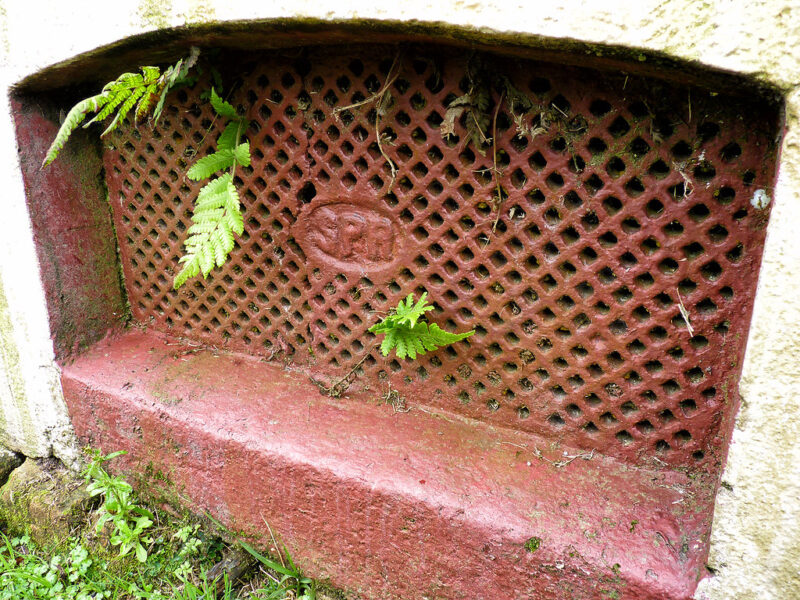
Cast iron radiators are the quintessential classics when it comes to design and function. They have a timeless appeal, making them ideal for homes seeking a touch of vintage charm. But don’t let their old-school vibe fool you—these radiators are incredibly efficient. Their ability to retain heat long after the boiler has stopped running ensures a steady, consistent warmth. This characteristic makes them particularly valuable in drafty old homes or spaces where steady warmth is preferable.
Considerations:
If speed is of the essence, look no further than the sleek, modern panel radiators. These radiators have a minimalist appearance, making them perfect for contemporary interiors. Thanks to their flat-panel design and quick response time, they provide rapid heating, ensuring your room hits the desired temperature in no time.
Advantages:
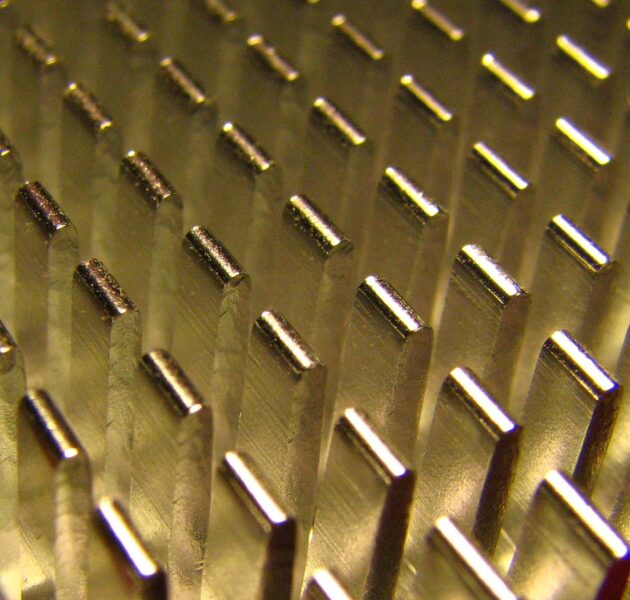
For those yearning for energy efficiency combined with powerful heat distribution, convector radiators stand out. They work by using fins that maximize surface area, thereby enhancing heat distribution and effectively circulating warm air throughout your space. Made from lighter materials like aluminum or copper, they’re an excellent choice for modern homes prioritizing energy savings without compromising stylish aesthetics.
Highlights:
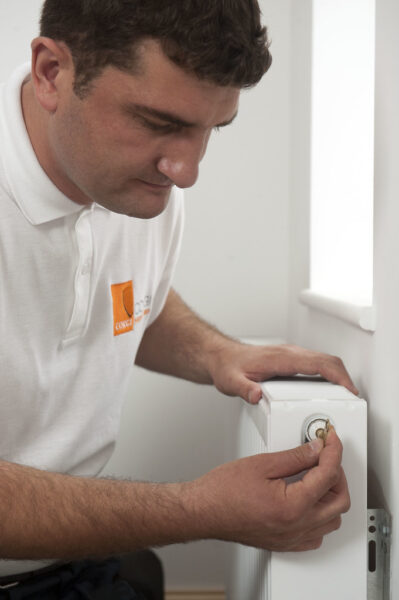
Understanding how different radiators function is just one piece of the puzzle. Proper installation and regular maintenance play crucial roles in maximizing efficiency. Ensure your radiator's location allows for unobstructed heat flow, and resist the urge to block them with furniture. Bleeding your radiators, or removing trapped air, will also help improve their performance.

Looking to further reduce your heating bills? Consider installing smart thermostats that tailor heating schedules to your lifestyle—there are countless innovative options on the market.
How do you ensure your home stays warm efficiently? Share your secrets below or drop any questions you might have about choosing or maintaining radiators in the comments—we’d love to hear your thoughts! For more recent insights into home improvements and energy conservation, stay tuned to our updates.
Understanding how home radiators work can transform how you perceive the cozy warmth enveloping your living spaces during chilly months. These essential components of a home heating system operate by transferring heat from water or steam circulating through them. For a deeper insight, watch the "Steam Heating Systems Basics" video by The Engineering Mindset on YouTube.
Heat Delivery: A boiler supplies hot water or steam through a network of pipes into each radiator, allowing the metal surface to warm up.
Radiation & Conduction: The heated metal then radiates warmth into the room while simultaneously conducting heat to the surrounding air.
Natural Convection: As warm air rises, cooler air drifts in to take its place, creating a gentle circulation that evenly distributes heat throughout your living space.
Mar 5, 2025
Absolutely. Radiators are widely considered an efficient and reliable home heating solution. Thanks to water’s greater heat capacity compared to air, they provide consistent warmth while using less energy. This gentle, even heating also helps reduce dust circulation and noise, making radiators a comfortable and low-maintenance choice.
As we wrap up our journey through the ins and outs of how home radiators work, I hope you now have a newfound appreciation for these unsung heroes of home comfort. Whether it's the gentle hiss of steam or the silent warmth spreading from a hot water radiator, there's something almost magical about how these systems transform the chilly air into a cocoon of coziness. By efficiently transferring heat from circulating water or steam, your radiator is working hard to ensure that each corner of your home remains snug and inviting when the temperatures drop outside.
If today's dive into the world of radiators has ignited your curiosity, there's so much more to uncover! To keep the inspiration flowing and to explore similar content, consider joining our community online. We share tips, trends, and innovations in home design, including heating solutions that keep your sanctuary warm and welcoming. Follow us on Instagram, where we frequently post updates that are sure to spark new ideas for your home. Let's continue this journey together and turn every aspect of your living space into a place you'll love even more!
{"@context":"https://schema.org","@type":"BlogPosting","headline":"How Do Home Radiators Work","url":"https://www.architectureadrenaline.com/how-do-home-radiators-work/","datePublished":"2025-12-11T01:56:58-08:00","dateModified":"2026-05-15T18:08:55-07:00","author":{"@type":"Person","name":"Matt Thompson","sameAs":["https://www.linkedin.com/in/architectureadrenaline/","https://twitter.com/archiadrenaline"]},"image":{"@type":"ImageObject","url":"https://architectureadrenaline.com/wp-content/uploads/default-og.jpg","width":1200,"height":630},"publisher":{"@type":"Organization","name":"Architecture Adrenaline","logo":{"@type":"ImageObject","url":"https://architectureadrenaline.com/wp-content/uploads/logo.png"}},"breadcrumb":{"@type":"BreadcrumbList","itemListElement":[{"@type":"ListItem","position":1,"name":"Home","item":"https://architectureadrenaline.com/"},{"@type":"ListItem","position":2,"name":"How Do Home Radiators Work","item":"https://www.architectureadrenaline.com/how-do-home-radiators-work/"}]},"mainEntityOfPage":{"@type":"WebPage","@id":"https://www.architectureadrenaline.com/how-do-home-radiators-work/"}}
{"@context":"https://schema.org","@type":"FAQPage","mainEntity":[{"@type":"Question","name":"Identifying the Right Radiator for Your Home","acceptedAnswer":{"@type":"Answer","text":"Choosing the perfect radiator might seem overwhelming, especially with multiple options out there. Each type serves distinct functions and fits various design aesthetics and efficiency needs. Here’s a deeper dive into the characteristics of each, enabling you to make an informed decision."}},{"@type":"Question","name":"Maximizing Radiator Efficiency","acceptedAnswer":{"@type":"Answer","text":"Understanding how different radiators function is just one piece of the puzzle. Proper installation and regular maintenance play crucial roles in maximizing efficiency. Ensure your radiator's location allows for unobstructed heat flow, and resist the urge to block them with furniture. Bleeding your radiators, or removing trapped air, will also help improve their performance."}}]}


Immerse yourself in architecture’s most boundary-pushing ideas—where innovative home improvements meet visionary urban developments. Discover new building techniques, materials, and creative concepts that are redefining how we shape our spaces on a global scale.

