As someone who's keen on creating functional living spaces, I've discovered that a handicap bathroom remodel can make a significant difference in maintaining independence for individuals with mobility challenges. This article explores practical ideas and considerations for redesigning a bathroom to enhance accessibility while ensuring comfort and style.
The primary goal of a handicap bathroom remodel is to cater to the specific needs of the user. Key factors to consider include spacing, accessibility features, and the overall design. The remodel should facilitate ease of movement, especially for wheelchair users or individuals using walking aids.
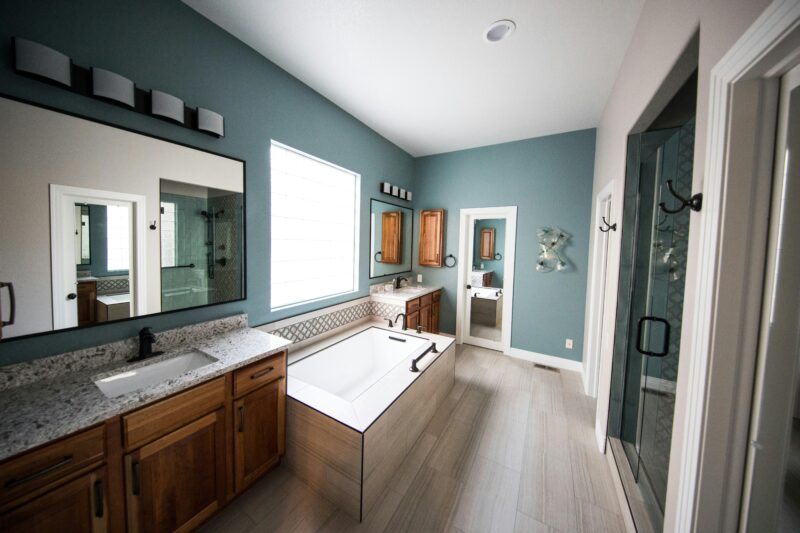
There are several key features to consider when remodeling a bathroom for handicap accessibility:
Incorporating these features ensures a safe and functional bathroom, making daily activities less cumbersome for users.
The layout of a handicap bathroom is crucial for ease of use. Ensure there is sufficient clearance around fixtures and ample turning space for wheelchairs or walkers. A typical recommended space is at least 5 feet in diameter for turning.
| Feature | Recommendation |
|---|---|
| Door Width | 36 inches minimum for wheelchair access |
| Shower Entry | Level entry to avoid tripping hazards |
| Sink Height | 30-34 inches for comfortable access |
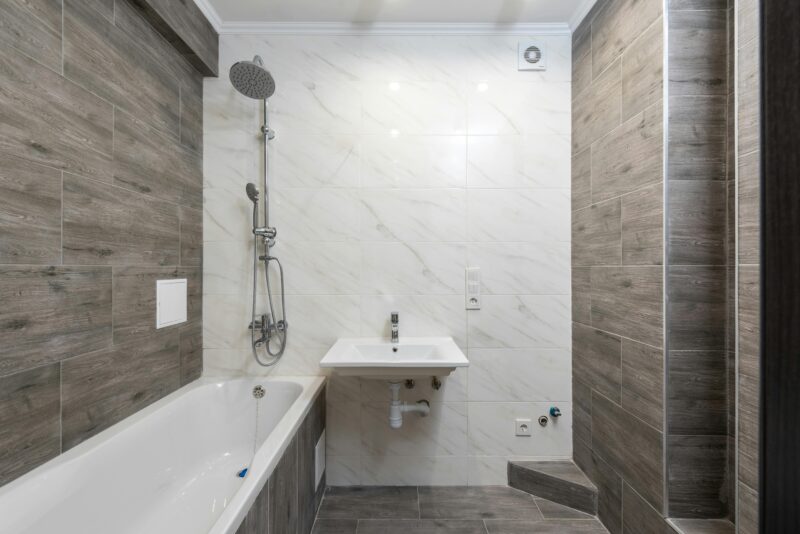
While functionality is key, aesthetic appeal should not be overlooked. Choose colors, fixtures, and materials that not only provide safety but also reflect personal style. Many innovative designs seamlessly blend safety features within an elegant space.
Consider utilizing materials that are both practical and stylish, such as:
Utilizing expert advice can facilitate a smoother remodel process. For additional insights, watch this video on accessible bathroom design for practical tips.
Throughout your remodel journey, consider exploring resources such as Bathroom Design Considerations, Planning Successful Remodels, and Small Master Bathroom Ideas. Additionally, consult the Home Improvements and Structural Alterations for information on benefits for home modifications and Home Modification for Caregivers for ideas tailored to ease daily tasks.

{"@context":"https://schema.org","@type":"BlogPosting","headline":"Handicap Bathroom Remodel: Transforming Spaces for Accessibility","url":"https://www.architectureadrenaline.com/handicap-bathroom-remodel-transforming-spaces-for-accessibility/","datePublished":"2025-08-22T04:08:45-07:00","dateModified":"2026-05-15T18:08:52-07:00","author":{"@type":"Person","name":"Justin Ankus","sameAs":["https://www.linkedin.com/in/architectureadrenaline/","https://twitter.com/archiadrenaline"]},"image":{"@type":"ImageObject","url":"https://architectureadrenaline.com/wp-content/uploads/default-og.jpg","width":1200,"height":630},"publisher":{"@type":"Organization","name":"Architecture Adrenaline","logo":{"@type":"ImageObject","url":"https://architectureadrenaline.com/wp-content/uploads/logo.png"}},"breadcrumb":{"@type":"BreadcrumbList","itemListElement":[{"@type":"ListItem","position":1,"name":"Home","item":"https://architectureadrenaline.com/"},{"@type":"ListItem","position":2,"name":"Handicap Bathroom Remodel: Transforming Spaces for Accessibility","item":"https://www.architectureadrenaline.com/handicap-bathroom-remodel-transforming-spaces-for-accessibility/"}]},"mainEntityOfPage":{"@type":"WebPage","@id":"https://www.architectureadrenaline.com/handicap-bathroom-remodel-transforming-spaces-for-accessibility/"}}
{"@context":"https://schema.org","@type":"FAQPage","mainEntity":[{"@type":"Question","name":"Understanding the Needs of the User","acceptedAnswer":{"@type":"Answer","text":"The primary goal of a handicap bathroom remodel is to cater to the specific needs of the user. Key factors to consider include spacing, accessibility features, and the overall design. The remodel should facilitate ease of movement, especially for wheelchair users or individuals using walking aids."}},{"@type":"Question","name":"Essential Features for Accessibility","acceptedAnswer":{"@type":"Answer","text":"There are several key features to consider when remodeling a bathroom for handicap accessibility:"}},{"@type":"Question","name":"Choosing the Right Layout","acceptedAnswer":{"@type":"Answer","text":"The layout of a handicap bathroom is crucial for ease of use. Ensure there is sufficient clearance around fixtures and ample turning space for wheelchairs or walkers. A typical recommended space is at least 5 feet in diameter for turning."}},{"@type":"Question","name":"Design Considerations for Aesthetic Appeal","acceptedAnswer":{"@type":"Answer","text":"While functionality is key, aesthetic appeal should not be overlooked. Choose colors, fixtures, and materials that not only provide safety but also reflect personal style. Many innovative designs seamlessly blend safety features within an elegant space."}},{"@type":"Question","name":"Resources for Successful Bathroom Remodels","acceptedAnswer":{"@type":"Answer","text":"Utilizing expert advice can facilitate a smoother remodel process. For additional insights, watch this video on accessible bathroom design for practical tips."}}]}
Immerse yourself in architecture’s most boundary-pushing ideas—where innovative home improvements meet visionary urban developments. Discover new building techniques, materials, and creative concepts that are redefining how we shape our spaces on a global scale.