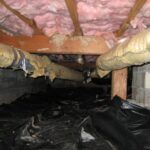
Faced or unfaced insulation in the attic is a common dilemma for homeowners looking to improve energy efficiency and comfort. Insulation is a crucial component in reducing heat loss and lowering energy bills, but choosing the right type can be tricky. Faced insulation comes with a vapor retarder, often made of kraft paper, which can help manage moisture issues, while unfaced insulation is typically used where moisture control is not a primary concern. Deciding between these two options depends on several factors, including climate, attic ventilation, and existing insulation.
| Type of Insulation | Best Use Case | Vapor Barrier |
|---|---|---|
| Faced | Areas prone to moisture | Included |
| Unfaced | Dry regions or behind already vapor-barriered layers | Not included |
Understanding the Role of Vapor Barriers in Insulation

Choosing the right insulation for your attic can sometimes feel like navigating a maze, but one critical factor to consider is the role of vapor barriers. Faced insulation, which includes a vapor retarder, is especially beneficial in areas where moisture is a concern. This vapor barrier helps prevent condensation that can lead to mold growth and structural damage. Conversely, in regions with lower humidity or where another vapor barrier already exists, unfaced insulation is often sufficient, allowing greater flexibility in installation.
- If your attic experiences significant temperature changes, consider faced insulation to minimize condensation risks.
- In dry climates, unfaced insulation may suffice, saving on cost and complexity.
The Impact of Climate and Ventilation

Climate plays a pivotal role in determining the type of insulation suitable for your attic. In colder climates, faced insulation with its added vapor barrier provides an extra layer of protection against moisture. This is particularly useful during winter when warm air can rise and meet cooler surfaces, resulting in condensation.
However, even the most suitable insulation can underperform if your attic lacks proper ventilation. Adequate ventilation helps regulate temperature and manage humidity levels, preventing potential damage regardless of whether faced or unfaced insulation is used. Always ensure that your attic's ventilation is functioning optimally, as this can significantly impact the effectiveness of the insulation you choose.

Considering Existing Insulation
If your attic already has some insulation, especially with a vapor barrier, adding unfaced insulation on top can be a cost-effective way to improve energy efficiency without risking moisture issues. This method is common in homes aiming to boost their R-value—the measure of insulation's resistance to heat flow—without extensive renovation.
It's crucial to assess the condition of existing insulation. If there's any sign of moisture damage or mold, addressing these issues should be a priority before adding new insulation layers. Remember, insulation is only as effective as its installation and the surrounding conditions.

Making the Right Choice for Your Home
Ultimately, deciding between faced and unfaced insulation should be driven by your home's specific needs, local climate, and attic conditions. Consulting with a professional can provide personalized recommendations, ensuring your insulation strategy is both efficient and effective in keeping your home comfortable year-round.
What factors have you considered when choosing insulation for your home, and how did it impact your energy bills and comfort? Share your experiences or ask questions in the comments below. For more on this topic and other relevant insights, check out our recent articles and content.
Learn More with This Video
Faced or unfaced insulation in the attic is a common dilemma for homeowners looking to improve energy efficiency and comfort. Insulation is a crucial component in reducing heat loss and lowering energy bills, but choosing the right type can be tricky. To explore this further, check out [Phillips Vision's video](https://www.youtube.com/watch?v=example) where Andrew Phillips explains the differences between faced and unfaced insulation batt and demonstrates the proper installation techniques.
When not to use faced insulation?
Faced insulation is typically used during the initial install between attic joists, with the vapor barrier facing your living space to help block moisture and improve energy efficiency. However, when you’re adding a second layer or topping up your attic insulation, opt for unfaced insulation on top to avoid trapping moisture underneath the facing material.
Which insulation is best for an attic?
Foam board, sometimes called rigid foam, is a highly versatile option for insulating just about every part of a home—from your attic down to your foundation. Its dense structure helps resist moisture, making it great for attic hatches, basement walls, and exterior sheathing. Foam board panels can boost overall energy efficiency by creating an effective thermal barrier wherever they’re applied.
Can you lay unfaced insulation over faced in an attic?
Yes, you can add unfaced insulation over an existing faced layer without issues. The key is to avoid placing another faced layer on top, as the attached vapor barrier (often kraft paper or plastic) can trap moisture and contribute to mold or mildew. Using unfaced insulation as the top layer promotes healthy airflow and helps maintain a stable, moisture-free attic environment.
To sum it all up, both faced and unfaced insulation have their distinct advantages, and the decision boils down to your specific needs and the unique characteristics of your attic space. Faced insulation comes equipped with a vapor barrier, making it perfect for controlling moisture in high-humidity areas, while unfaced insulation offers flexibility, especially if you're layering insulation to boost R-value. No matter which path you choose, adding more insulation is a step in the right direction for a cozy home and lower energy bills.
Stay Connected for More Home Improvement Tips
I hope this exploration into attic insulation has made your decision a tad easier. If you're passionate about energy efficiency or planning another home improvement project, there's always more to learn and share. To keep up with the latest tips and trends, why not follow along on social media? You can find us on Instagram at Architecture Adrenaline. We love connecting with like-minded folks and sharing snippets of inspiration. Here's to making your home the best it can be, one project at a time!