Choosing between birch and maple plywood for cabinets is a decision often influenced by several factors, including durability, appearance, cost, and environmental considerations. To help you make an informed choice, we’ve outlined essential differences and considerations below.
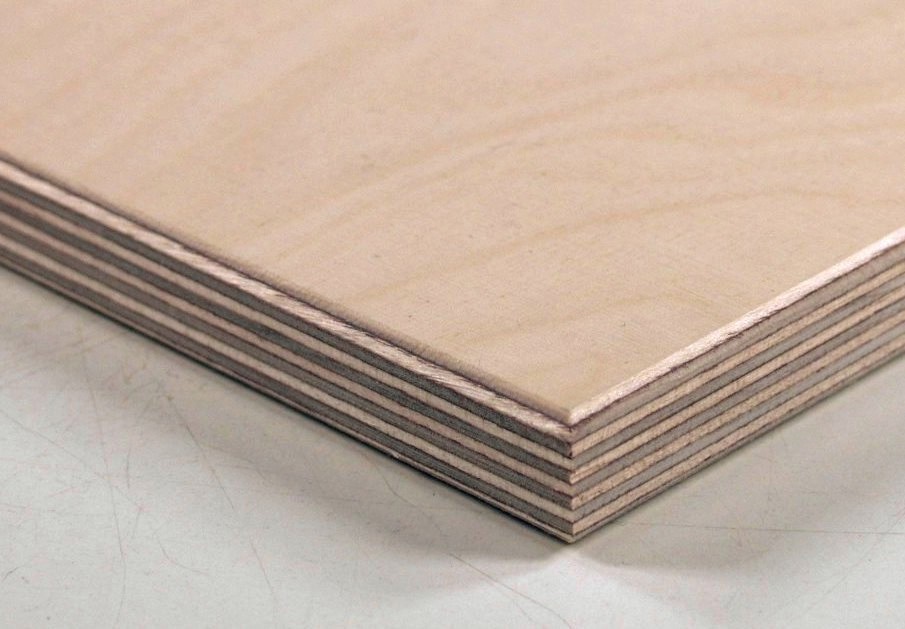
Durability
Maple is generally harder and more durable than birch, making it less susceptible to damage. This quality is indicated by their respective scores on the Janka Hardness Scale:
- Maple: 1400-1500
- Birch: 1200-1300
For kitchens with heavy use, maple's superior hardness might be the better option.
Appearance and Grain
The aesthetic qualities of birch and maple wood differ significantly, which impacts the final look of the cabinets:
- Birch: Exhibits a yellowish hue with a straighter grain, providing a rougher texture and better resistance to visible scratches.
- Maple: Often leans toward a reddish-brown color with intricate, wavy grain patterns, resulting in a smoother and glossier finish.
Stain and Finish Compatibility
Both types of wood have unique characteristics affecting how well they take stain and finish:
- Birch: Its porous nature and rough texture can lead to uneven staining and generally results in a matte finish.
- Maple: The smoother surface makes it more receptive to even staining and produces a consistent, glossy look.
Cost
The price of plywood cabinets varies between birch and maple, reflective of their respective qualities:
- Birch Cabinets: $2,000 - $4,000
- Maple Cabinets: $2,500 - $6,000
Birch is typically more budget-friendly, making it a suitable choice for cost-conscious homeowners.
Maintenance
Maintenance is another factor to consider when choosing cabinetry materials. Both birch and maple require regular cleaning, but they have unique care instructions:
- Maple may discolor if exposed to direct sunlight for extended periods.
- Birch could necessitate refinishing due to the potential for blotchy stains.
Environmental Impact
Both birch and maple are relatively environmentally friendly, but birch has a slight edge because it grows faster and is easier to regrow after harvesting.
| Environmental Impact | Rating |
|---|---|
| Maple | Moderate |
| Birch | High |
Choosing the Right Option
In conclusion, the best choice between birch and maple plywood depends on your specific needs:
- Birch: Ideal for those on a budget, favoring matte finishes, and considering environmental impact.
- Maple: Suitable for high-traffic kitchens due to its durability and provides a smooth, glossy finish, albeit at a higher cost.
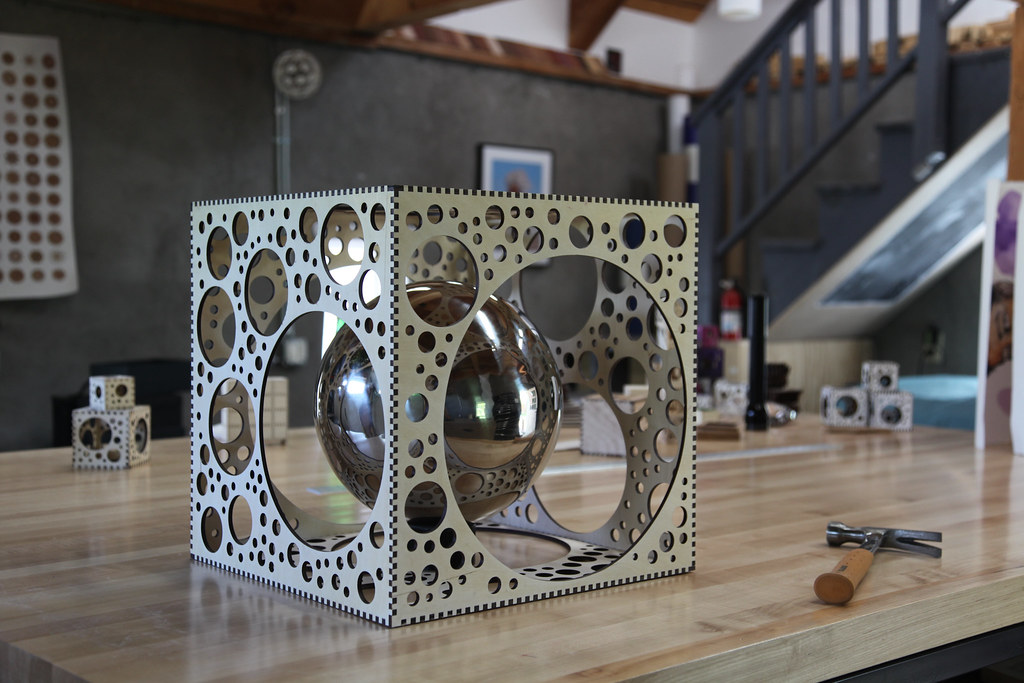
One prime example of artistic and functional application using birch and maple together is the Mosquito Lamp by Christy Oates, which creatively combines maple veneer on Baltic birch plywood.
Birch vs Maple Cabinets: Which Wood is Right for Your Kitchen?
Related Reads
To explore more about woodworking and materials, consider reading more articles such as 8 Popular Types of Wood: A Comprehensive Guide and Douglas Fir Vs Cedar: Which Wood Is Best For Your Project?.
If you want to dive deeper, consider reading our article on the CNC Plywood Baltic Birch Chair or compare other woods such as in the Douglas Fir vs Pine: Which Wood Is Better for Your Project?.
For those pondering about the practicality of birch versus maple plywood in specific applications, this discussion on user experiences can provide additional insights.