
Apartment air purifiers are easy to buy badly because the marketing language makes every small machine sound like it can clean an entire home. A better apartment filter is selected for the room where it will actually run: a bedroom, open living area, nursery, or office corner. The useful criteria are clean-air output, noise at the speed you will tolerate, replacement-filter cost, ozone safety, and whether the shape fits the room without blocking the intake.
This guide is intentionally practical rather than decorative. If wildfire smoke, cooking odor, pet dander, or dusty HVAC is the problem, choose particle filtration first and treat carbon odor control as a secondary benefit. Keep the unit close enough to the activity area to matter, but not trapped behind a sofa or curtain. Most people get better results from one appropriately sized purifier running consistently than from a tiny purifier moved around the apartment whenever the air feels stale.
MOOKA H13 Large-Room Air Purifier
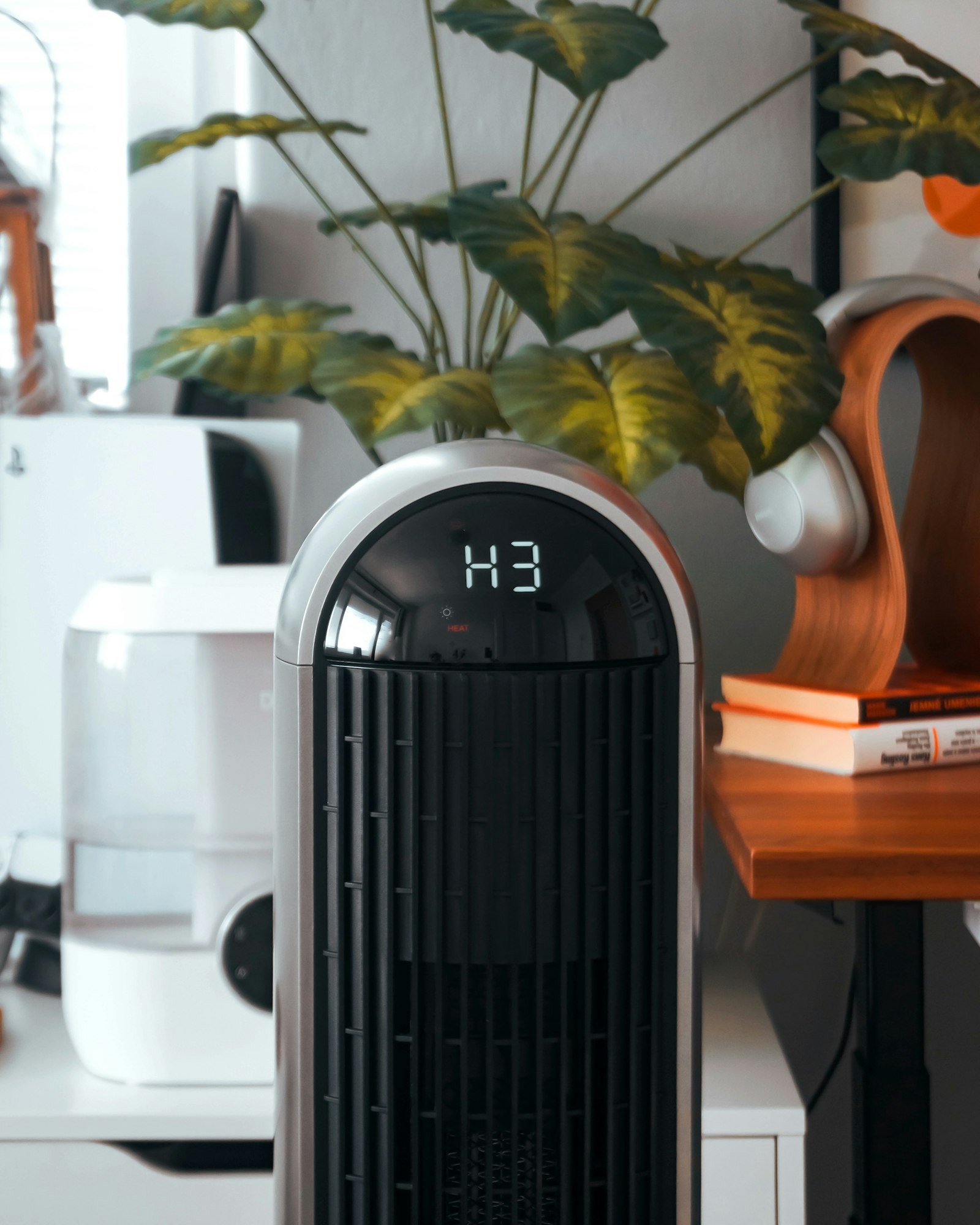
A smart purifier is useful when schedules and remote control make you more likely to run the device consistently. This type of unit fits renters who want the purifier to ramp before bedtime or after cooking. The caution is that app features should not distract from the basics: filter price, noise, intake clearance, and whether the purifier continues to work well without constant tinkering.
Placement matters as much as the product. Leave open space around the intake, clean the prefilter or grille on schedule, and check the filter replacement cost before buying a second unit.
Blueair Compact Bedroom Unit
A small bedroom unit is best when the goal is quiet overnight filtration near the bed. The compact footprint matters in apartments where a nightstand, hamper, and small dresser already compete for floor space. Do not expect a bedroom-sized unit to clean an open kitchen and living room; use it as a dedicated sleep-space purifier and size the main room separately.
Placement matters as much as the product. Leave open space around the intake, clean the prefilter or grille on schedule, and check the filter replacement cost before buying a second unit.
How To Choose Without Falling For Bad Claims
Avoid any purifier that emphasizes ionization or “fresh air” language without clear filtration specs. For apartment use, an ozone-free device with a replaceable particle filter is the safer baseline. If you have allergies or smoke exposure, compare independent guidance and certified-device lists instead of relying only on marketplace star ratings.
Noise is the other deciding factor. A purifier that is technically powerful but annoying at medium speed will be turned off, which makes it worse than a quieter model with slightly lower output. Look for a unit that can run continuously in the room where you need it most.
Apartment Setup Checklist
Measure the room and decide where the purifier can stay plugged in every day. Do not hide the unit behind a chair, curtain, plant, or media console; blocked intake reduces the value of even a good purifier. In a studio apartment, put the purifier near the sleep zone if rest is the priority, or near the kitchen-living area if cooking particles and odors are the bigger issue.
Filter cost should be part of the buying decision. Before choosing a model, price a year of replacement filters and check whether off-brand filters compromise fit or filtration. If you are sensitive to noise, choose a unit that can clean the room at a tolerable medium speed rather than relying on a loud maximum setting.
Common Apartment Air Purifier Mistakes
The first mistake is buying the smallest device because the apartment is small. A compact unit can still be underpowered if the room has high ceilings, open doorways, or constant cooking particles. The second mistake is running it only when the air feels bad. Portable air cleaners work best as steady background equipment, not emergency appliances.
The third mistake is ignoring ozone language. Some devices market ionization or fresh-air features that do not belong in a simple apartment buying guide. Stick with mechanical filtration and check independent safety resources when a product emphasizes anything beyond filters and airflow.
Sources Worth Checking
- EPA Guide to Air Cleaners in the Home - baseline guidance on portable air cleaners and limitations
- California Air Resources Board certified air cleaners - useful for checking ozone-related safety status
- ENERGY STAR room air cleaners - helps compare efficiency for devices that run many hours per day
