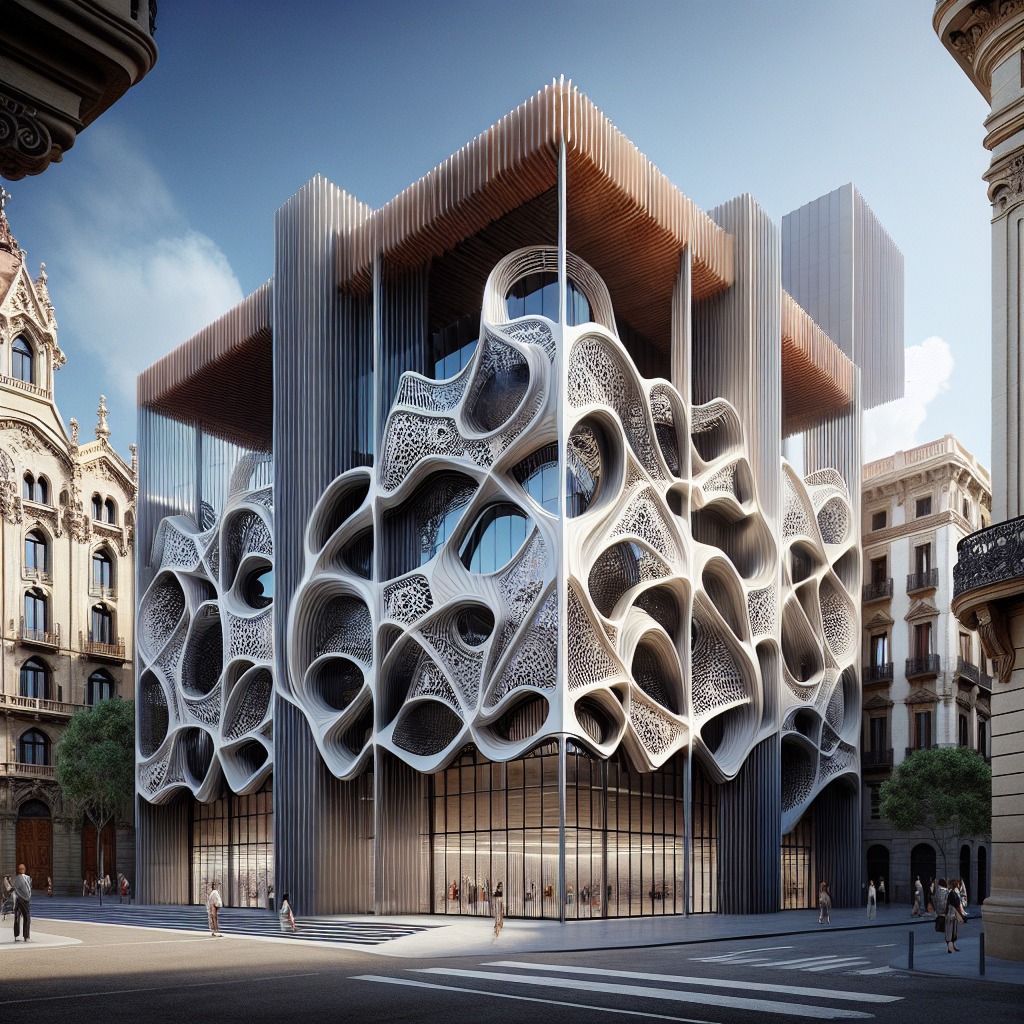
In the heart of Barcelona, an old industrial site has been reborn as a beacon of the future—the city's newest public library
The Magic of Adaptive Reuse in Barcelona
Imagine strolling through Barcelona and discovering a beautifully transformed space where history meets futuristic innovation—a place that was once an industrial site and is now a modern library. This project showcases the brilliance of adaptive reuse, blending the past with cutting-edge design in an extraordinary way.
Thermo-Bimetals: The Star of the Show
One of the most captivating features of this library is its use of thermo-bimetals. These temperature-responsive panels dynamically change with the sunlight, casting ever-shifting patterns of light and shadow. It's like watching a living canvas that evolves with the day, providing visitors with a unique experience every time.
Sustainability Meets Design
This project isn’t just about aesthetics; it's a model of sustainable innovation. By reimagining an old structure, the architects preserved its historical charm while incorporating eco-friendly materials and technologies. The library invites us to rethink the possibilities of design, where heritage and progress coexist fluidly.
Key Features of the Library
| Element | Description | Impact |
|---|---|---|
| Thermo-Bimetal Panels | Temperature-responsive, changes with sunlight | Dynamic visual experience |
| Historic Brickwork | Preserved original structure | Maintains cultural heritage |
| Organic Design | Sleek metallic hues, futuristic shapes | Harmonious blend of old and new |
The Future of Architecture
This library isn’t just a place for books; it's a testament to the power of creative thinking. By using adaptive reuse and innovative materials, it sets a precedent for future architectural projects, emphasizing that sustainability and design innovation go hand in hand.
What are your thoughts on the blend of history and modern design in architecture? Share your thoughts in the comments below or join the conversation on social media!