Background/Context: Adaptive Reuse - A Solution for Modern Urban Challenges
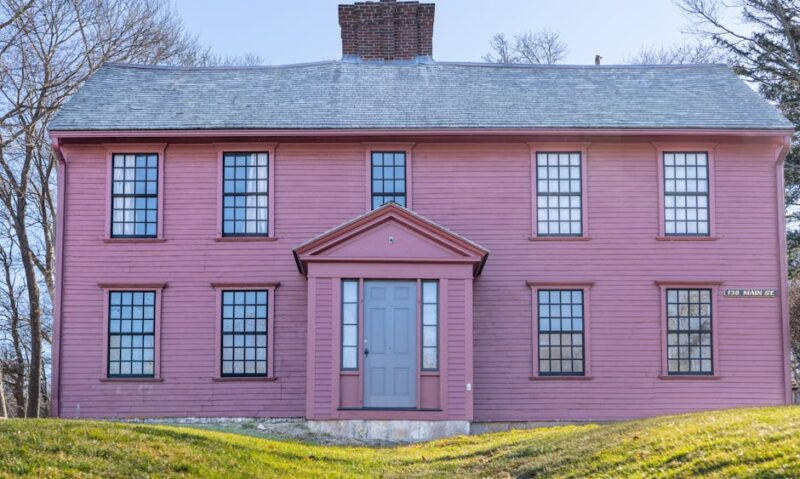
Adaptive reuse refers to the process of repurposing buildings that have outlived their original purpose. From old factories turned luxury lofts, to former churches becoming unique restaurants, adaptive reuse is a practical solution for modern urban challenges. It provides a sustainable alternative to demolition, contributes to neighborhood revitalization, and adds a layer of historical character to our cities.
Step-by-step: Navigating Adaptive Reuse Projects
1. Identify Potential Buildings: Look for structures that have been vacant or underutilized. Consider their location, size, structural condition, and historical significance.
2. Evaluate Feasibility: Assess the cost of renovation versus demolition and new construction. Consider the building's condition, potential return on investment, and local regulations.
3. Engage Stakeholders: Collaborate with local governments, community members, and potential investors. Their support can be crucial for project approval and success.
4. Plan the Design: Work with architects and designers who specialize in adaptive reuse. They can help maintain the building's character while ensuring it meets modern requirements.
5. Obtain Permits: Comply with local codes and regulations. This may involve structural updates, safety improvements, and preservation guidelines.
6. Execute the Plan: Hire a construction team with experience in adaptive reuse. They will understand the unique challenges and opportunities these projects present.
Tips and Best Practices: Ensuring Successful Adaptive Reuse Projects
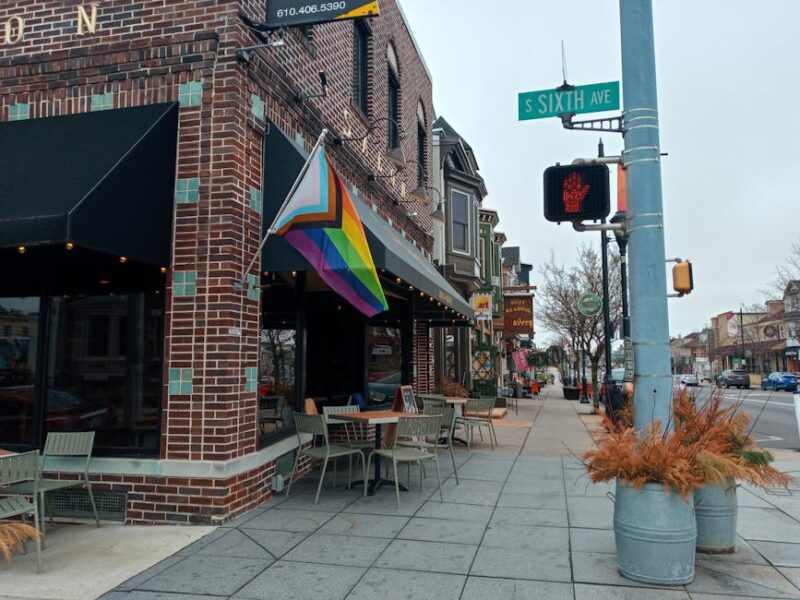
- Preserve the Building’s Character: Maintain as much of the original structure and materials as possible. This adds authenticity and charm to the project.
- Understand the Community’s Needs: The new function of the building should meet the needs of the local community. This will ensure it is well-received and utilized.
- Plan for Sustainability: Incorporate energy-efficient updates and sustainable materials. This can lower operating costs and attract eco-conscious tenants.
Common mistakes: Pitfalls to Avoid in Adaptive Reuse
- Underestimating Costs: Renovations often uncover unforeseen issues. Always budget for unexpected costs.
- Ignoring Local Regulations: Failing to comply with local codes can lead to costly fines and delays. Always consult with local authorities before starting your project.
- Overlooking the Building’s History: The original structure’s character is a major asset. Strive to maintain the historical integrity of the building.
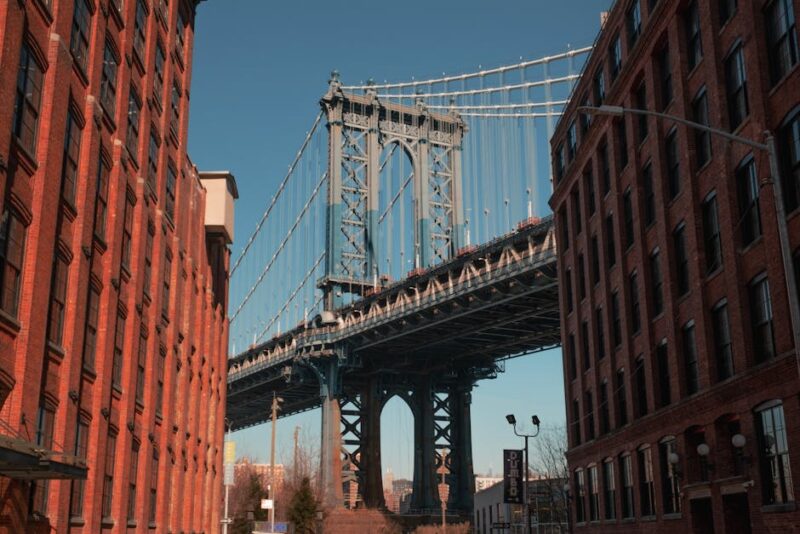
Case Study Snapshot: The Warehouse District, New Orleans
- Building Type: Warehouses and Factories
- Outcomes:
- Revitalized the local economy by attracting new businesses and consumers
- Preserved the historic character of the neighborhood
- Provided affordable housing and commercial spaces through adaptive reuse
Conclusion: The Future of The New American Main Street
Adaptive reuse is more than a trend; it's a sustainable solution for urban development that respects our architectural heritage while meeting modern needs. By understanding the process, avoiding common mistakes, and embracing best practices, we can all contribute to the revival of The New American Main Street.
Architecture, art & design