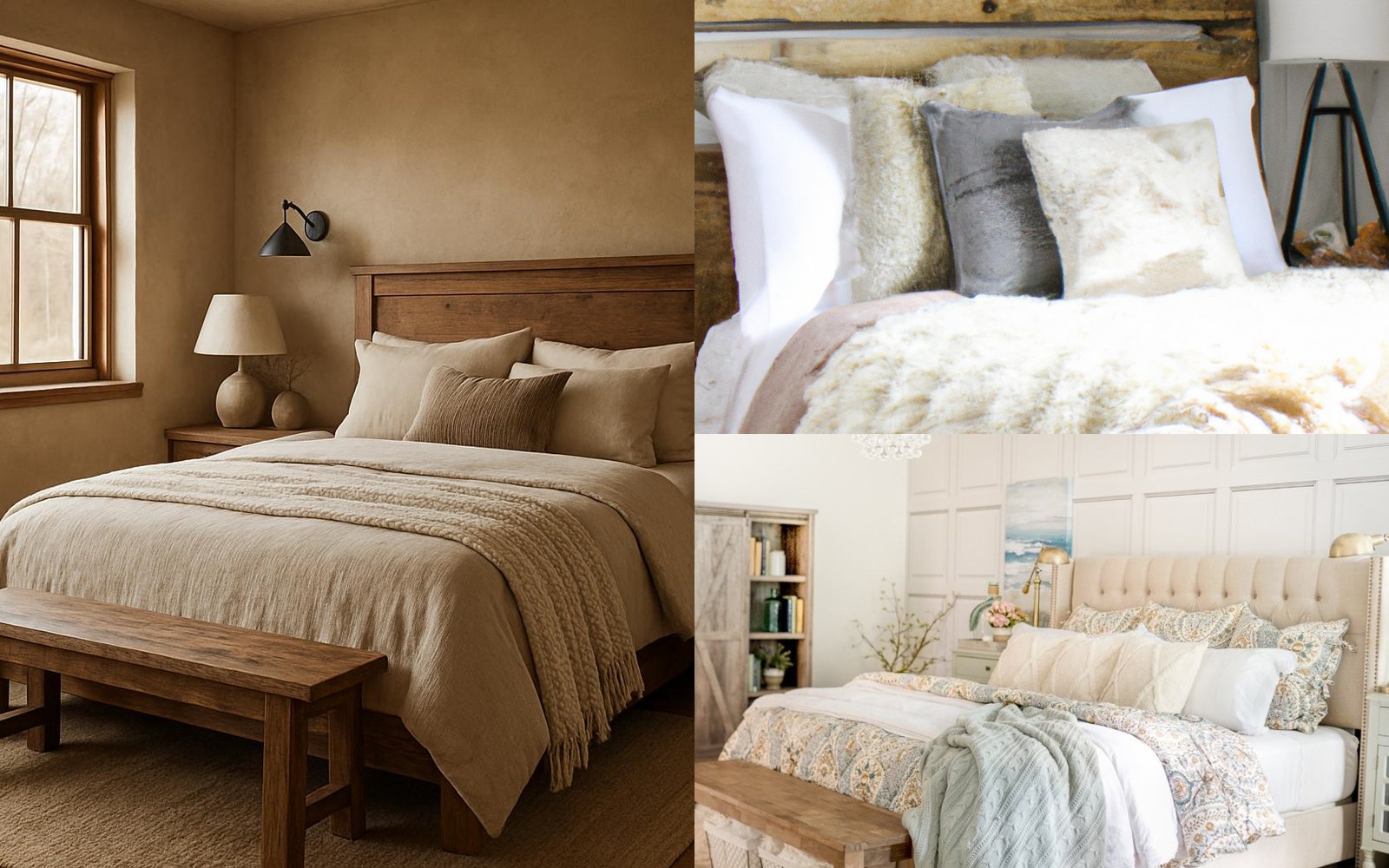
Positioning the bed, sizing storage, planning circulation, and layering lighting are the core of a bedroom that balances rustic warmth with functional calm. A restrained material palette featuring natural wood and warm textiles anchors a design that privileges comfort and practicality over clutter. This unique image collage of rustic bedrooms reveals measured choices and trade-offs: 30–36 in. clear bedside circulation, 8–12 in. bedside clearance for table lamps, and closets sized between 24 and 30 in. deep to reduce wasted walk space. The goal is a quiet, tactile retreat that doesn’t overwhelm or oversimplify. Each image anchors a tactical design point to bookmark for your next bedroom remodel or styling refresh.
Strategic Bed Placement for Rustic Balance
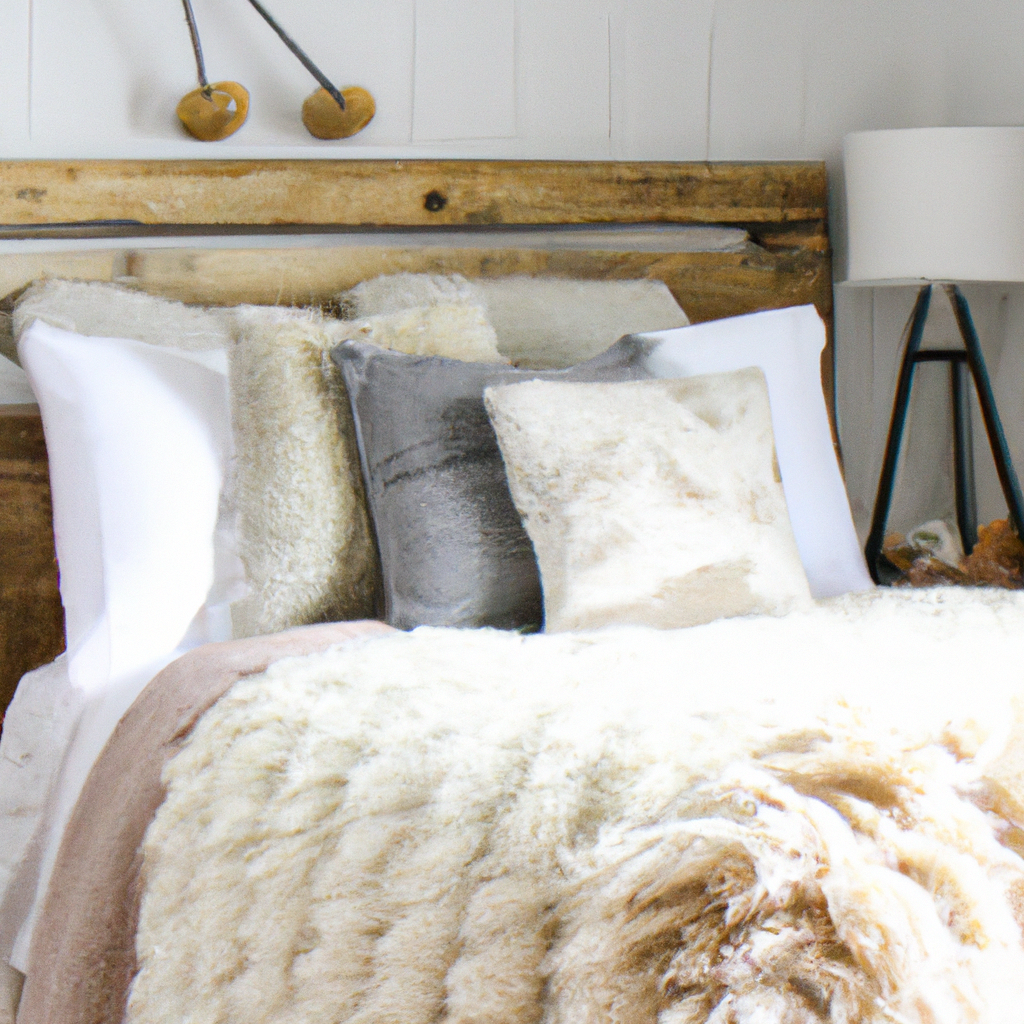
Place your bed centrally against a key wall to anchor visual balance, ideally allowing at least 30 inches of circulation on each side. In rustic bedrooms, positioning the bed under reclaimed wood headboards (2-3 in. thick) adds texture without bulk. This approach favors symmetrical bedside tables but sacrifices wall space for larger closets or additional storage. The takeaway is to plan bedroom dimensions at least 12 ft wide to accommodate circulation, storage, and aesthetic impact without crowding.
Integrated Storage Dimensions and Practicality

Rustic bedrooms blend open warmth with storage needs; incorporate built-in wardrobes or armoires 24-30 inches deep for functionality without intrusion. Use natural wood finishes or distressed textures to echo rustic themes. Beware that overly deep wardrobes reduce walking clearance, so measure pathways to maintain a minimum 30 in. width. Well-planned dimensions maximize storage and material continuity, teaching us that sizing storage correctly is key to avoiding spatial conflict.
Closet Planning with Function and Flow
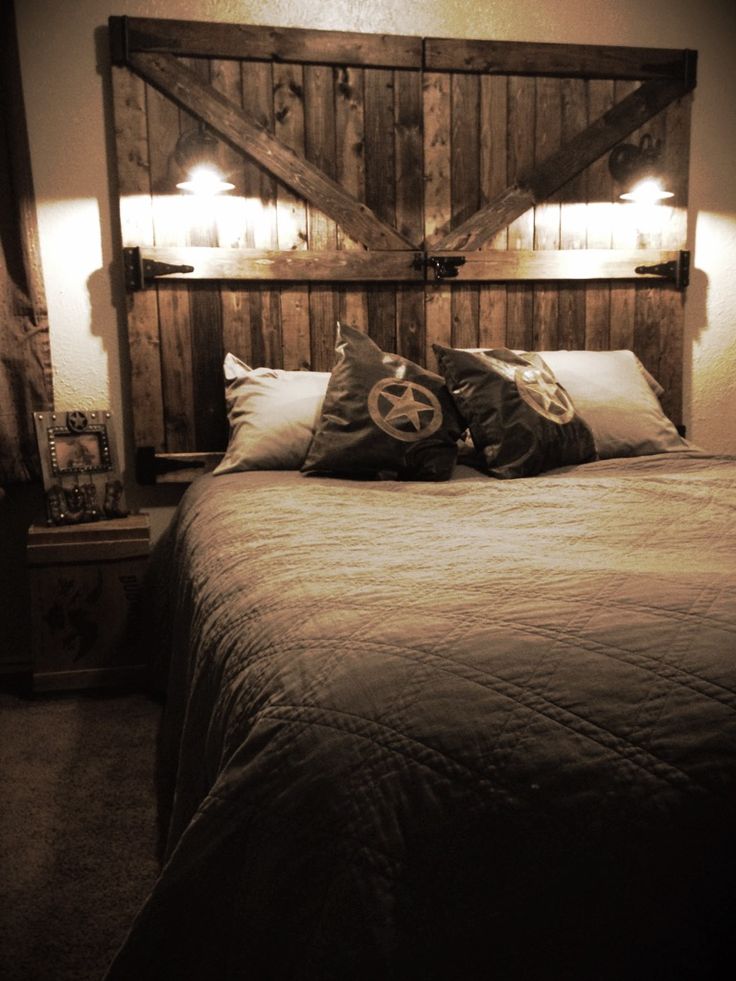
Closet spaces sized around 24 inches deep provide optimal use for hangers and folded clothes while preserving room flow. For rustic bedrooms, choose wood-paneled sliding doors or open shelving with woven baskets to harmonize with natural textiles. The tradeoff is closet door style: swinging doors require 36-in. clearance, eating into room space, while sliding doors need wall depth for installation. Precise closet sizing encourages circulation efficiency and complements rustic visual restraint.
Optimizing Bedside Clearance and Circulation
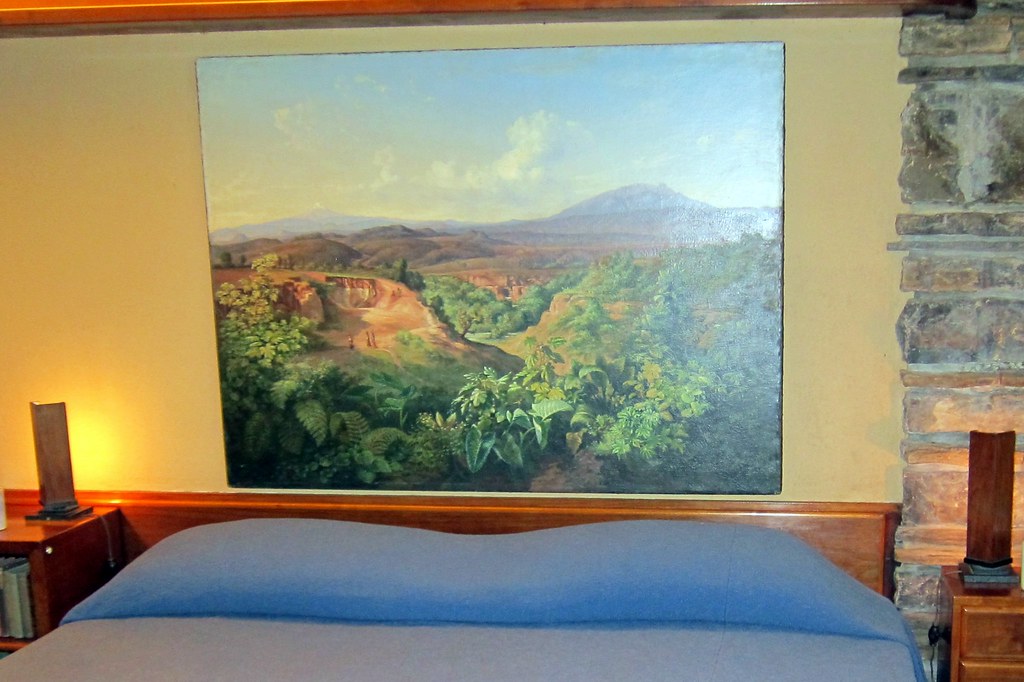
Aim for 30 to 36 inches of clearance on either bedside to allow smooth passage and furniture access. Bedside tables about 18–22 in. wide with 8–12 in. clearance from the bed are ideal for lamp placement and daily use. Wood or metal bedside lamps with warm 2700–3000K bulbs foster cozy ambiance without harsh glare. Narrow clearance risks bumping or awkward navigation, so measure early. Prioritizing circulation clearance keeps rustic bedrooms inviting and practical.
Textile Layering to Enhance Rustic Texture

Use layered textiles—linen sheets, wool throws, and cotton rugs—in warm, earthy tones to cultivate tactile depth that soothes the rustic eye. Opt for natural fibers with muted patterns for longevity and easy cleaning. Beware excessive layering which can complicate upkeep; a simple palette with no more than three textures balances comfort with maintenance. Aim for 18–24 oz. per square yard density in bedding materials, which offers warmth without heaviness. This reminds us that layering textures with restraint sharpens rustic character.
Layered Lighting for Warmth and Function
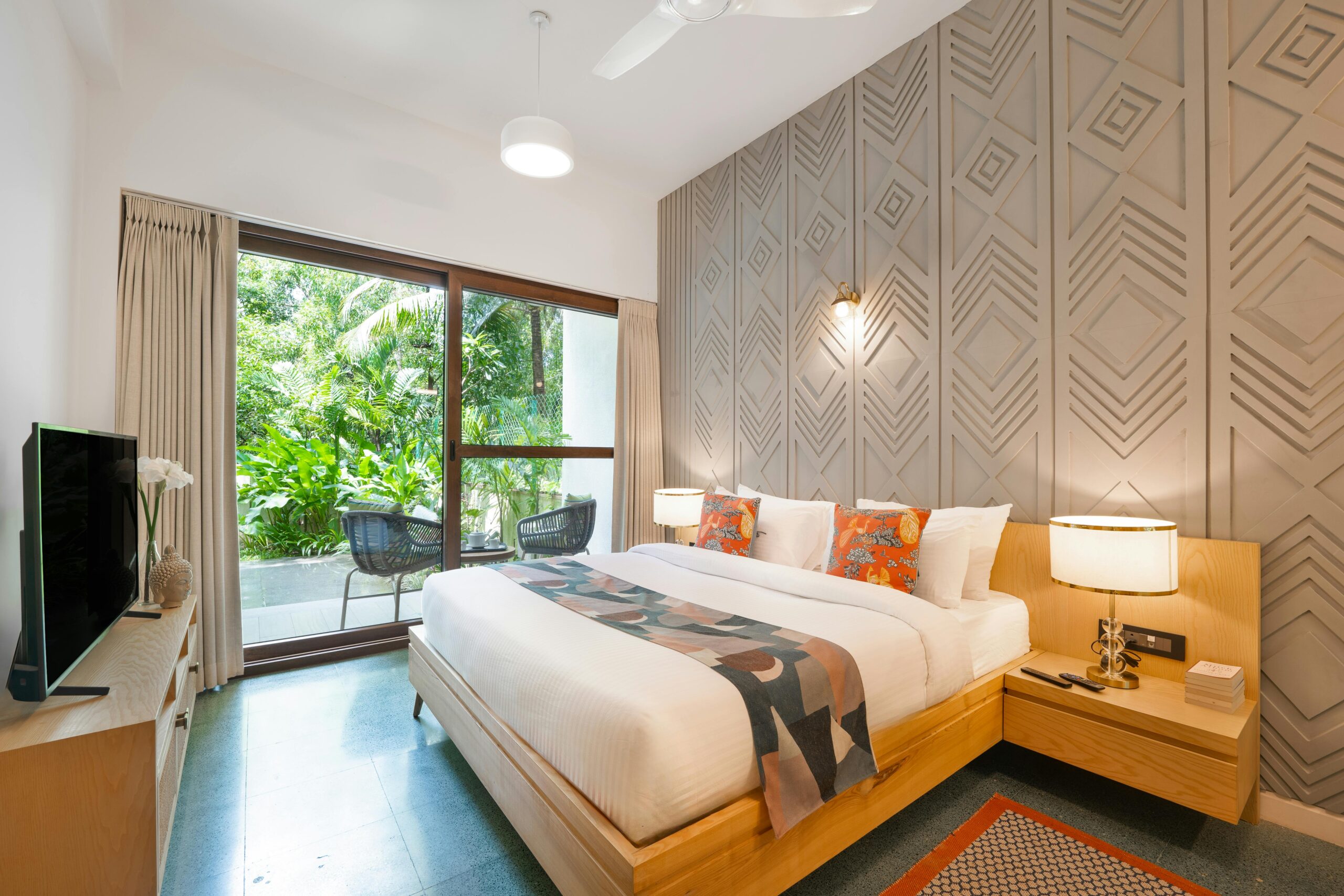
Incorporate layered lighting with wall sconces and bedside lamps to create flexible light levels from 200 to 400 lux. Rustic finishes like wrought iron sconces or wood-based lamp stands amplify material resonance. Avoid solely overhead fixtures that flatten texture and create harsh shadows. The tradeoff requires wiring planning for dimmers and switches within reach. Thoughtful lighting layers refine mood and allow calm rustic bedrooms to transition from relaxing to functional.
Material Restraint in Wall and Floor Finishes

Rustic bedrooms thrive on wall and floor finishes that anchor the material story yet feel understated, like matte plaster walls or softly distressed wood flooring. Keep wall palettes within muted earth tones under 50 LRV (light reflectance values) to maintain warmth without darkening space. Avoid glossy finishes which break rustic authenticity and can highlight flaws. Flooring thickness ranging 3/4 in. to 1 in. adds tactile comfort but demands precise door clearance planning. Material restraint teaches the power of minimalism in layered rustic spaces.
Furniture Scale Calibrated for Cozy Proportion
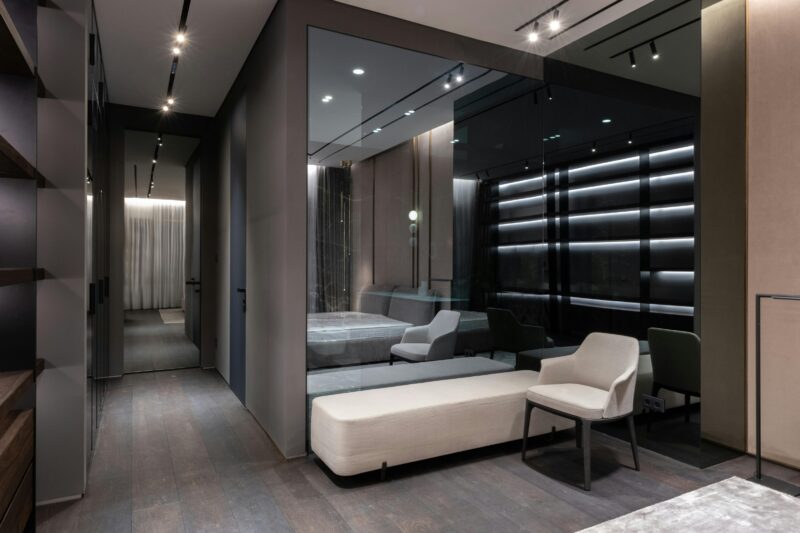
Scale furniture deliberately to preserve cozy proportion—opt for bedside tables 22–26 in. high and dressers no wider than 5 ft. to keep focus on the bed and circulation. Choose pieces made from reclaimed or unfinished wood to complement rustic themes without overwhelming. Larger pieces risk claustrophobia, especially in bedrooms under 150 sq. ft. The design lesson lies in matched scale and visual weight, which maintains harmony and functional flow amid rustic textures.
Related Architecture Adrenaline Reads
What is the optimal clearance around a bed in a rustic bedroom?
Allow at least 30 inches on each side to enable smooth circulation and easy access to bedside furniture, balancing comfort and room size.
How deep should closet storage be to fit rustic aesthetics and function?
Closets 24 to 30 inches deep work best for hanging clothes and storage while maintaining room flow without overcrowding.
What lighting temperature enhances a rustic bedroom's warm vibe?
Use warm white bulbs in the 2700 to 3000 Kelvin range to create inviting, soft illumination that complements natural materials.
Rustic bedroom section image collage ideas reveal the nuanced balance of bed placement, storage sizing, circulation clearance, layered lighting, and material restraint that define a thoughtful, livable design. By integrating practical dimensions—30+ inches clearance, 24–30 inch wardrobe depth, and warm 2700K lighting—with tactile textiles and restrained finishes, homeowners and remodelers can create spaces full of character without clutter. Each detail—from furniture scale to closet planning—works in service of calm and function. These measured inspirations guide styling or remodeling projects that prioritize both rustic charm and everyday usability.
For more room-by-room ideas, browse Architecture Adrenaline’s latest design guides and save your favorite looks for your next project.
Further Inspiration Sources
Design Deep Dives & Resources
Use these references to go deeper on layouts, materials, lighting, safety, and maintenance decisions that matter for this style.
Research-Backed Planning Notes
- Plan clearances before finishes: Interior design work is strongest when circulation, door swings, storage depth, and fixture access are resolved before color or styling. Use this as a reason to verify dimensions and maintenance access before copying any visual concept. Source: NKBA
- Lighting quality depends on layers: Ambient, task, and accent lighting solve different problems, and glare control matters as much as fixture style. Use dimming, warm color temperature, and task placement as design constraints, not afterthoughts. Source: IES
On Architecture Adrenaline
- Rustic Bedroom Collage First Design Ideas: Read the full guide
- Bedroom Decorating Ideas For A Small Room: Read the full guide
- Bedroom Makeover Ideas: Read the full guide
Authoritative Planning References
- American Society of Interior Designers - Professional interior design reference for wellness, sustainability, material choices, and practice context.
- IIDA resources - Interior design practice resources that help ground planning, materials, and workplace/residential design decisions.
- National Kitchen & Bath Association - Kitchen and bath planning reference for fixture clearances, remodel planning, and professional standards.
External Inspiration
Editor-Selected Amazon Finds
Use these shopping starting points to compare dimensions, damp-location ratings, mounting hardware, and review photos before buying.
Task lighting
Start with lighting because it changes how every finish reads.
Storage organizers
Keeps the space functional instead of just photogenic.
Wall-mounted shelves
Adds useful vertical storage without crowding the floor.
Slim side tables
A compact landing surface helps the room work day to day.
Material sample kits
Compare finish color and texture in the actual room light before committing.
Design Inspiration Concepts
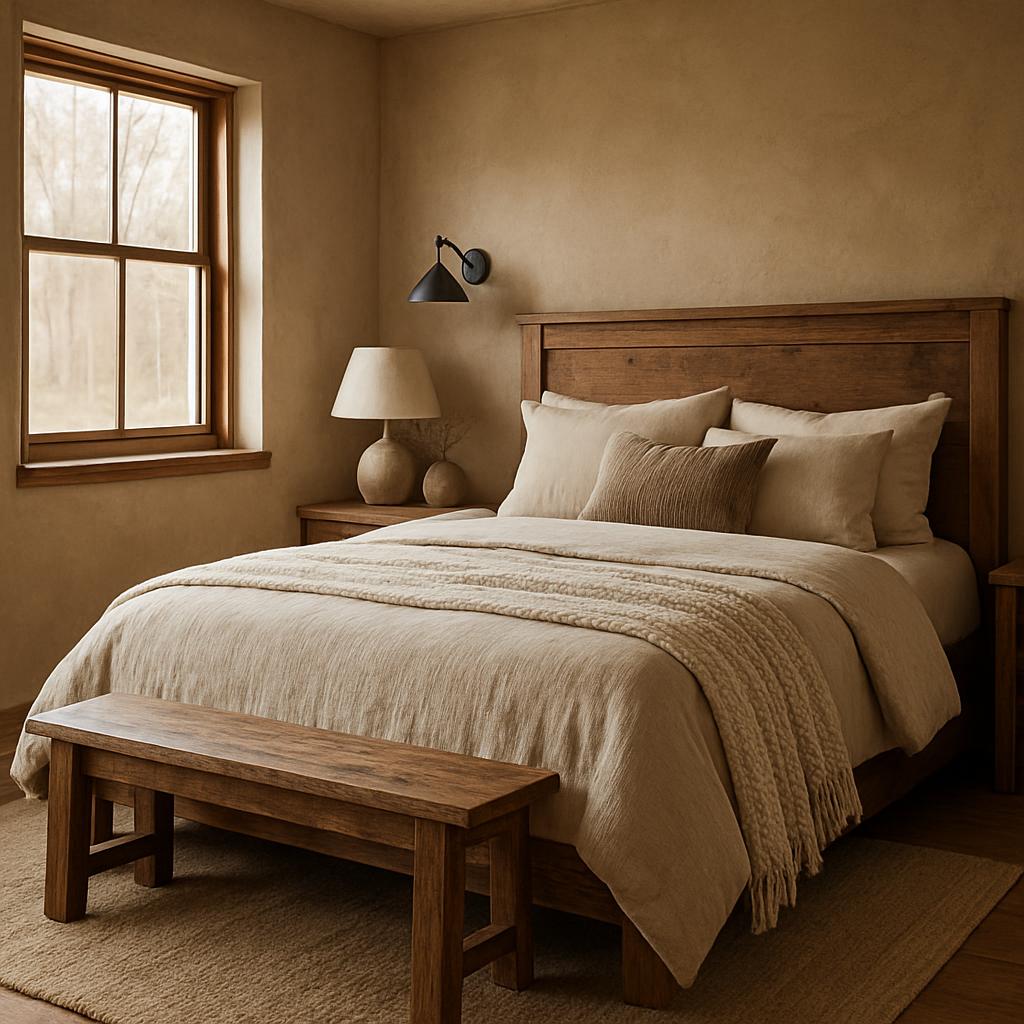
These concept images were generated to help visualize the ideas in this guide.
Extra Visual Inspiration