Flies often die in your house due to limited access to food, inhospitable indoor conditions, and exposure to pesticides. These unexpected little houseguests can create quite the nuisance, especially when their lifeless forms make an appearance throughout your living space. Did you know that many common houseflies have an average lifespan of just a few weeks? As winter descends or during those odd warm spells, the chances of finding these dead insects around your home significantly increase due to the unique challenges they face indoors. Let's explore the reasons behind this phenomenon and discover practical solutions to make your home less appealing to these tiny intruders.
By examining the life cycles and behavior of these pesky flies, we can gain insights into preventing their unwelcome visits. Let’s dive deeper into the factors that contribute to fly mortality in your home and what you can do to effectively manage and prevent them.
Flies in winter or during unexpected warm spells often die off inside homes, but the reasons aren’t mysterious: indoor conditions, limited food, and seasonal life-cycle quirks all play a role. In this article, we unpack why you might see dead flies (and occasionally dead bees) indoors, how long they typically live, and practical steps to both prevent and address indoor fly problems. We’ll also highlight how wintering flies behave differently from summer invaders and what that means for your home.
| Topic | Common Causes | Practical Fixes |
|---|---|---|
| Indoor Fly Mortality | Limited food/water, dry or hot indoor conditions, pesticide exposure | Improve sanitation, seal entry points, moderate indoor moisture |
Inside homes, flies tend to die for practical reasons tied to available food, indoor climate, and exposure to treatments. This guide explains why you might see dead flies indoors, how long typical houseflies live, and what you can do to prevent and manage infestations. We’ll also touch on why you might occasionally find dead bees indoors and how to tell common indoor flies apart from one another.
Flies indoors usually die because their access to food and water is limited, indoor conditions can be less than ideal, and they may encounter insecticides or baits. When these factors combine, survival odds decline quickly after they slip into living spaces.

Several indoor factors can accelerate mortality for flies that wander inside:
Some flies survive winter by entering diapause, a dormant-like state that slows metabolism and reduces feeding. In winter, cluster flies, in particular, may overwinter in attics or wall voids. They’re not feeding or breeding indoors during this time, and mortality rises as indoor conditions become unfriendly or energy reserves dwindle. When warm spells occur, diapause ends or progresses toward spring activity, but if resources are exhausted or conditions stay inhospitable, many will die indoors.
Different flies behave differently inside homes. The two most relevant for indoor mortality are:

Fruit flies (Drosophila spp.) and other small scavengers can also be present indoors if kitchens or trash areas aren’t well managed, especially when fruit or fermenting liquids are left exposed.
Bees can occasionally wander indoors, usually drawn by light or heat sources. Dead bees found inside are typically the result of accidental entry, dehydration, or being unable to navigate back outside. If you see several dead bees, inspect for entry points and consider sealing potential nest sites near eaves or walls and consulting a local pest professional if needed.
To minimize dead flies inside your home and reduce future visits, focus on limiting attractants and access:
If you’re finding flies in large numbers or see consistent re-entry despite sanitation efforts, a licensed pest control company can identify entry points, assess for hidden breeding sites (such as drains or wall voids), and tailor an integrated strategy for your home.
Q: Why do flies die in my house? A: They often die due to lack of food, water, or unsuitable indoor conditions, or after exposure to insecticides or baits.
Q: Why do I keep finding dead bees in my house? A: Bees can accidentally enter homes, especially near warm areas, and may die if they can’t find nectar or exit routes.
Q: Why do flies die inside but not outside? A: Inside, they can exhaust their energy quickly without adequate food or water and may be stressed by indoor environmental factors or treatments.
Large clusters of dead flies often indicate a prior indoor presence or a recent migration event. Focus on cleaning, sealing entry points, and managing attractants. If you continue to see new flies, assess for hidden breeding sites and consider professional help.
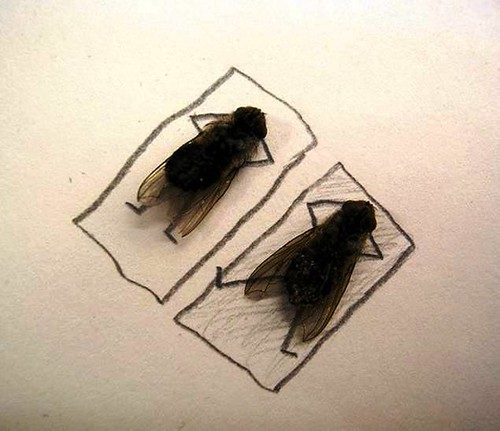
Understanding why flies die in your house helps you prevent future visits and improve your home’s cleanliness and comfort. By reducing accessible food, sealing entry points, and using targeted control measures, you can minimize both live flies and the dead ones that follow.
Share your experiences below: have you noticed particular winter or summer patterns with flies in your home? What steps have helped you most, and did a pest professional assist in solving the issue?
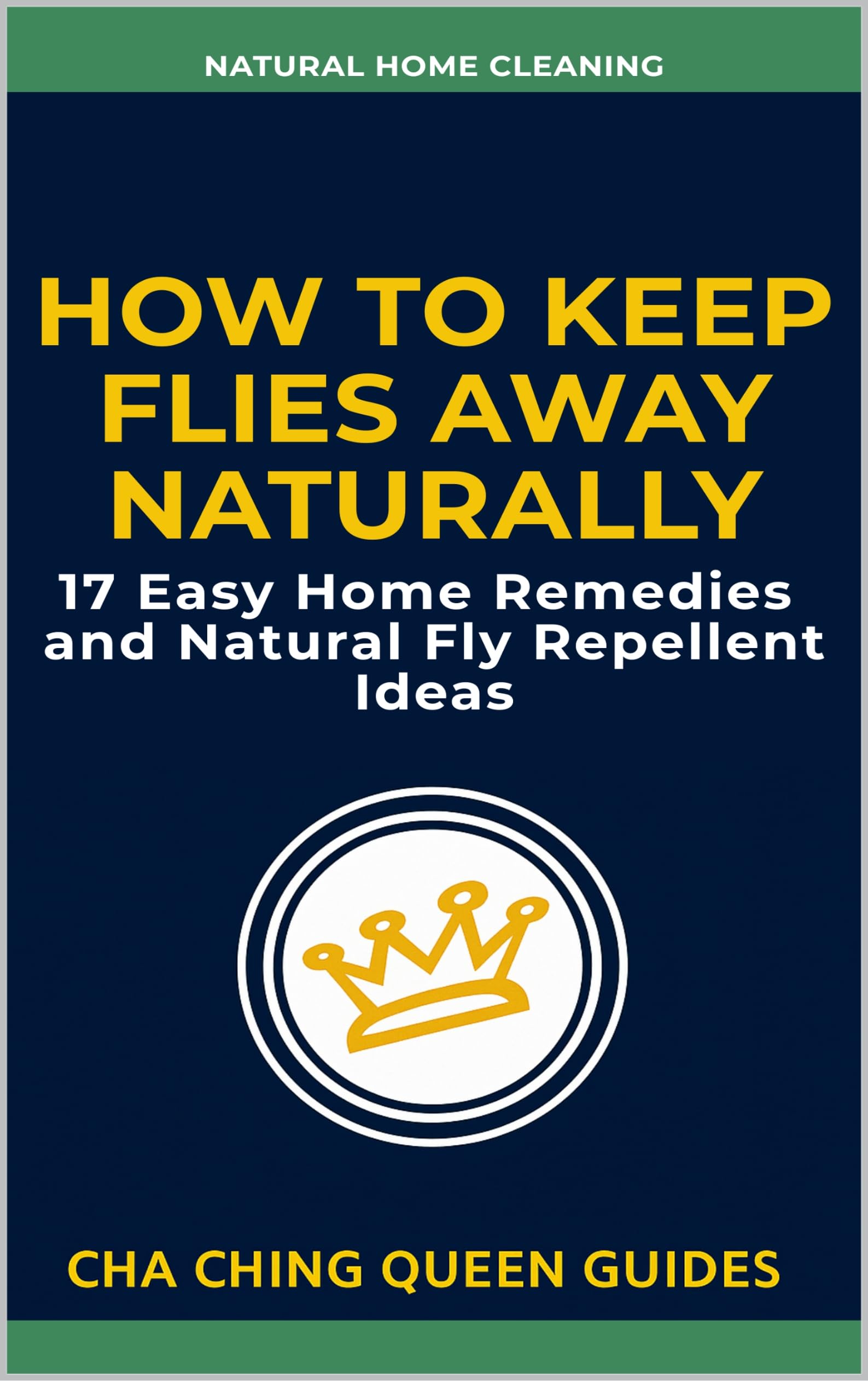
Handle the fly problem from the inside out with this practical guide that compiles natural, family-friendly methods to deter and reduce flies in the home. It’s ideal for readers seeking budget-friendly, DIY remedies to complement physical traps and traps you might place around entryways or windows.
Best for: Best for Beginners
Why pick this: Provides straightforward, home-based remedies that can complement physical fly-control products already in use.
Skip if: You need a product designed exclusively to trap or kill flies outdoors; this is mainly a how-to guide.
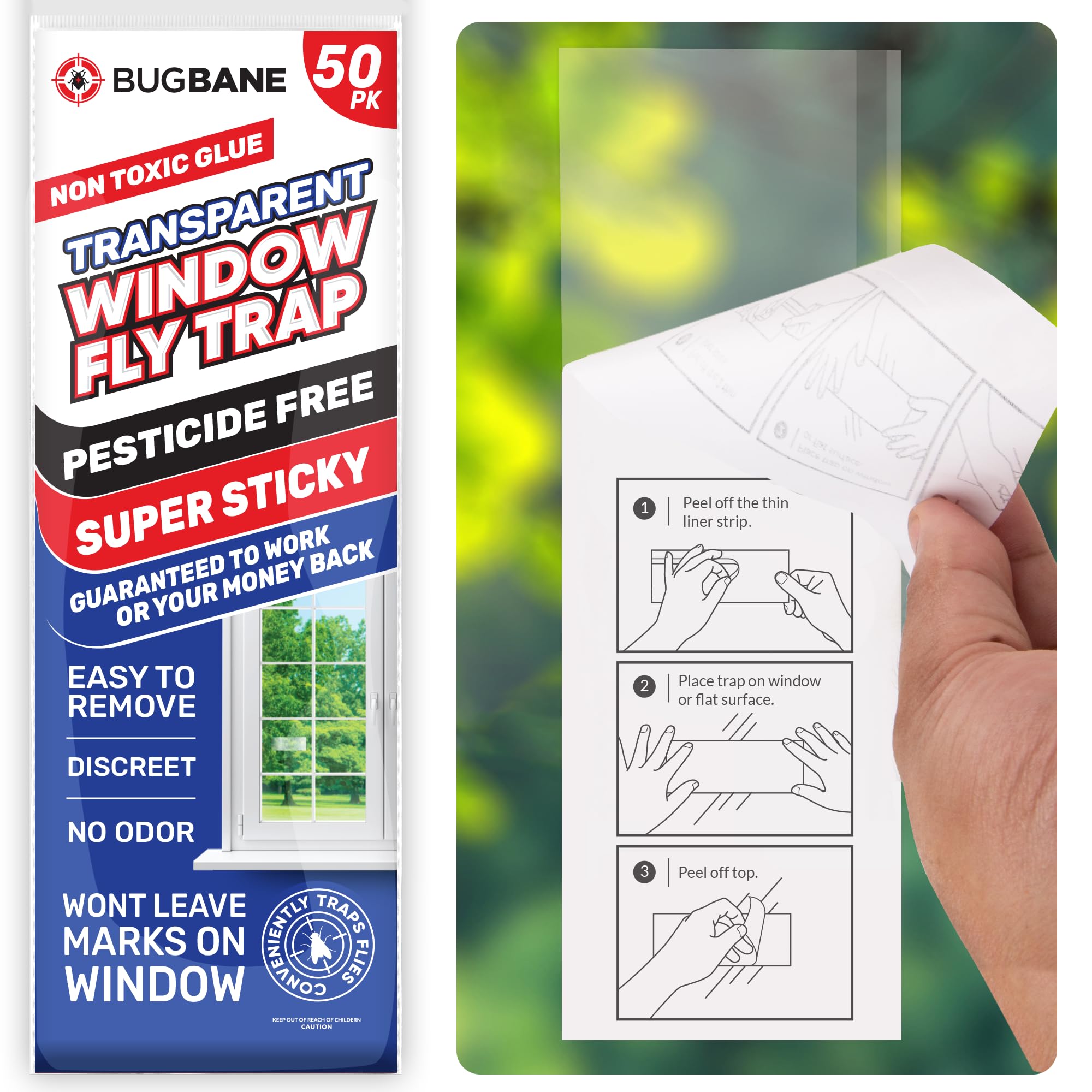
Non-toxic, ready-to-use window fly traps designed to catch common houseflies and fruit flies indoors. These window traps provide a simple, discreet solution for quick fly reduction in kitchens, living rooms, and other high-traffic areas without harsh chemicals.
Best for: Best Budget
Why pick this: An affordable, low-effort option that can be deployed near windows where flies enter the home.
Skip if: You need a trap with outdoor effectiveness or a more chemical-based solution.
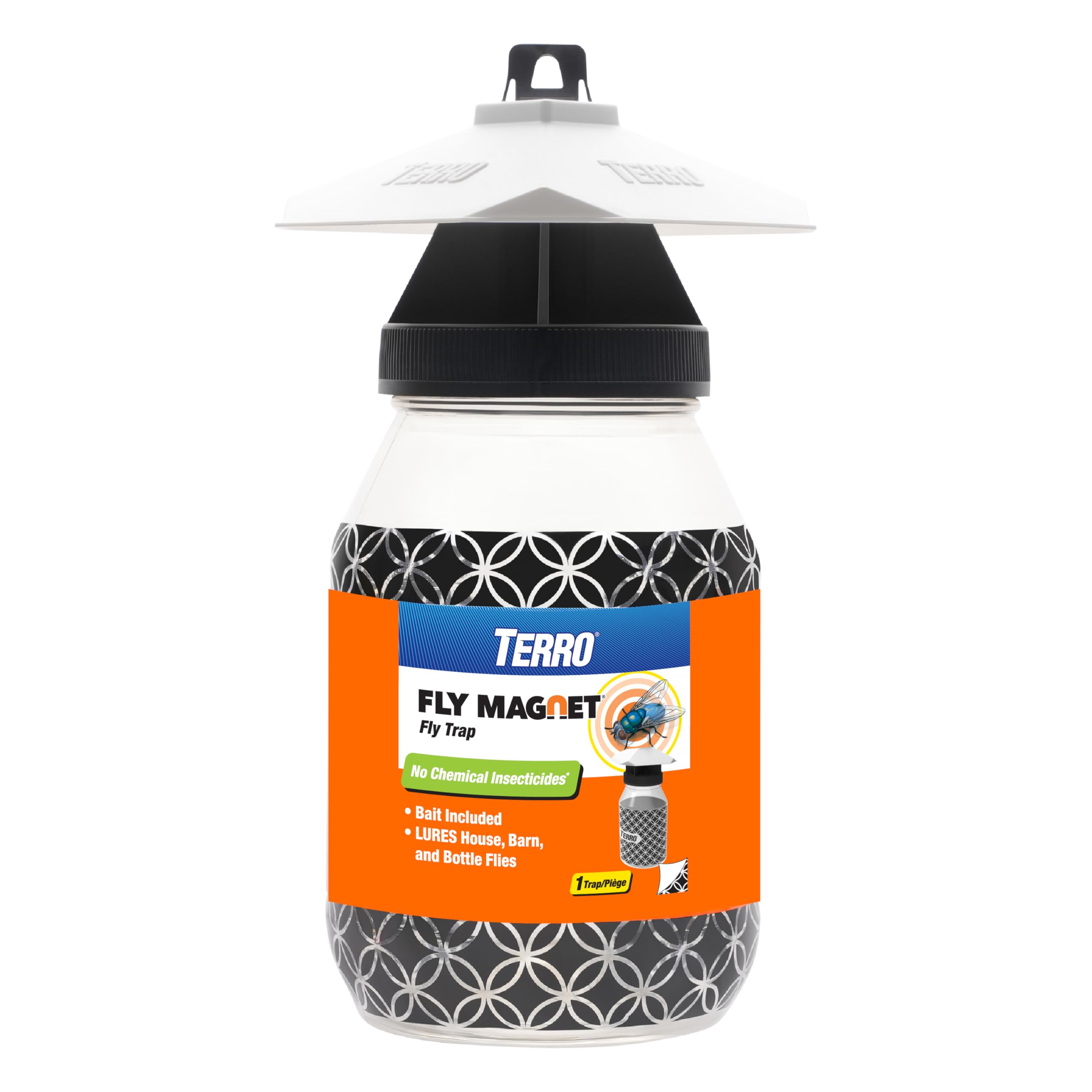
Reusable outdoor fly trap that uses bait to attract and capture flies around patios, decks, and barns. It’s designed for outdoor use, offering a poison-free alternative to control stubborn fly populations in larger spaces and vented areas.
Best for: Best Heavy-Duty Outdoor
Why pick this: Specifically targets outdoor fly populations, reducing indoor fly incursions by removing sources outside.
Skip if: You need an indoor-only solution or a non-outdoor setup.
Flies buzzing around can be an annoying nuisance, and it's no surprise if you've found a few of them becoming unwelcome houseguests. Understanding why flies tend to die in our homes often comes down to a mix of their search for food, warmth, and water, as well as the physical barriers we unintentionally create when we close our doors and windows. By keeping our spaces clean and using natural deterrents, we can minimize these pesky visitors and create a more comfortable environment for ourselves.
Next time you come across a deceased fly, remember that it’s just a part of the cycle we sometimes encounter in our living spaces. By keeping your home tidy and being mindful of potential attractants, you can help reduce the fly population. If you're curious to learn more about home tips and tricks, feel free to follow our journey on Instagram where we share insights and ideas for a more harmonious living space. Here’s to creating a fly-free zone in your home!


