Cultural preservation architecture plays a vital role in maintaining the integrity of our shared heritage while adapting structures to meet modern needs. This specialized field not only protects historic buildings and districts but also honors the memories and traditions that have shaped communities for generations. Did you know that UNESCO recognizes heritage as both tangible fabric and intangible traditions, guiding preservation efforts worldwide?
As we dive deeper into the multifaceted world of cultural preservation architecture, we'll uncover how it integrates community, sustainability, and innovative approaches to keep our historic sites relevant and functional for future generations.
Culture, memory, and place intersect in a field that quietly shapes how we live with our past: cultural preservation architecture. In short, it safeguards historic buildings, districts, and landscapes while enabling thoughtful reuse that serves today’s needs.
Its importance lies in balancing authenticity, materials, setting, and community value with climate resilience, accessibility, and safety. The practice translates heritage into adaptable, durable spaces rather than museum-like neglect or irreversible modernization, and it asks: how can a place remain meaningful and usable for current and future life?
UNESCO and national heritage bodies frame heritage as both material fabric and non-material traditions, guiding how projects are planned and executed. The aim is to keep sites meaningful, usable, and resilient for contemporary life while honoring their origins. Washington State DAHP – preservation of historic properties provides a state-level perspective on how preservation law, policy, and practice guide management of cultural resources within a governing framework that shapes local projects.
The term describes an architectural discipline dedicated to protecting built heritage that embodies a community’s values, history, and identity. It goes beyond “old buildings” to include districts, landscapes, and even intangible cultural practices tied to place. UNESCO and national heritage bodies frame heritage as both material fabric and non-material traditions, guiding how projects are planned and executed. The aim is to keep sites meaningful, usable, and resilient for contemporary life while honoring their origins.
Successful cultural preservation architecture follows widely accepted standards that aim to retain significance while accommodating present-day use. In the United States, the Secretary of the Interior’s Standards for the Treatment of Historic Properties—Preservation, Rehabilitation, Restoration, and Reconstruction—are widely used by agencies like the National Park Service. UNESCO’s frameworks and the Historic Urban Landscape approach guide city-scale integration of heritage into planning and development. The through-line is clear: preserve what matters, repair what’s damaged, and adapt what can be repurposed without erasing essential character.
For readers pursuing formal training in preservation, consider structured academic pathways that deepen understanding of conservation theory and practice. The Preservation and Cultural Heritage Certificate at Iowa State University exemplifies how universities translate heritage theory into professional capability. Regional programs, such as the Historic Preservation Program | University of Oregon, integrate architectural history, conservation science, and community engagement to equip practitioners for real-world projects. For readers seeking foundational reading, the broad catalog of scholarship in historic preservation architecture books offers case studies, methods, and historical context.
Practitioners blend technical surveys with rigorous historic research to decide what to preserve and what to adapt. Documentation, condition assessments, and careful selection of intervention methods are essential. Interventions should be minimal, reversible where feasible, and respectful of original fabric and craftsmanship. Collaboration with local communities ensures that cultural values are reflected in design decisions, so the project serves both heritage and people.
UNESCO’s work on cultural heritage shows how preservation can support identity, education, and sustainable development. Case studies from Abu Simbel to Angkor illustrate how international collaboration, governance, and technology safeguard irreplaceable sites for future generations. In practice, cultural preservation architecture blends architectural work with policy planning, funding mechanisms, and public engagement to ensure long-term stewardship. The World Heritage framework demonstrates that preserving places of outstanding universal value can coexist with education, tourism, and local livelihoods.
Whether you’re working on a listed building, a historic district, or a cultural landscape, a thoughtful approach can guide decisions. Consider:
What is cultural preservation architecture, and why does it matter? It’s about protecting places that tell a community’s story while ensuring they remain useful and safe today. How do you balance preservation with modern needs? Through careful planning, minimal interventions, and thoughtful adaptive reuse that keeps the building’s character intact. What standards guide practice? The Secretary of the Interior’s Standards and UNESCO guidelines are widely used, with local regulations adding additional requirements.
Modern preservation practice often relies on digital documentation and analysis tools. Examples include:
Avoid over-intervention that erases original character, and steer clear of purely cosmetic treatments that don’t address underlying fabric or function. Engage stakeholders early, document thoroughly, and ensure that any changes are reversible where feasible to allow future generations to adapt or revert as needed.
As cities confront climate change, urbanization, and social equity challenges, cultural preservation architecture increasingly embraces resilient design, inclusive governance, and community storytelling. The goal is not to freeze history in time but to create ongoing relevance, ensuring historic places continue to serve people while honoring their origins.


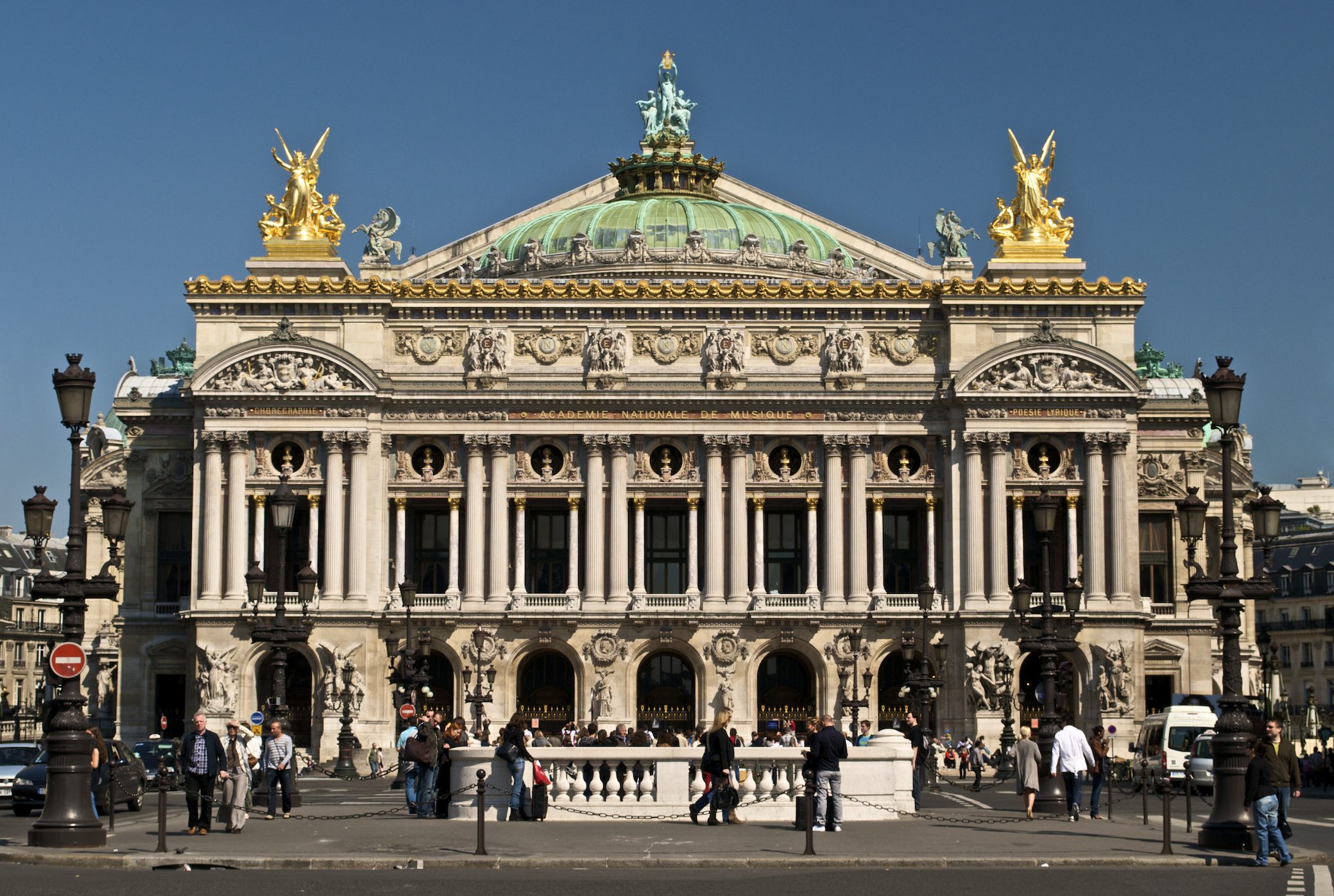

Have you worked on a preservation project or visited a site where culture and architecture intertwined to tell a story? Share your experiences, questions, or tips in the comments below. If you’ve got a project in mind, tell us what matters most to you—heritage significance, community value, or a thoughtful path to adaptive reuse—and we’ll explore practical steps together.

This book explores how cultural landscapes—integrating natural and built environments—inform preservation practice. It’s particularly useful for students, designers, and professionals studying heritage conservation, landscape architecture, or planning who want to understand how cultural values shape preservation decisions.
Best for: Cultural heritage planners, landscape architects, and students exploring heritage-informed preservation
Why pick this: Provides a comprehensive framework for balancing natural and cultural values in preservation projects, useful for both classroom learning and professional application.
Skip if: You need a practical field manual focused on a single building rather than landscape-scale preservation.

This volume highlights the architectural significance and preservation of historic barns in Southeastern Pennsylvania, offering detailed documentation of barn forms, construction techniques, and conservation approaches. It’s ideal for researchers, local historians, and preservationists focused on rural structures.
Best for: Researchers and practitioners preserving agricultural heritage and historic rural architecture
Why pick this: Offers in-depth architectural analysis and preservation context for a specific category of cultural heritage—historic agricultural buildings.
Skip if: You’re seeking a broad urban-preservation reference rather than a rural-structure focus.

This collection presents key philosophical and historical debates in cultural heritage conservation, making it especially useful for students, professors, and professionals who want to engage with the conceptual foundations of preservation practice.
Best for: Academics and practitioners exploring conservation theory and ethics
Why pick this: Provides essential readings that clarify underlying principles guiding cultural heritage preservation decisions.
Skip if: You need a practical, how-to guide for hands-on conservation techniques rather than theoretical perspectives.
Cultural preservation architecture is more than just a design choice; it's a heartfelt commitment to keeping our history alive. By honoring and maintaining our architectural heritage, we not only celebrate the stories and cultures of generations past but also create vibrant, engaging environments for future generations. Whether it's restoring historic buildings or thoughtfully integrating modern structures with traditional elements, cultural preservation serves as a bridge connecting the past with the present, enriching our communities and enhancing our identities.
As we wrap up our exploration of cultural preservation architecture, I encourage you to dive deeper into this fascinating world. There’s always more to learn, and I’d love for you to join me on this journey! You can find fantastic images and inspiration on our Instagram, where we highlight the beauty of architecture and preservation in everyday life. Let's stay connected and continue celebrating the rich tapestry of our cultural heritage together!


