Choosing the right color grout to use with white tile can transform your space and significantly influence its overall aesthetic. The grout you select is not just functional; it plays a pivotal role in enhancing or softening the impact of your white tile. From achieving a seamless, minimalist look to making a bold, graphic statement, the right grout color can either blend harmoniously or create striking contrast. Did you know that using dark grout can actually highlight imperfections but also requires more meticulous cleaning? This choice and others will be explored in-depth to help you find the perfect balance for your vision.
As we dive deeper, you’ll discover how to choose a grout that complements your white tile while considering both aesthetics and practicality. Whether you're looking for elegance, warmth, or a touch of playful color, your grout color choice can set the perfect tone for your space.
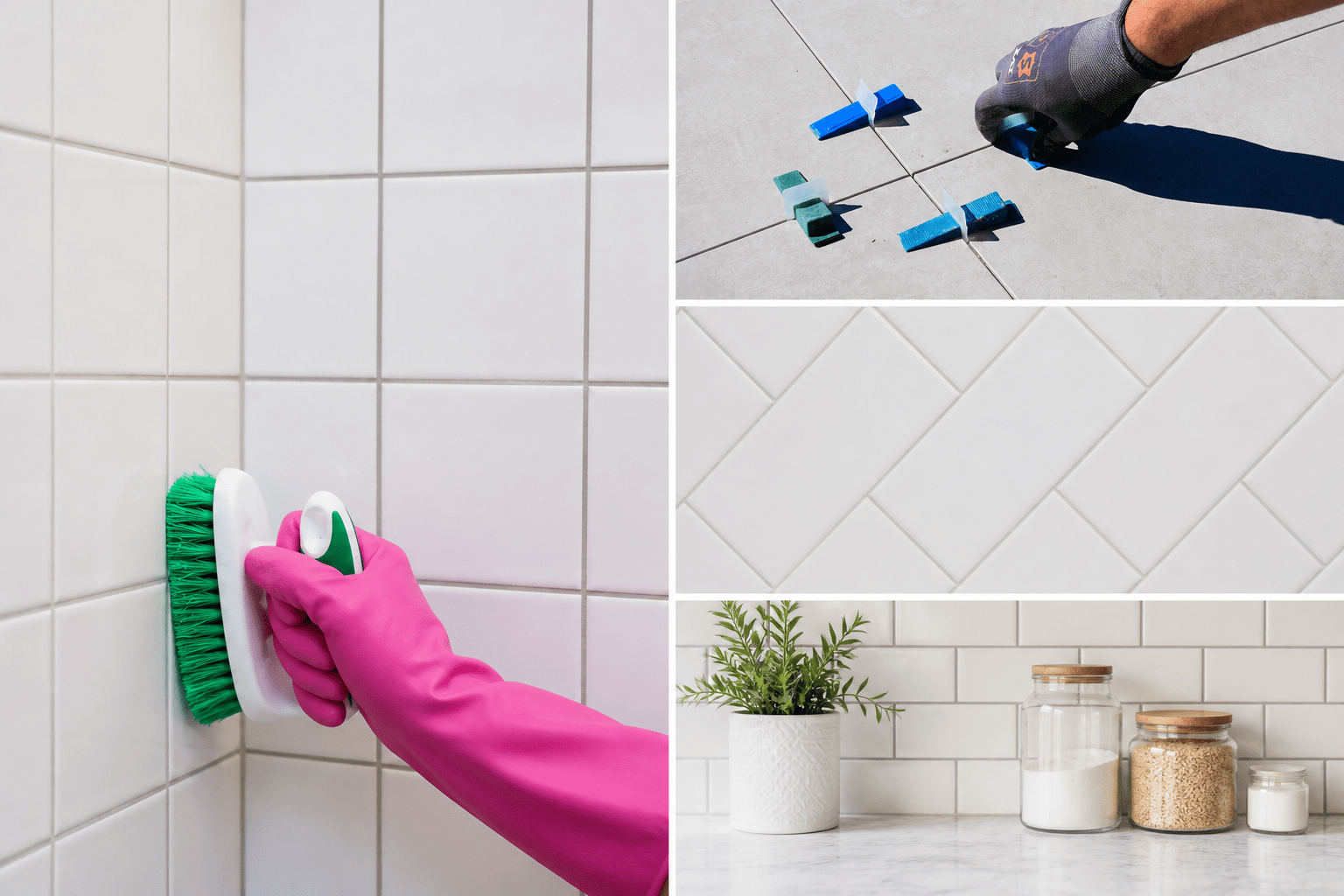
Choosing The Right Color Grout To Use With White Tile can transform a space from stark to inviting, from clinical to cozy. The grout you select not only seals joints but also sets the overall mood—from seamless minimalism to bold definition. Here’s a practical, friendly guide to help you pick a grout color that matches your style, maintenance expectations, and the specific white tile you’re working with. For broader context and guidance on color considerations, see Tile grout color ideas and guidance.
| Grout Look | Visual Effect | Maintenance Considerations |
|---|---|---|
| Seamless, White-On-White | Reads as a single, expansive surface; tiles appear continuous. | Prone to showing stains; requires regular sealing and cleaning. |
| Soft Contrast (Gray or Beige) | Defines joints with subtlety; adds depth without heavy contrast. | Generally easier to keep clean than white; consider mid-tone options for dirt concealment. |
| Bold Contrast (Charcoal, Black, Deep Navy) | Highlights the grid; creates a graphic, statement look. | Dark grout can show certain imperfections; regular cleaning helps maintain crisp lines. |
When you pair grout with white tile, you’re deciding how much of the joints you want to see and how much the tile will pop as a pattern. White tile reads differently depending on whether the grout disappears, blends in, or outlines the grid. Here are common, reliable choices and the aesthetics they create. For DIY approaches to grout and tile color decisions in bathrooms featuring white tile, see Bathroom DIY tips for grout and tile.
Using white grout with white tile creates a seamless, expansive surface that can make rooms feel larger and brighter. This is especially popular for small bathrooms or kitchens where you want to maximize light. However, white grout can stain or discolor more readily, so regular sealing and maintenance are helpful to preserve the pristine look. For many designers, this is a timeless baseline that amplifies a minimalist aesthetic.

Light to mid-gray grout provides a gentle contrast that defines each tile’s edge without creating a high-contrast outline. This option is a modern, low-maintenance compromise that hides dirt better than pure white grout while keeping the space feeling fresh and contemporary. Gray grout is a popular middle ground for subway tiles and marble-like whites alike.
Beige, taupe, or warm gray grout adds warmth and a touch of texture to white tile. It softens the starkness of white and pairs nicely with natural materials like wood or stone. This choice suits traditional, farmhouse, or coastal-inspired spaces where warmth is key.
Dark gray or black grout around White Tile creates a striking, graphic effect that highlights the tile grid and pattern. This look works especially well with subway tile or geometric layouts. Keep in mind that dirt and imperfections may show more easily on darker grout, so committed cleaning is needed for a pristine finish. For readers testing several grout colors, consider testing with tile grout color sample kits.
Deep blues like navy or charcoal can read as a sophisticated alternative to black. They deliver drama without feeling as stark as pure black, and they pair beautifully with cool-toned fixtures and metals.
Bold grout colors—sage green, soft teal, or muted blush—can turn a white tile tile into a canvas for color. This approach is more design-forward and works well for accent walls, feature niches, or creative bathroom/kitchen spaces. Use color strategically to complement or highlight other elements in the room.
White subway tile is a classic centerpiece for kitchens and bathrooms. For subway tile, gray grout (light or mid-tone) is a popular choice for durability and maintenance, offering a visible but not overpowering grid. White grout remains traditional for an ultra-clean, contemporary look, but spot-cleaning and sealing are essential in high-traffic areas. For practical DIY guidance on grout and tile color decisions in bathrooms, refer to Bathroom DIY tips for grout and tile.
White marble often carries subtle veining and warmth. A light gray grout tends to highlight the veining while preserving a refined, airy feel. Beige or taupe grout can harmonize with the natural warmth of marble, creating an integrated, sophisticated surface. Avoid ultra-dark grouts if you want to maintain the marble’s delicate character and brightness. If you’re exploring color choices, consider the guidance on grout color ideas and how color interacts with white marble from editorial resources in the tile category.

Backsplashes in kitchens face spills and staining more than other surfaces. Lighter grouts (white or light gray) emphasize a clean, bright kitchen, while medium grays mask everyday splashes better. If you want a touch of personality, a warm beige can add depth without feeling heavy. For high-traffic areas, consider epoxy-based grout or a stain-resistant cementitious grout to reduce maintenance. For additional context on tile installation decisions, see the tile grout guidance article linked above.
Use this quick, actionable process to arrive at a confident decision:
With white tile, the grout choice is a powerful design lever. Whether you crave a crisp, minimalist look or a bold, pattern-defining effect, there’s a grout color that fits. Share your tile size, room type, and lighting if you want three tailored grout color recommendations with maintenance notes.
Have you experimented with grout colors in your own spaces? Tell us about your tile size, room, and lighting, and drop a photo in the comments. If you’ve found a color that truly makes white tile sing, you can inspire others by sharing your experience here.


Grout Pen White Tile Grout Paint Marker Restorer is a waterproof, colorant-and-sealer pen designed for quick, precise touch-ups to white grout lines. It’s especially useful for homeowners and DIYers looking to refresh grout between tiles in kitchens and bathrooms without a full regrouting. The narrow 5mm tip helps you target small lines and keep surrounding tiles clean.
Best for: Homeowners performing quick, precise white grout touch-ups on tile surfaces in kitchens or bathrooms
Why pick this: Ideal for small zones and quick refreshes without regrouting.
Skip if: You need to perform large-scale grout replacement or deal with widespread staining beyond touch-ups.

Red Devil 0425 is a pre-mixed tile grout designed for professional quality results with strong adhesion, suitable for both walls and floors. This white grout is a convenient option for homeowners tackling mid-to-large grout projects where consistent color and reliability matter. It’s a solid choice when you want a ready-to-use product that reduces mixing steps.
Best for: Homeowners and DIYers doing mid-to-large white grout installations with straightforward application
Why pick this: Quick, ready-to-use formula reduces mixing errors and speeds up installation.
Skip if: You need a custom color or a specialty grout for unusual tile patterns.

Custom Building Products SimpleFix Indoor Grout in Alabaster is a ready-to-use grout option designed for indoor tile installations. This product is suitable for DIYers and professionals seeking a reliable, easy-to-apply grout that complements white tile with a soft, neutral tone. It’s particularly convenient for projects where a consistent, light color finish is desired across larger areas.
Best for: Beginners and hobbyists tackling indoor white-finish tile installations with an alabaster shade
Why pick this: Easy to work with for first-time tile projects and projects requiring a uniform light color.
Skip if: You need a bright white or specialty color beyond alabaster.
Choosing the right grout color to pair with your white tiles can truly transform your space. Whether you're looking for a timeless classic with grey or aiming for a bold statement with a dark hue, the perfect grout can highlight your tile's beauty and enhance the overall aesthetic of your room. White tiles provide a blank canvas, so let your creativity shine through! Don’t forget to consider the maintenance and the ambiance you wish to create – a lighter grout may require more upkeep, while a darker one can add depth and drama to your design.
Whatever choice you make, remember it’s all about what feels right in your home. I hope this guide has helped you navigate the world of grout colors! If you're looking for more inspiring ideas, I invite you to connect with me on Instagram where we share plenty of tips, trends, and stunning designs that can help elevate your space even further. Your perfect room awaits, so have fun with your design journey!


