Discovering a wasp nest in house siding can be a daunting experience, as these insects are not only a nuisance but can present safety risks for your household. Identifying the telltale signs of wasp activity, such as frequent wasp traffic and faint buzzing inside your walls, can help you take quick action before the nest grows larger and more challenging to manage. Understanding the types and entry points of these nests is crucial in addressing the issue safely and efficiently. Below is a table illustrating common types of wasp nests and entry points that could lead them to infest your home.
| Type of Wasp Nest | Characteristics | Common Entry Points |
|---|---|---|
| Umbrella-shaped Nests | Open combs visible, typically constructed under eaves | Loose siding, soffits, rooflines |
| Enclosed Aerial Nests | Spherical or ovoid, made by hornets and certain yellowjackets | Cracks in walls, damaged screens |
| Ground Nests | Subterranean, common with yellowjackets | Foundations, attic vents |
Discovering a wasp nest in house siding can be a jarring discovery, but understanding what you’re facing helps you act quickly and safely to protect your family and pets.

Early indicators point you in the right direction: repeated wasp traffic near a specific siding spot, faint buzzing inside walls or ceilings, and often a spike in indoor sightings as summer peaks. Watch for wasps entering and exiting the same crack or gap, and check foundations, attic vents, and siding for activity. The sooner you spot these signals, the easier it is to plan a safe, effective response.
| Type of Wasp Nest | Typical Location | Key Clues |
|---|---|---|
| Umbrella-shaped Nests | Under eaves or soffits | Open combs visible; gaps in roofline or loose siding nearby |
| Enclosed Aerial Nests | Inside walls or hidden corners | Sphere or oval shape; cracks in walls or damaged screens as entry points |
| Ground Nests | Near foundations, under porches, or garden beds | Wasps hovering around soil, warm surface spots, or disturbed ground |
Wasp activity often starts where sheltered spaces meet tiny openings. Look for:
Seal obvious gaps once the colony is fully neutralized to avoid new entry points, and avoid DIY removal that could provoke stings. When in doubt, enlist a licensed pest control professional who uses environmentally responsible methods.

If a nest is confirmed inside or under your siding, professional intervention is the safest route. Experts can perform targeted, low-impact treatments and seal entry points after the colony is dead. Key considerations include:
For an expert-backed guide on deciding when removal is appropriate, consider consulting Getting rid of wasp nests (Michigan State University Extension).
Choosing environmentally mindful methods helps protect pollinators and local wildlife. Favor pest control firms that follow federal guidelines for pesticide use and prioritize safe, effective applications. Staying vigilant about wasp activity keeps your home comfortable and safe.
If you’re looking for practical control strategies for paper wasps, yellowjackets, and other stinging insects around homes, check out this resource.
What has worked for you when dealing with wasps around siding or walls? Have you found a method that’s both effective and kind to pets and the environment? Share your experiences in the comments below. You might also want to consider commercially available nest removal tools or protective gear for assembling a basic home toolkit.

Ground-nesting wasps often establish colonies near foundations, under porches, or in garden beds. They can be harder to spot until activity is obvious, but you’ll notice wasps hovering around soil, warm surface spots, or disturbed ground.
Certain home situations can create attractive entry points for stinging insects. Look for:
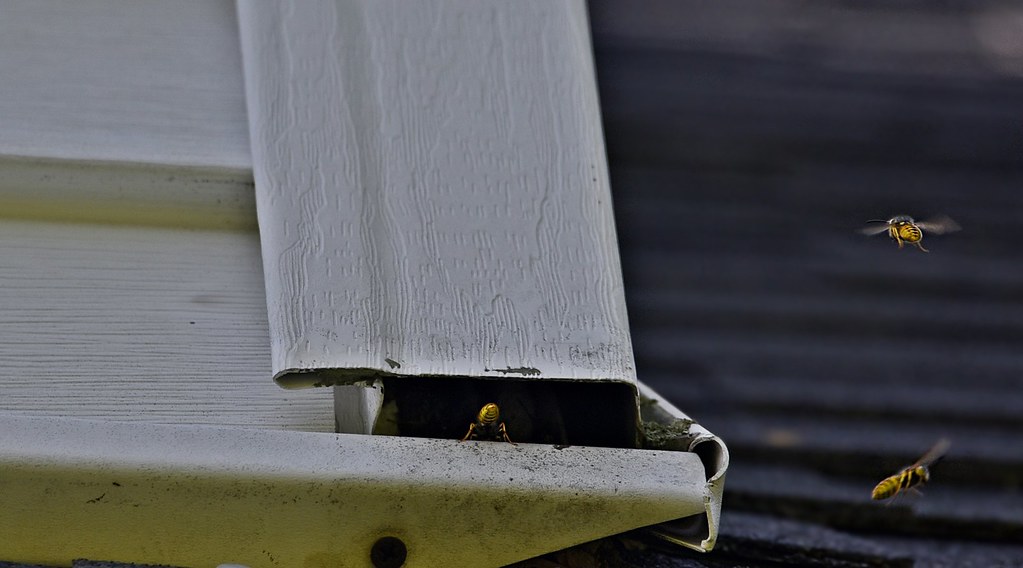
Wasp colonies can become defensive if disturbed. Take care not to provoke wasps during any inspections or treatments.

Detailed, secondary, process, interior, exterior, historical, or contextual images beside the sections they best support.

In some cases, you may encounter several nests in a single area. Identify and address each colony as needed, prioritizing safety.

Nests vary in shape and structure. Recognizing the type can help you describe the issue to a professional and understand potential risks.

As we wrap up our discussion on dealing with wasp nests in house siding, it's important to remember that safety should always be your top priority. Whether you’re a DIY enthusiast or prefer to call in a professional, knowing the risks involved can make all the difference in protecting yourself and your home. The thought of those buzzing critters taking residence can be daunting, but with the right approach, you can reclaim your space and enjoy your home to the fullest.
If you found this information helpful, I’d love for you to stay connected and explore more tips on home improvement and maintenance! Follow us on our Instagram page for more inspiring ideas and updates. Remember, whether it’s about wasps or any other home concerns, you’re not alone in this journey. We’re all in this together, and sharing insights can make managing our homes just a little bit easier!


