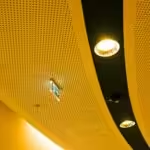

Achieving the right ambiance through lighting is pivotal in architectural design and home renovation. This list ranks the top 10 lighting ideas that enhance home ambiance, considering factors such as material use, design intent, spatial layout, and renovation feasibility. Each entry provides concrete design takeaways along with caveats or tradeoffs, to help Architecture Adrenaline readers compare options thoughtfully.
1. Layered Lighting with Dimmer Controls
Layered lighting combines ambient, task, and accent lights to achieve balanced home ambiance. Using dimmer controls allows for nuanced manipulation of light intensity according to activity or mood, enabling spaces to adapt seamlessly. A concrete advantage is the flexibility in scenes, but integrating dimmers often requires upfront electrical planning and compatible fixtures, which can elevate renovation costs.
2. Recessed Downlights for Minimalist Ambiance
Recessed downlights provide a clean, unobtrusive ceiling installation promoting minimalist ambiance by focusing light downward subtly. They are versatile for modern layouts and materials, maintaining architectural integrity without visual clutter. Caution lies in potential harsh shadows if improperly spaced; careful layout design is crucial to avoid uneven illumination or excessive glare.

3. Pendant Lighting as a Focal Element
Pendant lighting emphasizes vertical space and can serve as a sculptural focal point above dining areas or kitchen islands. Materials vary from glass to metal, allowing tailored expression of style and warmth. However, pendant size and height must correlate with ceiling height and room scale to prevent overpowering smaller spaces or interfering with movement.

4. Warm LED Strip Lights for Accentuation
Warm LED strip lights have gained popularity for discreet accentuation along coves, under shelves, or stair treads, highlighting architectural details and creating inviting warmth. They consume low energy and offer color temperature options but require careful concealment of fixtures and skilled installation to avoid uneven light spots or visible wiring, impacting aesthetic cohesiveness.

5. Statement Chandeliers with Modern Materials
Modern statement chandeliers leverage materials like brushed metals, glass, and mixed textures to create impactful centerpieces that simultaneously illuminate and decorate. Their design elevates a room’s identity but demands sufficient ceiling height and structural support. Additionally, large fixtures can complicate cleaning and bulb replacement over time.

6. Cove Lighting to Soften Architectural Lines
Cove lighting softens architectural lines by illuminating hidden recesses or ceilings indirectly, producing ambient light that reduces harsh shadows and enhances spatial perception. It pairs well with plaster or wood materials that diffuse light effectively. The primary challenge involves integration during construction or renovation, as retrofit installation can be complex and costly.

7. Smart Lighting Systems for Dynamic Control
Smart lighting systems enable users to control brightness, color temperature, and scheduling via apps or voice commands, aligning lighting with changing natural light or activity patterns. This technology supports energy efficiency and personalized ambiance but relies on network infrastructure and can have a learning curve or compatibility issues with existing fixtures.

8. Floor and Table Lamps with Sculptural Forms
Floor and table lamps with sculptural forms add both functional light and artistic statement, supplementing fixed lighting layers while providing versatility in placement and style. Designers often select materials like ceramics, metals, or textiles that complement room decor. However, cords and placement must be managed to maintain safety and avoid clutter in traffic paths.

9. Natural Light Integration with Skylights
Natural light integration through skylights or large windows maximizes daylight, complementing artificial lighting and improving atmosphere quality. Materials like low-E glass optimize thermal performance while letting in diffused sunlight. A caveat includes potential glare or heat gain, requiring shading solutions and careful orientation planning within the architectural layout.

10. Outdoor Ambient Lighting to Extend Living Spaces
Outdoor ambient lighting extends living spaces into gardens or patios, using fixtures like lanterns, wall sconces, or ground lights to create welcoming environments after dark. Durable materials suited for weather resistance are essential. Proper lighting design should avoid light pollution and maintain neighborly comfort, balancing ambiance with functionality.

Frequently Asked Questions
- How does layered lighting improve home ambiance?
- Layered lighting allows for versatile control over the intensity and type of light in various zones, supporting different activities and moods within a space.
- What should I consider when choosing pendant lighting?
- Consider ceiling height, room proportions, and fixture size to ensure pendants complement rather than overwhelm the space.
- Are smart lighting systems difficult to install?
- Smart systems may require compatible fixtures and good Wi-Fi coverage; professional installation can streamline setup and integration.
These top 10 lighting ideas offer Architecture Adrenaline readers a spectrum of approaches to enhance home ambiance, balancing design aspirations with practical considerations. Whether prioritizing understated recessed lights, expressive statement fixtures, or advanced smart controls, each option impacts spatial experience uniquely. Thoughtful implementation, material choice, and context-sensitive planning remain essential to achieve nuanced, lasting lighting solutions in residential architecture.
For more architecture, cities, public spaces, materials, and design ideas, browse Architecture Adrenaline’s latest guides.