These houses changed residential design by rethinking how structure, landscape, transparency, technology, and everyday living fit together. The ranking focuses on homes whose ideas traveled far beyond their sites, influencing architects, clients, and the way modern domestic space is imagined.

This ranking evaluates ten historic homes worldwide selected for their enduring architectural qualities that inform and inspire contemporary residential design. Criteria include innovative use of materials, spatial organization, integration with environment, and cultural impact on modern home living. These homes demonstrate how historic design lessons remain relevant, marrying utility with aesthetic longevity.
Ranking methodology prioritized documented architectural significance, well-preserved materiality, regional influence, and adaptability of core design elements for today’s homeowners and remodelers. Sources consulted include architectural archives, preservation society reports, and scholarly assessments.
We ranked each house by architectural influence, innovation in plan or structure, relationship to site, material experimentation, cultural impact, and how strongly it changed later residential design. Houses ranked highest when their ideas became reusable design language rather than one-off novelty.
| Rank | Entry | Why it ranks |
|---|---|---|
| 1 | Fallingwater – Pennsylvania, USA | Designed by Frank Lloyd Wright in 1935, Fallingwater exemplifies organic architecture through its masterful integration with the natural waterfall and rock formations beneath it. |
| 2 | Villa Savoye – Poissy, France | Villa Savoye by Le Corbusier, completed in 1931, is paradigmatic of the International Style emphasizing pilotis, flat roofs, open floor plans, horizontal windows, and free façade design. |
| 3 | The Gamble House – Pasadena, California, USA | The Gamble House, created in 1908 by Charles and Henry Greene in California’s Arts and Crafts style, highlights craftsmanship, natural materials—especially rich woods—and a blend of indoor-outdoor living spaces. |
| 4 | Ryoan-ji Residence – Kyoto, Japan | Ryōan-ji’s historic residence and Zen garden in Kyoto, dating to the 15th century, emphasizes minimalism and meditative spatial arrangement. |
| 5 | The Glass House – New Canaan, Connecticut, USA | Philip Johnson’s Glass House of 1949 in Connecticut showcases transparency and spatial openness through a minimal steel-and-glass structural system. |
| 6 | Chartwell Estate – Los Angeles, California, USA | Completed in 1930 by architect Sumner Spaulding, the Chartwell Estate blends French chateau elements with Southern California modernism. |
| 7 | The Red House – Bexleyheath, England, UK | The Red House, 1859 design by William Morris and Philip Webb in England is a cornerstone of the Arts and Crafts Movement, emphasizing honest materials, handcrafted details, and functional vernacular architecture. |
| 8 | Casa Batllo – Barcelona, Spain | Antoni Gaudí’s Casa Batlló, remodeled between 1904-1906 in Barcelona, employs organic shapes, vibrant ceramic tiles, and innovative structural solutions to create a fluid façade and open interiors. |
| 9 | Taliesin West – Scottsdale, Arizona, USA | Frank Lloyd Wright’s Taliesin West, established in 1937 in the Arizona desert, utilizes local stone and desert-adapted design principles to create a residence and studio harmonizing with the arid landscape. |
| 10 | Amangiri Residence – Canyon Point, Utah, USA | The Amangiri Residence, completed in 2011 but inspired by historic Southwestern vernacular, merges contemporary minimalism with regional stone masonry and expansive desert panoramas. |
Designed by Frank Lloyd Wright in 1935, Fallingwater exemplifies organic architecture through its masterful integration with the natural waterfall and rock formations beneath it. The cantilevered terraces and natural stone materials create a seamless dialogue between indoors and outdoors, offering spatial fluidity and a strong connection to nature. Its pioneering use of reinforced concrete and open floor plans influenced modern residential architecture. Fallingwater matters architecturally for establishing a precedent where site and structure unify harmoniously, a concept still vital in sustainable home design. Caution lies in its structural maintenance needs due to early experimentation with concrete technology. [Source: Western Pennsylvania Conservancy]

Villa Savoye by Le Corbusier, completed in 1931, is paradigmatic of the International Style emphasizing pilotis, flat roofs, open floor plans, horizontal windows, and free façade design. Situated outside Paris, it functions as a prototype for modern living with minimal ornamentation and functional zoning, reflecting the architect’s Five Points of Architecture. Its geometry promotes flexibility and light-filled interiors, impactful in contemporary urban housing. Architecturally, it illustrates how functional minimalism can enrich residential spatial experience. However, it necessitates careful updates for thermal comfort in new adaptations. [Source: Fondation Le Corbusier]

The Gamble House, created in 1908 by Charles and Henry Greene in California’s Arts and Crafts style, highlights craftsmanship, natural materials—especially rich woods—and a blend of indoor-outdoor living spaces. Its custom joinery and handcrafted details celebrate artisan methods rare in modern mass production. Located in Pasadena, it fosters a warm, inviting sense of home that informs today’s preference for authenticity and tactile surfaces. This home matters architecturally as a pinnacle of detail-oriented residential design with sustainable wood sourcing implications. Note that preserving handcrafted elements requires specialized restoration efforts. [Source: Gamble House Foundation]

Ryōan-ji’s historic residence and Zen garden in Kyoto, dating to the 15th century, emphasizes minimalism and meditative spatial arrangement. Its sculptural arrangement of rocks and raked gravel employs negative space and natural textures to foster reflection. The residence’s tatami layout and modularity enable flexible use of space, inspiring modern spatial rationalism and indoor-outdoor flow. Architecturally, it echoes the power of restraint, texture, and natural materiality in peaceful living environments. Limitations exist in adapting such traditional typologies directly, but the principles remain foundational. [Source: Japanese Cultural Heritage]

Philip Johnson’s Glass House of 1949 in Connecticut showcases transparency and spatial openness through a minimal steel-and-glass structural system. The home dissolves conventional room boundaries and maximizes landscape views, echoing modernist ideals of form following function. It illuminates how structural minimalism combined with transparency can create flexible, light-filled living spaces without ornamentation. The Glass House is architecturally pivotal as an early exemplar of integrating architecture and landscape through industrial materials. Practical caution includes privacy concerns and temperature regulation inherent in glass-heavy construction. [Source: Philip Johnson Glass House]

Completed in 1930 by architect Sumner Spaulding, the Chartwell Estate blends French chateau elements with Southern California modernism. Its timeless emphasis on symmetry, rustic stonework, and formal gardens communicates elegance and spatial hierarchy. The estate’s integration of indoor and outdoor entertainment areas presaged modern emphasis on adaptable living environments. This home matters for demonstrating the lasting value of combining classical design vocabulary with climatic adaptation. Owners should consider the upkeep demands of ornate masonry and extensive grounds. [Source: Los Angeles Conservancy]

The Red House, 1859 design by William Morris and Philip Webb in England is a cornerstone of the Arts and Crafts Movement, emphasizing honest materials, handcrafted details, and functional vernacular architecture. Its exposed brickwork, steep roofs, and asymmetrical layout create a warm, human-scaled home that champions artisan workmanship over industrial mass production. The home’s commitment to local materials and craftsmanship underpins many modern sustainable home design principles. Architecturally it highlights the importance of material authenticity and spatial individuality. Maintenance can be intensive given the bespoke craftsmanship. [Source: William Morris Society]

Antoni Gaudí’s Casa Batlló, remodeled between 1904-1906 in Barcelona, employs organic shapes, vibrant ceramic tiles, and innovative structural solutions to create a fluid façade and open interiors. Its use of natural forms and light wells innovates in daylighting and ventilation without sacrificing artistry. The home’s imaginative integration of function and fantasy offers timeless lessons in expressive material usage blended with modern comfort. Architecturally, it remains a benchmark for the creative synthesis of structure, surface, and light. Preservation requires sensitive restoration of fragile ceramics and custom woodwork. [Source: Casa Batlló Foundation]

Frank Lloyd Wright’s Taliesin West, established in 1937 in the Arizona desert, utilizes local stone and desert-adapted design principles to create a residence and studio harmonizing with the arid landscape. Its low profile, open courtyards, and extensive use of natural light anticipate passive environmental control strategies now central in sustainable design. The home demonstrates integration of indigenous materials with innovative modernist form. Architecturally, it exemplifies context-driven design producing enduring spatial harmony. Attention is needed for material weathering in desert conditions. [Source: Frank Lloyd Wright Foundation]

The Amangiri Residence, completed in 2011 but inspired by historic Southwestern vernacular, merges contemporary minimalism with regional stone masonry and expansive desert panoramas. Though newer, its design lessons stem from historic desert dwellings that emphasized thermal performance, privacy, and connection to nature. Its large-scale use of natural stone and integration with topography inform contemporary luxury living inspired by history. Architecturally important for illustrating how historic material strategies can translate into modern luxury residences. Its desert isolation can pose connectivity and resource challenges. [Source: design inspiration]

What design lessons can modern homeowners learn from historic homes?
Modern homeowners can learn about durable materials, context-sensitive design, spatial flow, natural light maximization, and the value of craftsmanship from historic homes.
Are historic home design principles adaptable for contemporary remodeling projects?
Yes, many historic design principles such as integrating indoor/outdoor spaces, using natural materials, and prioritizing functionality can be adapted with modern technology for contemporary living.
What should be considered when incorporating historic design elements into new homes?
Consider climate, maintenance needs, structural integrity, and the balance between aesthetic authenticity and modern comfort to ensure durable and functional outcomes.
The top 10 historic homes listed here embody timeless architectural values that remain profoundly relevant to modern living. From organic integration to honest materials and spatial innovation, these homes provide concrete lessons for homeowners, remodelers, and interior designers aiming to blend heritage design principles with contemporary needs. Embracing these lessons can result in living spaces that combine durability, beauty, and a meaningful connection with environment and culture.
For more architecture, cities, public spaces, materials, and design ideas, browse Architecture Adrenaline’s latest guides.
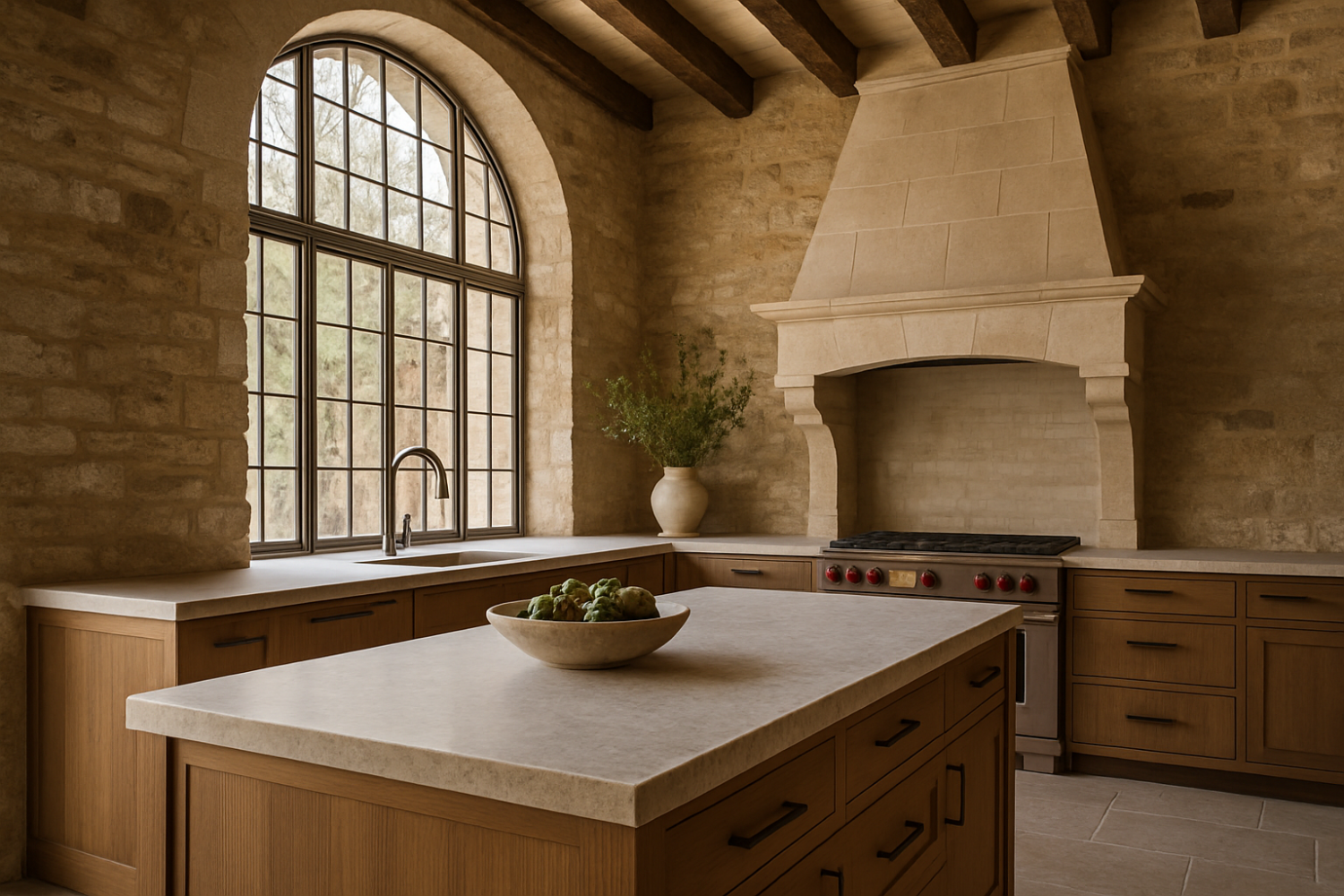
These concept images were generated to help visualize the ideas in this guide.
Further Reading & Source References