

Bridges often transcend their utilitarian role by becoming emblematic symbols of the cities they connect, dramatically influencing city skylines and urban identity. This ranking highlights ten bridges renowned not only for their innovative structural design but also for their cultural and architectural impact on cityscapes. Selection criteria included lasting visual influence, architectural innovation, and contributions to urban development. Each bridge exemplifies the intersection of engineering complexity and aesthetic distinction, shaping how citizens and visitors experience their cities.
1. Golden Gate Bridge – San Francisco
The Golden Gate Bridge is revered for its Art Deco design and its striking International Orange color, which enhances visibility in San Francisco's foggy environment. Beyond its record-setting suspension span when completed, it remains a defining element of the city skyline, visually bridging urban core and nature. Its elegant civil engineering illustrates the tradeoff between aesthetic boldness and functionality under extreme wind conditions, showcasing how design can withstand environmental challenges. However, maintenance demands remain substantial due to constant marine air corrosion, a caution for cities considering ambitious coastal bridges.
2. Brooklyn Bridge – New York City
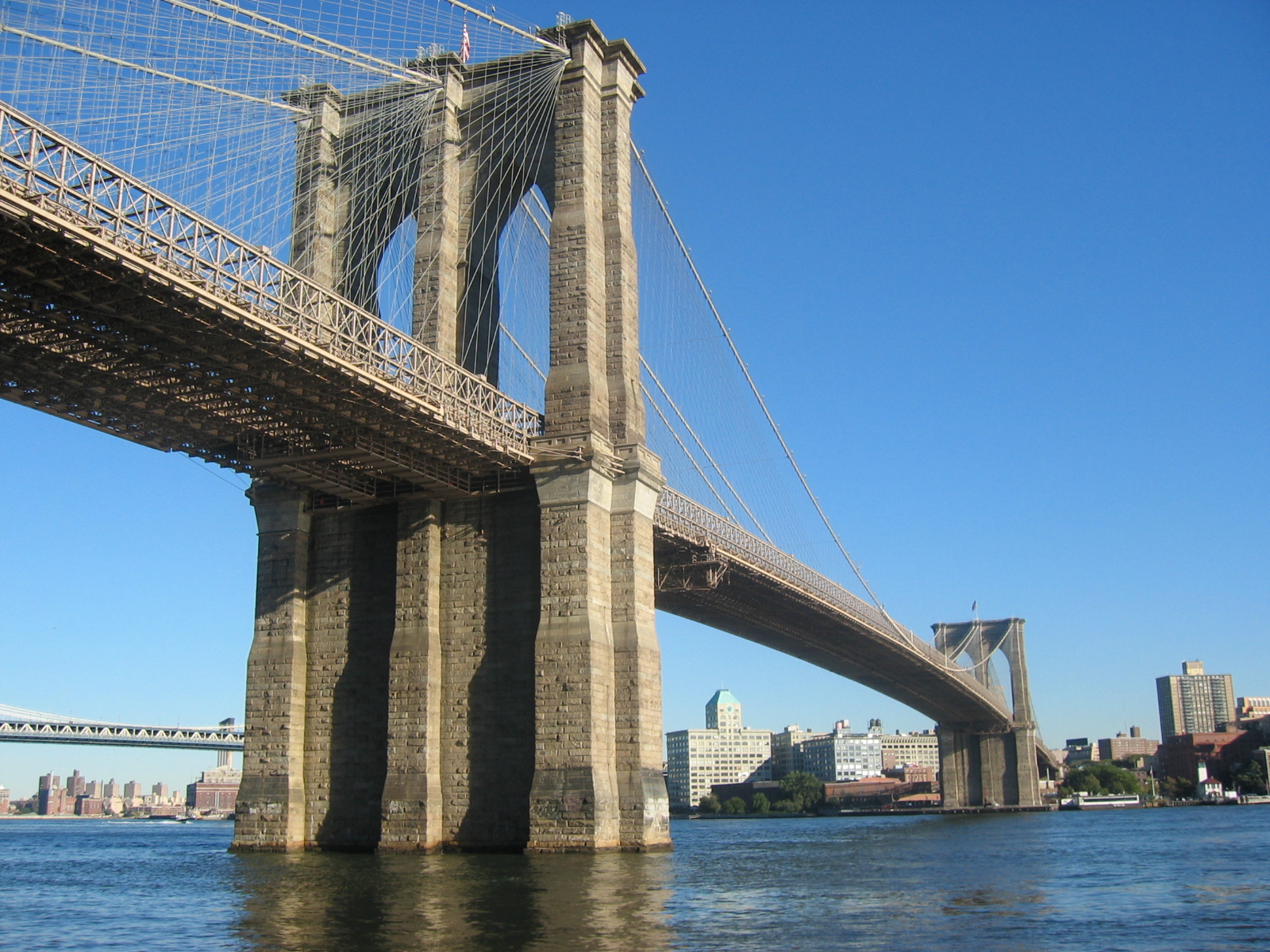
The Brooklyn Bridge is a pioneering hybrid cable-stayed/suspension bridge that transformed New York City's skyline when completed in 1883. Its masonry Gothic towers offer a dramatic vertical element framing the Manhattan skyline, symbolizing industrial progress. Its introduction expanded urban connectivity, catalyzing Brooklyn’s integration into the metropolis. The bridge demonstrates early extensive use of steel cables and appears as a literal and figurative link across the East River. Despite its landmark status, traffic congestion and aging infrastructure underscore the balance between heritage preservation and functional modernization.
3. Tower Bridge – London
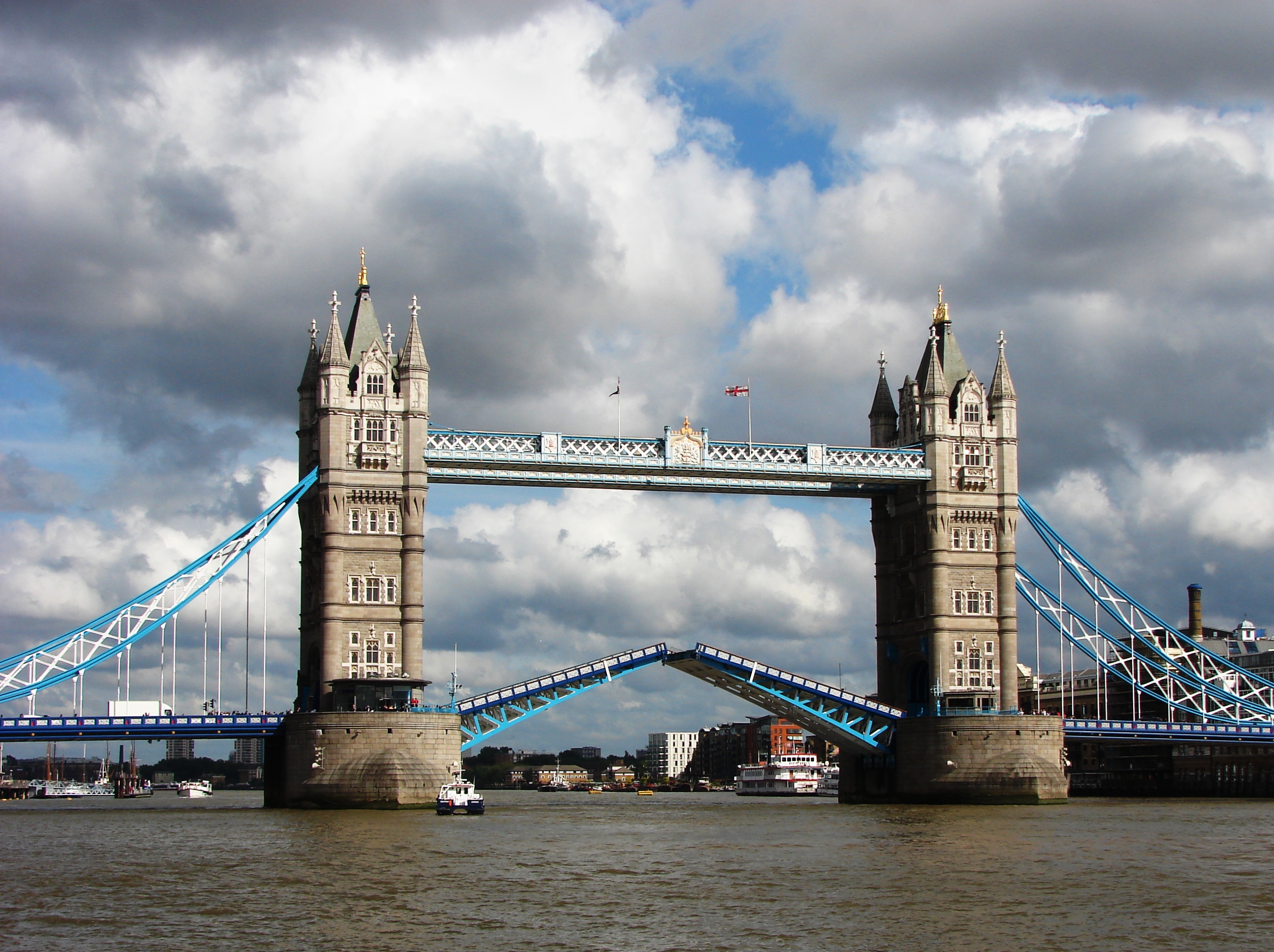
London’s Tower Bridge pairs its functional bascule mechanism with distinctive neo-Gothic twin towers, harmonizing utility and historical aesthetic. Its dual role as movable bridge and architectural icon enriches the London skyline with vertical massing rarely seen in bridges. Completed in 1894, the bridge exemplifies adaptability, allowing maritime traffic passage while maintaining city access. However, its stylistic historicism, while visually compelling, reflects the period’s design priorities which can contrast with surrounding modernity. The bridge's restricted vehicular lanes prompt considerations on balancing heritage with contemporary traffic demands.
4. Sydney Harbour Bridge – Sydney

The Sydney Harbour Bridge stands as the largest steel arch bridge globally at completion, physically and visually dominating Sydney’s harbor landscape. Its monumental arch shape creates an unmistakable silhouette complementing the nearby Opera House, jointly defining the city skyline. Opened in 1932, its robust structure symbolized Australia's industrial confidence amid economic hardship. Constructed primarily of riveted steelwork, the bridge balances immense load capacity with an elegant open arch design. Nevertheless, the sheer scale necessitates ongoing structural monitoring and limits pedestrian space along its length, a tradeoff in public accessibility versus engineering demands.
5. Ponte Vecchio – Florence

The Ponte Vecchio is distinct for incorporating active commercial use directly on the bridge structure, featuring a vibrant row of shops that animate Florence’s Arno River. This medieval stone arch bridge blends commerce and infrastructure, creating a unique urban experience and a layered skyline element. Its preservation through centuries of development cements its role as a cultural as well as architectural landmark. However, the bridge’s historic fabric imposes constraints on modernization, demanding careful tradeoffs between tourist influx and structural integrity. Its intimate scale complements Florence's historic district ambiance but limits transport functionality.
6. Millau Viaduct – Millau

The Millau Viaduct redefines modern bridge engineering with its remarkable cable-stayed spans soaring over the Tarn Valley, establishing a new benchmark for slenderness and height. Designed by Norman Foster and opened in 2004, its minimalist elegance integrates seamlessly into the natural landscape, reducing visual bulk in the rural skyline. The 343-meter-tall pylons demonstrate advanced structural innovation, distributing loads efficiently while maintaining slender aesthetics. However, its remote highway location reflects tradeoffs between landscape integration and urban visibility, mitigating direct impact on traditional city skylines but influencing regional connectivity.
7. Charles Bridge – Prague

Prague’s Charles Bridge, completed in the 15th century, commands the Vltava River with a series of Gothic stone arches that knit the historical urban core together. Adorned with baroque statues, it functions as an open-air gallery that enhances the city skyline with sculptural texture. Its medieval craftsmanship influences city heritage identity, representing synergy between engineering and artistry. Preservation challenges arise from flood risks and tourist pressure, requiring ongoing conservation balances. Unlike modern bridges prioritizing vehicular flow, Charles Bridge emphasizes pedestrian experience and historical continuity at the expense of traffic capacity.
8. Helix Bridge – Singapore

Singapore’s Helix Bridge exemplifies biomimicry and futuristic design, featuring a double-helix steel structure inspired by DNA strands, making it a striking landmark in Marina Bay. Completed in 2010, it enhances the skyline with its dynamic, twisting form which doubles as a pedestrian connector between urban precincts. The bridge integrates LED lighting technology for nighttime ambiance, showcasing how infrastructure can blend technological innovation with aesthetic impact. However, its exclusive pedestrian use limits its function relative to vehicular bridges, highlighting tradeoffs between experiential design and multi-modal transport needs.
9. Hangzhou Bay Bridge – Hangzhou

Hangzhou Bay Bridge, completed in 2008, showcases the scale and ambition of contemporary infrastructure, spanning over 35 kilometers and radically reducing travel time in Eastern China. While primarily a transport artery, its sweeping curve across the bay carves a futuristic line into the skyline, signaling regional modernity and rapid urbanization. The bridge’s design accommodates tidal forces and typhoon resilience, demonstrating engineering responses to harsh marine environments. Despite its impressive scale, the focus on functionality over aesthetic detailing marks a tradeoff prioritizing efficiency and economic utility in cityscape influence.
10. Akashi Kaikyō Bridge – Kobe

The Akashi Kaikyō Bridge in Kobe is an engineering marvel as the world's longest central span suspension bridge, completed in 1998. Its elegant yet massive cable system and towers dominate the Osaka Bay skyline, marking Japan's post-bubble era modernization. The bridge exemplifies advanced seismic design, built to withstand frequent earthquakes, reflecting the region's environmental challenges. While visually imposing, engineering rigor dictated streamlined form, balancing monumental scale with structural safety. Maintenance complexity and high costs illustrate ongoing challenges inherent in pioneering large-scale infrastructural symbols in dense urban contexts.
Frequently Asked Questions
- Q: Why do some bridges become iconic elements of city skylines?
A: Bridges become iconic when their architectural design complements or contrasts the urban fabric, symbolizing cultural identity and innovative engineering that resonates visually and historically. - Q: What is a common tradeoff in designing monumental city bridges?
A: Designers often balance aesthetic ambition with functional constraints such as structural integrity, environmental impact, and maintenance demands. - Q: How do historic bridges impact modern urban planning?
A: Historic bridges serve as cultural landmarks but may impose restrictions on traffic capacity and modernization, necessitating thoughtful integration into contemporary city planning.
These ten iconic bridges illustrate how structural ingenuity and architectural vision extend beyond utility to shape and redefine city skylines worldwide. Their diverse designs reflect the evolving relationship between urban development, engineering challenges, and aesthetic aspirations. From medieval stone arches to futuristic steel forms, each bridge not only connects places but also tells the story of its city’s identity and ambitions. Understanding the careful tradeoffs and context behind these structures provides valuable insights into the role of bridge design in urban architectural heritage and future planning.
For more architecture, cities, public spaces, materials, and design ideas, browse Architecture Adrenaline’s latest guides.
