
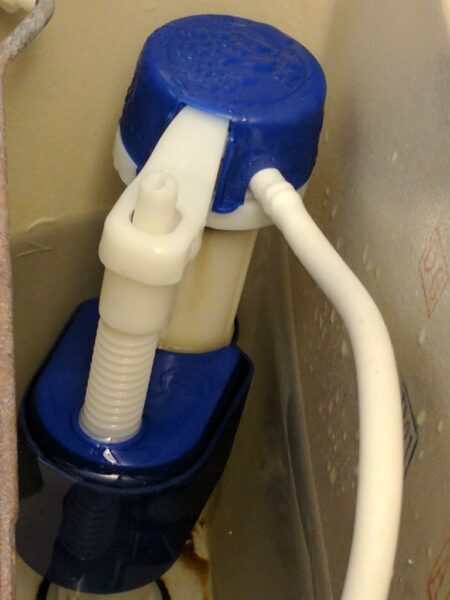
| Cause | Symptom | Solution |
|---|---|---|
| Float Arm Issue | Valve doesn't shut off, constant running | Adjust the float arm or replace if damaged |
| Worn-out Flapper | Water leaks, frequent refill cycles | Replace the flapper with a new one |
| Incorrect Water Level | Water overflows, continuous refilling | Adjust the fill valve to correct water level |
Understanding the Role of the Float Arm
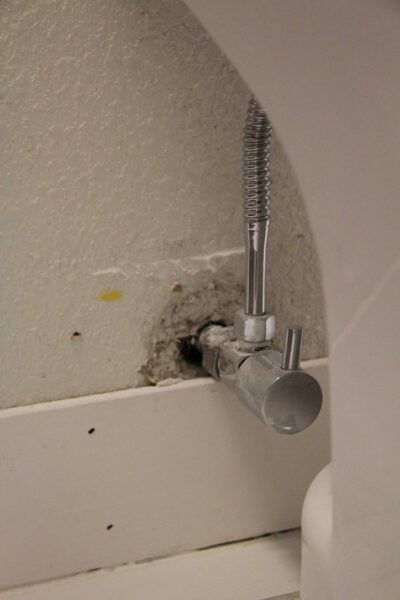
The float arm plays a critical role in your toilet's filling mechanism. Imagine it as the gatekeeper of water flow; its position determines whether water continues to enter the tank or not. If the arm is bent or positioned incorrectly, your valve won’t know when to stop the flow of water, leading to a continuously running toilet. Often, a simple adjustment to the float arm is all that’s needed to rectify this problem. By gently bending it or readjusting its position, you can prompt it to trigger the valve correctly. However, if the arm seems damaged beyond a slight bend, a replacement might be necessary.
Dealing with a Worn-out Flapper
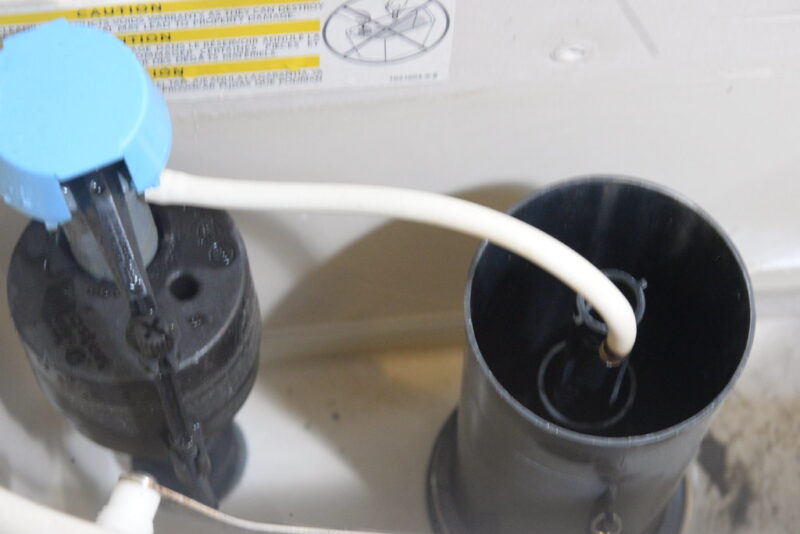
The flapper, despite its unassuming appearance, is crucial for maintaining your tank's water levels. It acts like a plug at the bottom of the tank, lifting when you flush to let water into the bowl and creating a seal to keep the water in the tank post-flush. When the flapper is worn out or warped, it can't seal properly, causing the tank to refill frequently—a major suspect if your water bills are unexpectedly high. Replacing a flapper is straightforward. All it takes is a trip to your local hardware store, where you can find a suitable replacement. Swap out the old flapper with ease and enjoy the silence of a properly functioning toilet.
Adjusting the Water Level for Optimal Performance
Ensuring your toilet tank fills to the correct water level is not just about efficiency—it's essential for preventing overflows and constant refilling. If the water in your tank is too high, it might overflow into the overflow tube, leading to continuous filling. Conversely, a tank that’s filled too low can result in weak flushes. Fortunately, adjusting the water level is usually a matter of tweaking the fill valve. Most toilets have an adjustment screw or clip that allows you to set the float to cut off water at your desired level. Check the manufacturer's instructions or look for markers inside the tank that indicate the ideal water level.
- For float ball systems, make sure the ball is not touching the sides of the tank.
- In newer models with a cylindrical valve, adjust the water level with the built-in screw mechanism or moving the entire valve up or down.
A well-functioning toilet isn’t just a convenience—it’s a necessity that, when neglected, can lead to waste and higher costs. Have you ever tackled a toilet fill valve issue yourself? Share your tips and experiences in the comments below, and let’s help our community keep things flushing smoothly!
For more water conservation tips, visit this guide. Additionally, understanding the importance of water-efficient appliances can significantly reduce waste. The San Francisco Public Utilities Commission offers resources for water-saving devices that may assist in cutting down water usage in your home.
This might also be the perfect opportunity to check out any rebates available in your area for water-efficient fixtures, such as toilets and showerheads, to further enhance your water conservation efforts. If you're curious about detecting leaks in your home, the NYC water department offers a helpful brochure on identifying leaks in your toilet. For additional DIY resources, this guide can assist those looking to undertake repairs themselves.
To stay updated with our most recent articles and tips on water conservation and home maintenance, be sure to explore our blog.
Helpful Video: How to Fix a Running Toilet
If you've noticed your toilet fill valve keeps running, you're not alone—this is a common plumbing issue that can lead to increased water usage and higher bills. Understanding why your toilet fill valve won't shut off and knowing how to address the problem yourself can save you time and money. Check out this video by JENSEN DIY, titled "How to fix a running toilet. The two most common causes," which walks you through the steps to adjust or repair your toilet fill valve.
How to Fix a Constantly Running Toilet Fill Valve
Start by shutting off the water supply to your toilet, usually located beneath the tank. Remove the black cap on top of the fill valve, then carefully twist and lift the black float assembly beneath the cap. Check for and clear out any sediment or debris that may be clogging the pin and preventing it from closing completely. If these steps don’t stop the constant running, consider replacing the entire fill valve for a long-term solution.
Why Does My Toilet Refill When Not in Use?
An improperly seated or worn-out flapper is often the culprit behind a toilet that refills on its own. If the flapper doesn’t create a tight seal at the bottom of the tank, water leaks into the bowl, and the refill tube kicks in to replenish the tank. As long as the flapper remains damaged or misaligned, the toilet stays in a cycle of refilling. Replacing or adjusting the flapper typically puts an end to this issue.
Addressing a toilet fill valve that keeps running might seem daunting at first, but it’s a task that anyone can tackle with a little guidance. From checking the float ball and adjusting the water level to replacing the valve altogether, there are several approaches you can take to fix the issue. Remember, a toilet that won’t stop running can lead to unwelcome surprises on your water bill, so it’s worth diving into the repair process sooner rather than later. Plus, by addressing it yourself, you'll not only save money on a plumber but also gain the satisfaction of a DIY job well done. I hope these tips encourage you to tackle the problem head-on and turn it into a functional part of your household once again!
Stay Connected for More Tips and Inspiration
If you found this post helpful and want to explore more home improvement and maintenance tips, be sure to follow along on our social media channels. I love sharing easy-to-follow guides, troubleshooting advice, and inspiring home design ideas that can make your space more enjoyable and efficient. For more insights, take a moment to check out our Instagram page, where we're always posting fresh ideas and helpful content. You can visit us at Architecture Adrenaline on Instagram. Let's continue this journey together and transform glitches into gateways to savvy solutions!
