Yes. Installing a tankless water heater in a manufactured HUD-code mobile home is feasible, but it is rarely a simple drop-in replacement because the unit, venting, combustion air, and installation must either be HUD-listed for that use or covered by a specific Alternative Construction approval.
How Federal Rules Change the Replacement Option
HUD-code manufactured homes require either a factory-listed appliance or an Alternative Construction approval documenting equivalency with HUD safety objectives. The Alternative Construction path demands engineering drawings, test data, and documented installation instructions that show the tankless configuration meets the HUD Code’s objectives for venting, combustion, and fire safety. For a practical walk-through of on-site issues and approval timing, see the site’s guide to Tankless Water Heater Installation in a Mobile Home.
Why a Retail Unit Is Usually Not Permitted
Retail tankless models typically assume dwelling conditions that differ from factory-built homes: larger mechanical closets, unconstrained vent runs, and different combustion-air sources. The HUD program treats these differences as nonstandard unless the manufacturer has a listing that covers manufactured housing or an Alternative Construction letter accompanies the installation. That requirement also affects insurance and resale because the appliance must be shown as approved for that serial-numbered home or as part of an approved alteration.
Two Compliant Installation Paths
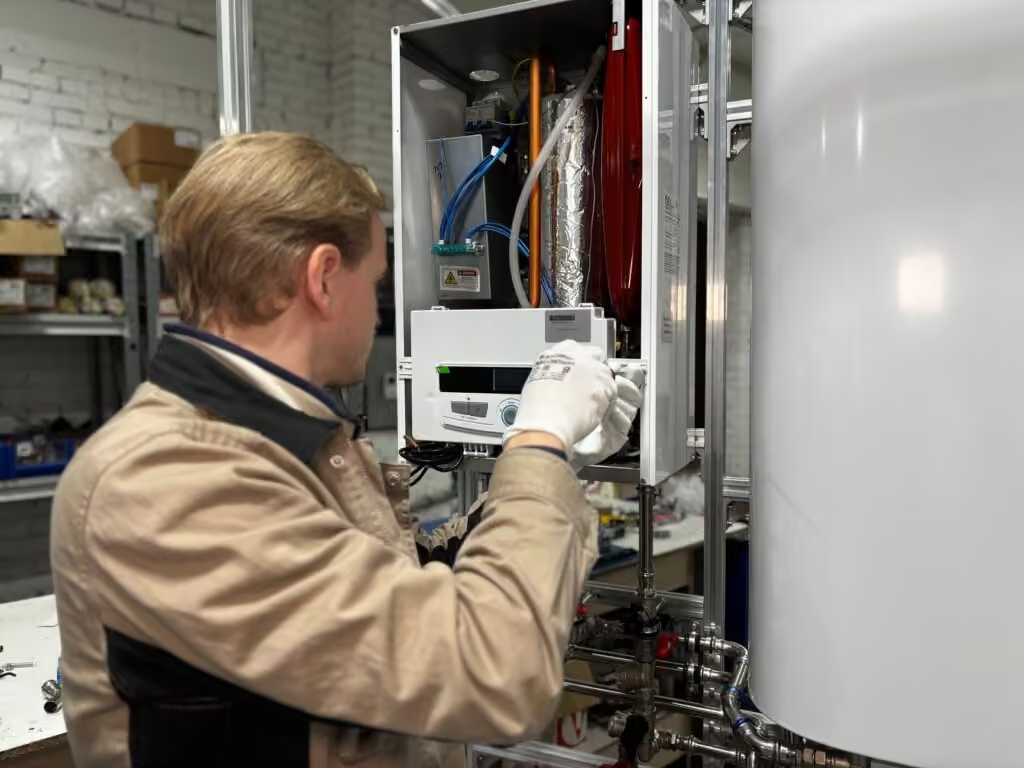
There are only two practical legal routes: install a tankless unit already listed for manufactured housing and follow that listing exactly, or obtain a HUD Alternative Construction approval for the chosen model and installation method. The site’s cost guide explains how these two routes affect budgets and permitting timelines; review Tankless Water Heater Installation Cost for typical upgrade line items such as venting, gas work, and permits.
Venting, Combustion Air, and Condensate Requirements
Most gas tankless units use direct-vent or sealed-combustion systems and produce acidic condensate when run in condensing mode. Under HUD rules, you must confirm vent termination clearances, combustion-air sources, and condensate routing match both the manufacturer’s listing and 24 CFR venting provisions. Short exterior clearances or underfloor voids common in mobile homes often require alternative routing or an exterior-mounted unit with engineered freeze protection.
Electrical and Gas Service Limits
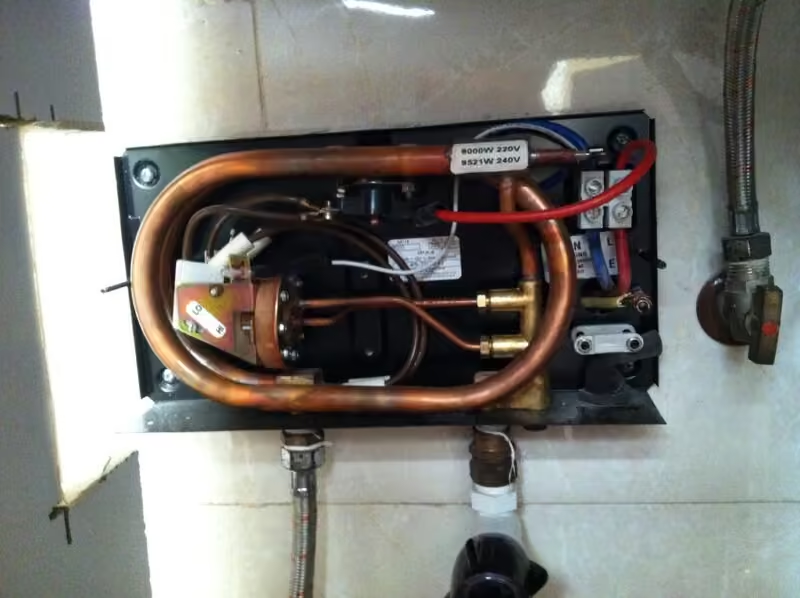
Electric on-demand units can require multiple high-amp circuits and a panel capacity upgrade; confirm breaker sizing, continuous-load rules, and conductor ampacity before specifying an electric model. Gas units need properly sized supply piping and sufficient meter or propane-regulator capacity to meet the unit’s maximum input. For guidance on when gas-line replacement or upsizing is triggered, consult the site’s Gas Line Replacement for Tankless Water Heater article.
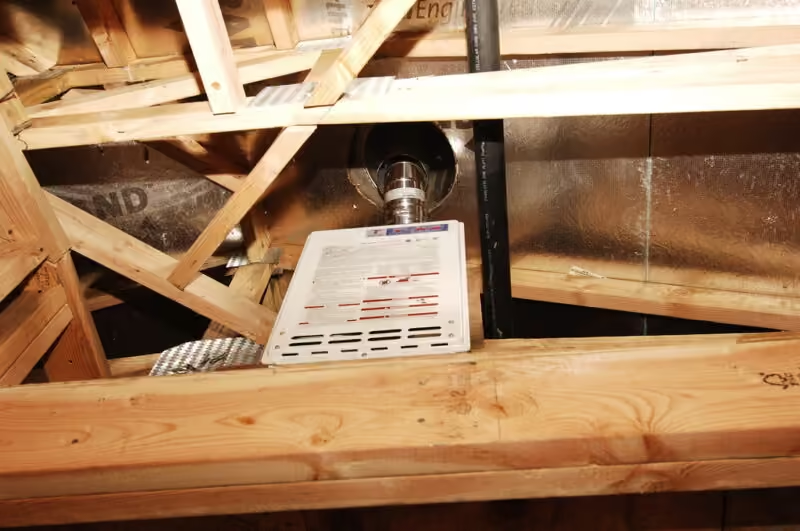
Site Constraints Unique to Manufactured Homes
Mobile homes' mechanical closets, underfloor cavities, and skirting reduce clearances and access. Exterior-mounted tankless heaters avoid interior combustion-air complications but require secure mounting, freeze protection, and compliant weatherproofing. Take field measurements for vent runs, service clearances, and condensate drop before selecting models; tight sites commonly add specialized vent fittings and higher labor hours.
Sizing, Point-of-Use Versus Whole-House Choices
Choose a size based on simultaneous fixture demand and peak flow rate rather than nominal tank equivalence. The Georgia Attorney General’s consumer guide explains sizing and the difference between point-of-use and whole-house options, which matters when a compact point-of-use unit avoids major venting or gas upgrades in constrained mobile home locations: Tankless Water Heaters - Georgia Attorney General's Consumer Protection Division.
Maintenance, Water Quality, and Lifespan Tradeoffs
Tankless heat exchangers scale quickly in hard-water areas and need periodic descaling and a water-treatment plan to preserve rated output. The MSU Extension summary on maintenance quantifies how routine flushing and proper water treatment reduce energy waste and premature replacement: Water Heater Maintenance and Choice Can Reduce Energy Costs. Expect a service schedule and manufacturer-recommended softening or filter components to be part of any HUD approval package.
Environmental and Emissions Considerations
Gas-fired tankless units can leak methane through venting and pressure-relief systems when not properly installed or maintained. Research from Stanford highlights common methane leak sources and practical fixes that installers should address during the Alternative Construction documentation and in post-installation testing: Water heaters’ methane leaks are high, but fixable - Stanford Doerr School of Sustainability. Specify leak-detection testing and combustion-efficiency checks as part of the final inspection plan.
Cost Drivers and When Tankless Makes Financial Sense
Expect higher first costs for the unit and for site-specific upgrades: venting reroutes, gas-line upsizes, meter/regulator work, electrical panel changes, and condensate drainage. Use-case factors that justify tankless include year-round low standby use, long-term ownership plans, and already adequate gas or electrical service. For contractors’ cost breakdowns that reflect these variables, see the site’s installation-cost overview.
Installation Accessories and Practical Details
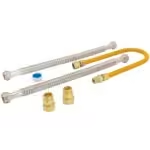
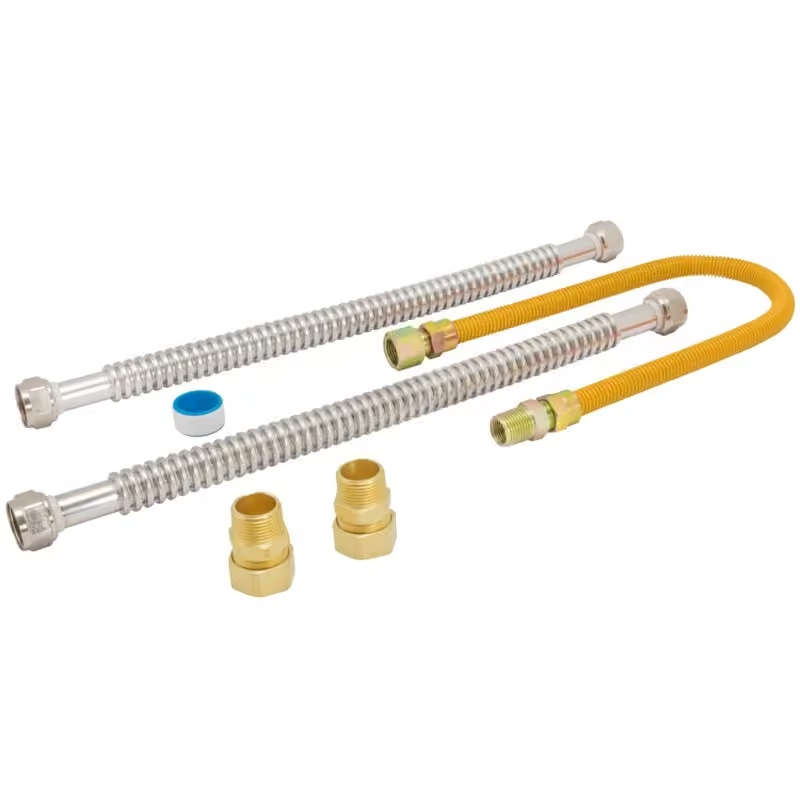
Compact installations benefit from purpose-made accessory kits that simplify vent transitions and combustion-air connections in tight spaces. An example accessory for gas installations is the Eastman Gas Water Heater Installation Kit, 18 Inch.
Questions to Require From Any Installer
- Can you document prior HUD installations or provide a plan for the Alternative Construction submission and testing?
- Which exact model is listed for manufactured housing or will be covered by the approval?
- Precisely what electrical, gas, venting, and condensate work will be required, and who will obtain the permits?
- What descaling and water-treatment schedule does the manufacturer require for the local water chemistry?
Where to Find Authoritative Technical Guidance
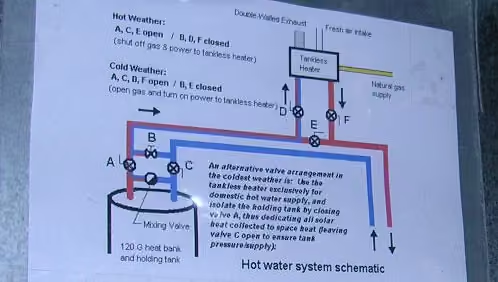
Begin with HUD’s Alternative Construction procedures and the HUD Code sections on venting and combustion air. For practical venting and service details and typical retrofit solutions, consult the Building America Solution Center and the Architecture Adrenaline articles that cover on-site installation and cost drivers, including Tankless Water Heater Installation in a Mobile Home, Tankless Water Heater Installation Cost, and Gas Line Replacement for Tankless Water Heater.
Final Assessment for Mobile-Home Owners
Tankless systems can save energy for the right household and site, but manufactured-home owners must weigh regulatory approval, site-modification cost, and maintenance burdens against long-term savings. For many HUD-code homes, the lower upfront cost and straightforward replacement of a HUD-listed tank heater remains the lower-risk option unless a listed tankless model is available or an Alternative Construction approval is obtained, and the site already supports the necessary venting and service upgrades.
Our Product Pick
Tankless Water Heater, Novieex On Demand Water Heater Propane Gas is one option to look at if you want a ready-made tool for this job. As an Amazon Associate, we earn from qualifying purchases.
Watch: Tankless Water Heater For Mobile Homes
Installing a tankless water heater in a mobile home is feasible, provided it meets certain requirements. Factors such as proper venting, space considerations, and specific utility connections must be addressed to ensure efficiency and compliance with local codes. Homeowners should consult a professional plumber or contractor for guidance tailored to their specific setup.
More from Architecture Adrenaline
For those looking to explore similar content, there are more posts available on our social channels. Check out our Pinterest for additional insights and inspiration on home projects and renovations.